To unsync Google Calendar, you need to take one of several specific actions depending on what you want to accomplish: unsubscribing from a shared calendar, deleting a calendar you own, hiding a calendar from view, stopping device-level sync, or revoking sharing permissions. The right approach depends on whether the calendar belongs to you or was shared by someone else.
What 'unsync a Google calendar' actually means
Unsyncing a Google Calendar can refer to several actions, including unsubscribing from a calendar, deleting a calendar, stopping sharing, or disabling device-level synchronization. Most comprehensive actions, such as deleting or unsubscribing from calendars, are performed on the Google Calendar website at calendar.google.com. This guide covers each scenario so you can pick the one that matches your situation.
How to unsubscribe from a shared or other calendar
If you want to stop seeing a calendar that someone else shared with you, the correct action is to unsubscribe. This removes the calendar from your view without affecting the owner's calendar or other subscribers.
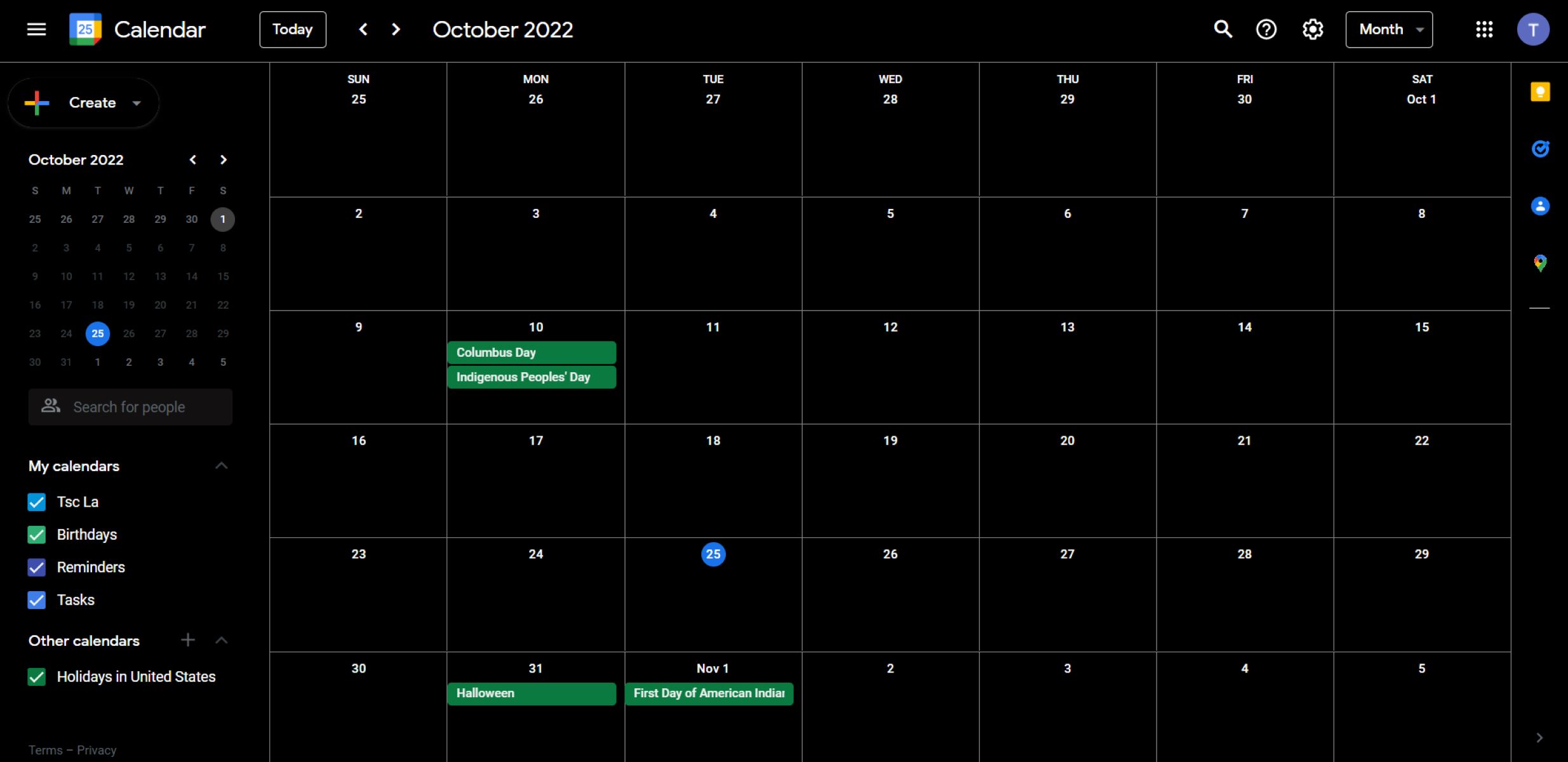
- Open Google Calendar on your computer by navigating to calendar.google.com.
- In the left sidebar, locate the "Other calendars" section.
- Find the shared calendar you wish to remove.
- Hover your mouse over the calendar name and click the three vertical dots (More options) that appear.
- From the menu, click "Settings and sharing".
- Click "Unsubscribe".
- A pop-up window will ask for confirmation; click "Remove calendar".
When you unsubscribe from a calendar, you will no longer be able to see it unless another owner re-shares it with you. This is the cleanest way to stop receiving events from a calendar you don't control.
How to delete a calendar you own
If you created a calendar and want to remove it permanently, you can delete it. Be aware that if you shared this calendar with other people or groups, the calendar will be removed for everyone when you delete it.
- Open Google Calendar on your computer by going to calendar.google.com.
- In the left sidebar, scroll down to the "My Calendars" section.
- Click the three vertical dots next to the calendar you want to delete.
- Click "Settings and Sharing".
- Click "Delete".
- Confirm the action by clicking "Delete permanently".
Deleting a calendar is irreversible. All events are gone for you and anyone you shared the calendar with. Only delete a calendar you own if you are certain you no longer need its events.
How to hide a calendar without deleting it
Sometimes you just want to declutter your view without losing access to a calendar. Hiding a calendar removes it from your list while keeping it available to show again later.
- Open Google Calendar on your computer.
- On the left side, find the calendar you want to hide (it may be under "My calendars" or "Other calendars").
- Hover your mouse over the calendar name and click "More" (three dots).
- Click "Hide from list".
To unhide a calendar later, click the gear icon, go to "Settings", find the calendar under "Settings for my calendars", and check the box to show it again. Hiding is perfect when you want to unsync Google Calendar temporarily without losing your subscription or events.
How to clear your primary Google calendar
You cannot delete your primary Google Calendar, but you can delete all of its events. This is useful if you want a completely blank primary calendar without creating a new one.
- Open Google Calendar on your computer.
- In the top right corner, click "Settings" (gear icon).
- In the left column, under "Settings for my calendars," click on your primary calendar (it's usually labeled with your first and last name or email address).
- Scroll to the bottom of the page and click "Delete all events in this calendar".
It may take a few minutes for Google Calendar's features to fully update after clearing your primary calendar. This action cannot be undone, so confirm you want to remove every event before proceeding.
How to stop sharing your calendar with someone
If you have been sharing your calendar with others and want to revoke their access, you can do so without deleting the calendar itself.
- Open Google Calendar on your computer.
- On the left side, find the "My calendars" section; you may need to click to expand it.
- Hover over the calendar you want to unshare, click the three dots (More).
- Click "Settings and sharing".
- To make your calendar private, under "Access permissions," uncheck the box next to "Make available to public".
- To stop sharing with specific individuals, scroll down to the "Share with specific people" or "Shared with" section.
- Locate the person you want to remove and click the "Remove" button (or "X" icon) next to their name.
Other users are not notified when their access is revoked. They will simply stop seeing your calendar events. This is the method to use when you want to unsync Google Calendar for others without deleting your own data.
How to disable Google Calendar sync on Android
If you want to stop your Android device from syncing calendar data with your Google account entirely, disable calendar sync at the account level.
- Open the "Settings" app on your Android phone or tablet.
- Navigate to "Passwords, passkeys & accounts," "Accounts and Backup," "Accounts & Sync," or "Cloud and Accounts".
- Select your Google account.
- Tap "Account Sync" or "Sync Account".
- Toggle off the switch next to "Calendar" or "Sync Calendar" to disable synchronization with Google.
You may be prompted to choose whether to keep existing records on the device or delete them. Disabling sync prevents new or changed events from appearing on your device while leaving your Google account data untouched.
How to disable Google Calendar sync on iPhone or iPad
On iOS devices, you turn off calendar sync through the device's settings rather than the Google Calendar app itself.
- Go to the iOS "Settings" app.
- Tap "Contacts".
- Tap "Accounts".
- Select the desired Google/Gmail account.
- Tap the slider next to "Calendar" to turn off the sync.
You can choose to keep existing records on the device or delete them when prompted. This stops your iPhone or iPad from pulling new calendar events from Google while leaving your other Google account services active.