Check the label on the back: a genuine DualShock 3 has a sticker with a metallic look on the barcode area and model number CECHZC2x, while fakes use a plain matte sticker or no sticker at all. Also, plug it into a wall charger, if it charges, it may be fake, because an official DS3 often requires a data handshake with a PS3 or smart USB port.
The back label and sticker reveal a fake DualShock 3
Hold the gamepad so the back label faces you. An authentic sticker has a metallic look on the barcode area with a crisp barcode and the model number CECHZC2x (the "x" varies by region, such as U for US, E for Europe). The font for "Sony" and "DualShock 3" is sharp and evenly spaced. Counterfeit stickers are flat, matte, and often poorly printed, look for blurry text, missing regulatory logos like the CE or FCC marks, or a model number that says something like "CECHZC2A" (a PS2-era number) or no number at all. Some fakes have a sticker that peels off easily; genuine labels are firmly bonded to the plastic.
The wall charger test catches fakes instantly
Plug the peripheral into a standard USB wall adapter (like the one for your phone). An official DualShock 3 will not charge because it requires a data handshake, a negotiation with a PlayStation 3 console or a smart USB port that can provide data lines. If the device lights up and starts charging, it is fake. Counterfeit gamepads lack this handshake logic and will draw power from any USB source. This test is a strong indicator: even a genuine unit with a dead battery may show no charge light on a dumb wall charger.
When the analog sticks and buttons give it away
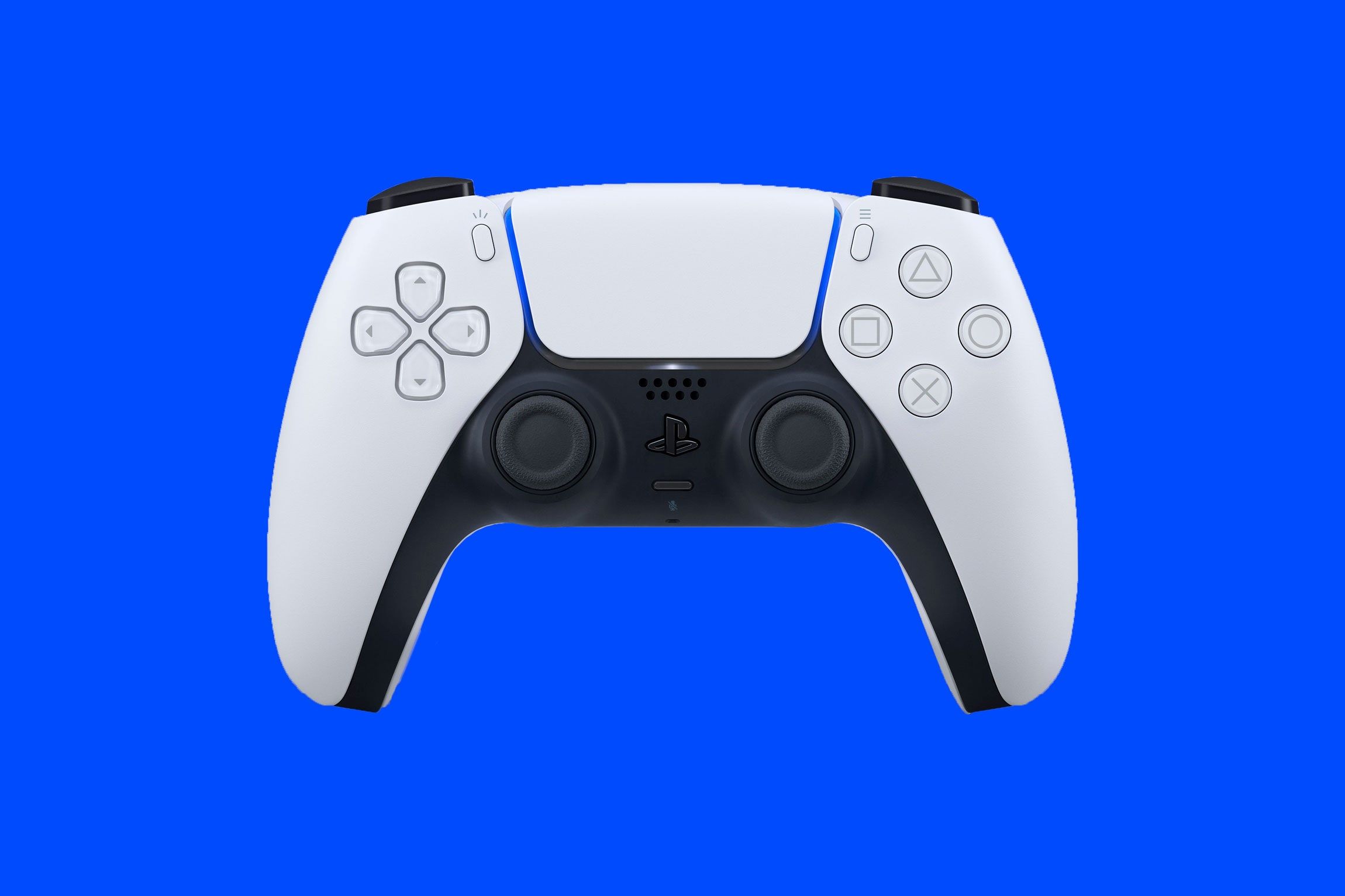
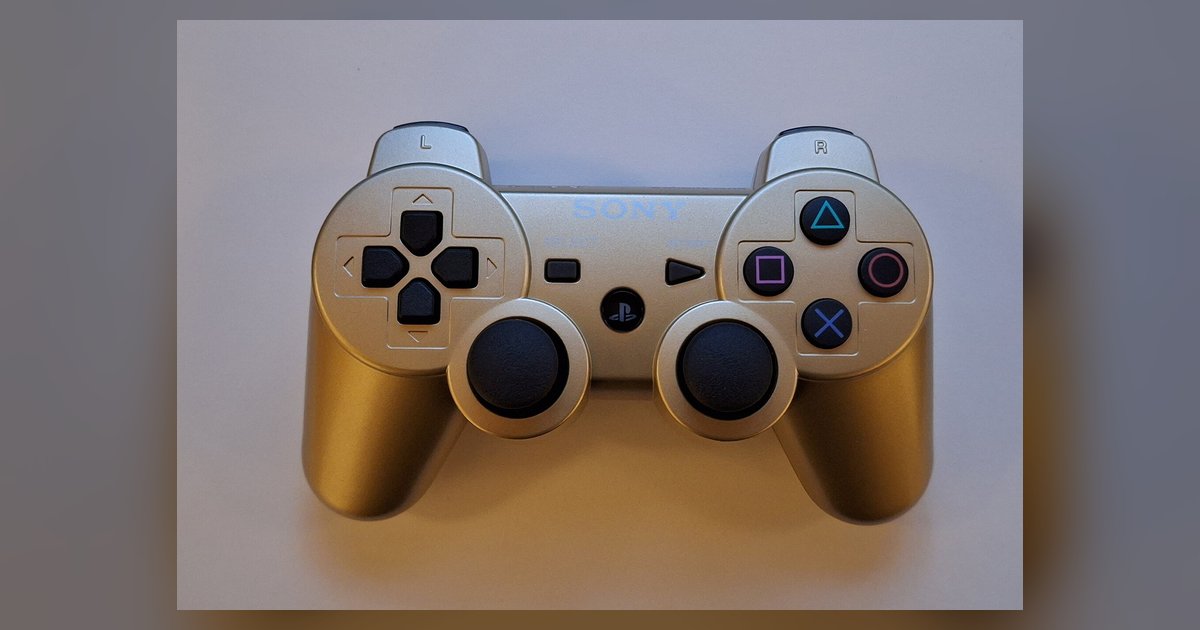
Press the thumbsticks. Genuine DualShock 3 sticks have a soft, grippy rubber with a slightly domed top and fine concentric rings. Fakes often use hard, slippery plastic or rubber with a rough, uneven texture. The PS button logo is another clue: on a real input device, the logo is precise; on fakes, it is often painted on or the wrong shade of gray. The home button light on an authentic accessory emits a clean, white glow through the button itself; counterfeits frequently let the light bleed through the surrounding plastic, creating a halo effect. You might also notice that the shell feels thinner and creaks when squeezed, whereas a genuine piece feels solid.
Why weight and screws still matter
Pick up the handset. A genuine DualShock 3 weighs about 190 grams thanks to two rumble motors and a lithium-ion battery. Counterfeits are lighter, often under 170 grams, because they skip the rumble motors or use a smaller battery. Flip the product over and examine the screws. Sony uses black screws with blunt ends on the back near the L2/R2 triggers. Fakes may use standard Phillips-head screws, which are easily removed with a common screwdriver. If you see Phillips screws, it is likely a counterfeit. For context, the price difference between a fake and a real gamepad can be as stark as wondering what a PlayStation 6 look like compared to today’s hardware, it’s a leap in quality. To verify your purchase, you can check your PS3 system menu to see hours played on PlayStation with the accessory; a fake will often not register correctly. Remember that even a cheap PS5 controller costs more than a fake DS3, so the deal may be too good to be true. And if the seller claims the device is rare because of the PlayStation 5 cost being high, ignore that, a DualShock 3 is a PS3 accessory, not a modern one. If you are hunting for official gear, knowing the walmart restock PS5 schedule can help you avoid desperate third-party sellers pushing counterfeits.
For a broader look at how these fakes affect your experience, explore the topic of PlayStation consoles pricing and value in our guide, PlayStation Consoles: Prices, Value and Playtime.