To sign out of Chromebook, click the time in the bottom-right corner, select the Power icon, then choose Sign out. This returns you to the login screen without powering off the device, so you can switch to another Google Account, browse as a guest, or even try using a Chromebook without a Google account.
How to sign out of a Chromebook from the quick menu
The fastest way to sign out of your primary Google Account is through the quick menu, which is always one click away. This method works whether you are finishing a work session, handing the device to someone else, or simply want to lock down your personal data before stepping away.
- Click the time in the bottom-right corner of your screen to open the quick menu.
- Select the Power icon (the circular button with a vertical line).
- Choose Sign out from the pop-up menu.
After you confirm, Chromebook ends your session and displays the login screen. Your apps, files, and settings remain saved on the device, so you can sign back in later and pick up where you left off. If the Sign out option is not immediately visible, you can select Power and then Shut down or Restart to end your current session, when the device boots back up, you will be at the login screen.
This method is ideal when you are sharing the device temporarily. It does not delete any of your data; it simply logs you out so the next person can sign in with their own account. If you are in a hurry and need to turn on your Chromebook later, this quick sign-out ensures your session is closed before the device goes to sleep.
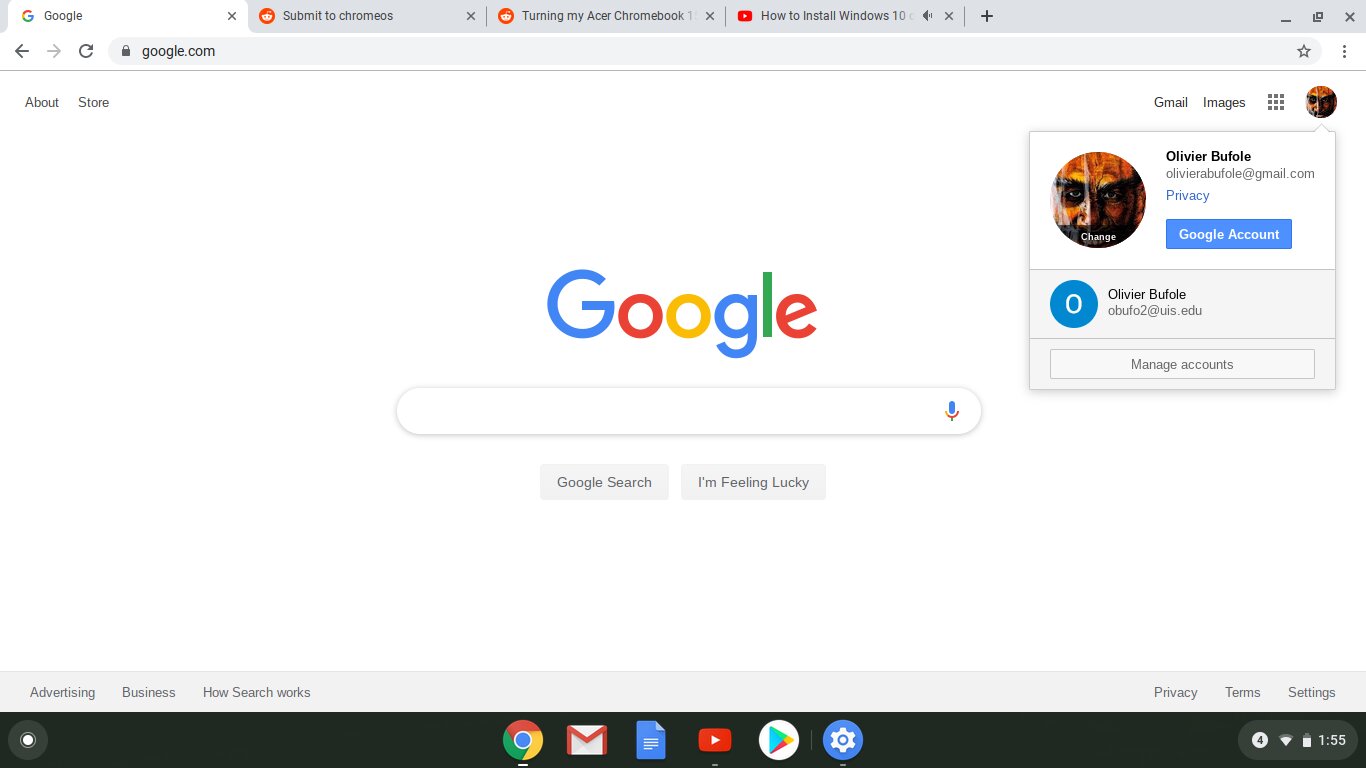
Remove an additional account or profile from your Chromebook
If you want to remove a secondary Google Account entirely, not just sign out, you have two options. This is useful when you are giving the device to someone else, selling it, or simply no longer need a work or school account on your personal Chromebook. Removing an account deletes its local data from the device, but it does not delete the Google Account itself.
Remove an account from Settings
- Click the time in the bottom-right corner, then select the gear icon to open Settings.
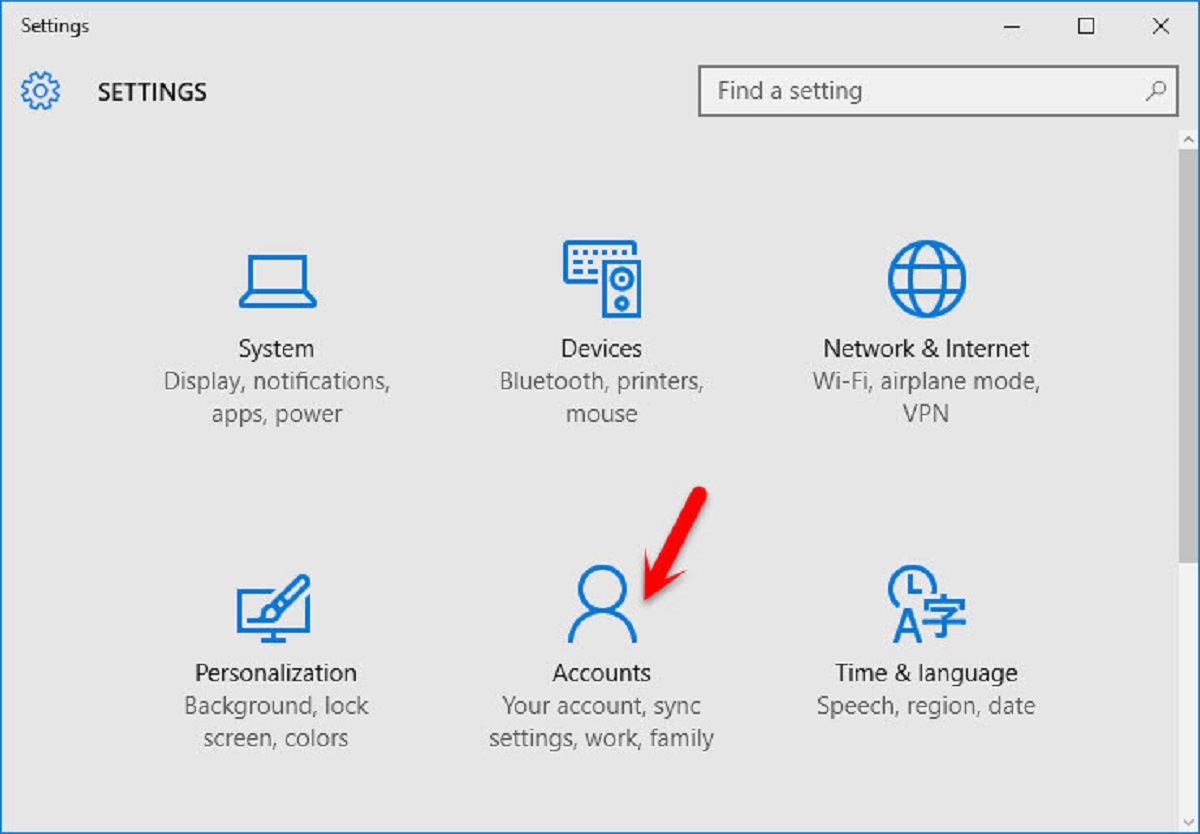
- Navigate to the Accounts section.
- Find the additional account you want to remove and click the three-dot Menu next to its name.
- Choose Remove this account.
When you confirm, Chromebook signs you out of that account and erases all files, bookmarks, extensions, and settings associated with it on this device. You will also be signed out of any apps and websites on the Chromebook where you used that specific account. The account itself, along with its cloud data and settings, remains active on other devices and online.
Remove a profile from the login screen
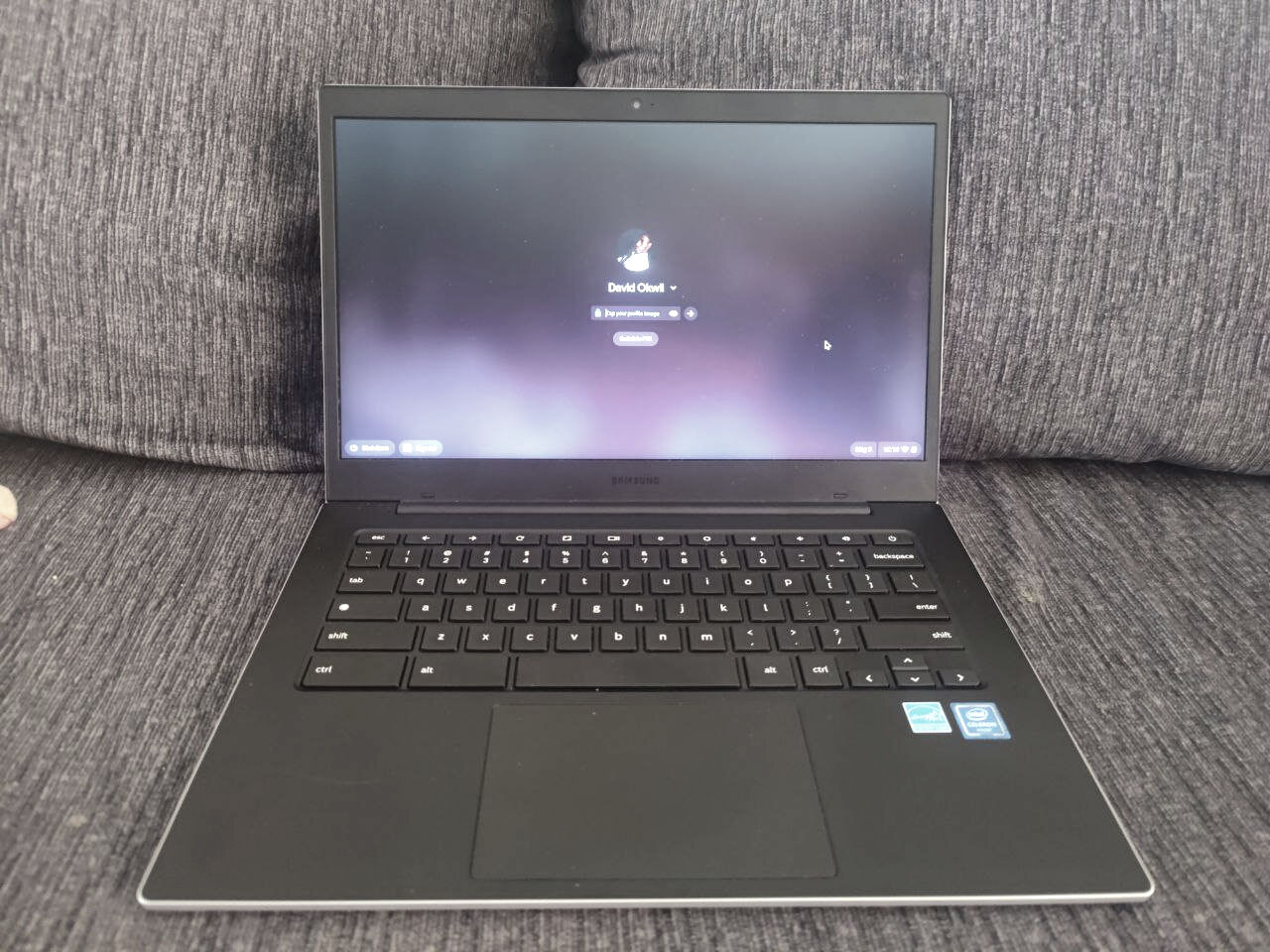
- On the Chromebook sign-in screen, select the profile you wish to remove.
- Click the Down arrow next to the profile name.
- Choose Remove this user.
This method works directly from the lock screen, so you do not need to sign in first. It is especially handy when you are preparing the device for a new owner and want to clear out all previous profiles in one go. Just be aware that this action is permanent, once removed, you cannot recover the local data from that profile on this Chromebook.
Exit guest mode on a Chromebook
Guest mode is designed for temporary use, so signing out is intentionally simple and completely wipes your session. This is perfect for lending your Chromebook to a friend, a coworker, or a family member who just needs to check email or browse the web without touching your personal data.
- Click the time in the bottom-right corner of your screen.
- Select Exit guest.
That is all it takes. When you exit guest mode, Chromebook automatically deletes all files, cookies, website data, and browsing activity from that guest session. No bookmarks, saved passwords, extensions, apps, or search history are saved to any permanent profile. The next person who uses guest mode starts with a completely clean slate.
Because guest mode prevents the saving of browsing activity and personal data, it is the safest way to share your device with someone you do not know well. After they exit, there is no trace of what they did, and your own profile remains untouched and ready for your next sign-in.
What to do if you cannot sign out or remove an account
In most cases, signing out or removing an account is straightforward. However, there are two scenarios where you may hit a wall: the owner account and managed devices.
The first Google Account used to set up a Chromebook is designated as the owner account. This account has special privileges and cannot be removed through the standard Settings or login screen methods. To remove the owner account, you must perform a Powerwash, which is a factory reset that erases everything on the device and returns it to its original out-of-box state. If you need the specific steps for your hardware, you can reset an acer Chromebook using a dedicated walkthrough. A Powerwash removes all accounts, all local files, and all settings, so back up anything important before you proceed.
If your Chromebook is managed by an administrator, such as a school, workplace, or organization, you might find that you are unable to remove accounts or even enable or disable guest browsing. In these cases, the admin has locked down account management to maintain security and compliance. You should contact your administrator for assistance. They can remove accounts remotely, reset the device, or adjust policies so you can manage profiles yourself.
For the owner account, a Powerwash is the only path forward. For managed devices, your admin holds the keys. In either situation, do not attempt workarounds, they may violate your organization's policies or cause data loss. Instead, reach out to the appropriate person and follow their instructions.