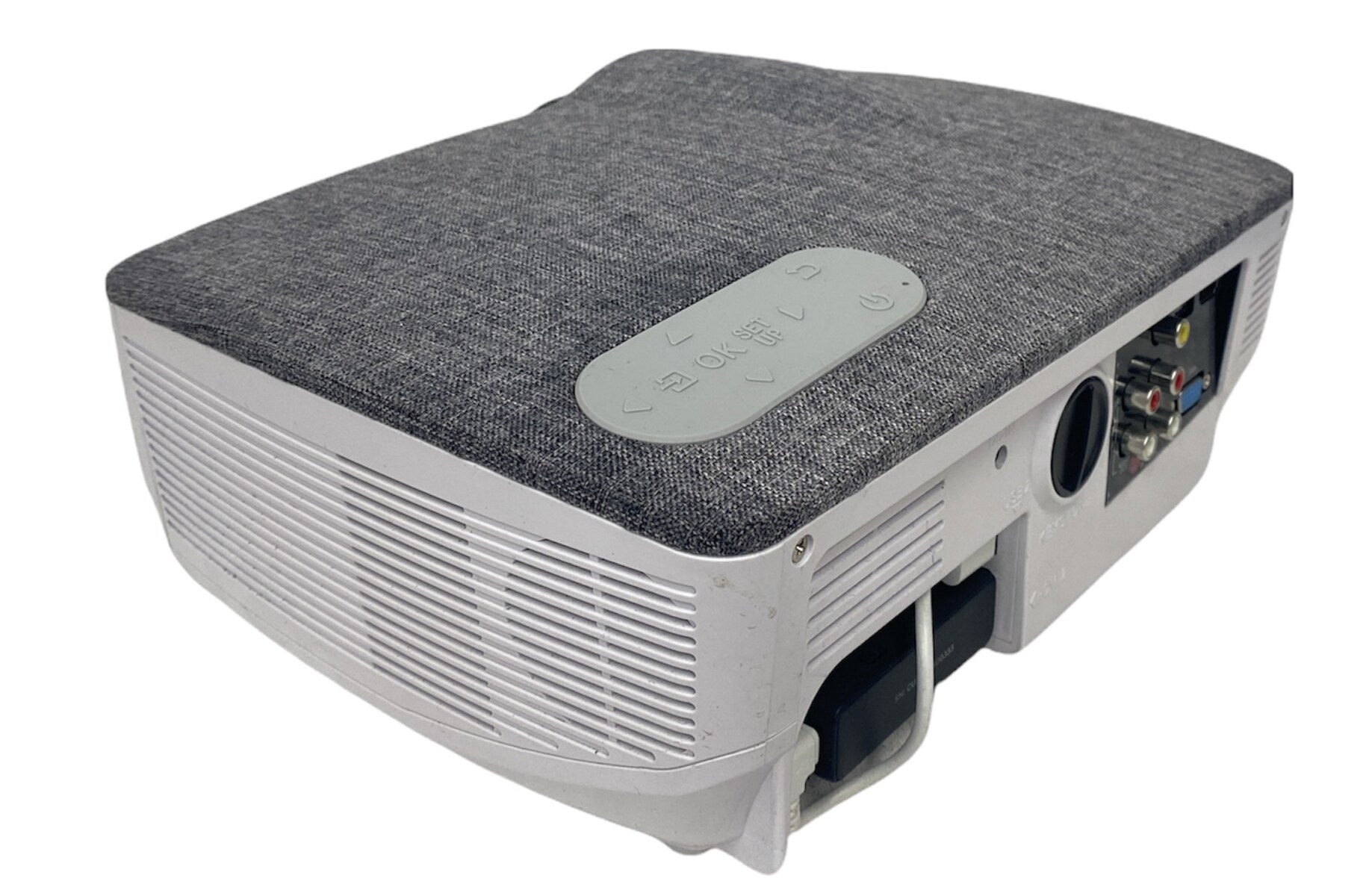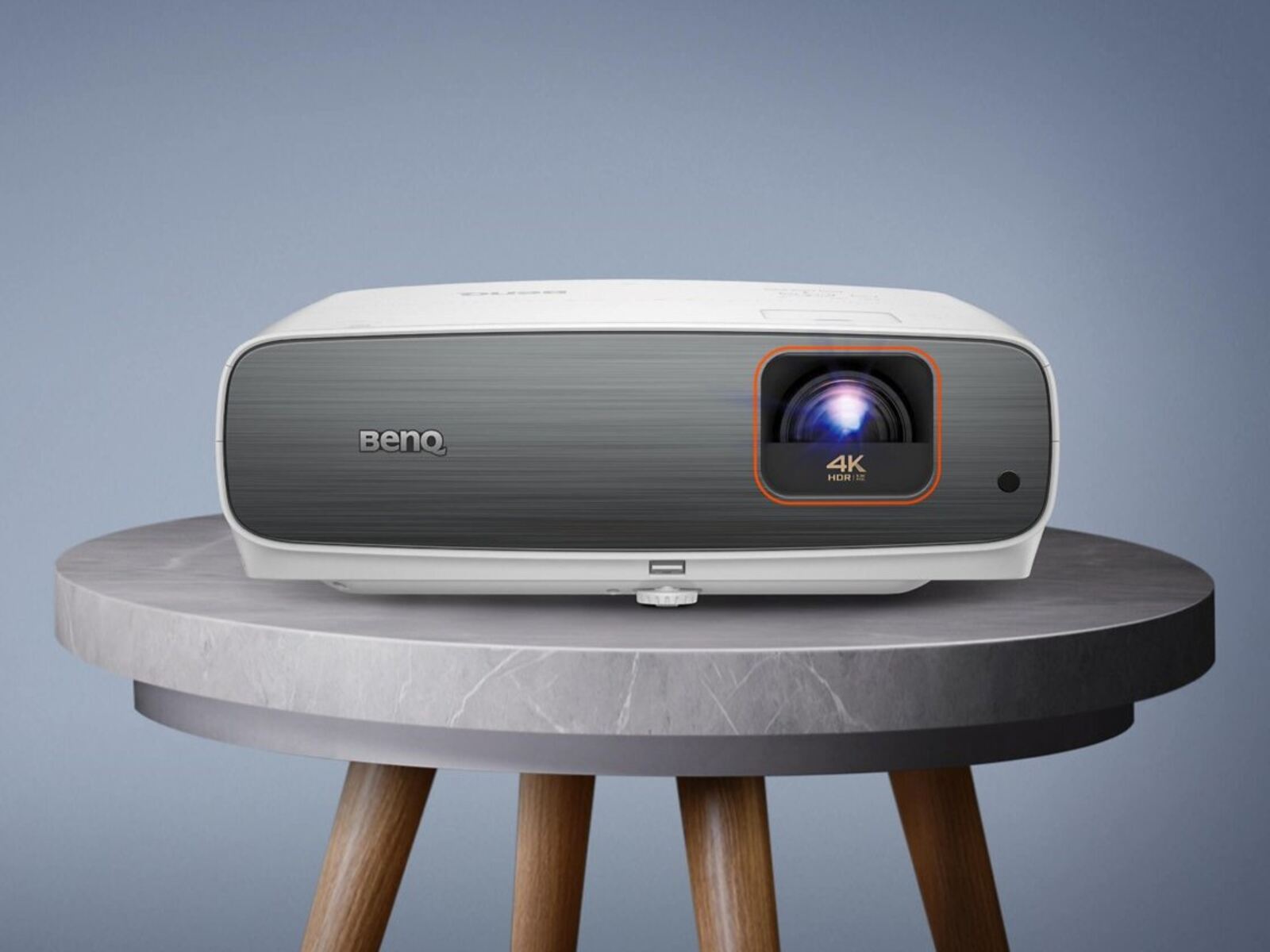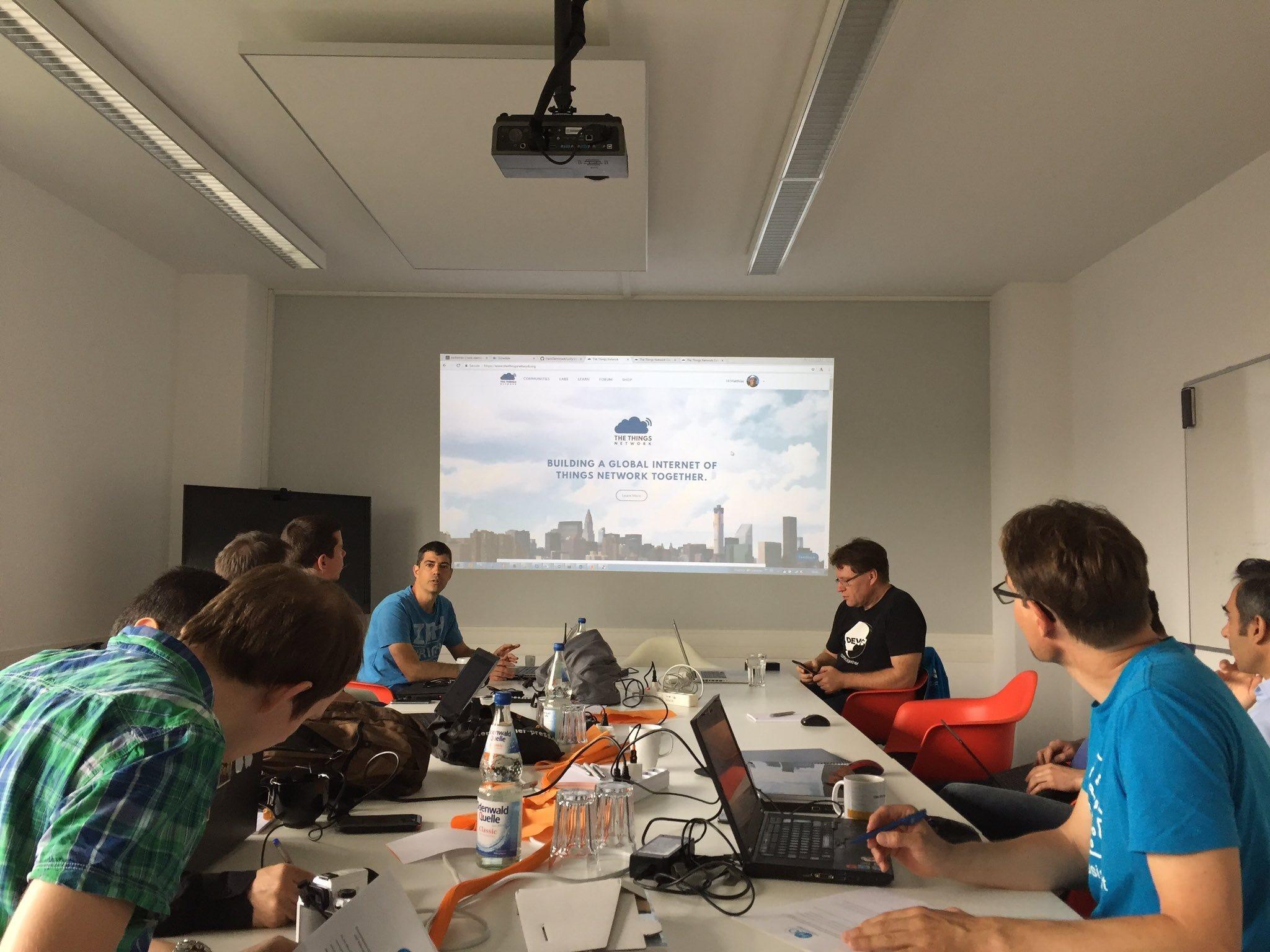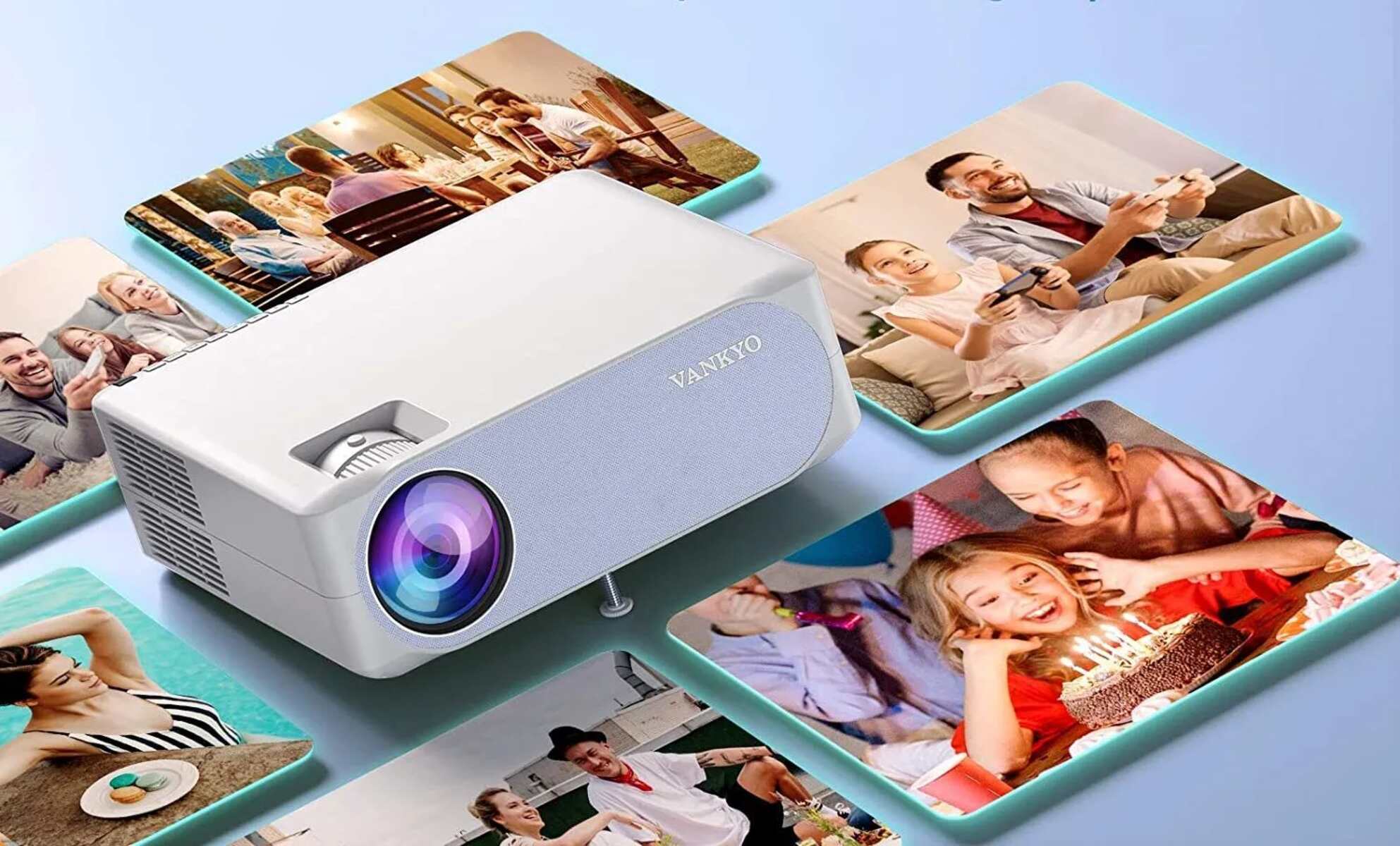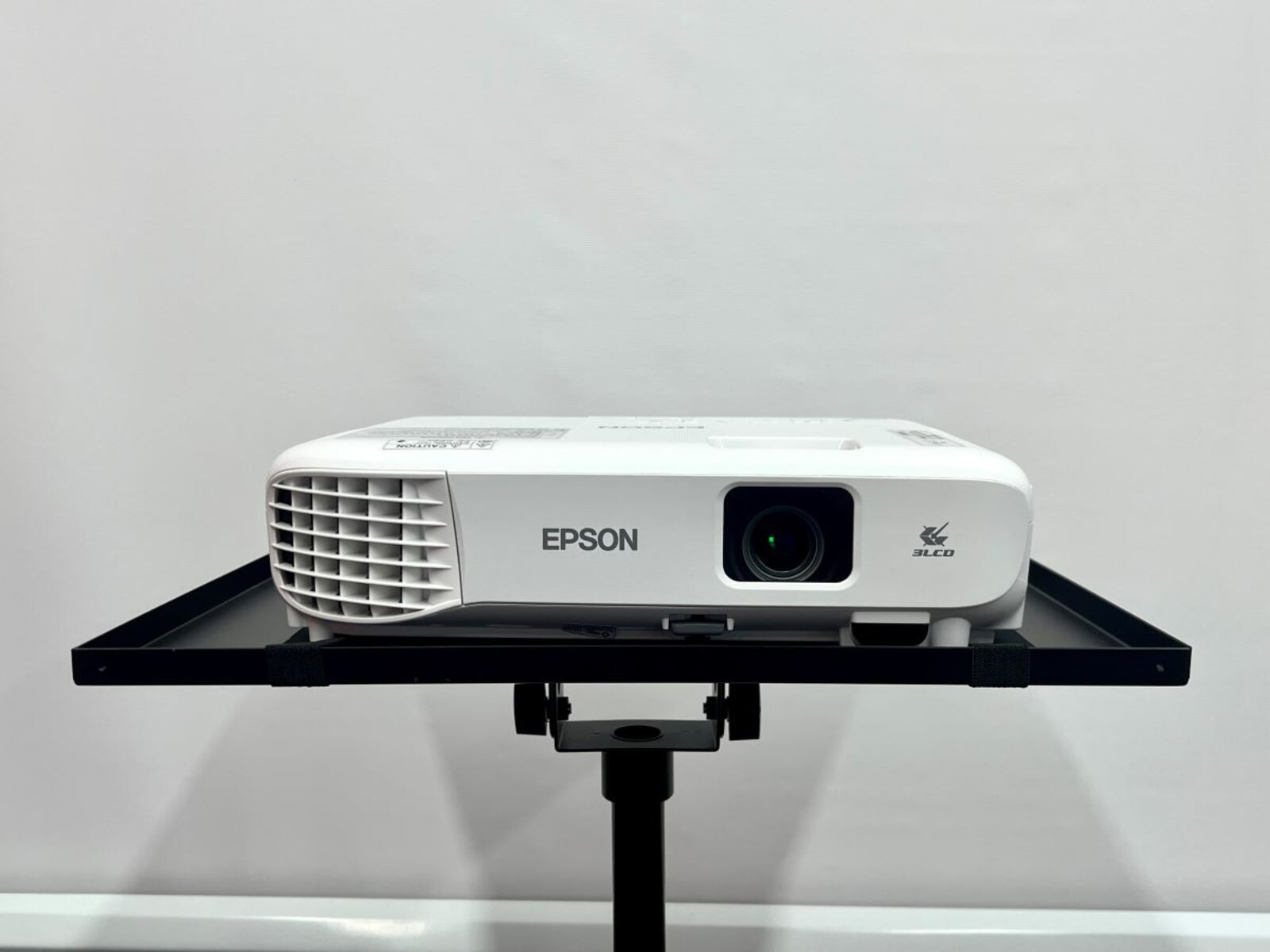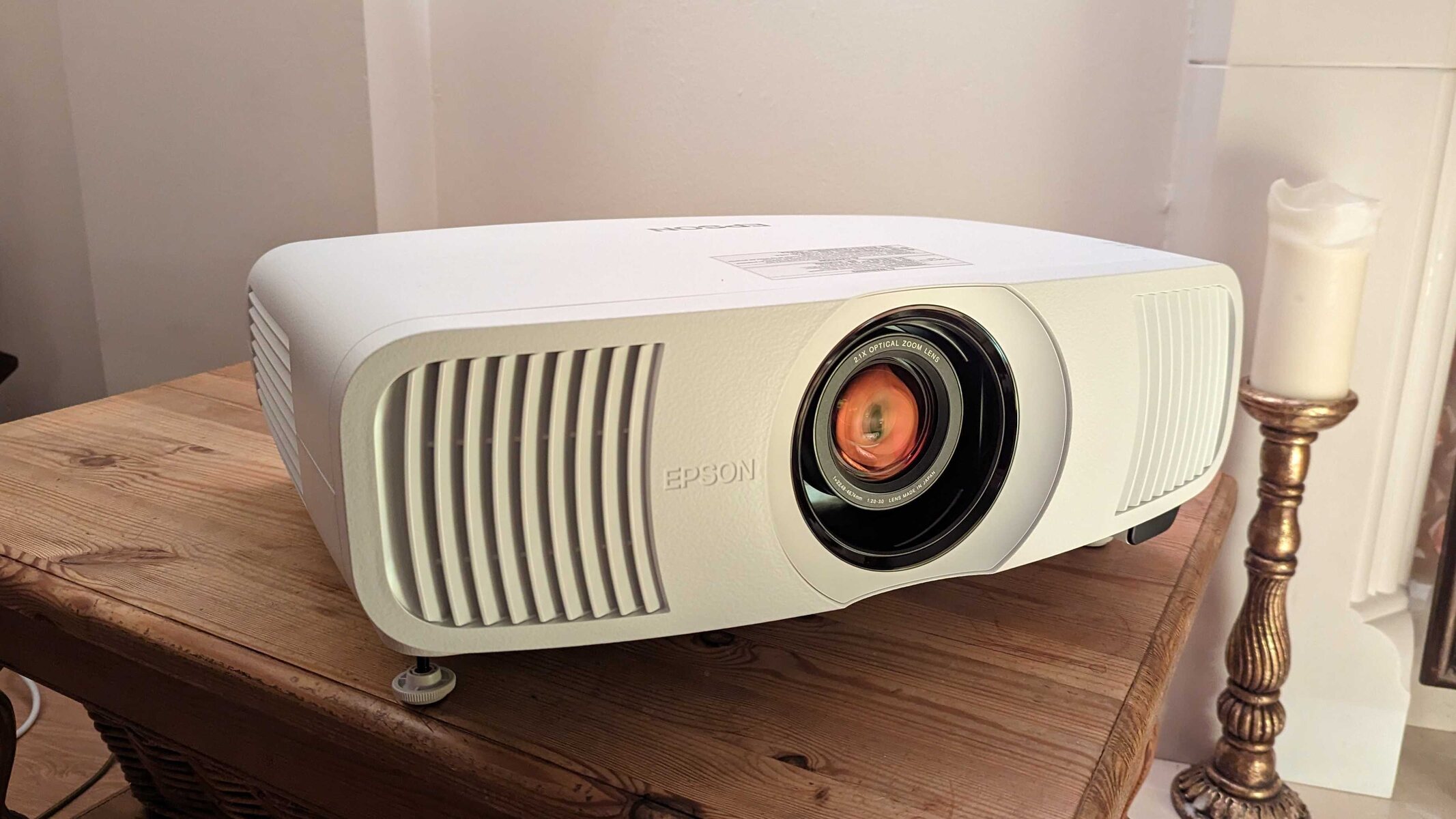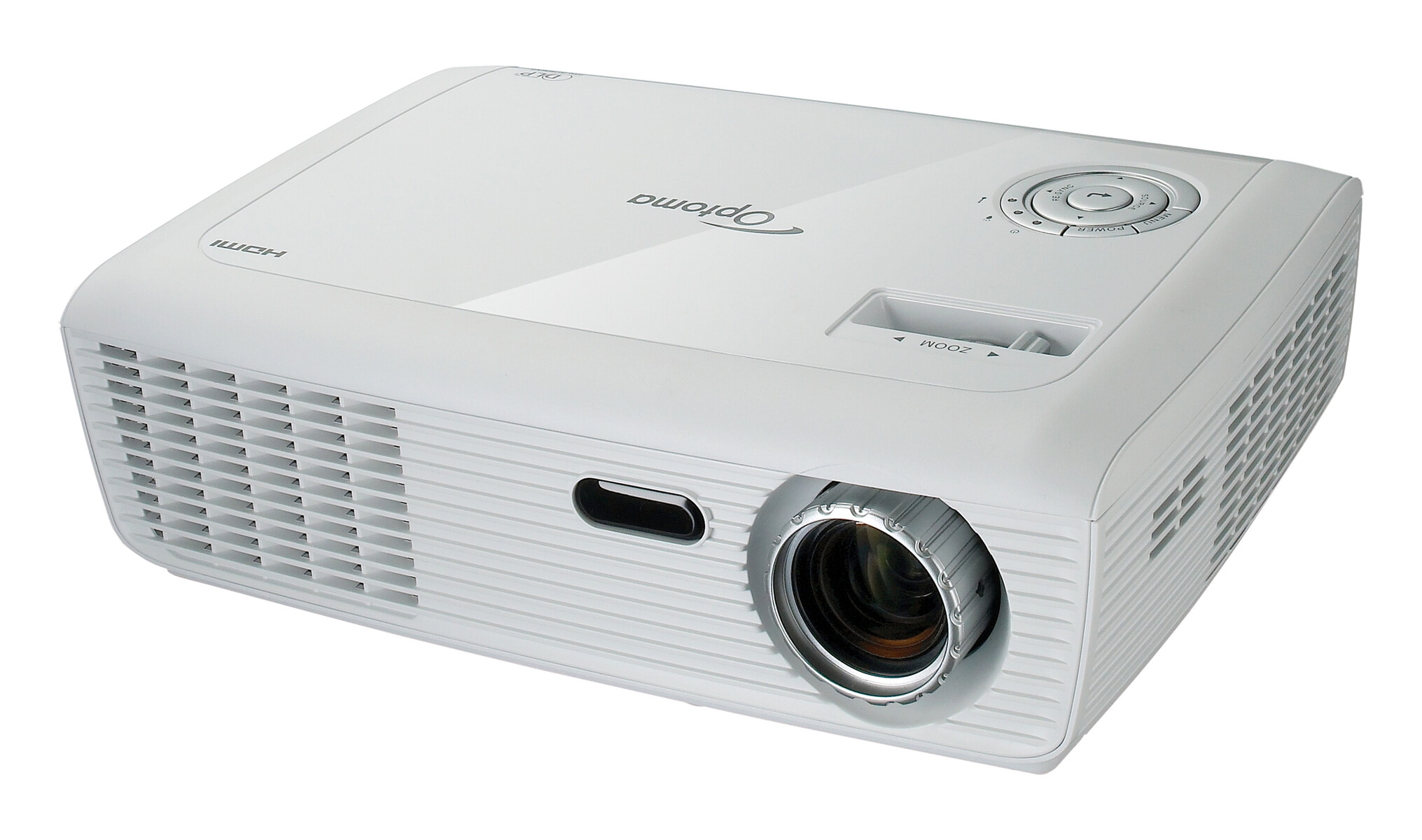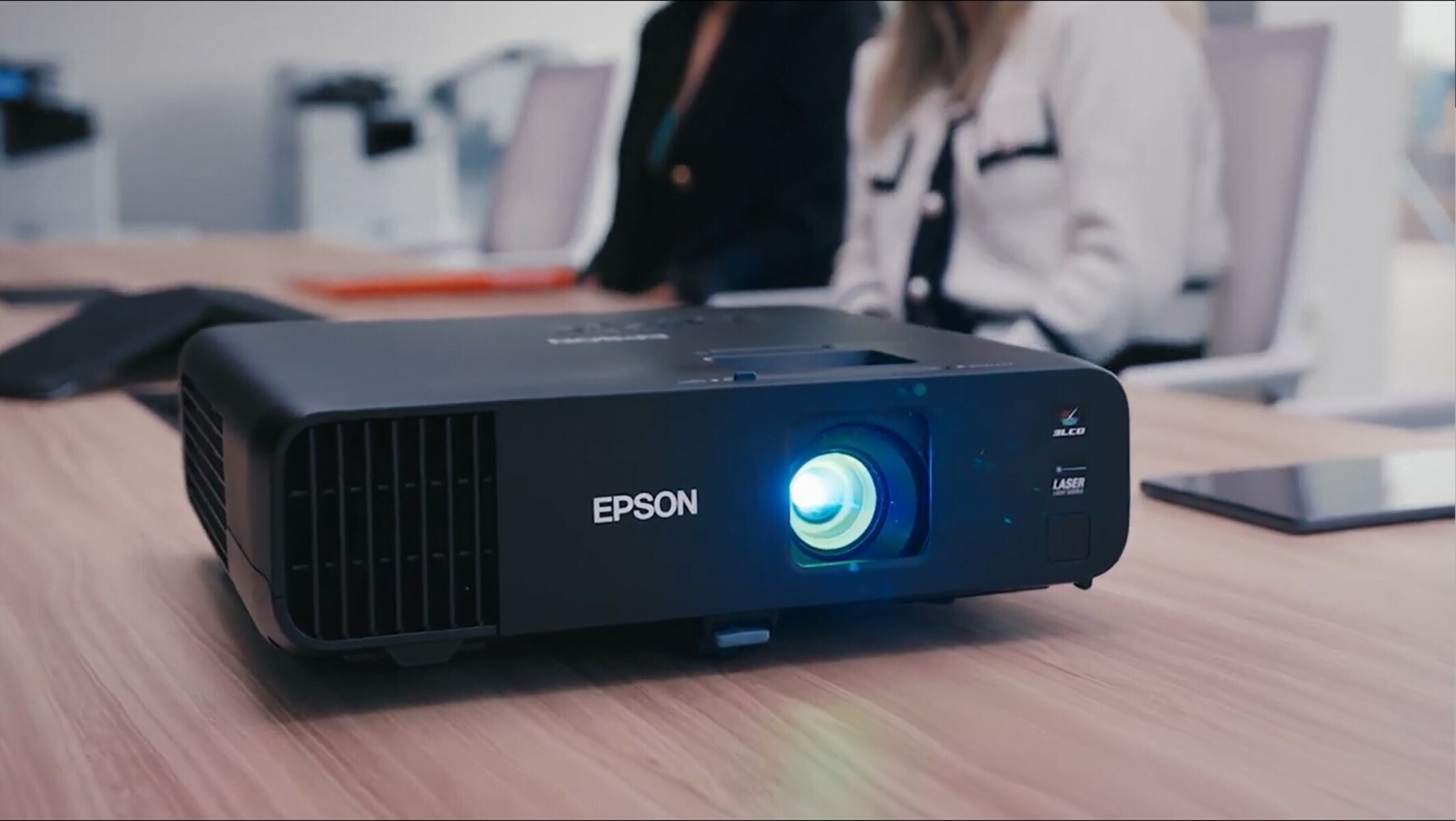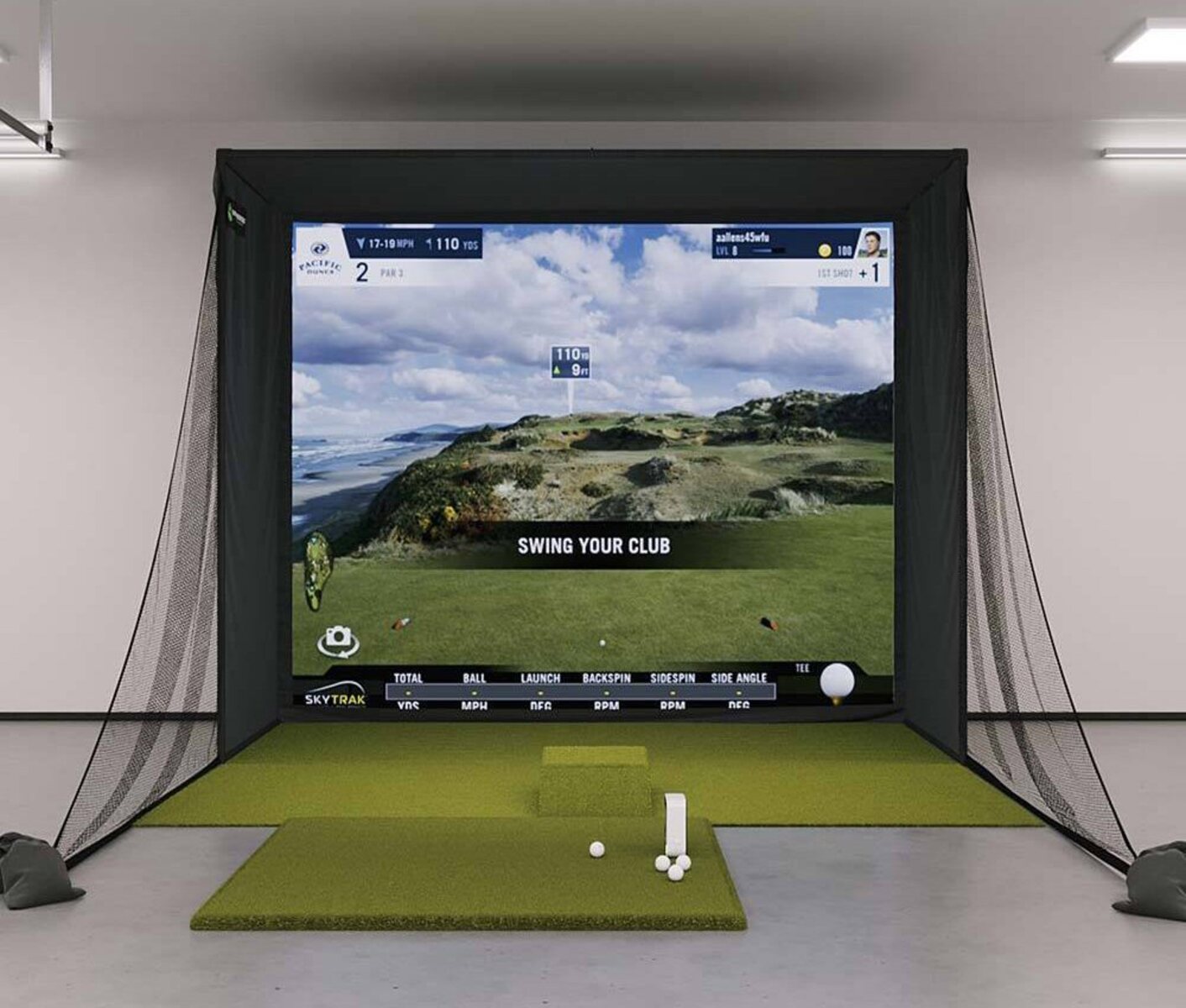
To set up SkyTrak with a projector, you’ll connect your launch monitor to a PC or iPad, then send that video signal to the projector using the correct cable for your device. The key is matching your connection method to your hardware: PC users need a simple HDMI cable, while iPad users must use Apple’s Digital AV Adapter with power pass-through to avoid battery drain.
What you need to set up skytrak with a projector
Before you begin, gather only the essential gear. You’ll need the SkyTrak launch monitor itself, a projector with at least 2,500 lumens for indoor use, a PC or iPad to run the SkyTrak software, the correct video cable or adapter for your device, and a stable mount or flat surface for the projector. A dedicated impact screen or white wall is recommended for clear image display, but it’s not required for basic setup.
How to connect your device to the projector
The connection method depends entirely on whether you’re using a PC or an iPad. For PC users, connect the PC to the projector using a simple HDMI cable for the most stable and least fussy connection. Plug one end into your PC’s HDMI output port and the other into the projector’s HDMI input, then select the correct input source on the projector.
iPad users require Apple’s Lightning or USB-C Digital AV Adapter with an HDMI cable to connect to the projector, ensuring the adapter has power pass-through to prevent battery drain. This means you’ll plug the adapter into your iPad, connect an HDMI cable from the adapter to the projector, and also plug the adapter into a power source using its Lightning or USB-C port. Without power pass-through, your iPad will drain quickly during extended simulator sessions.
Why power pass-through matters for iPad users
The Digital AV Adapter outputs video but also draws power from your iPad. If you skip the power connection, the iPad’s battery will deplete rapidly, often within 30 minutes, while running the SkyTrak app and projecting simultaneously. Always connect the adapter to a wall charger to keep your iPad at full charge.
Positioning and mounting the projector
Select a location that allows the projector to throw an image directly onto your screen or wall without obstruction. Ideally, mount the projector on a ceiling bracket or a sturdy shelf positioned behind and above your hitting area. This placement prevents shadows from your body or club interfering with the projected image.
Secure the projector mount to a ceiling joist or wall stud using appropriate hardware. After mounting, adjust the projector’s tilt and horizontal position so the image fills your screen evenly. Use the projector’s zoom and lens shift features (if available) to fine-tune the image size and alignment.
Level the projector using a bubble level to ensure the image isn’t tilted. If the projector is angled upward or downward, you’ll need keystone correction (covered in the next section) to square the image, but physical alignment is always preferable for maximum resolution and brightness.
Optimizing projector settings for a clear image
Access the projector’s settings menu and adjust brightness to 2,500-3,500 lumens for most indoor setups, but consider over 5,000 lumens for rooms with significant ambient light or larger screens. Start with brightness at the recommended level for your room’s lighting, then increase or decrease based on how washed out the image appears.
Set contrast to 50-60% initially, then adjust until the dark areas of the golf course (like shadows under trees) remain visible without losing detail. Enable keystone correction only if the projector is angled; adjust the vertical and horizontal keystone sliders until the image is perfectly rectangular. However, keep keystone adjustment minimal because it reduces resolution and can introduce blurriness.
Finally, adjust the focus ring on the projector lens until the text and graphics in the SkyTrak software appear sharp. Test with a high-contrast image, such as the SkyTrak home screen, to verify that fine details like yardage numbers are crisp and readable. For best results, run the projector in “Dynamic” or “Sports” picture mode if available, as these modes prioritize brightness and contrast for fast-moving images.
Connecting and calibrating the SkyTrak unit
Power on the SkyTrak by pressing the button on the back. Ensure it’s fully charged (up to 5 hours of operation) or connected via USB to a PC for a constant charge during use. For Wi-Fi connection, press and hold the Wi-Fi button on the SkyTrak until the LED flashes, then connect your PC or iPad to the SkyTrak’s direct Wi-Fi network (named “SkyTrak_XXXX”). Alternatively, connect via your home network/router or use a USB cable for PC-only connection.
Launch the SkyTrak software on your device and log in. If prompted, install any firmware updates. Use the included alignment rod to ensure the unit is level and pointing directly at the ball.
Complete the calibration process by hitting at least five practice shots. The software will guide you through this, requiring you to hit a ball and confirm that the data (ball speed, launch angle, carry distance) matches your expectations. If the numbers seem off, adjust the SkyTrak’s height or angle slightly and re-test. After calibration, verify that the projected image aligns with your hitting area, the ball should appear in the center of the screen, and the target line should match your actual aim.
Troubleshooting common setup problems
If the projected image appears blurry, first adjust the focus ring on the projector. If it remains soft, check that the projector’s native resolution matches your device’s output (set your PC or iPad to 1080p for best results). For a blurry image that’s also distorted, use keystone correction to square the image, but remember that physical alignment is always better.
When the projector shows “No Signal,” verify that the correct input source is selected (HDMI 1, HDMI 2, etc.). For PC users, press Windows+P and select “Duplicate” or “Extend” to send the signal to the projector. For iPad users, ensure the Digital AV Adapter is firmly seated and that the HDMI cable is connected to the adapter, not directly to the iPad. If the issue persists, try a different HDMI cable, some cables are not rated for 1080p and can drop the signal.
Inconsistent shot tracking usually stems from the SkyTrak’s position or lighting. Make sure the unit is level and exactly 12 inches behind the ball. Reduce ambient light from Windows or overhead fixtures that might interfere with the infrared sensors. If tracking still fails, clean the SkyTrak’s lens with a microfiber cloth and ensure no debris is on the hitting surface.
iPad battery drain during use is almost always caused by the Digital AV Adapter lacking power pass-through. If you’re using the correct adapter but still experiencing drain, check that the power cable is connected to the adapter’s Lightning/USB-C port and plugged into a working wall charger. Avoid using a computer USB port for power, as it may not provide enough wattage to charge while outputting video.
For persistent connection issues, restart both the SkyTrak and your device. On the SkyTrak, hold the power button for 10 seconds to force a shutdown, then power it back on. If problems continue, consult the SkyTrak help center or online forums for device-specific advice.
Once everything is working, take a few practice swings to verify that the projected image stays aligned and the data is accurate. Fine-tune the projector’s brightness and contrast based on how the course looks in your specific room lighting. With the correct connections, positioning, and calibration, your SkyTrak and projector setup will deliver a reliable, immersive golf simulator experience.
\nRelated reading: How To Use Onn Projector, How To Use Benq Projector, and How To Hack A Projector.