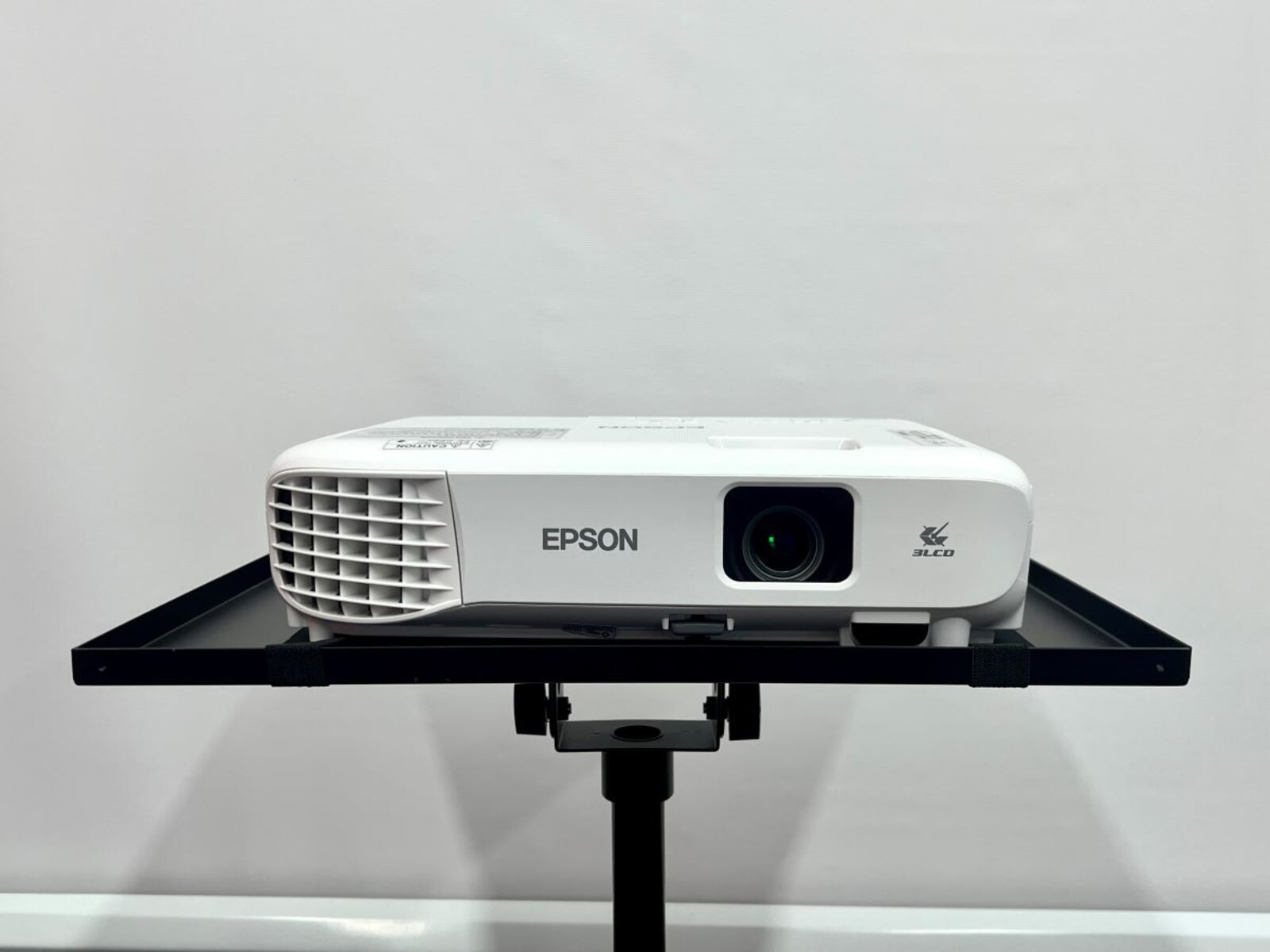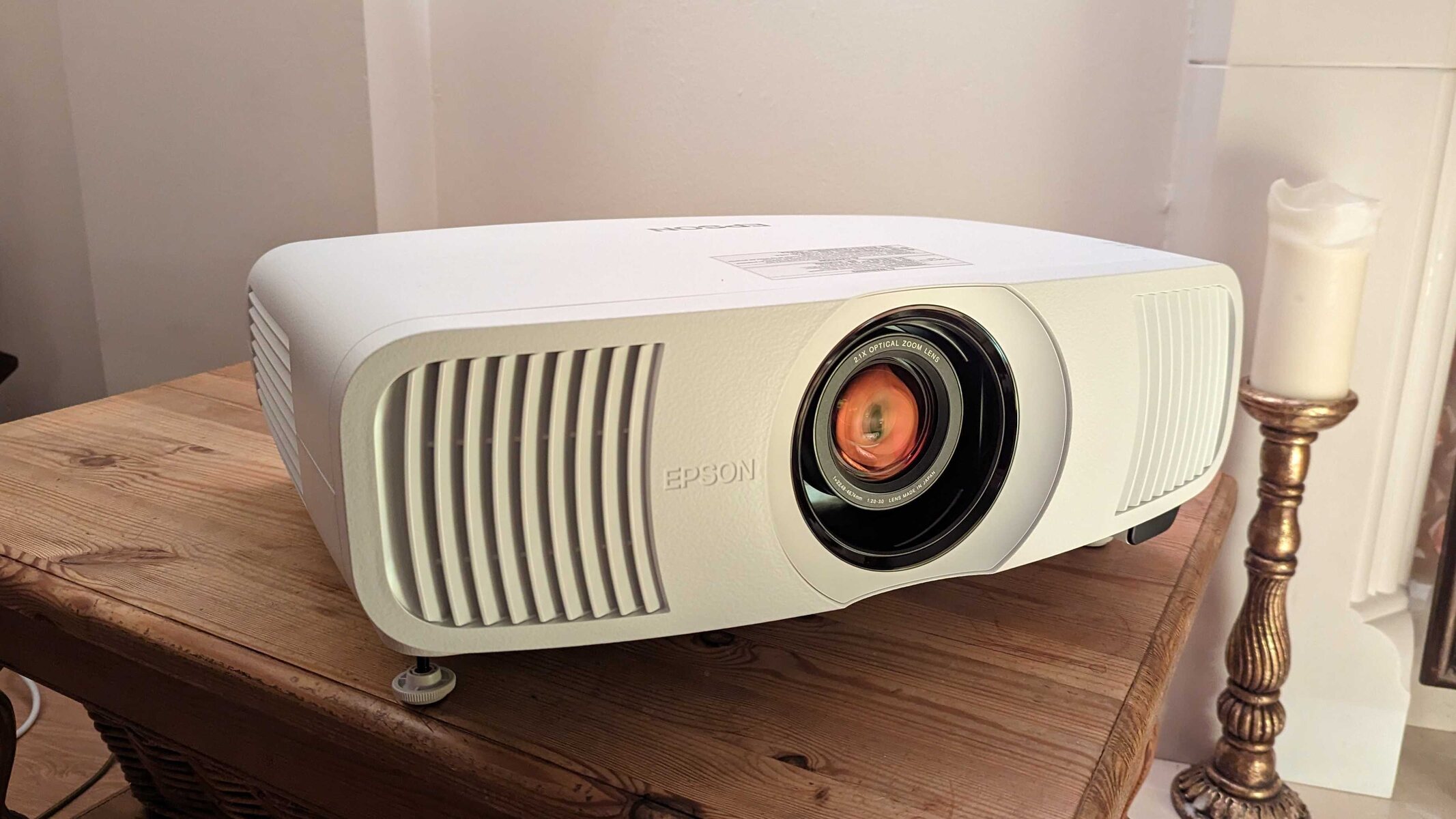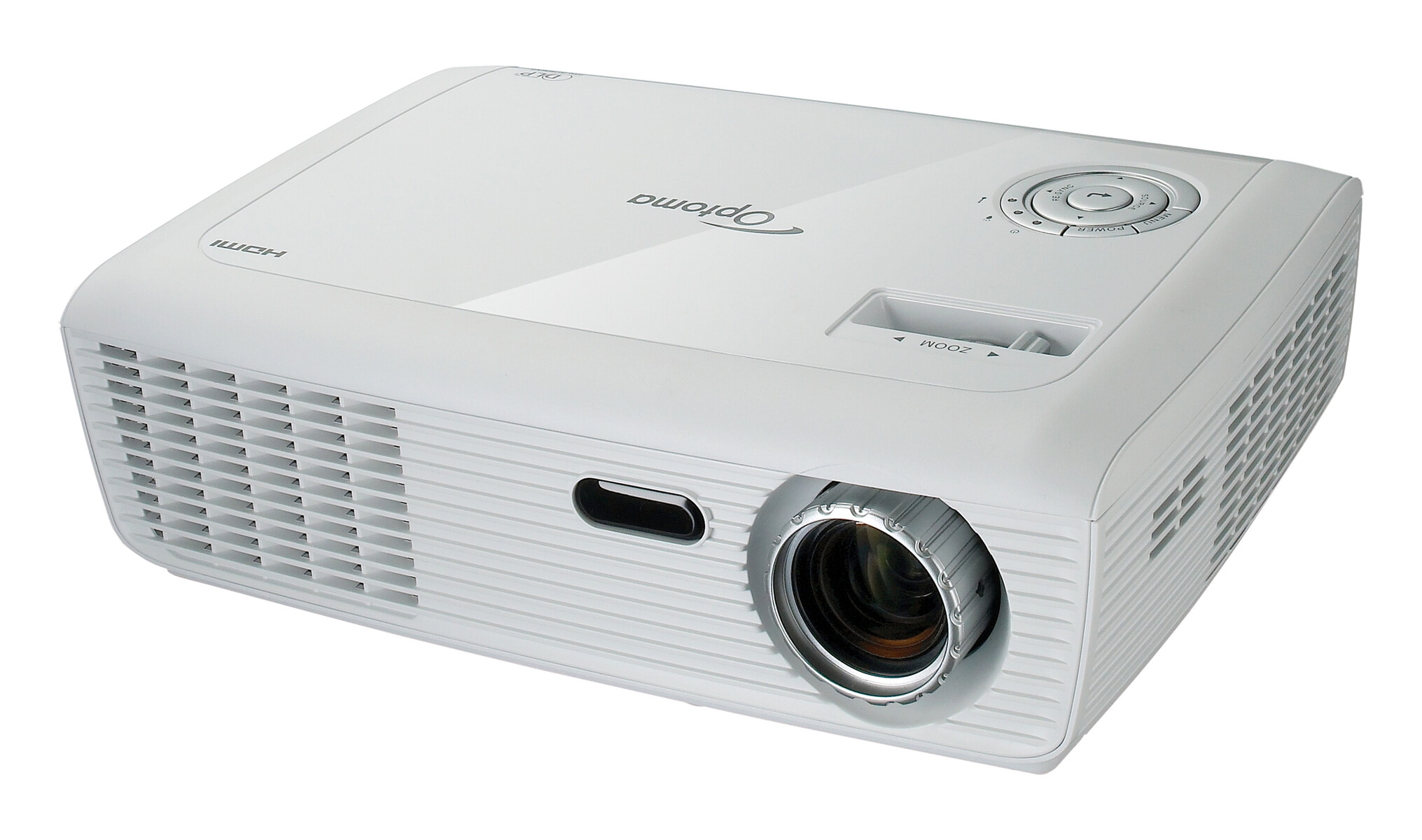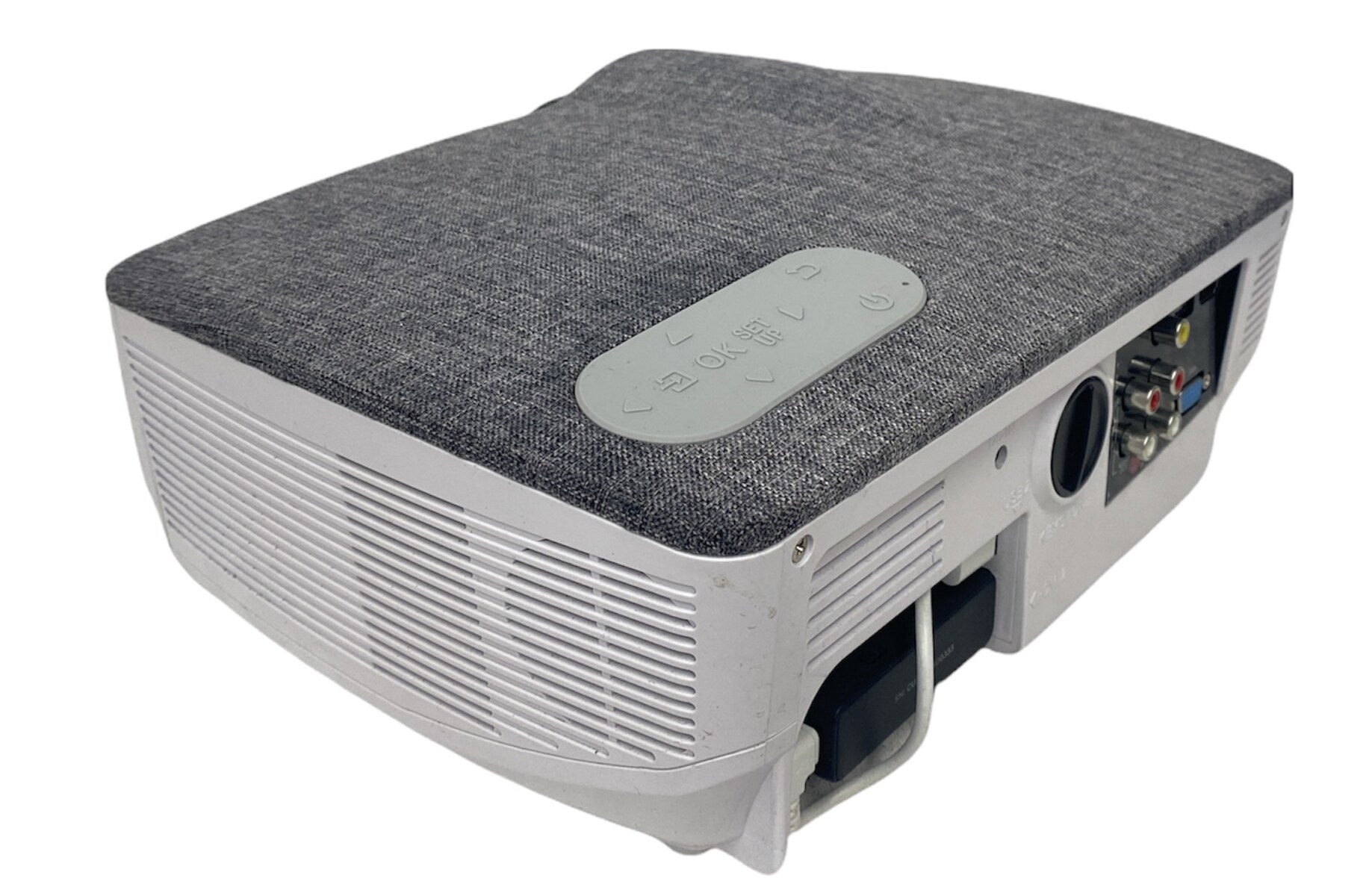
To use an Onn projector, place it on a stable, flat surface with proper ventilation, connect the power adapter to the DC IN port, and remove the lens cap before powering on. Then, connect your device via HDMI, VGA, AV, USB, or MicroSD, and press the power button followed by the Source button to select the correct input.
Before you start: how to use your onn projector
Before you begin, complete these three critical actions to avoid common setup issues. First, place the projector on a stable, flat surface that allows adequate airflow around the vents, this prevents overheating during extended use. Second, connect the included AC/DC power adapter to the projector's "DC IN" port, then plug the other end into a working power outlet. Third, remove the lens cap from the front of the projector; this is a frequent oversight that results in a black screen and wasted time.
Connecting your devices to the onn projector
Your Onn projector offers multiple input options to accommodate different devices. For the best quality, use an HDMI cable (ports labeled HDMI1, HDMI2, or HDMI3) to connect a Roku, laptop, gaming console, or Blu-ray player. If your computer only has a VGA output, connect it to the 'VGA PC Input' port using a VGA cable. For older AV devices, use the included 3.5mm-to-RCA adapter and plug it into the 'AV In' port. To play media directly from a USB drive, insert it into the 'USB 1' or 'USB 2' port, or use the 'MicroSD' slot for a memory card. If you have a Roku Streaming Stick, check for a dedicated compartment on the projector, insert the stick there, then select the Roku input when you power on.
Turning on and setting the input source
Press the power button on the top of the projector or on the remote control to turn it on. Once the unit is powered, press the 'Source' button (on the projector or remote) to cycle through available inputs: HDMI 1, HDMI 2, HDMI 3, VGA, USB, MicroSD, and AV. Continue pressing until you reach the input that matches your connected device. For example, if your Roku is plugged into HDMI1, select 'HDMI 1'. The projector will display the signal from that device within a few seconds.
Adjusting the image: focus, keystone, and size
After selecting the correct input, adjust the image for optimal clarity. Rotate the focus knob (located near the lens) until the projected image appears sharp and detailed. If the image looks like a trapezoid (wider at the top or bottom), use the keystone adjustment dial, typically near the focus knob, to straighten the edges until the image is perfectly rectangular. To change the image size, move the projector closer to or farther from the screen. For 1080p models, you can achieve a screen size from 32 to 210 inches; for 720p models, position the projector 4.5 to 16.5 feet away for up to a 150-inch image. Use the adjustable foot at the bottom to tilt the projector upward if needed, then re-adjust focus and keystone for the best result.
Getting sound from the onn projector
The Onn projector has a built-in speaker that outputs audio from your connected device. Use the volume buttons on the remote or the projector's control panel to adjust the loudness. If you prefer external audio, connect powered speakers or a soundbar to the 'AUDIO AV OUT' port using a 3.5mm audio cable. This port is often shared with the AV input, so check the label near the port, if you used the AV adapter for video, use the same port for audio out by switching the adapter. For a more immersive experience, you can also connect Bluetooth headphones or speakers if your specific Onn model supports Bluetooth (check your manual for wireless audio options).
Troubleshooting when there is no image
If you power on the projector but see no image, follow this flow to isolate the problem. First, confirm the power connection: ensure the adapter is firmly plugged into the DC IN port and the wall outlet, and that the outlet is working (test with another device). Second, verify the lens cap is completely removed, it is easy to forget when the projector is placed low. Third, check that the input source matches your connected device; press the 'Source' button and cycle through all options (HDMI 1, HDMI 2, VGA, USB, etc.) to ensure you didn't select the wrong one. If the image still doesn't appear, inspect the cable connections, reseat the HDMI or VGA cable on both ends. For media playback from USB or MicroSD, confirm the file format is supported and the drive is formatted as FAT32. If none of these steps work, try a different cable or port, and ensure the projector's firmware is up to date via the manufacturer's website.
\nRelated reading: How To Use Benq Projector, How To Set Up Skytrak With Projector, and How To Hack A Projector.