To get back to cable TV on your Samsung Smart TV, you need to switch the input source to the physical port where your cable box or coaxial cable is connected, not install an app. The process is about selecting the correct HDMI or ANT input, which restores live TV from your provider without needing an internet connection or streaming app.
How to get back to cable TV on your Samsung smart TV by switching the input source
Getting back to cable TV on your Samsung smart TV is a hardware connection task, not a software one. Unlike streaming apps that require downloads and logins, cable TV arrives through a physical cable, either from a set-top box via HDMI or directly from the wall via a coaxial cable. Your TV simply needs to be told which port to listen to, and that’s done through the input/source menu. If you need to switch from a smart hub app back to a live broadcast, you can get back to regular TV on my Samsung smart TV without reconnecting any cables, and the same method helps you get back to regular TV from smart TV on other brands too. This guide walks you through connecting the cable, switching inputs, scanning channels if needed, and fixing common issues so you can resume watching live TV in minutes.
Connect your cable box or coaxial cable to the TV
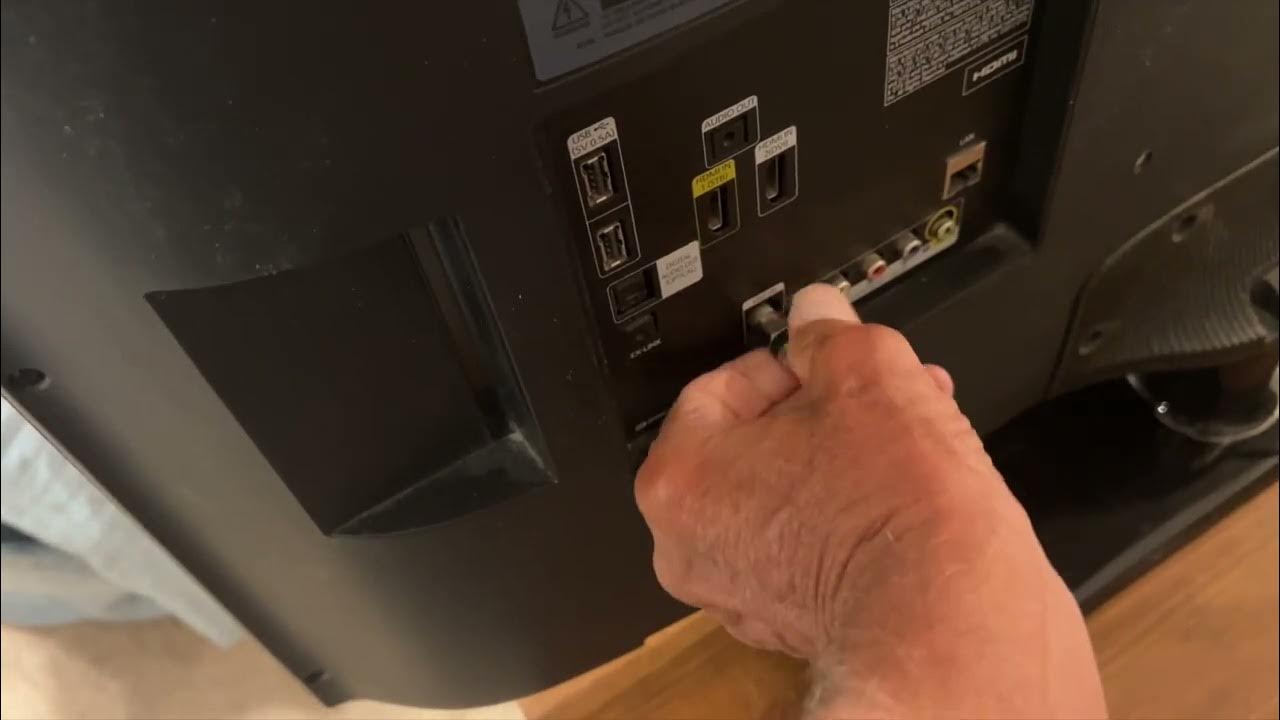
First, identify what type of cable service you have. If you have a cable box (a separate device provided by your cable company), connect an HDMI cable from the box’s “HDMI Out” port to any “HDMI IN” port on your Samsung TV or One Connect Box. If you have basic cable without a box, connect a coaxial cable from the wall outlet directly to the “ANT IN” port on the back of your TV or One Connect Box. For TVs with a One Connect Box, all external cables, including HDMI and coaxial, must go into the One Connect Box, not the TV itself. Ensure the connections are snug at both ends before powering on.
Switch to the cable input using your Samsung remote
Once the physical connection is secure, use your remote to select the correct input. There are two ways depending on your remote model.
Using the Source button on standard remotes
If your remote has a dedicated “Source” button, press it to open the input list. Cycle through the available inputs (HDMI 1, HDMI 2, AV, etc.) until you highlight the one connected to your cable box or coaxial cable. Press the center button to confirm. The TV will immediately display whatever signal is coming from that port.
Using the Home button on newer Smart Remotes
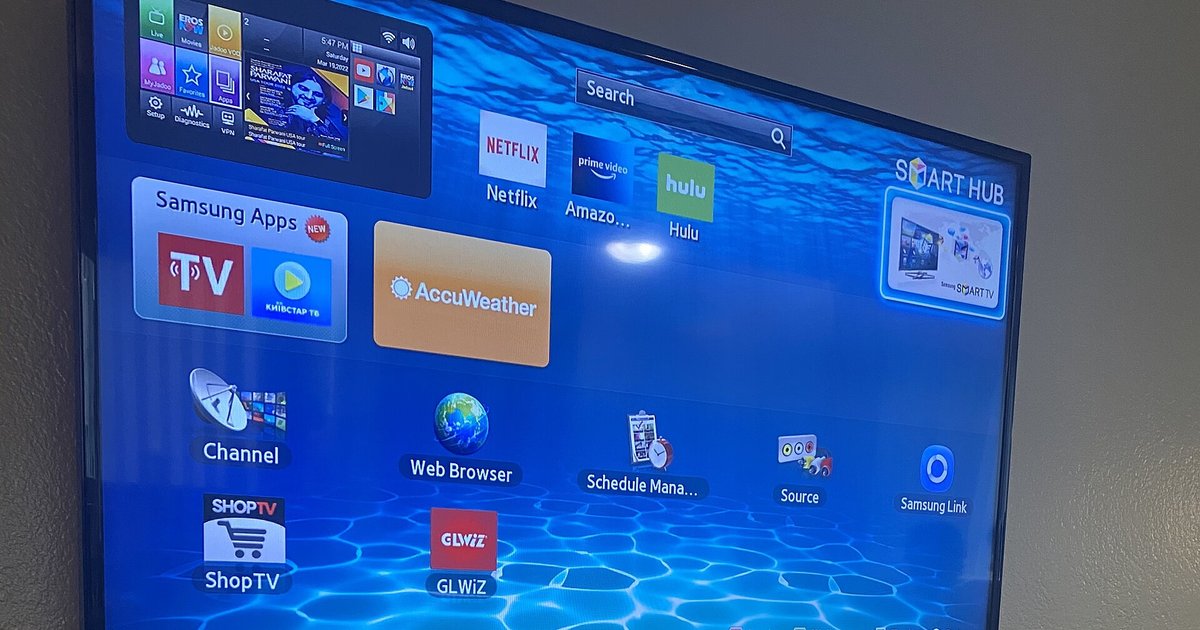
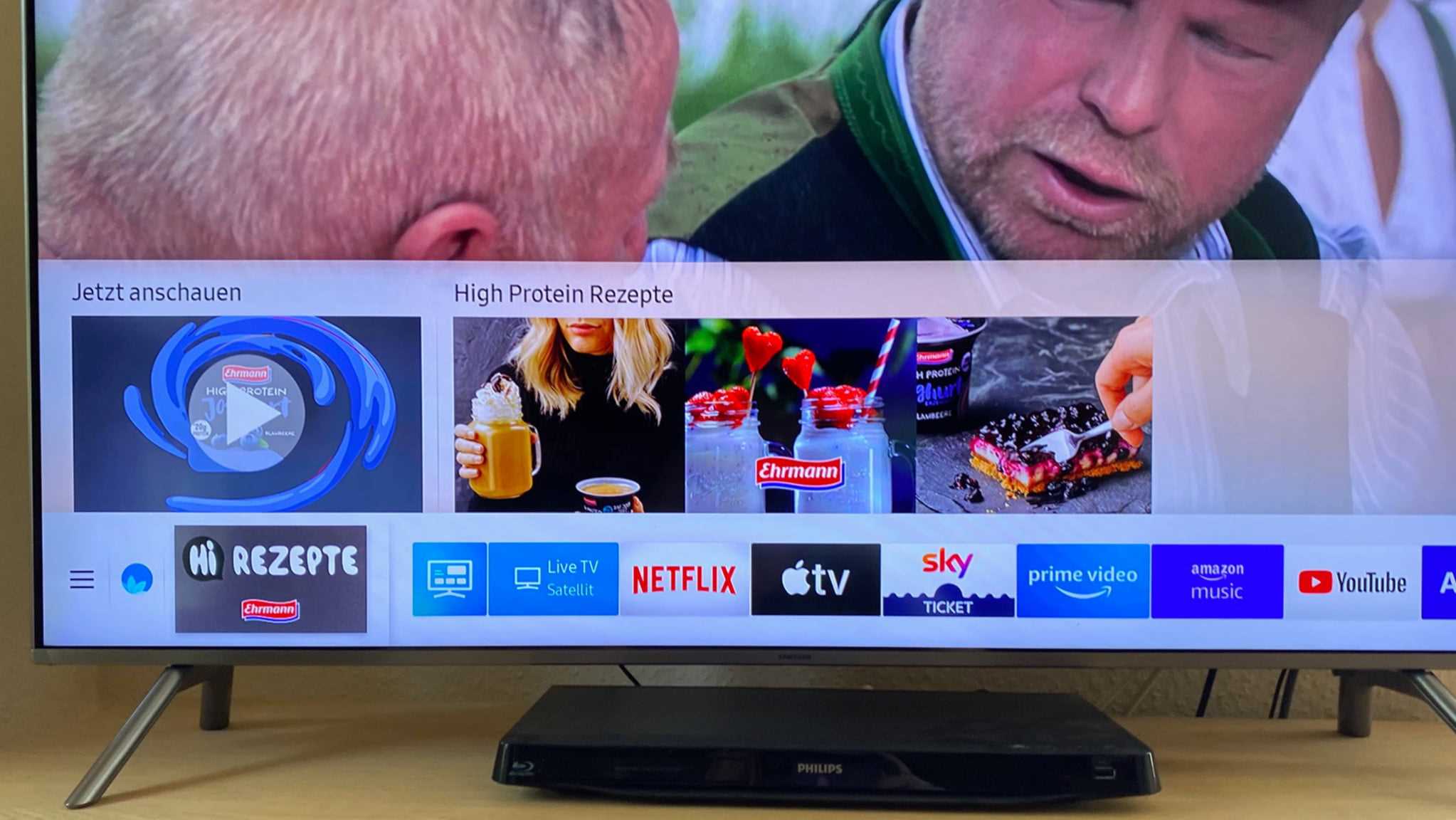
On newer Samsung Smart Remotes that lack a dedicated Source button, press the “Home” button to open Smart Hub. Navigate to the left sidebar and select “Connected Devices.” You’ll see a list of all active inputs, choose the one labeled with your cable box or the ANT port. Alternatively, you can press Home, go to “Menu,” then select “Connected Devices” to access the same list. If the TV detects a device on an HDMI port, it may automatically switch to that input and even rename it (e.g., “Cable Box”) for easy identification.
Scan for channels when using a direct coaxial connection
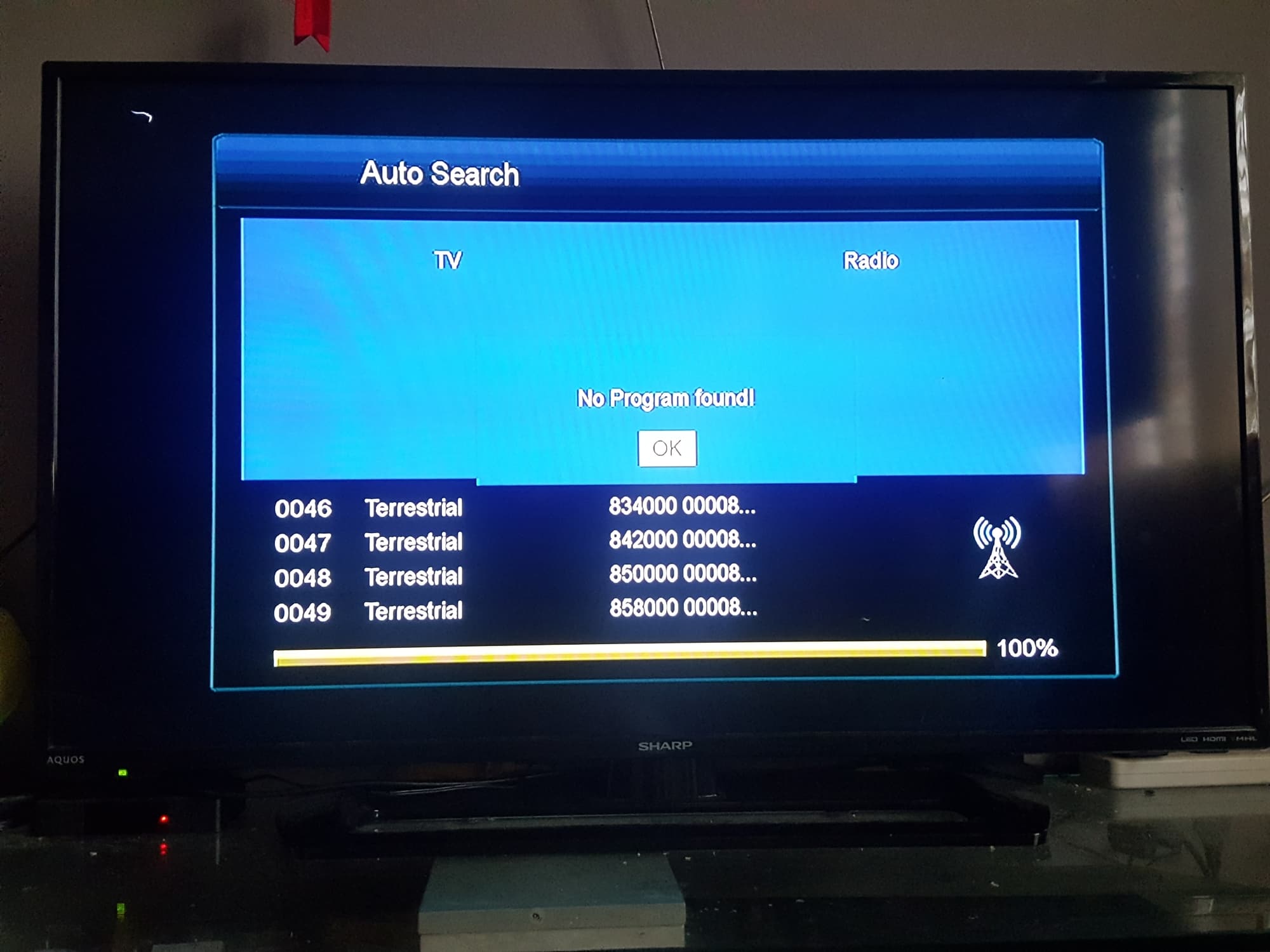
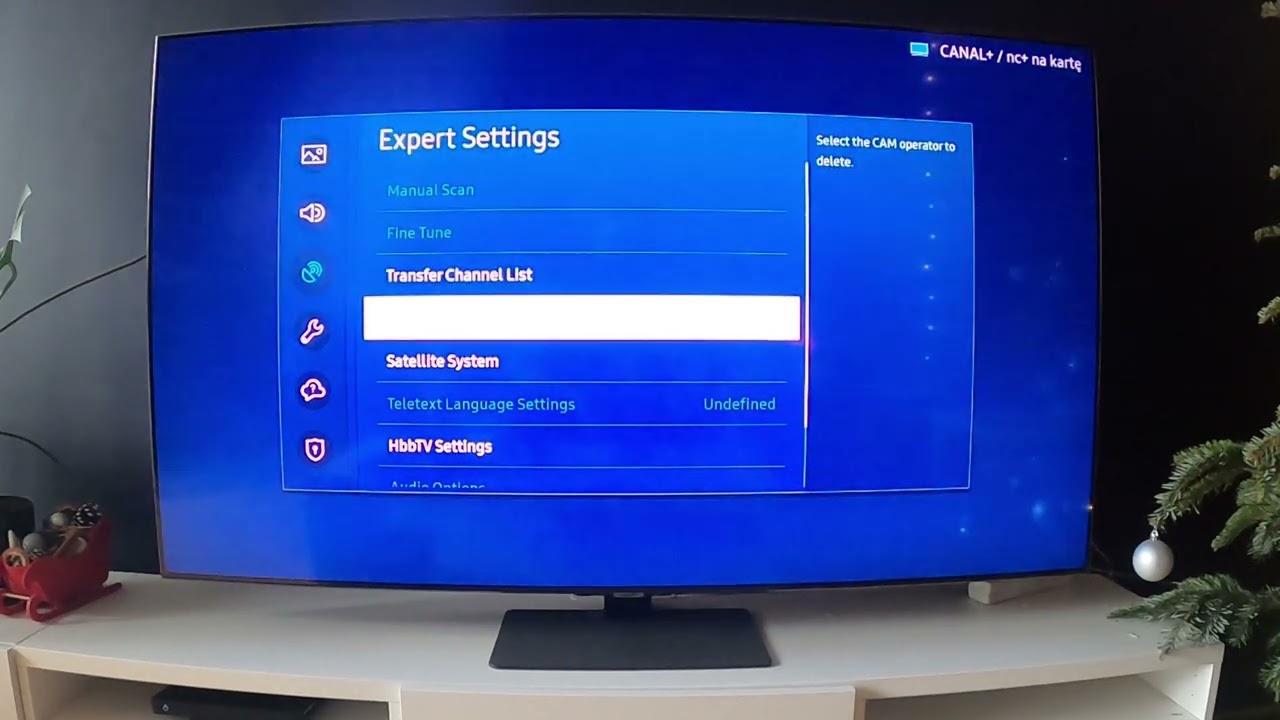
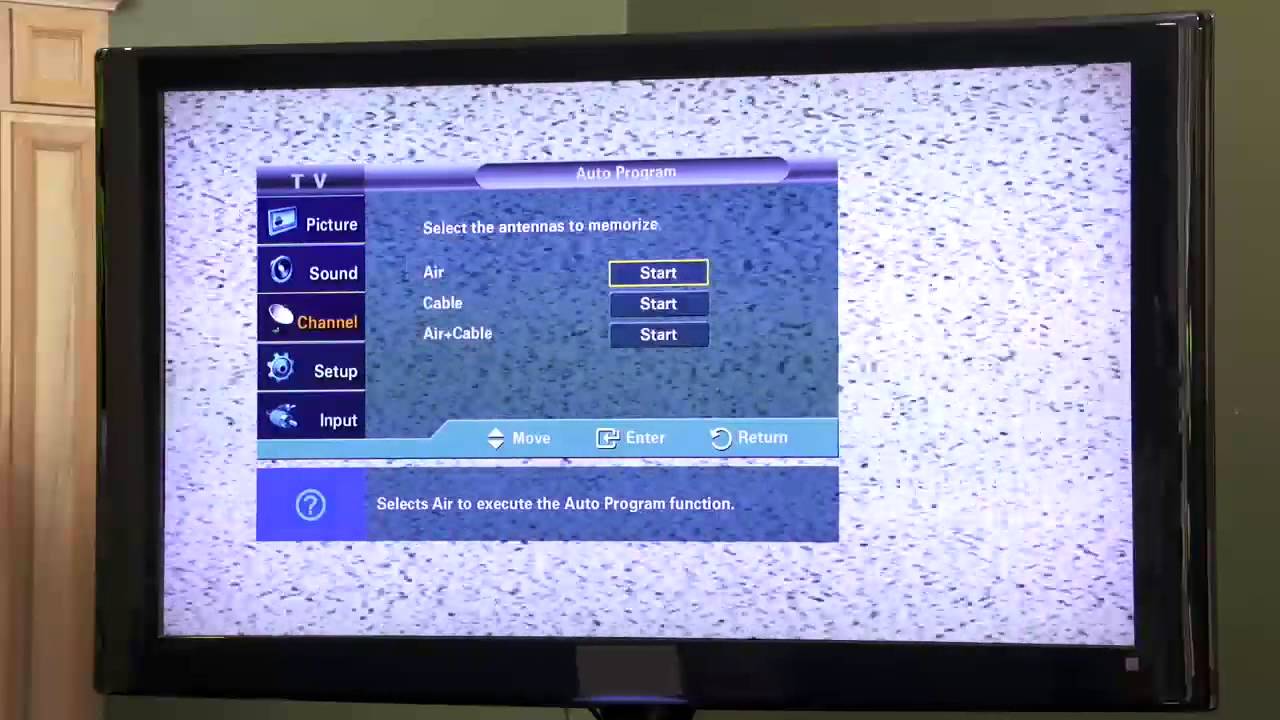
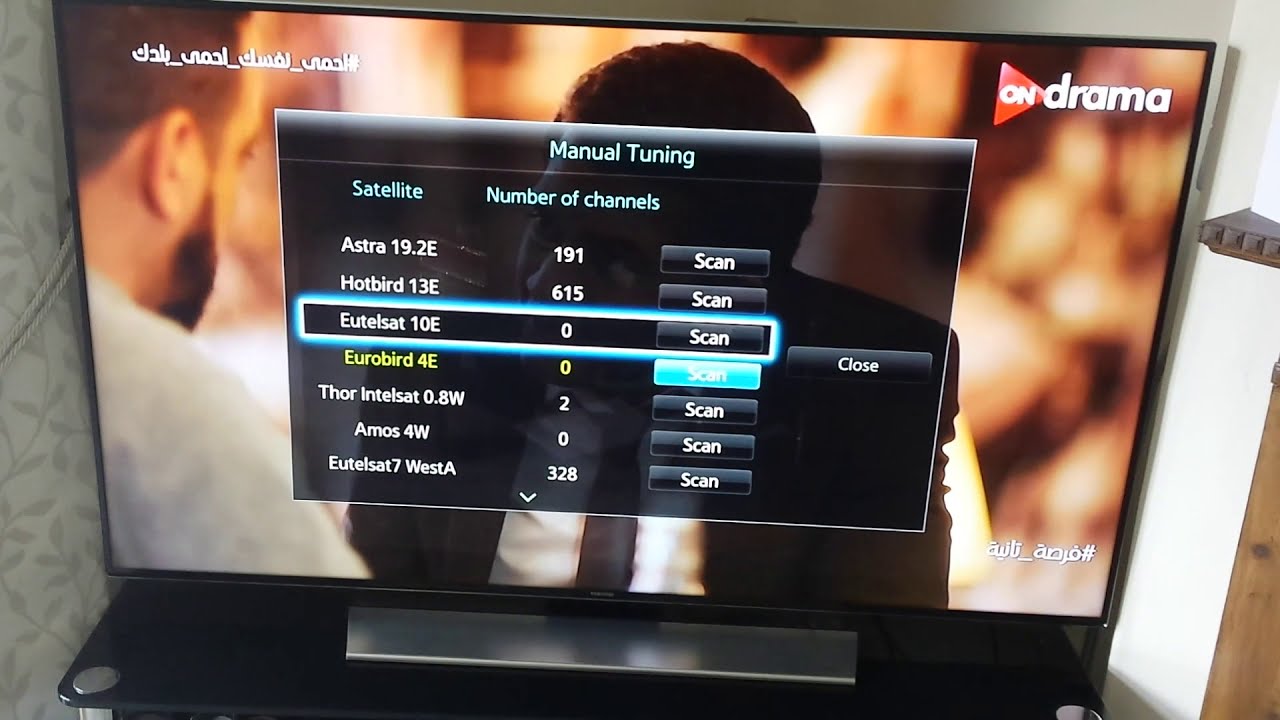
If you’re using a coaxial cable directly from the wall (no cable box), the TV won’t automatically find channels, you must run a channel scan. Go to “Settings,” then “All Settings” (on 2021 and older models, skip “All Settings” and go straight to “Broadcasting”). Select “Broadcasting” and then choose “Auto Program.” The TV will search for all available cable channels and store them. This step is essential because without it, the ANT input will show a blank or “No Signal” screen even though the cable is connected. After the scan completes, you can switch to the ANT input and browse the found channels.
Troubleshoot when the cable input doesn't show up
If you’ve selected the correct input but see no picture, work through these checks in order. First, verify the cable box is powered on, many boxes have a standby light that indicates power. Next, confirm both ends of the HDMI or coaxial cable are firmly inserted; a loose connection is the most common cause. Try a different HDMI port on the TV (e.g., switch from HDMI 1 to HDMI 2) and reselect that new input. Finally, check Samsung’s Anynet+ (HDMI-CEC) settings, if enabled on both the TV and the cable box, the TV may automatically switch to the box’s input when the box turns on, but if it’s misconfigured, it can cause input conflicts. Disable Anynet+ temporarily to rule that out, then re-enable it if needed.
Optional tips for an easier cable TV experience
To make switching back to cable TV smoother in the future, consider a few tweaks. If your cable box is connected via HDMI, the TV may automatically recognize it and switch to that source when you power on the box, thanks to HDMI-CEC. This eliminates the need to press the Source button every time. Also, remember that cable TV does not require an internet connection; your Samsung Smart TV functions as a standard TV when using the ANT or HDMI input, so even if your Wi-Fi is down, you can still watch live cable channels. This is especially useful for watching live TV on a smart TV without worrying about streaming buffering or data caps.