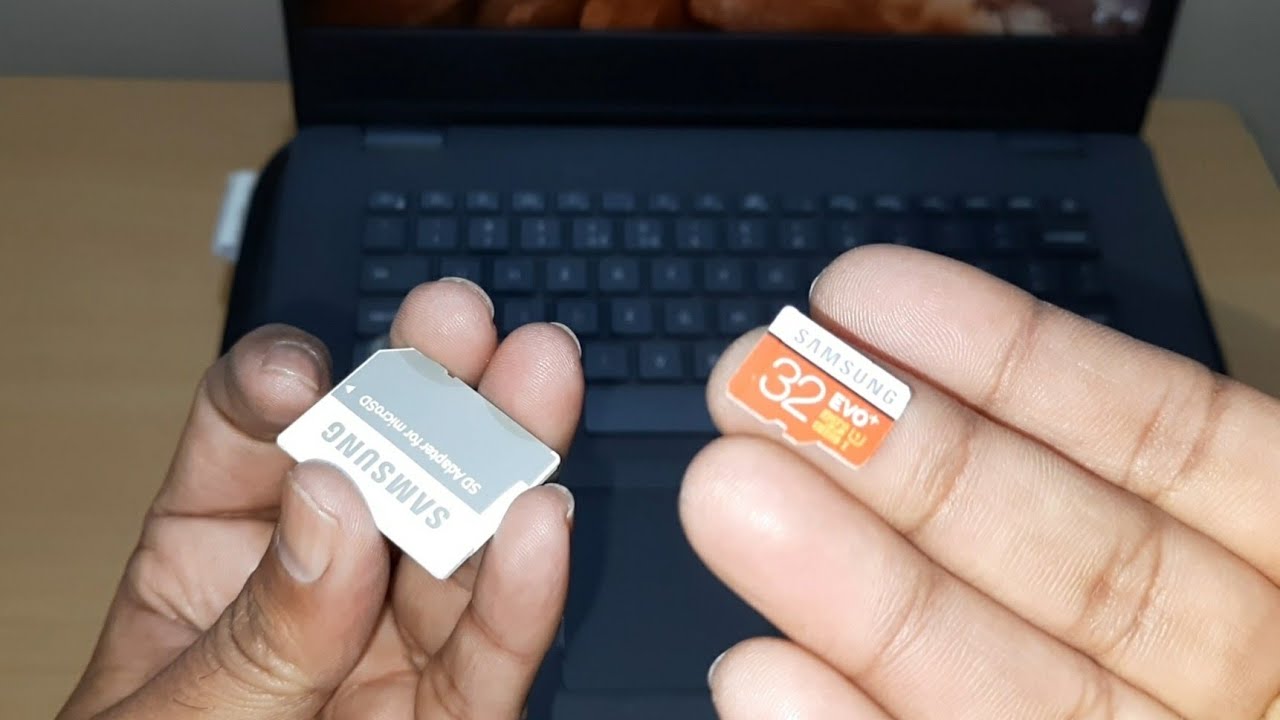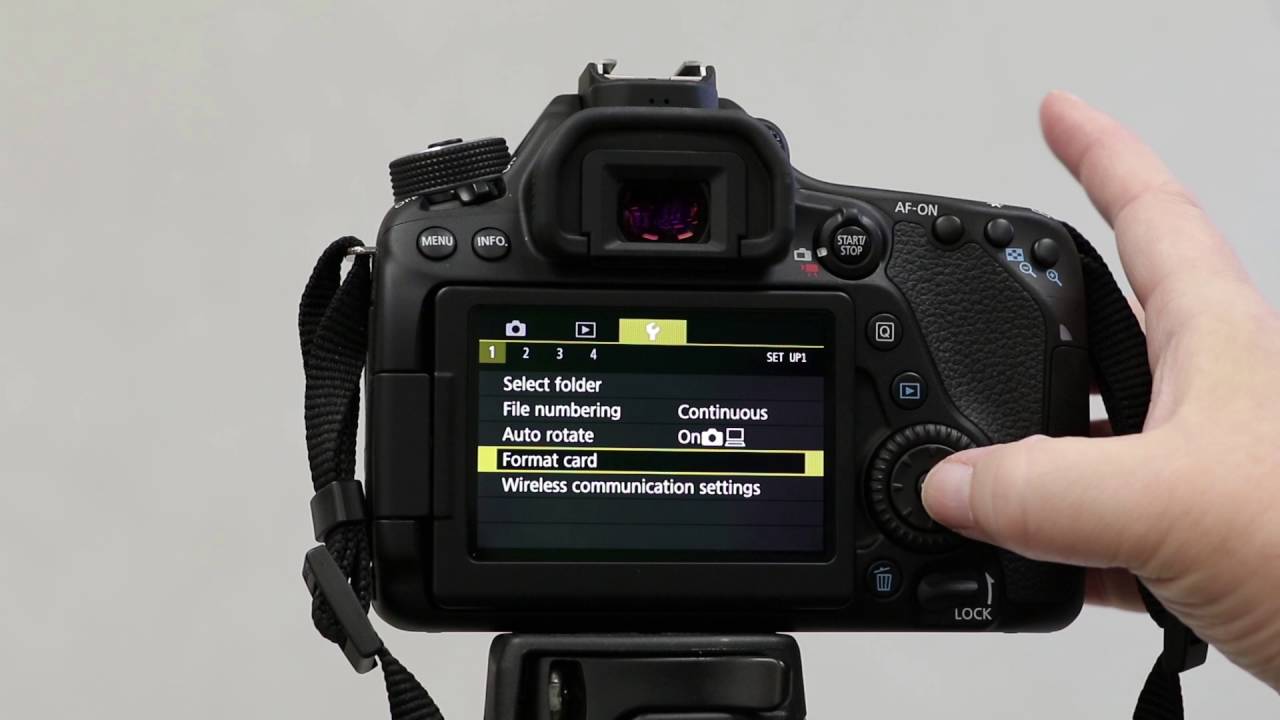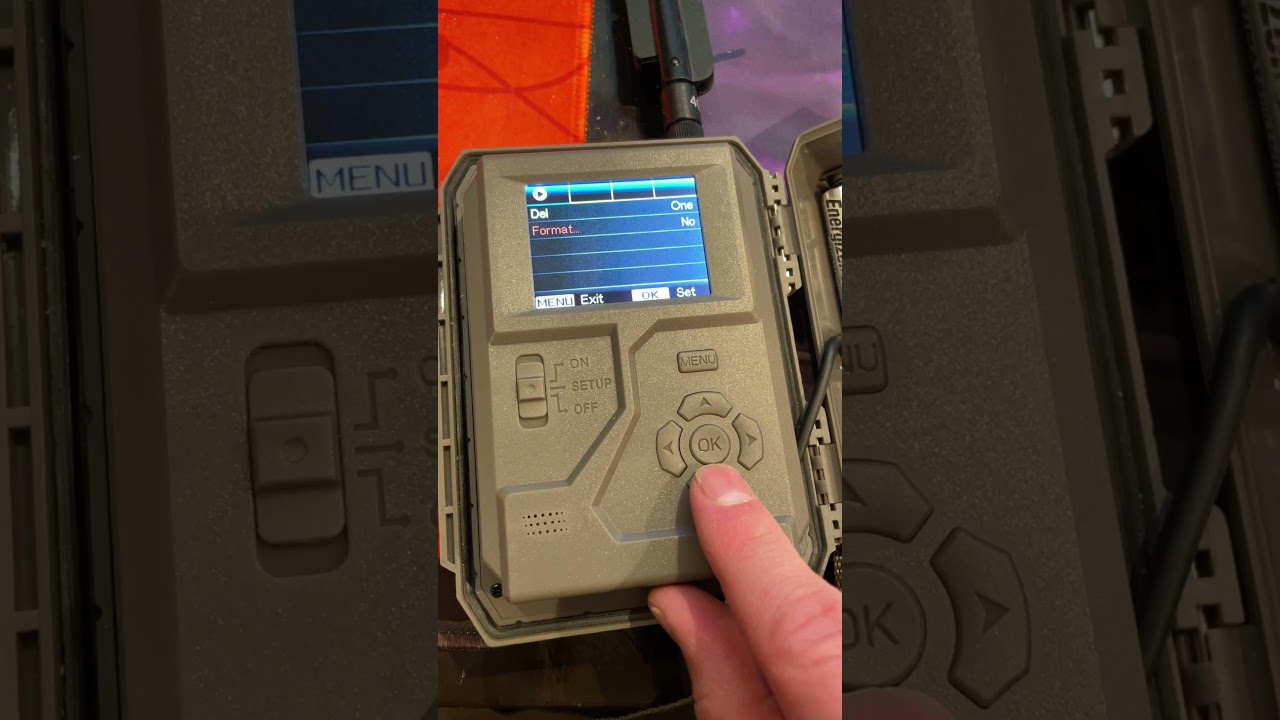
To clear SD card on Tactacam Reveal X, you must format it using a computer, never the camera's own menu. The correct method is to power down the camera, remove the SD card, and connect it to a Windows PC or Mac, where you'll reformat it with the proper file system. This is the only reliable way to wipe the card completely and avoid the file corruption that can happen when you delete files individually on the camera.
Why you need to clear your SD card on a tactacam reveal x
Your Tactacam Reveal X writes continuously during use, and a full or fragmented SD card will cause the camera to stop recording, freeze, or even corrupt existing files. Formatting the card resets its file structure, which prevents these errors and ensures the camera can write new photos and videos without interruption. Back up any important files first, formatting permanently erases everything on the card, and there is no recovery after the process. If you skip this maintenance, you risk losing the very footage you set the camera to capture, so clearing the card regularly is a non-negotiable part of owning a Reveal X.
Step 1: Turn off the camera and remove the SD card
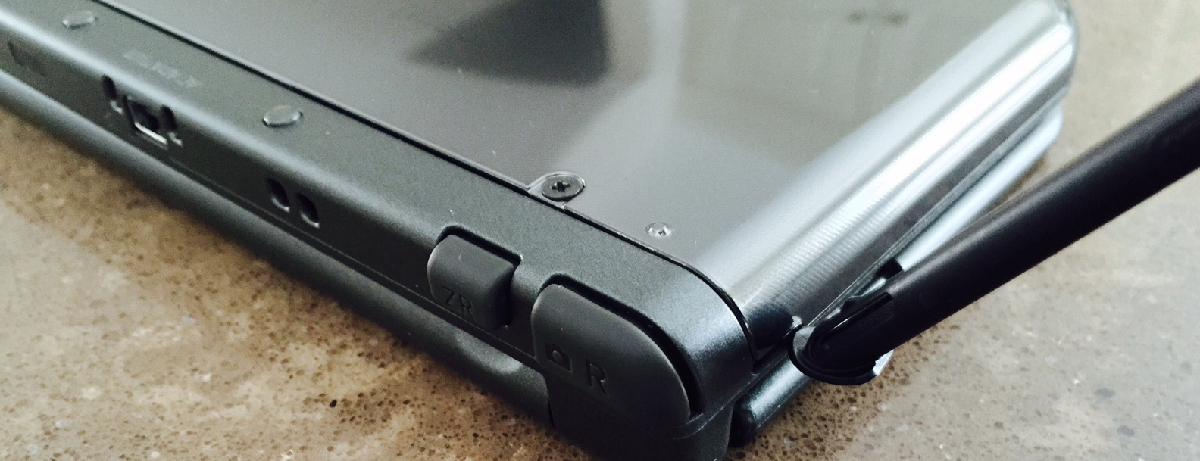
Power down the Tactacam Reveal X completely, do not just let it sleep. Press and hold the power button until the screen goes dark, then wait a few seconds. Open the rubber port cover on the bottom of the camera and gently push the SD card inward until it clicks, then release. The card will pop out slightly; pull it straight out. Never remove the card while the camera is on, as this can corrupt the data or damage the card’s file system.
Step 2: Insert the SD card into your computer
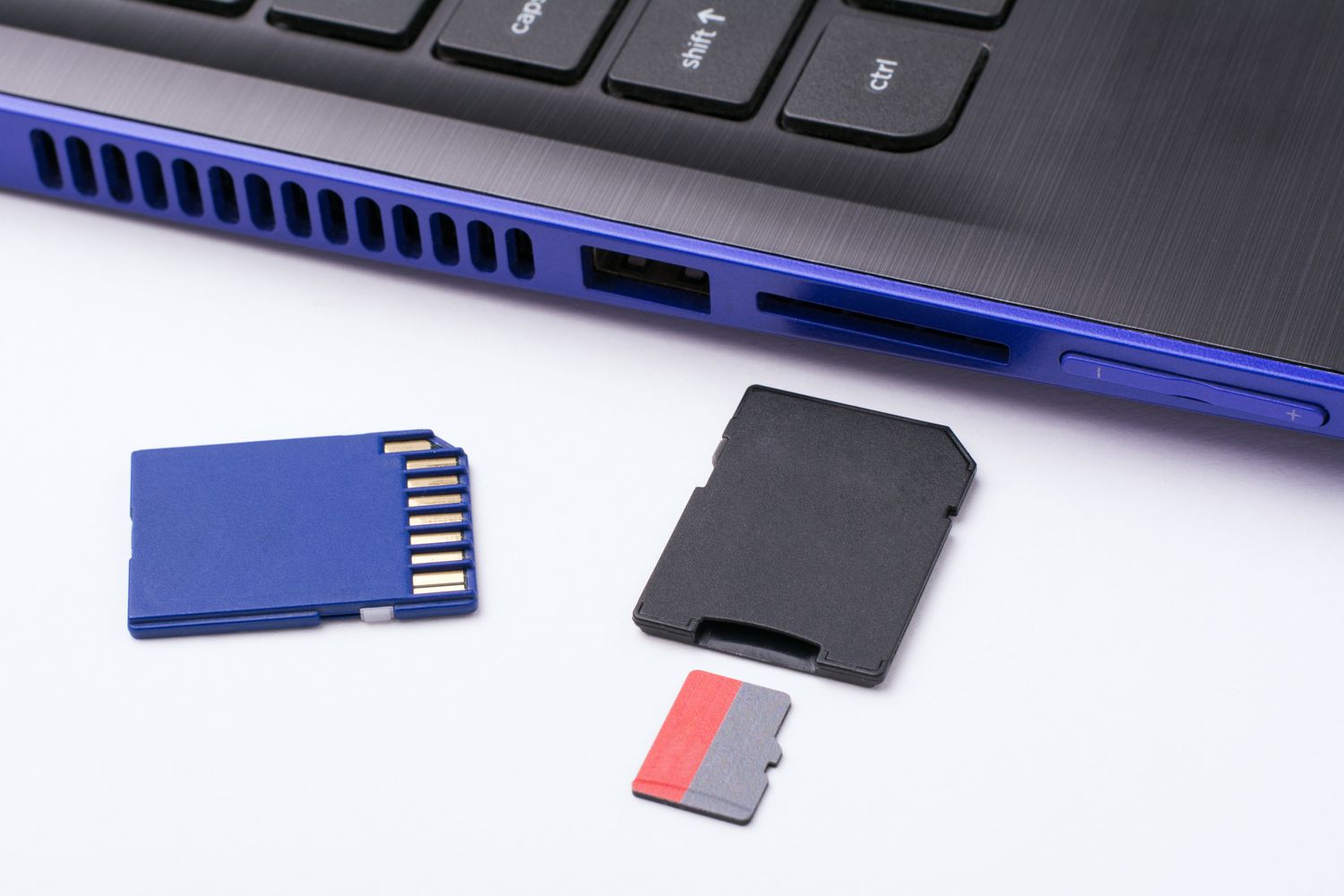
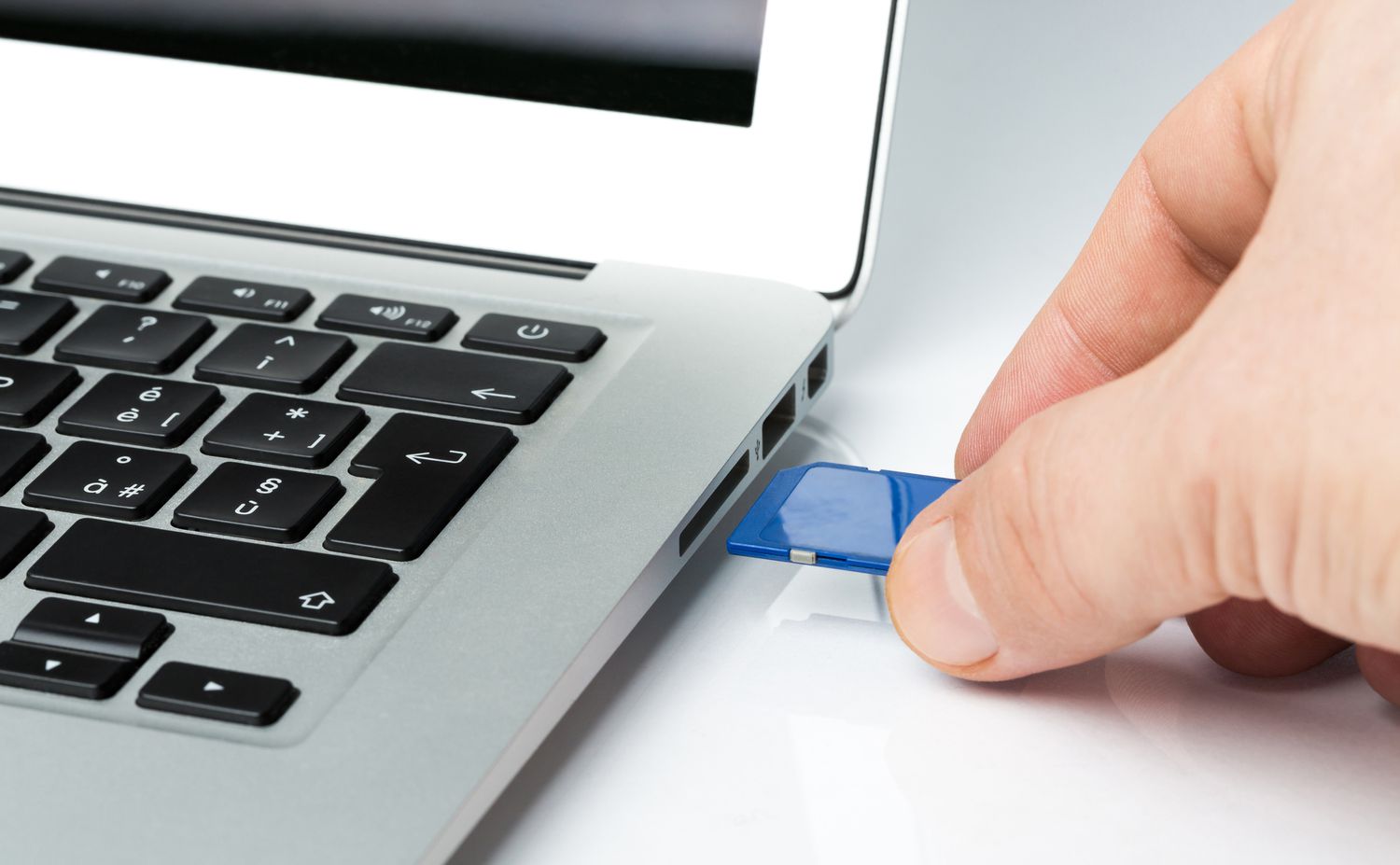
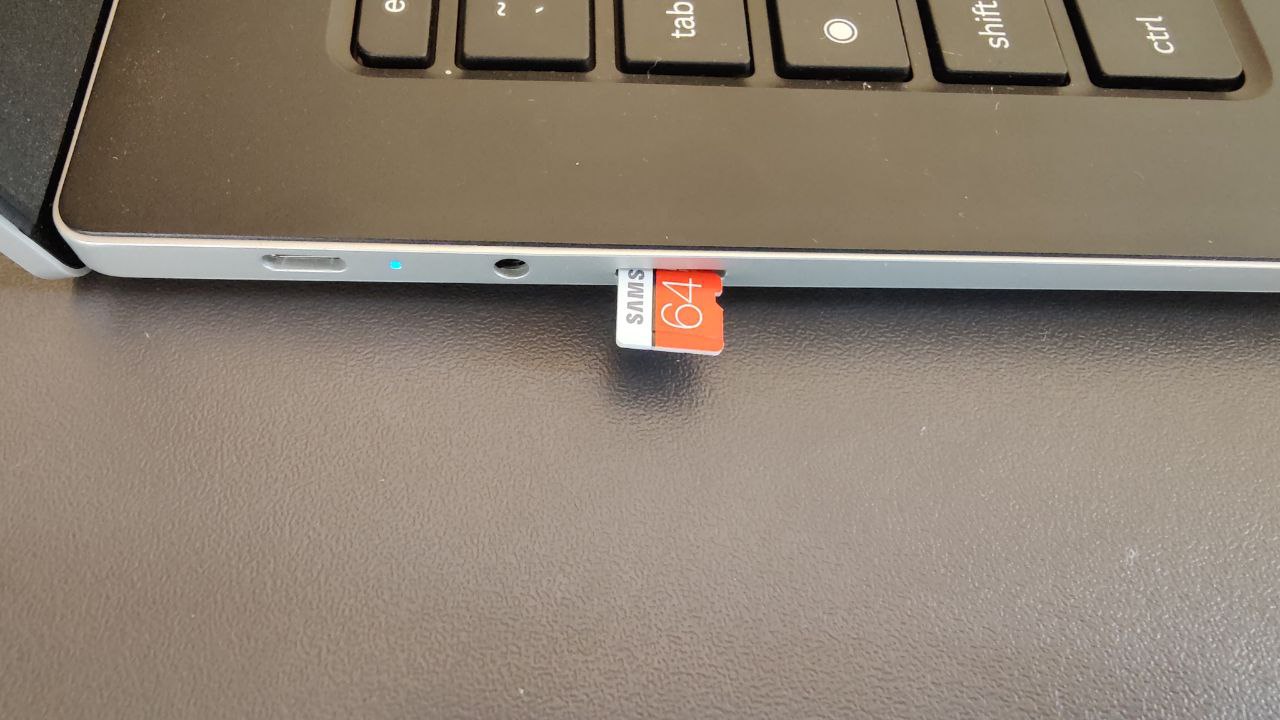
If your laptop or desktop has a built-in SD card slot, insert the card directly, it will click into place. If you don’t have a slot, use a USB card reader (most are plug-and-play). On Windows, open File Explorer (Win + E) and look for the SD card under “This PC.” On a Mac, open Finder and look for the card under “Locations” in the sidebar. Wait a few seconds for the system to recognize the card; if nothing appears, try reinserting it or using a different port.
Step 3: Format the SD card on Windows
In File Explorer, right-click the SD card drive (usually labeled “Removable Disk” or the card’s brand name) and select “Format” from the context menu. In the pop-up window, choose “FAT32” for SD cards 32GB or smaller, or “exFAT” for larger cards. Ensure “Quick Format” is checked for a fast format, or uncheck it for a thorough (longer) format. Click “Start” to begin the formatting process. A warning will appear that all data will be erased, click “OK” to proceed. Once the progress bar finishes, click “OK” again to close the window.
Step 4: Format the SD card on a Mac
In Finder, right-click the SD card icon in the sidebar and select “Format” from the dropdown menu. In the dialog that appears, choose “MS-DOS (FAT)” for FAT32 or “exFAT” if the card is larger than 32GB. Leave the name as “UNTITLED” or rename it if you prefer. Click “Erase” to format the card. The process takes only a few seconds for a quick format. When the confirmation appears, click “Done” to close the window.
Step 5: Safely eject and reinsert the SD card
Before removing the card, always eject it properly to prevent corruption. On Windows, click the “Safely Remove Hardware” icon in the system tray and select “Eject.” On a Mac, drag the SD card icon to the Trash (which changes to an Eject icon) or press Cmd+E. Wait for the system to confirm it’s safe to remove, then pull the card out. With the Tactacam Reveal X still powered off, insert the card into its slot, pushing gently until it clicks. Close the port cover, then power the camera on. Your card is now clean and ready for a full season of captures.
\nRelated reading: How To Make SD Card Bootable, How To Clean SD Card, and How To Use An SD Card Reader.