To check Discord logs, you need to understand that the term refers to three distinct things: message history in a channel, the server Audit Log for moderation actions, and console or debug logs for technical troubleshooting. Discord does not provide a personal activity log for your own account, so you cannot track your login history, password changes, or server joins and leaves through any in-app feature. If you need to access your account in the first place, you can log in to Discord on browser without installing the desktop app. If you want to investigate someone else's presence, you can see what servers someone is in Discord using mutual connections and external tools.
What you need to know before you check Discord logs
Before you start, it is critical to distinguish between the three types of logs. Message history is simply the past conversations in a text channel, which any member can scroll through. The Audit Log is a server-level record of moderation and configuration changes, and it requires a specific permission to view. Console or debug logs are developer tools used for troubleshooting the Discord client itself. Discord does not offer a personal audit log for individual users, so you cannot review your own account activity like username changes or login locations. If you are trying to recover a private conversation, you may be able to see closed dm's on Discord through a data request. Additionally, viewing the Audit Log requires the "View Audit Log" permission, which is typically included in the Administrator role or can be granted to any role by a server administrator.
How to check Discord logs in a channel (message history)
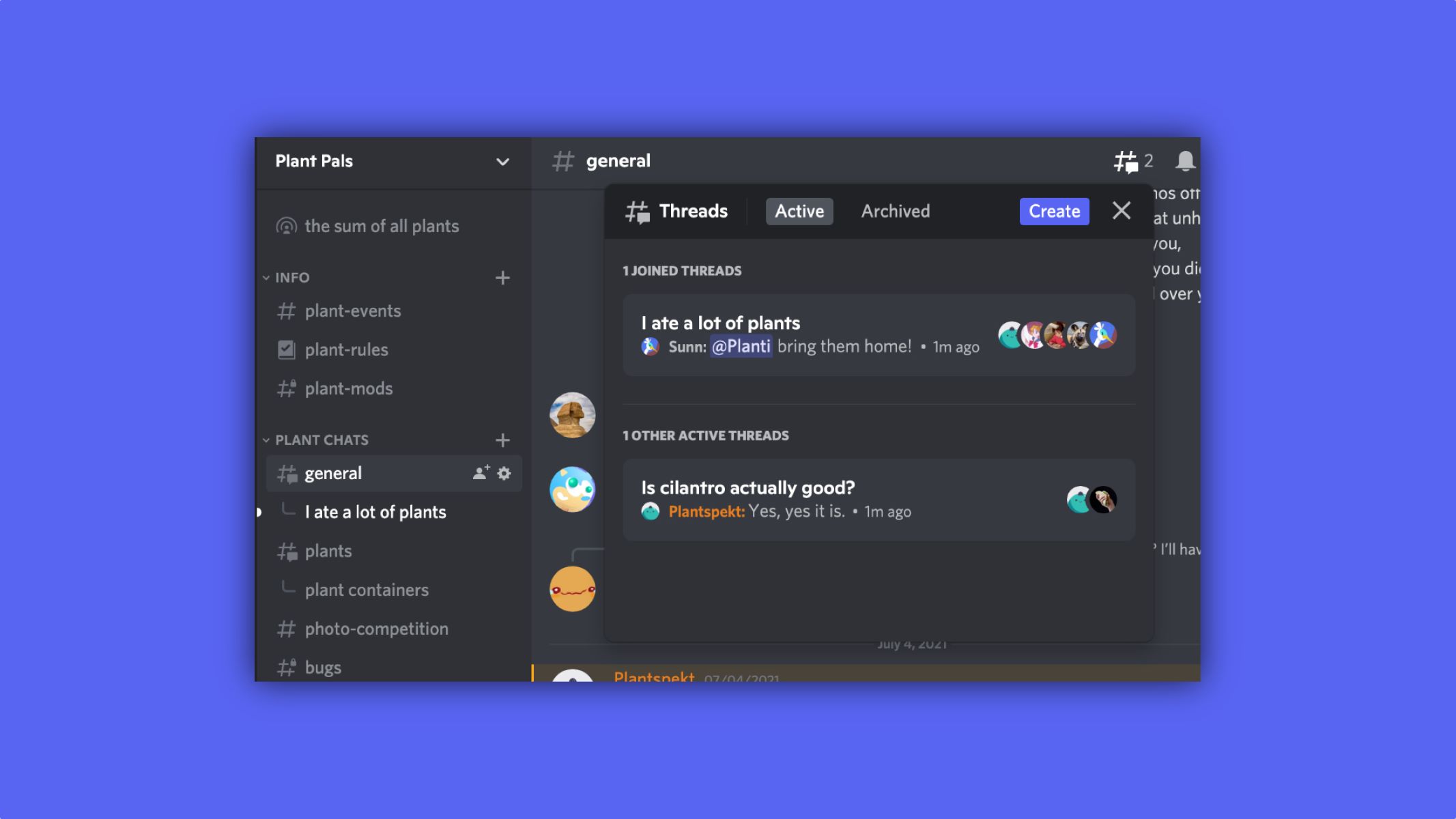
Viewing past messages in a channel is the most common reason to check Discord logs. The process is the same across platforms: you scroll up to load older messages. Your history is limited to messages sent after you joined the server; you cannot see conversations that happened before your membership began.
- Open Discord on the web app, desktop app, or mobile app and log in.
- Select the server that contains the channel you want to review.
- Click or tap the channel name from the channel list on the left side.
- Scroll up (or swipe up on mobile) to load earlier messages. Continue scrolling to go further back in time.
How to search Discord logs for specific messages
When you need to find a particular message rather than browsing chronologically, Discord's built-in search bar is the fastest method. You can search by keyword, filter by user, channel, or time range, and jump directly to the result. For more advanced searching across multiple channels or for server-wide activity, you can use a bot like Dyno or MEE6.
- Click the search bar at the top of the channel or server window.
- Type a keyword, phrase, or use filters such as
from:username,in:channel-name, orbefore:date. - Press Enter and browse the results. Click any result to jump to that message in context.
If you need to search logs beyond what the built-in tool offers, bots like Dyno or MEE6 can log all messages to an external channel or file, allowing you to search across channels and timeframes with custom commands.
How to check the server audit log for moderation actions
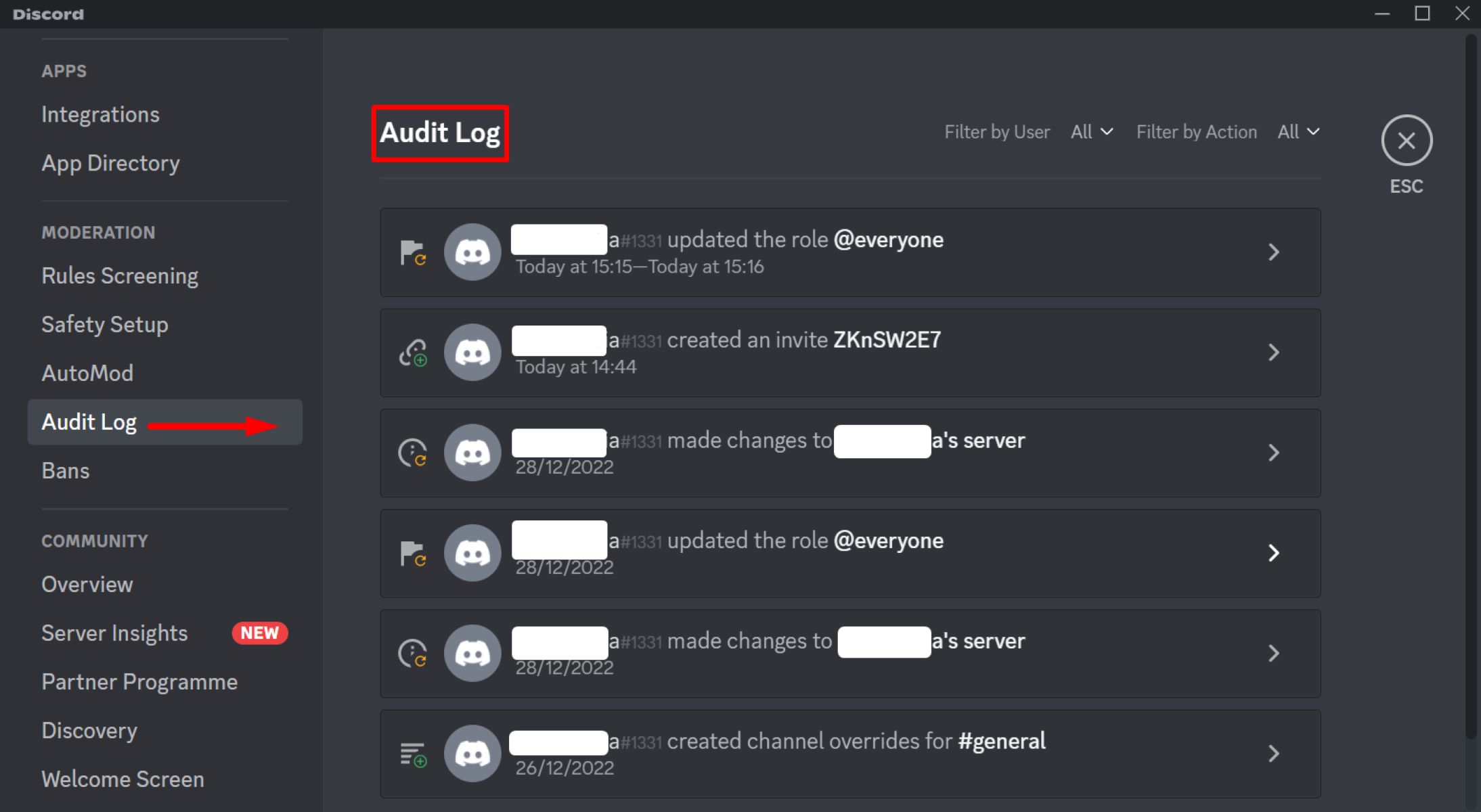
Server administrators and moderators check the Audit Log to see a record of moderation actions such as bans, kicks, role changes, channel edits, and message deletions by moderators. This log is not available to regular members unless they have the "View Audit Log" permission.
- Open Discord and select your server.
- In the left sidebar, click "Audit Log."
- Browse the list of events. Each entry shows the user who performed the action, what was changed, and a timestamp.
Events you will commonly see include member bans and unbans, role assignments and removals, channel creation or deletion, server setting changes, and bulk message deletions by moderators.
How to access Discord console logs for debugging
Console logs are used for technical troubleshooting, such as diagnosing client crashes or performance issues. They are not related to server activity or message history. On desktop, you typically need the Discord Public Test Build (PTB) or Canary client to access developer tools. On mobile, you enable Developer Mode to find debug logs.
On desktop (PTB or Canary)
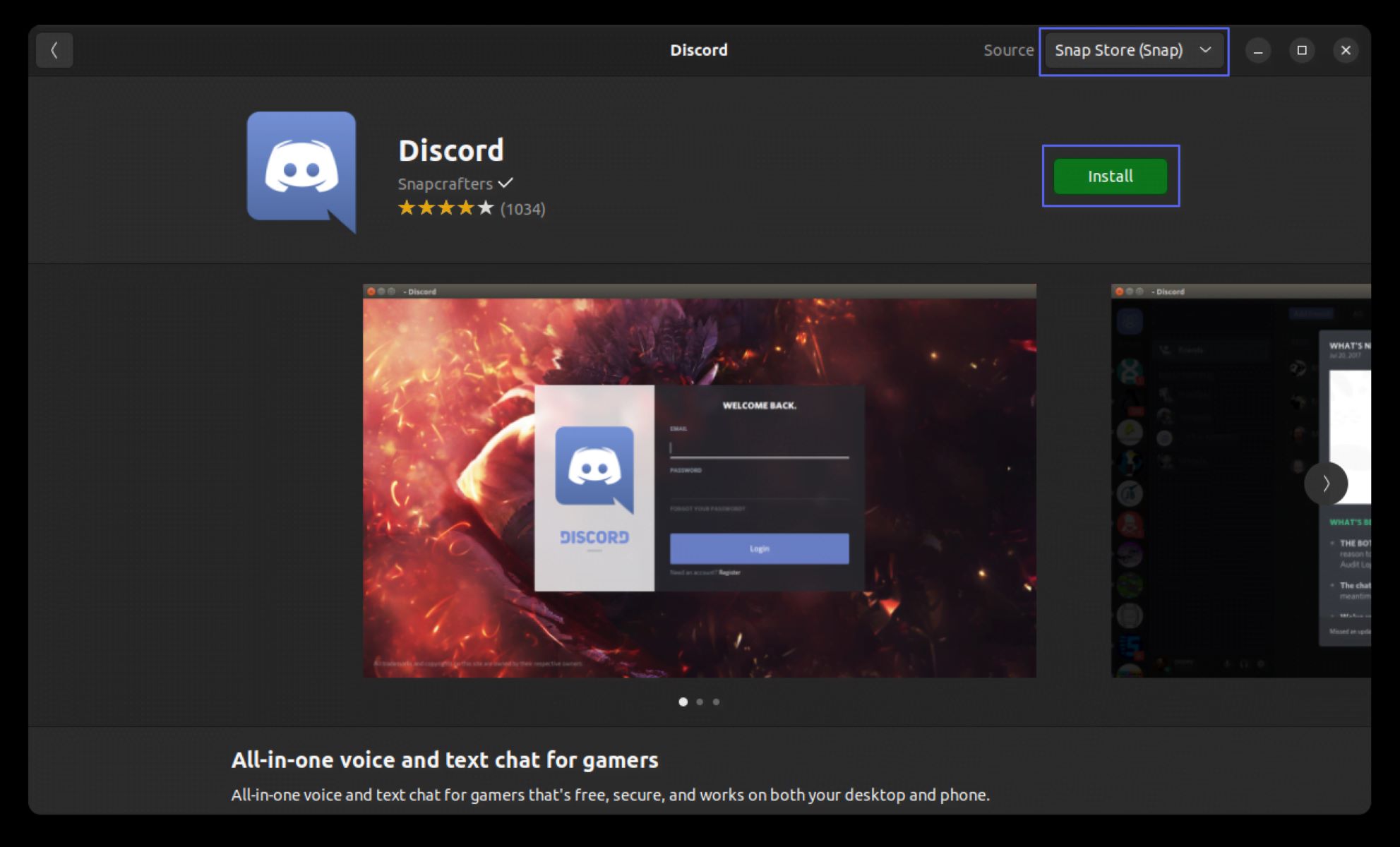
- Install Discord PTB or Canary from the official Discord website.
- Open the client and log in.
- Press Ctrl + Shift + I on Windows or Option + Command + I on Mac to open Developer Tools.
- Click the "Console" tab to view live logs, errors, and debugging information.
On mobile
- Return to User Settings and scroll to the "DEV ONLY" section.
- Tap "Debug Logs" to view the console output for troubleshooting.
How to read and understand Discord logs
Interpreting logs correctly helps you identify what happened, who did it, and when. Each type of log presents information differently, but the core elements are timestamps, user identifiers, and action descriptions.
Understanding timestamps
Every log entry includes a timestamp showing when the event occurred. Timestamps are displayed in your local timezone by default. In the Audit Log, hovering over a timestamp shows the exact date and time, which is useful for correlating events with other server activity.
Identifying user actions
In message history logs, you can see who sent each message, when it was edited or deleted, and the content. In the Audit Log, each action lists the user who performed it, the target user or channel, and the specific change. Common actions include message edits and deletions, member joins and leaves, bans and unbans, role assignments, and channel permission changes.
Recognizing key events
Key events in the Audit Log include role changes (who was given or removed a role), server setting modifications (name changes, region changes, verification level updates), and channel edits (creation, deletion, permission overwrites). For message history, key events are often flagged by bots or by the presence of deleted message logs if a logging bot is active. Recognizing these patterns allows you to quickly assess what has changed in your server and who is responsible.