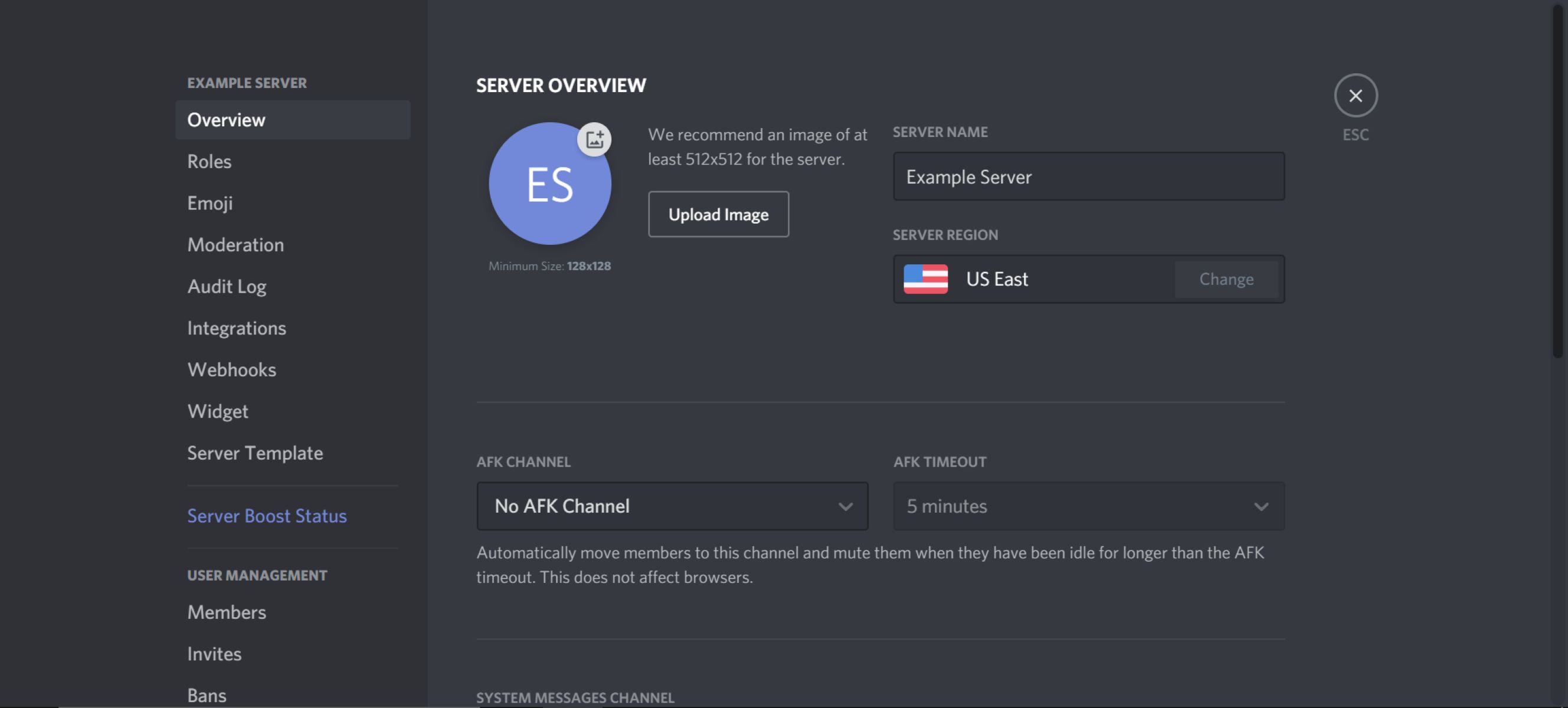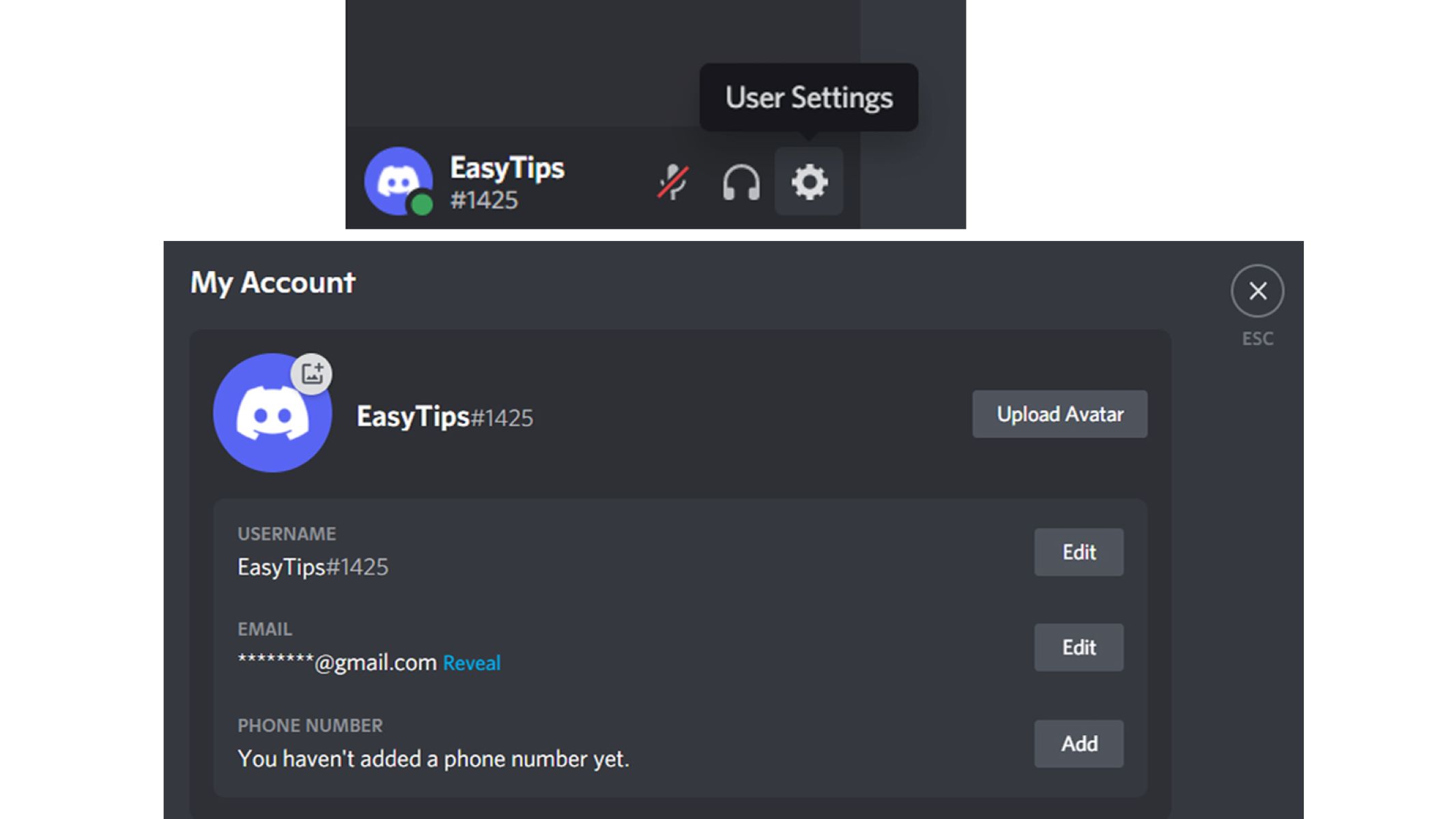
To change your Discord tag today, you no longer edit a four-digit discriminator, Discord removed that system entirely and replaced it with a single unique @username you choose once, plus a separate display name you can change anytime. The old tag format like UserName#1234 is gone for everyone, so the modern "change your tag" process means picking your permanent @username, then setting a display name for daily use. If you are also trying to reduce lag in voice channels, you can change server region Discord to a location closer to your players.
What happened to the old Discord tag (and how to change yours now)
Discord eliminated the old username system that included a four-digit "discriminator" or "Discord tag" (e.g., #0001) to make it easier for users to connect and manage their identity. In its place, every account now has a unique username (like @username) and a non-unique display name. All users were eventually required to pick a new, unique username; Discord began assigning new usernames to users who had not chosen one themselves starting March 4, 2024. The rollout started with owners of partner and verified servers, then proceeded to all users based on the age of their account (oldest accounts first), and current Nitro subscribers registered before March 1, 2023, also received early access. Once you pick a new username, you will no longer have a discriminator as part of your username, and you cannot revert to an old username with a discriminator.
The practical takeaway: there is no way to change a four-digit tag anymore, and Nitro no longer offers the ability to customize the 4-digit discriminator. Your only "tag" choice now is the unique @username, which you set once, and the display name, which you can edit freely.
How to pick your new permanent @username
Your @username is the only part of your identity that functions like the old tag, it's unique across all of Discord, and you get exactly one chance to set it. This is why you'd want to choose carefully: unlike a display name, you cannot change it later, and it will appear wherever your account is mentioned or searched.
- Open Discord on desktop or browser and click the cogwheel icon at the bottom-left to open User Settings.
- Select "My Account" from the left sidebar.
- Click the bar at the top that shows your current username (or a prompt to claim your new username).
- Type your desired @username, keeping in mind it must be unique across the entire platform, if someone else already has it, you'll need to try another variation.
- Confirm your choice. This action is one-time and irreversible; you cannot revert to the old discriminator format.
On mobile, you will receive an in-app notification when you become eligible to claim your username, which will guide you through the same process.
Toggling the legacy username badge
During the transitional period, Discord added a profile badge that displays an account's previous username with the discriminator (e.g., UserName#1234). This badge is purely informational, it shows your old tag so people can recognize you, and you can hide it if you prefer a clean profile. You'd want to toggle it off if you've fully moved on from the old format, or leave it on if you're worried friends might not recognize your new @username yet.
- Go to User Settings (cogwheel icon at the bottom-left on desktop, or your profile picture on mobile).
- Select "Profiles" from the sidebar.
- Scroll to the "User Profile" tab.
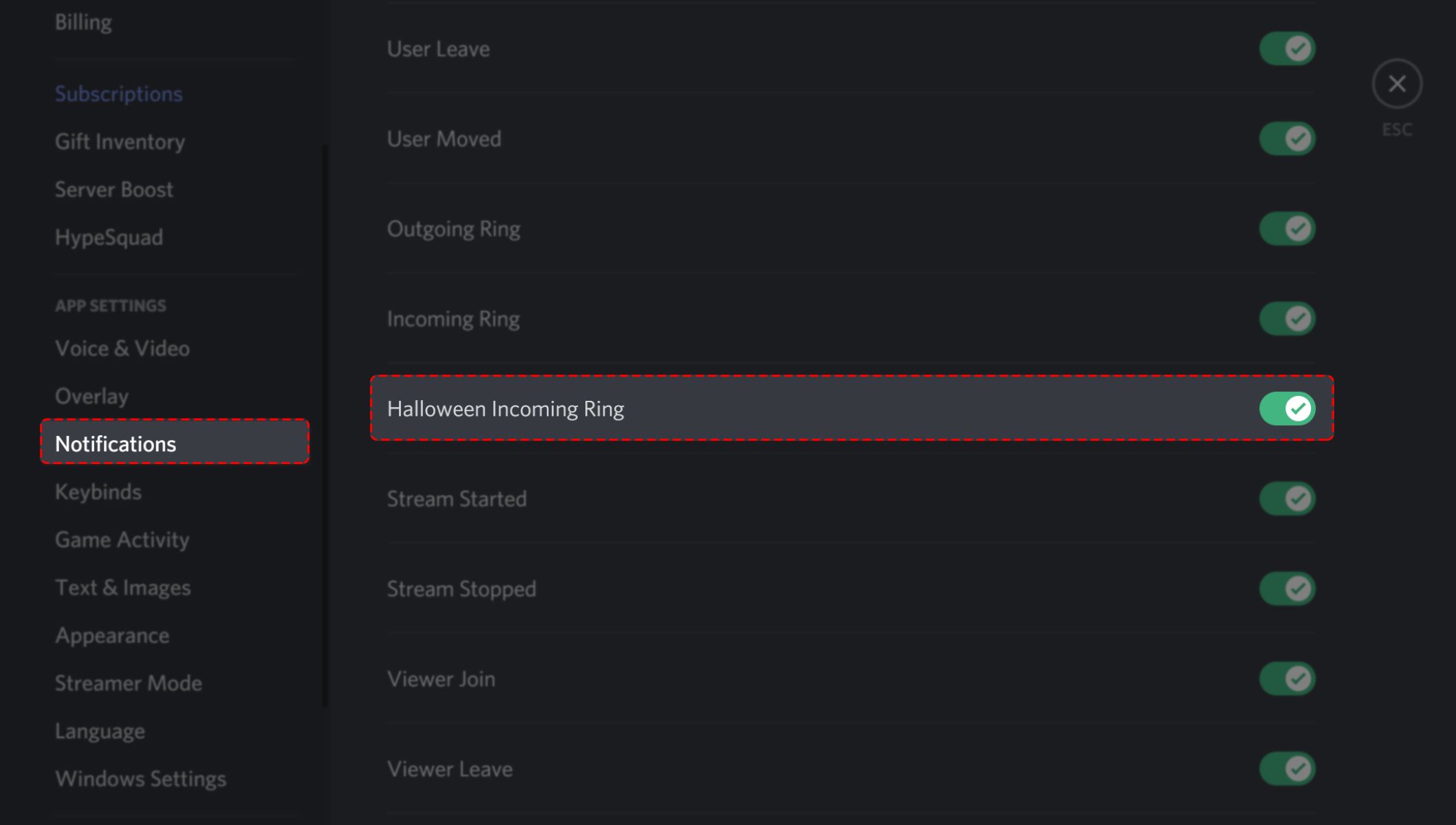
- Find the option for the legacy username badge and switch it on or off according to your preference.
This badge is temporary, Discord will eventually remove it entirely, so it's a small window to control how your old tag appears to others.
How to set your display name (what everyone now sees)
Your display name is what people actually see next to your messages, in DMs, and in member lists. Unlike your @username, it does not need to be unique, and you can change it as often as you like. This is the real replacement for the old tag's personalization: you get a flexible identity that reflects your current mood, branding, or server context without affecting your permanent handle. To set it, go to User Settings, select "My Account," and click the edit field next to your display name, type whatever you want, then save. There are no uniqueness restrictions, so you can use any name, including one that matches someone else's.
However, server nicknames and friend nicknames take priority over your display name in their respective contexts. If a server admin has set a nickname for you, that nickname appears instead of your display name inside that server. Similarly, if a friend has manually set a nickname for you, that overrides your display name in your DMs with them. Your display name is your default identity everywhere else, so it's the primary way you present yourself across Discord.
Server tags: the new four-character alternative
If you miss the four-character flair of the old discriminator, Discord introduced a separate feature called "Server Tags" that brings back a similar visual element, but tied to a server, not your global account. Server Tags are a separate feature that server owners or admins can enable for their community, requiring three Server Boosts, and they allow members to display a 4-character tag next to their name. This is useful if you want a short, distinctive identifier that shows your affiliation with a specific community, and it's the closest thing to the old tag format that still exists.
To apply a Server Tag to your profile, go to User Settings, then Profiles, scroll down to the "Server Tag" section, and select one from your eligible joined servers. You can only use a tag from a server that has unlocked this feature, and you can only display one at a time. This is entirely optional and separate from your @username and display name, it's a badge of community membership rather than a global identifier. If you're active in a boosted server, check whether they've enabled Server Tags; if not, you can suggest it to the admin, since it costs three boosts to unlock.
Remember that Server Tags do not replace your @username or display name, they appear alongside them as a small four-character label. They're a niche feature for community identity, not a global tag change, and they only work within servers that have met the boost requirement. If you're looking for a permanent, platform-wide identifier, your @username is the only option, and it's already set in stone.
\nRelated reading: How To Change PayPal @username and Why Is My Venmo Handle Not Showing Up When People Search For It.