The only legitimate way to bypass Google FRP lock on any Android tablet is through legitimate Google account recovery, which means proving you are the original owner by signing in with the previously linked Google account or by contacting the device manufacturer with verifiable proof of purchase.
What Is FRP and Why Does It Exist?
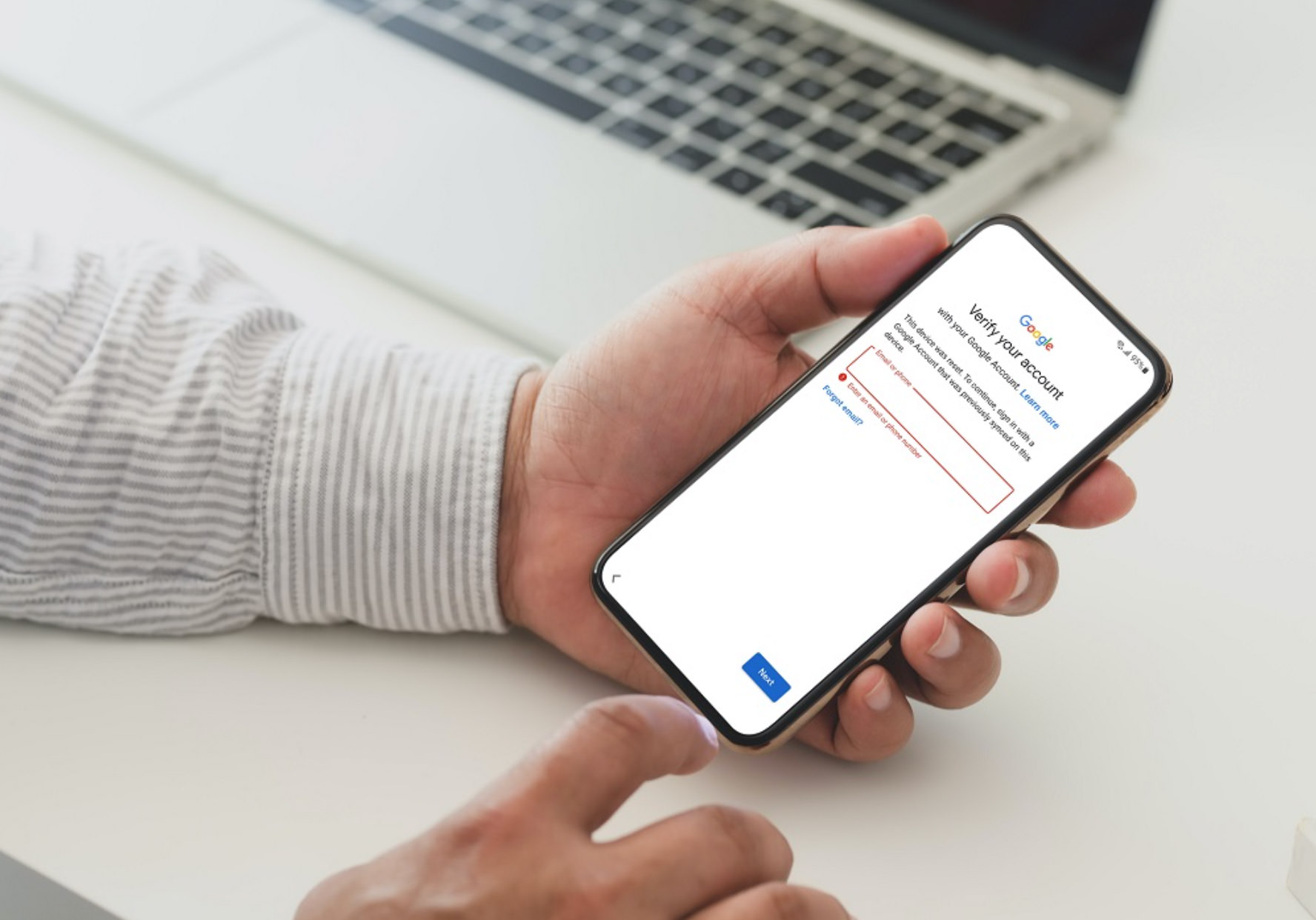
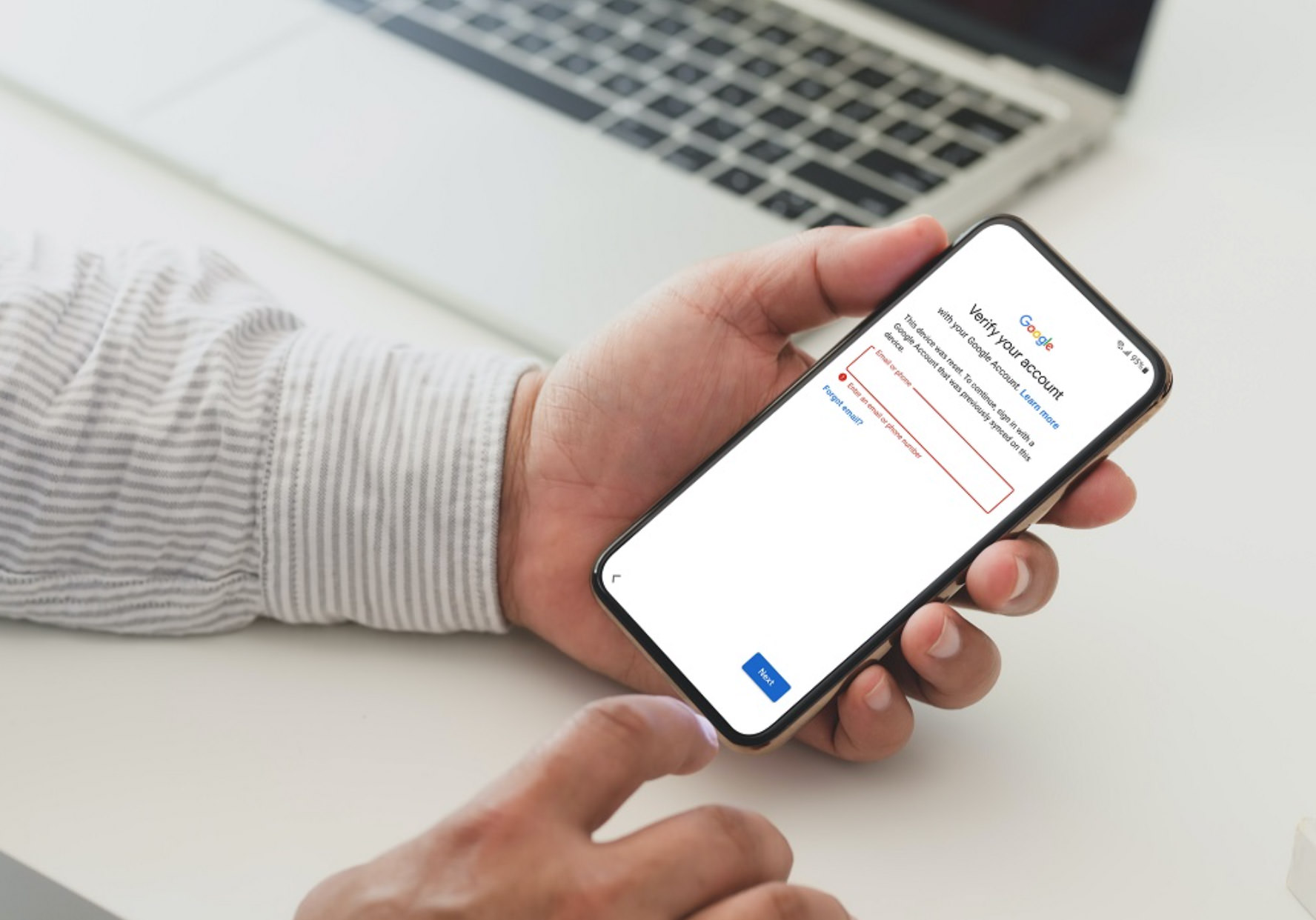
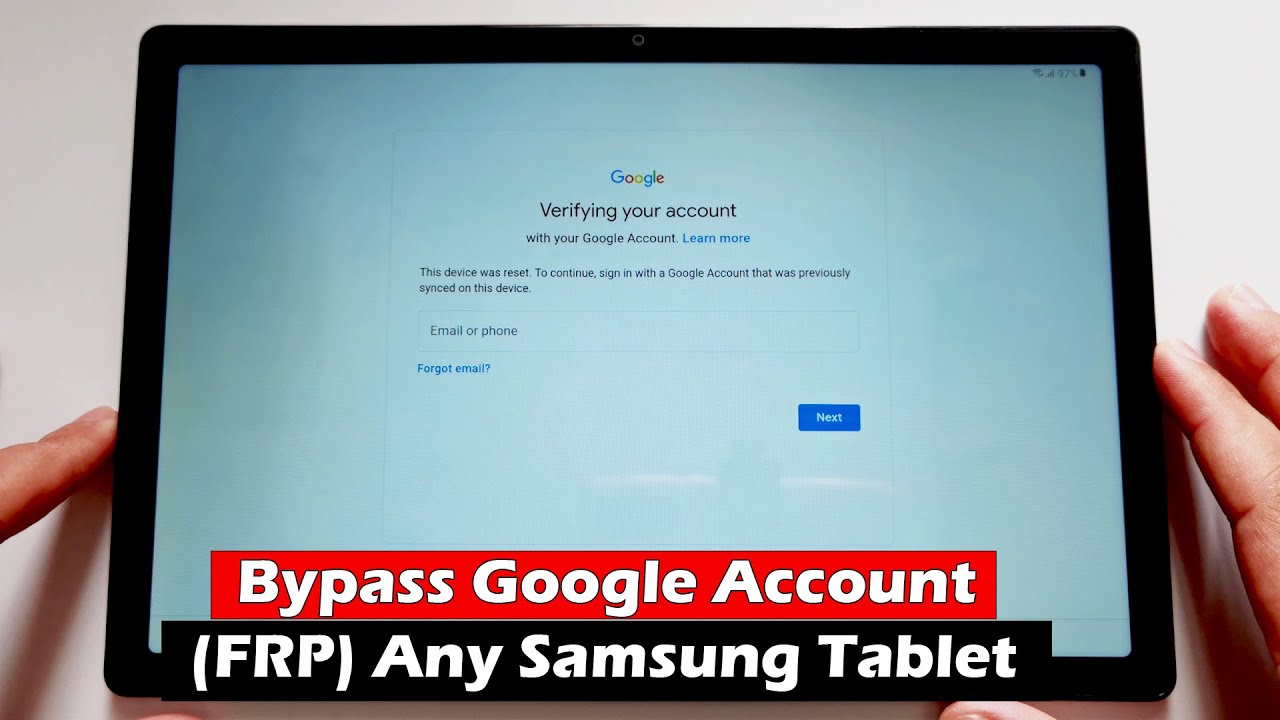
Factory Reset Protection (FRP) is a security feature introduced in Android 5.1 (Lollipop) and newer versions. It is not a bug or an obstacle designed to frustrate you; it is an anti-theft measure. FRP automatically activates when a Google account and a screen lock (such as a PIN, pattern, or password) are set up on an Android device. Its purpose is simple: after a factory reset, the device will require the credentials of the Google account that was previously synced to it before setup can be completed. This makes stolen or lost tablets significantly less appealing to thieves, because wiping the device does not make it usable, it becomes a brick unless the original owner signs in.
FRP also serves as a child safety and parental control feature. If a child or unauthorized user resets a family tablet, FRP prevents them from setting it up as a new device without the parent’s Google account. This ensures that a device intended for a family member cannot be easily repurposed or sold without the account holder’s knowledge. The lock is not a punishment; it is a deliberate barrier against unauthorized use.
The Only Legitimate Google Account Recovery Paths
If you are the legitimate owner of an Android tablet and you are locked out by FRP, you have two official, terms-of-service-compliant paths. There are no other legal shortcuts.
Path 1: Sign in with the previously linked Google account. This is the simplest and most direct route. If you remember the Google account email address and password that were on the tablet before the reset, you can enter those credentials during the setup screen. The device will verify the account, unlock, and allow you to complete setup. This works because FRP is tied to that specific account. If you have multiple Google accounts, try the one you used most recently on the tablet. If you have forgotten the password, you will need to recover that Google account first, not bypass FRP directly.
Path 2: Contact the manufacturer or carrier with proof of purchase. If you cannot access the previously linked Google account, for example, you bought a used tablet and the previous owner did not remove their account, or you have lost access to that email, you must contact the device’s manufacturer or your mobile carrier. For Samsung tablets, that means visiting an authorized Samsung Service Center. Apple has a similar process for iPads, but this article focuses on Android. You will need to present proof of purchase, which typically includes a receipt, the original box, and the device’s IMEI or serial number. The manufacturer will verify that you are the rightful owner and then remove the FRP lock from their side. This process is not instant; it may take days or weeks, and it is entirely at the manufacturer’s discretion.
There is no third-party service, no software tool, and no “unlock code” that legitimately bypasses FRP. Any website, video, or forum post that claims to offer a bypass is either outdated, ineffective, or actively harmful. Many so-called “FRP bypass methods” involve exploiting security vulnerabilities, and using them can introduce malware, weaken your device’s security, or permanently damage the tablet’s firmware. Furthermore, attempting to bypass FRP without authorization is a violation of Google’s Terms of Service and may be illegal in some jurisdictions, as it can be considered circumventing a security measure.
Google’s Official Account Recovery Process
When you need to recover the Google account that is locked to your tablet, you must use Google’s automated, self-service recovery process. Google does not provide live support or a “Google Support Team” for account recovery, there is no phone number to call and no chat agent to plead your case. The process is entirely automated, and it works by asking you a series of questions to confirm your identity. These questions may include providing a recovery phone number or email, a previous password, your date of birth, or the date you created the account. You will not be asked for your current password during recovery, because you have already forgotten it.
To maximize your chances of success, Google recommends using a familiar device (computer, phone, or tablet) and a familiar location (home or work) where you frequently sign in. This is because Google’s automated system uses signals like your IP address, browser history, and device recognition to verify that you are the legitimate account owner. If you attempt recovery from a new device or a different country, the system may flag the request as suspicious and deny it. Be prepared to answer every question accurately; guessing or providing incorrect information will likely result in a rejection.
If your recovery attempt fails, you can try again after a waiting period, but you should not repeatedly submit requests, as that can trigger a temporary lock on the recovery process. The key is to provide as much accurate information as possible. If you have set up a recovery phone number or recovery email address in advance, the process is much smoother, Google will send a verification code to that contact method, which you can enter to prove ownership.
Why Bypass Methods Are Dangerous and Illegal
It is important to state plainly: attempting to bypass FRP without the owner’s credentials is illegal in many countries and is a direct violation of Google’s Terms of Service. FRP is a security feature designed to protect your data and deter theft. Circumventing it undermines that protection and can be prosecuted under computer fraud laws, especially if the device is stolen. Even if you own the tablet, using a bypass tool that exploits a vulnerability is not a legitimate path, it is a hack, and it exposes you to serious risks.
Most online “FRP bypass” tutorials are outdated. They often rely on vulnerabilities that Google has patched in newer Android versions. If you follow an old guide, you will likely find that it no longer works. Worse, many of these tutorials instruct you to download APK files or use ADB commands that install third-party apps. These apps can contain spyware, ransomware, or tracking software. By attempting a bypass, you are not only violating terms of service, you are potentially giving a malicious actor access to your tablet, your personal data, and your Google account. The security risk far outweighs any perceived convenience.
How to Avoid Being Locked Out in the Future
The best way to deal with FRP is to never trigger it accidentally. Here are practical steps to keep you from being locked out of your own tablet.
Remove your Google account before a factory reset. If you plan to sell, trade, or reset your tablet, go to Settings > Accounts > Google, select your account, and tap “Remove account.” This must be done before you perform a factory reset. A factory reset alone does not remove FRP; the account must be removed from the device first. If you skip this step, the previous owner’s credentials will be required after the reset, and you will be locked out.
Set up recovery options on your Google account. Before you ever face a lockout, go to your Google Account settings at accounts.google.com and add a recovery phone number, a recovery email address, and enable 2-Step Verification. These recovery options are crucial for successful account recovery. If you lose your password or get locked out, Google will send a code to your recovery phone or email, allowing you to regain access quickly. Without these, the automated recovery process becomes much harder, and you may be forced to contact the manufacturer with proof of purchase.
Write down your password and keep it in a safe place. This sounds obvious, but many lockouts happen simply because the owner forgot the password. Use a password manager or write it on paper and store it securely. Do not reuse passwords across accounts, and avoid sharing your Google password with anyone, including family members. If a child uses the tablet, set up a separate user profile or a child account, but keep the primary Google account password private.
Keep your proof of purchase. If you buy a new tablet, keep the receipt, the original box, and note the IMEI or serial number. Store these in a safe place. If you ever need to contact the manufacturer to remove FRP, you will need to provide this proof. Without it, even the manufacturer may refuse to help, because they cannot verify that you are not a thief trying to unlock a stolen device.
If you buy a used tablet, verify that FRP is disabled. Before purchasing a used Android tablet, ask the seller to remove their Google account from the device and perform a factory reset in front of you. Then, during the initial setup, you should be able to sign in with your own Google account. If the seller cannot do this, or if the device prompts for an unknown account after reset, do not buy it, it is likely stolen or improperly reset.
Finally, if you do get locked out and cannot recover your Google account, do not panic and do not search for “FRP bypass.” Instead, contact the manufacturer’s authorized service center with your proof of purchase. They are the only entity that can legitimately remove the lock. It may take time, but it is the safe, legal, and responsible way to regain access to your tablet.
\nRelated reading: How To Bypass Google Verification On Samsung Tablet, [Full Guide] How to Bypass Google Account Verification After Reset, and How To Unlock Google Account On Android Phone After Factory Reset.


![[Full Guide] How to Bypass Google Account Verification After Reset](https://robots.net/wp-content/uploads/2023/11/How-to-Bypass-Google-Account-Verification-After-Reset.png)