Accessing the web browser on your Samsung Smart TV
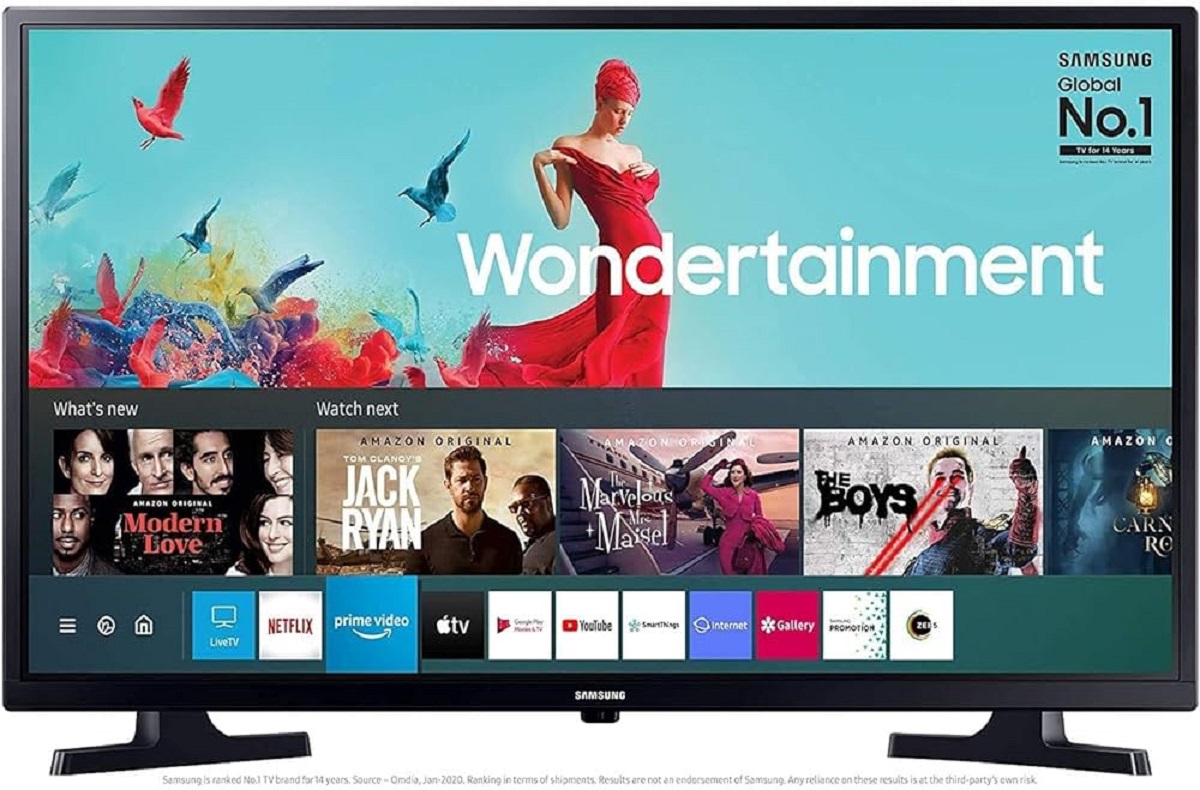
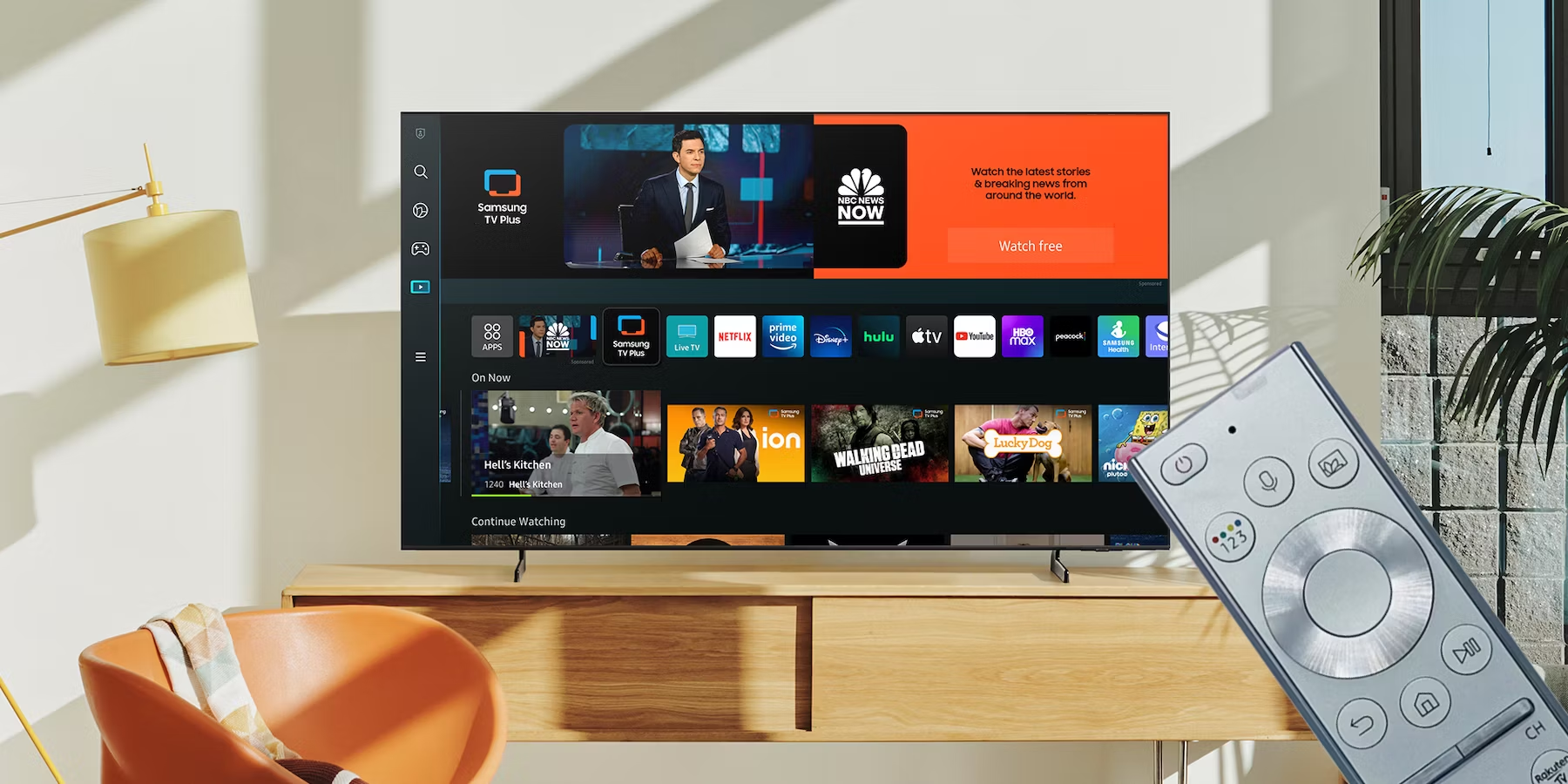
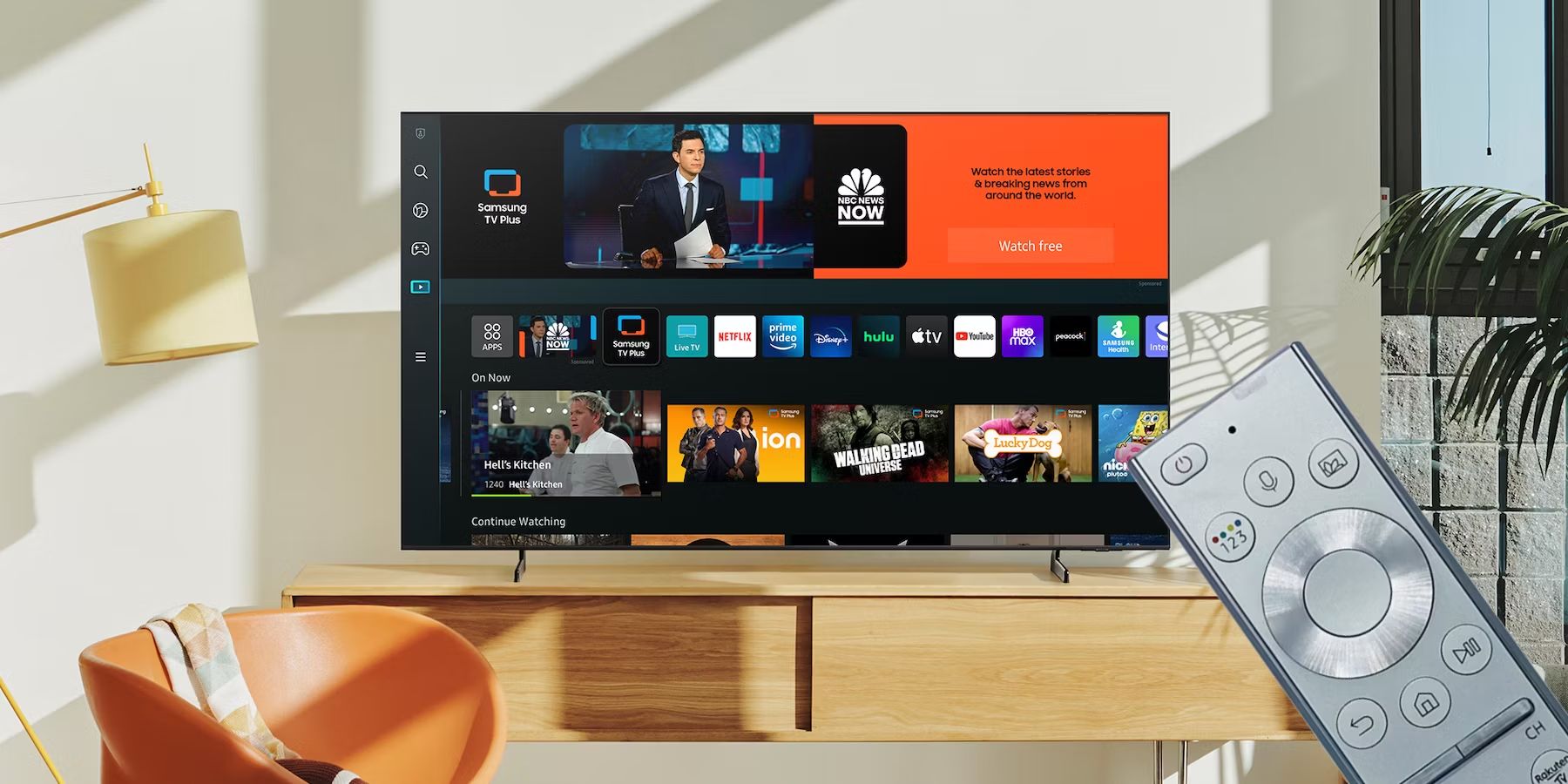
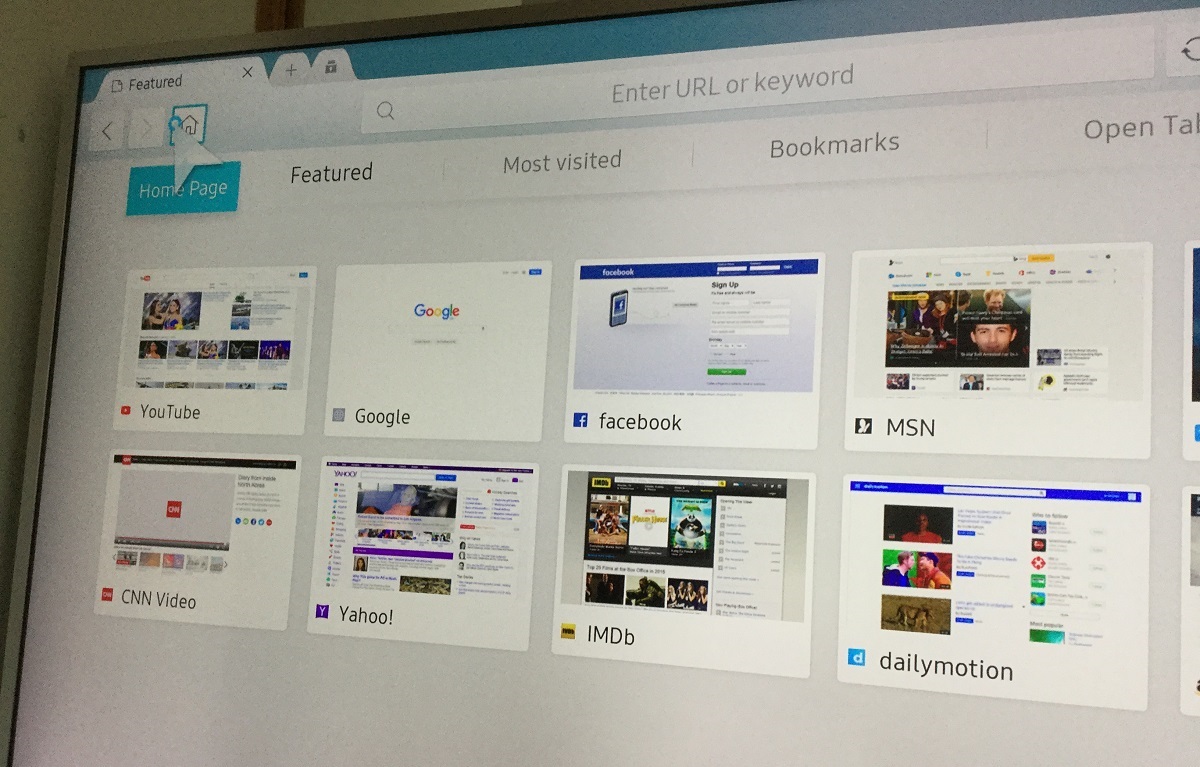
To open the web browser on Samsung Smart TV, press the Smart Hub or Home button on your remote control, then look for an app labeled "Web Browser," "Internet," or an icon resembling a globe. That app is Samsung Internet, and it's the fastest way to start browsing directly on your TV screen without any extra hardware.
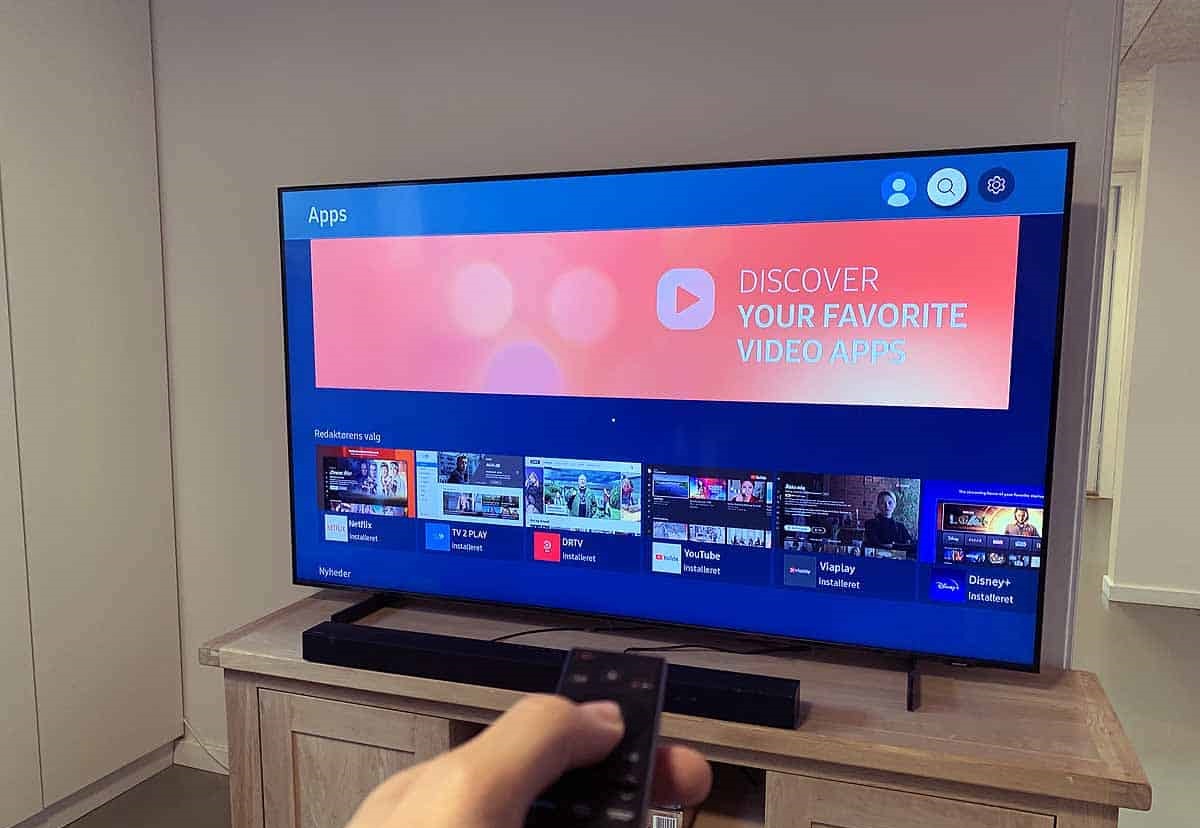
Once you press the Smart Hub or Home button, the full app launcher appears on your screen. Use the directional pad on your remote to move the on-screen cursor, and scroll through the row of installed apps until you spot the browser icon. If you don't see it immediately, check the "Apps" section of the Smart Hub, the browser is sometimes tucked into a secondary page or folder. Select it with the Enter or OK button, and the browser will launch in a few seconds.
What to expect from the Samsung Internet browser
The built-in Samsung Internet browser is a functional tool, but it's not a full desktop replacement. It has no support for Flash content, which means older interactive websites and some embedded videos won't load. File downloads are restricted or unsupported, you generally cannot save documents, images, or other files to the TV's internal storage. Copy and paste functionality is absent, so you'll need to type URLs and search terms manually every time. Before troubleshooting browser limitations, ensure your TV is online by following the steps to connect to internet Samsung smart TV. No Smart TV web browser offers the full functionality of a computer browser, so expect simplified page rendering, occasional layout issues, and limited extension support.
Connecting your TV to the internet first
Before you can use the browser, your TV must be online. You can connect via Wi-Fi or an Ethernet cable, both work fine, but a wired connection is more stable for heavy browsing. The process of connecting a smart TV to Wi-Fi takes about two minutes: press Home, go to Settings, select Network, choose Wireless, pick your network name, and enter your password. If you prefer Ethernet, plug a cable into the LAN port on the back of the TV and it will auto-detect the connection. A stable internet connection is essential for smooth page loads and video playback, so if you run into issues, check your router signal strength or restart your modem before troubleshooting the TV itself.
Navigating and browsing with your remote
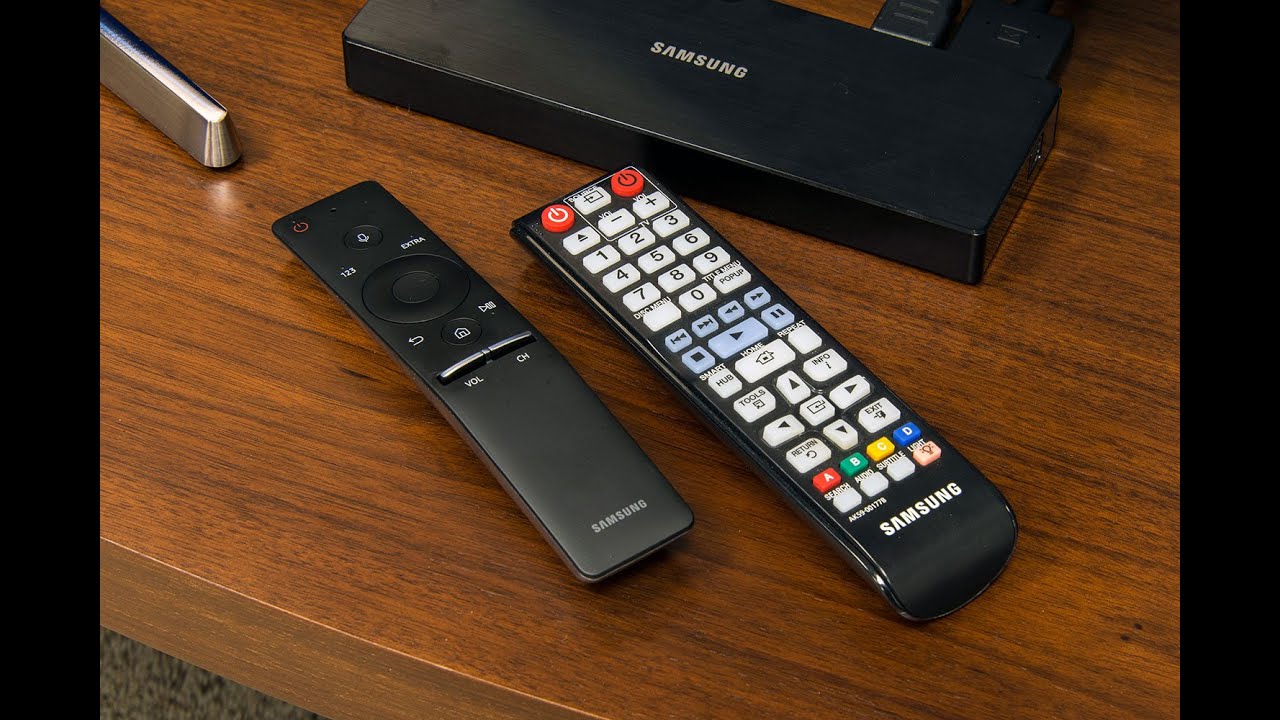
Once the browser opens, you control everything with the remote's directional buttons and the Enter/OK key. To visit a site, move the cursor to the address bar at the top of the screen, press OK, and type the URL using the on-screen keyboard. The keyboard appears automatically when you select the address bar, use the directional pad to move between letters, and press OK to select each character. After typing, highlight the Go or Enter key on the keyboard and press OK to load the page.
Scrolling through a webpage works with the up and down directional buttons, but the scroll speed can feel slow on long pages. To click a link, move the on-screen cursor over the link text or image and press OK. The cursor moves in discrete jumps, not smoothly like a mouse, so precise clicks can be tricky on dense pages. For going back a page, press the Back button on your remote, it's usually located above the directional pad. If you open multiple tabs, the browser keeps them in a tab bar at the top; use the left and right directional buttons to switch between them and press OK to activate a tab.
Adjusting browser settings for better use
You can customize the browser to work better for your viewing habits. While in the browser, press the Menu or Settings button on your remote, the icon looks like three horizontal lines or three dots. From there, you can change the homepage to a site you visit frequently, so the browser opens directly to it instead of a blank page. The search engine setting lets you switch between Google, Bing, or Yahoo as your default. Privacy settings allow you to clear browsing history, cookies, and cached data, useful if you share the TV with others. Font size is adjustable too, which helps when reading text-heavy sites from across the room. The exact options vary by TV model and browser version, but most Samsung TVs offer these core settings. Explore the menu to find what's available on your specific model; older TVs may have fewer customization options than newer ones.
What to do if your Samsung TV lacks a web browser
Some older or budget Samsung Smart TV models don't include a built-in web browser at all. If you can't find the browser icon in the Smart Hub after a thorough search, your TV likely falls into this category. You cannot directly install alternative web browsers like Google Chrome or Mozilla Firefox onto the Samsung Smart TV's Tizen operating system, the app store simply doesn't offer them for the TV platform. To use other web browsers, an external device such as an Amazon Fire TV Stick or Google Chromecast must be connected to the TV via HDMI. These devices run their own operating systems and come with full-featured browsers like Firefox for Fire TV or Chrome via casting. Another option is screen mirroring: use your smartphone or tablet to browse the internet, then mirror the screen to the TV using the built-in Smart View or AirPlay feature. This gives you a desktop-like browsing experience on the big screen without needing a separate browser on the TV itself. If you're unsure whether your model supports the browser, check the user manual or the Samsung support page for your specific TV model number, the model number is printed on a sticker on the back of the TV or found under Settings > Support > About This TV.
For most users, the built-in Samsung Internet browser is enough for casual browsing, checking social media, and watching web videos. It's not a replacement for a laptop or desktop, but it's a convenient way to get online from your couch. If your TV lacks the browser, the external device or screen mirroring routes work just as well and often provide a better browsing experience with full keyboard support and faster performance. Either way, you can browse the internet on your Samsung smart TV with the right setup, and the steps above cover both the built-in and alternative methods.