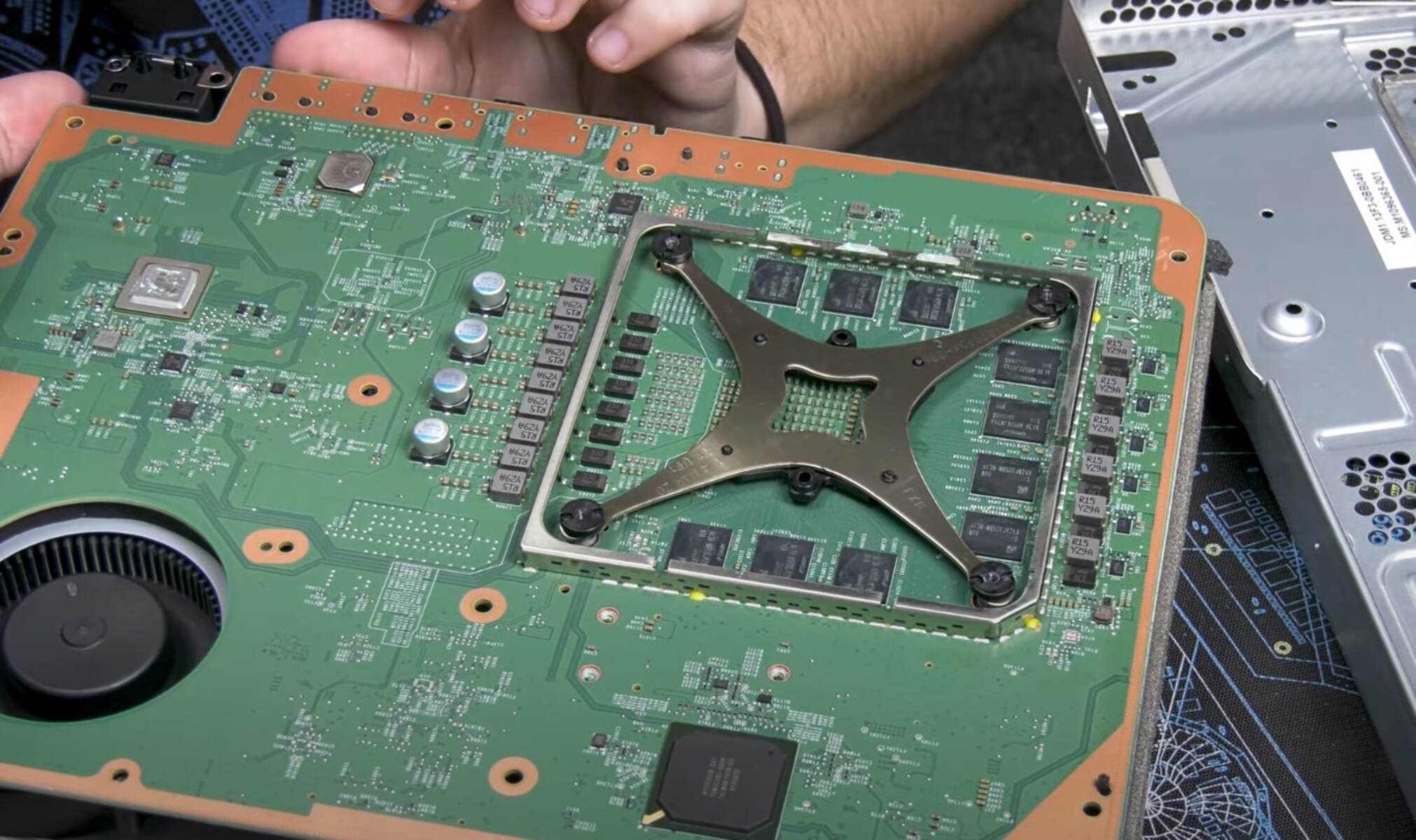
The PlayStation 5 has 16GB of GDDR6 RAM, which is the total PS5 ram size. This unified memory pool is split so that roughly 13GB is available for games and the rest is reserved for the system operating system and background processes, providing a memory bandwidth of 448GB/s, a staggering leap from the RAM of Apollo 11.
How many gigs of RAM does the PS5 have?
The direct answer is 16GB of GDDR6 RAM. The PS5 uses a 256-bit memory interface to achieve a bandwidth of 448GB/s. Of that total, approximately 13GB is allocated for game developers to use, while the remaining portion handles the console’s system-level operations. This high-bandwidth GDDR6 memory is custom-designed to work with the console’s AMD Zen 2 CPU and GPU, ensuring rapid data access and processing.
PS5 RAM vs. PS4 RAM
The generational leap from the PS4 to the PS5 is substantial. The PS4 featured 8GB of GDDR5 RAM, whereas the PS5 doubles that to 16GB of faster GDDR6 RAM. This upgrade means the PS5 can handle more complex game worlds, higher-resolution textures, and more detailed assets without performance bottlenecks. For gamers, this translates directly into smoother gameplay, reduced loading times, and the ability to render more advanced visual effects. When you consider what 8GB of RAM could manage in the previous generation, the PS5’s capacity allows developers to build far more ambitious and immersive experiences.
How the PS5's unified RAM improves gaming
The PS5’s unified memory architecture means both the CPU and GPU can directly access the entire 16GB RAM pool. This eliminates the need to copy data between separate memory banks, which was a limitation in earlier console designs. Practically, this improves load times because the console can stream game assets from the custom SSD directly into RAM and then to the GPU without intermediate steps. In open-world games, this unified design allows for seamless streaming of environments, reducing pop-in and maintaining consistent graphical fidelity as the player moves. The interaction between CPU and RAM is also more efficient, as the processor can quickly fetch game logic and AI data while the GPU simultaneously accesses texture and geometry data from the same memory. This is why the PS5 can sustain high frame rates and detailed visuals even in demanding scenes.
How to find your PS5's specifications
You can verify your console’s hardware information directly from the system menu. Follow these steps:
- Go to the home screen on your PS5 console.
- Select Settings.
- Navigate to Guide & Tips, Health & Safety, and Other Information.
- Select Guide and Tips.
- Choose User's Guide.
Once inside the User’s Guide, you can browse official documentation that confirms the console’s specifications, including the RAM configuration. This is the verified method provided by Sony to access hardware details without needing third-party tools or external websites.