Edge computing is the definitive answer to the scalability and speed limitations of traditional cloud architectures for big data analytics, enabling real-time processing by bringing computation to the data source. By processing data where it is generated, edge computing big data analytics delivers immediate insights, making it the foundational technology for the next generation of data-driven operations.
What is edge computing and its role in big data analytics?
Edge computing is a distributed computing strategy that places storage and compute resources at the physical location where data is generated, such as sensors, cameras, or industrial controllers. In the context of big data analytics, this architecture solves the core problem of moving massive volumes of data to a central cloud for processing. Instead of sending raw data over long distances, edge computing performs analysis locally, enabling real-time decision-making that is impossible with a centralized cloud model. This approach directly addresses the latency, bandwidth, and privacy challenges inherent in traditional big data analytics, making it the only viable solution for time-sensitive applications.
How edge computing architecture works
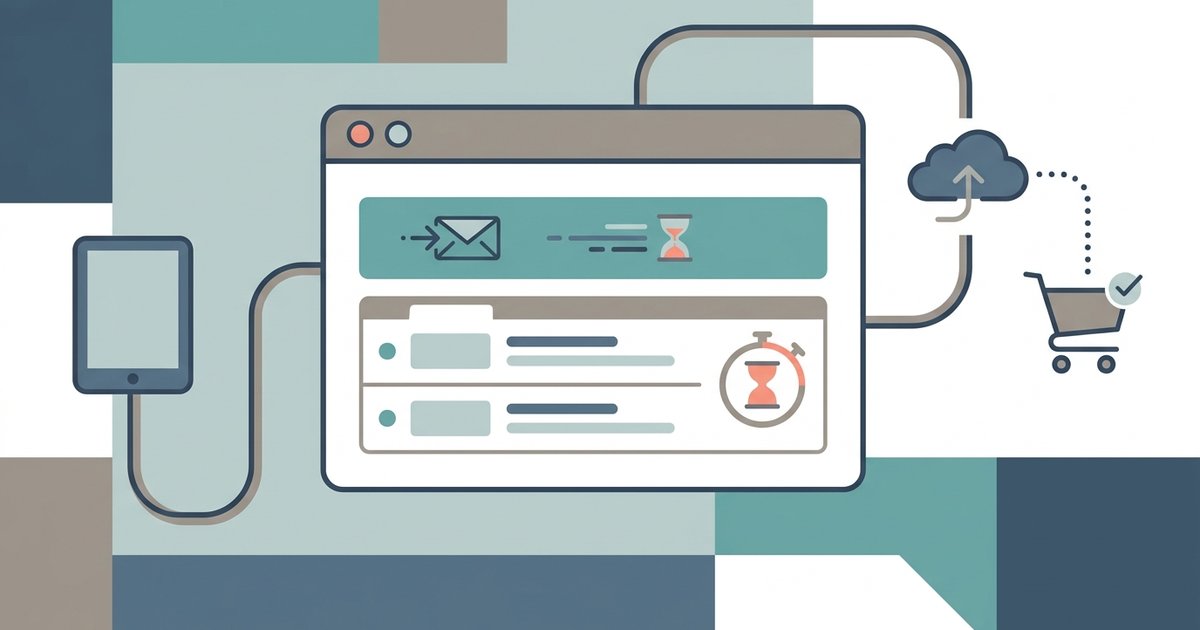
Edge computing operates on a decentralized model where data processing occurs at the network's periphery. The workflow begins with edge devices, such as sensors, cameras, and industrial machinery, that generate raw data. This data is then processed by edge nodes or gateways, which act as intermediaries that aggregate, filter, and analyze the information locally. For more demanding tasks, edge data centers provide additional compute power closer to the source. This distributed architecture ensures that only the most critical, pre-processed insights are sent to the central cloud, dramatically reducing the volume of data in transit and enabling faster response times than a traditional cloud model.
Key benefits of edge computing for data analytics
The primary advantage of edge computing for data analytics is its ability to deliver drastically faster processing times, enabling real-time decision-making. By processing data locally, the latency is reduced from hundreds of milliseconds to single-digit milliseconds, which is critical for applications like autonomous vehicles and industrial automation. Furthermore, edge computing improves bandwidth efficiency and lowers operational costs by sending only essential, aggregated insights to the cloud, rather than raw data streams. This local processing also enhances security and privacy, as sensitive data can be analyzed and anonymized at the edge before transmission, minimizing the risk of interception during transit.
AI and machine learning at the edge
Edge computing facilitates the deployment of Artificial Intelligence (AI) and Machine Learning (ML) models directly onto edge devices, enabling real-time inference without a constant connection to the cloud. This capability is transformative for use cases like anomaly detection in manufacturing, predictive maintenance of critical infrastructure, and computer vision in retail. By running ML models locally, edge devices can make instantaneous decisions, such as flagging a defective product on an assembly line or detecting a security breach, without waiting for a round trip to a central server. This local execution reduces latency, minimizes bandwidth consumption, and ensures that AI-driven operations continue to function even with intermittent connectivity.
Industry applications of edge analytics
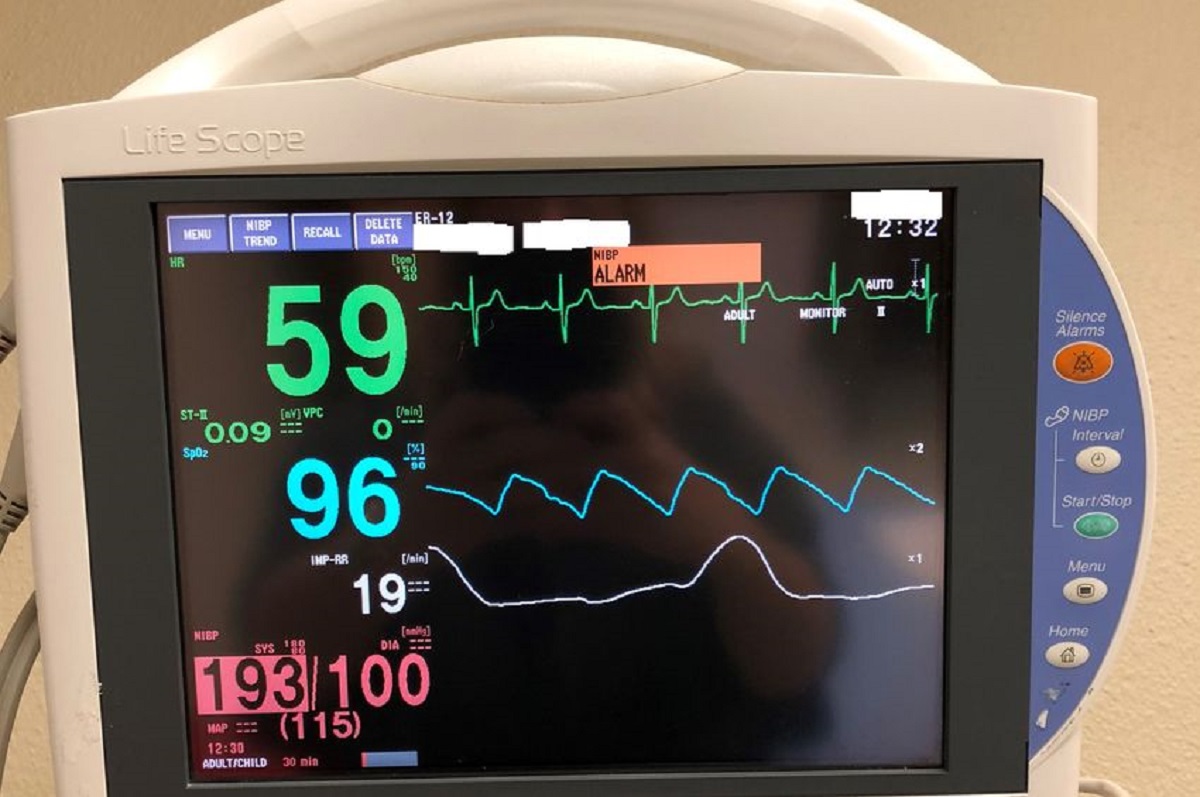
Edge analytics is transforming industries by enabling real-time monitoring and control in remote and data-intensive environments. In manufacturing, edge computing powers predictive maintenance by analyzing vibration and temperature data from machinery to predict failures before they cause downtime. In healthcare, it facilitates real-time patient monitoring, allowing medical devices to alert staff immediately to critical changes in a patient's condition. The oil and gas sector uses edge computing to monitor remote assets like pipelines and drilling rigs, where connectivity is unreliable and latency is a major issue. Similarly, smart cities deploy edge analytics to manage traffic flow and utility grids, processing data from thousands of sensors in real-time to optimize urban infrastructure and respond to incidents instantly.
Edge computing solutions from major cloud providers
Recognizing the importance of edge computing, major cloud providers have developed solutions to extend their services to the edge. AWS IoT Greengrass and AWS Outposts allow for local data processing and ML inference on connected devices. Azure IoT Edge and Azure Stream Analytics on IoT Edge enable real-time analytics and AI on devices, while Google Distributed Cloud Edge brings Google Cloud's infrastructure and services closer to the data source. These platforms provide the necessary tools for enterprises to implement edge analytics without having to build and manage the underlying infrastructure, making it easier to deploy and scale edge computing solutions for big data analytics.
Challenges and limitations of edge computing
Despite its advantages, edge computing has several limitations that must be considered. A significant risk is the potential for incomplete data; if the filtering parameters on edge devices are not correctly configured, critical data points may be discarded, leading to an erroneous or incomplete picture of business operations. Furthermore, edge devices have limited local storage capacity, designed primarily for processing rather than long-term data retention, which means sensitive data must eventually be transferred to the cloud for archival purposes. Finally, the initial investment and maintenance costs can be higher than traditional cloud models, as it involves deploying and managing a larger number of distributed components, each with its own monitoring and software update requirements.
The future of big data is at the edge
Edge computing is not a replacement for the cloud but a critical complement that solves the latency, bandwidth, and privacy problems inherent in centralized big data analytics. By processing data closer to its source, edge computing enables real-time decision-making that is impossible with a centralized cloud model. While cloud computing remains a powerful tool for massive-scale storage and batch processing, the future of big data lies in this hybrid approach. The increasing volume of data generated by IoT devices makes the efficiency of edge computing a necessity, not an option. As technology matures, edge computing will become the definitive path forward for organizations seeking to harness the full power of their data, making it the dominant distributed computing platform for the foreseeable future.
\nRelated reading: 15 Best Coffee Makers You Can Control Remotely, What Is Smart Parking In IoT, and 12 Best Disposable Email Services for Safety and Anonymity.




![13 Best Free People Search Engines and Websites [Tips Included]](https://robots.net/wp-content/uploads/2020/05/free-people-search.png)