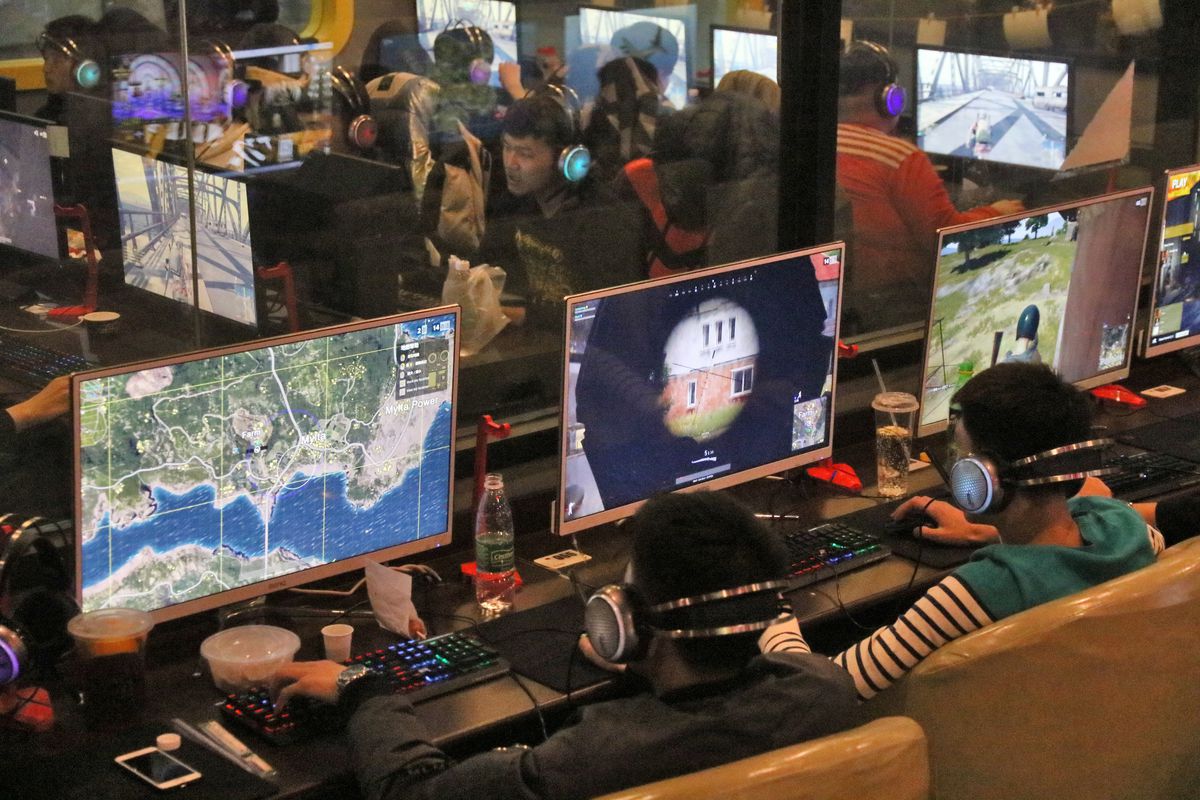
Yes, but usually only if the game uses peer-to-peer (P2P) networking instead of dedicated servers. In P2P games, your public IP address is shared directly with other players to establish the connection, while dedicated server games hide it completely.
How peer-to-peer games leak your IP address
Dedicated server games hide it completely. This distinction is the core of the risk. Understanding it lets you know whether you need to take extra precautions beyond simply muting voice chat.
When the game itself leaks your IP
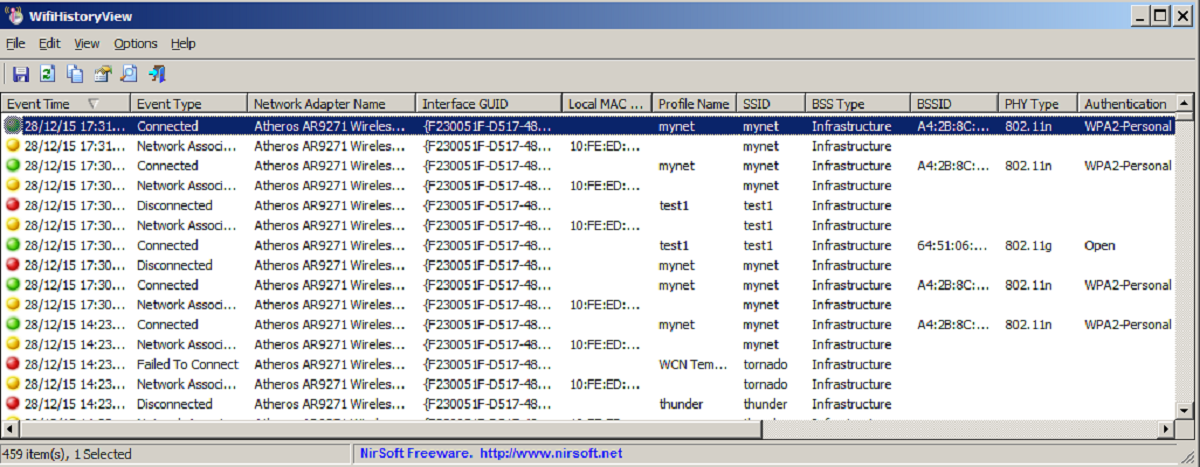
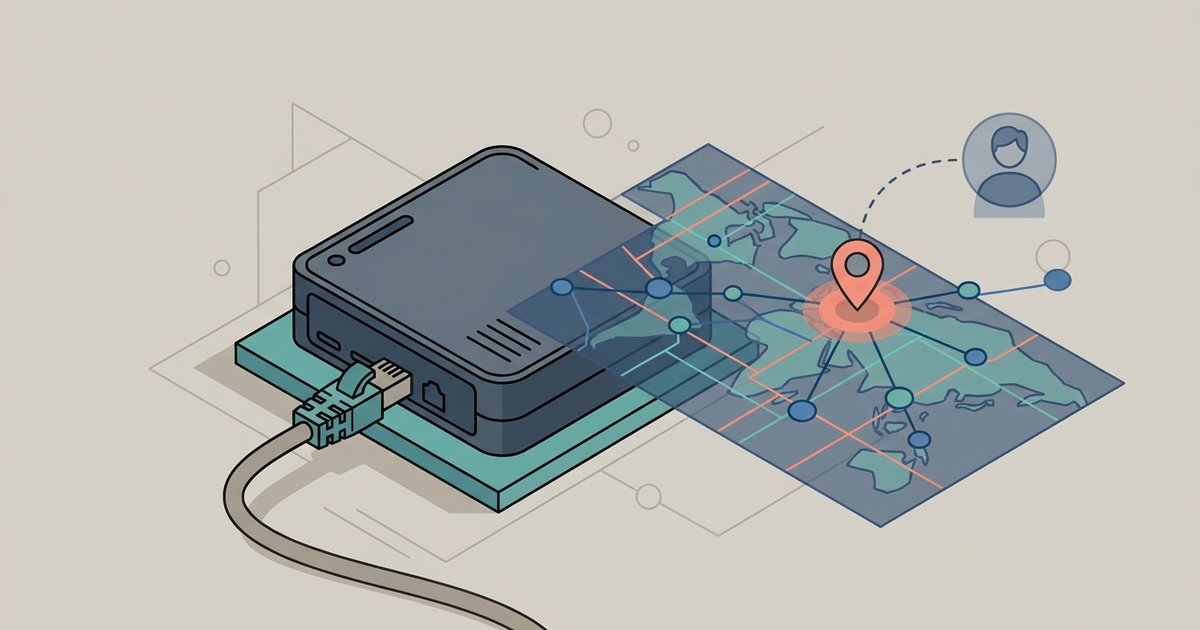
In a peer-to-peer (P2P) architecture, your console or PC acts as both a client and a server for every other player in the lobby. To keep the game state synchronized in real time, the game forces your device to send data packets directly to every other player's public IP address. Each player's position, health, and actions arrive this way. This is common in fighting games, older Call of Duty titles on Xbox 360, and many indie shooters. You cannot opt out of this exposure. The moment you join a match, your IP is visible to the other players in that session via packet inspection tools like Wireshark. This is the fundamental reason behind the rumor you have heard. A malicious player can log your IP from a P2P game and use it to initiate a DDoS attack against your home router. The online gaming definition page explains the underlying network topologies that make this exposure possible.
When the game does not leak your IP
Dedicated server games completely hide your IP from other players. Your console or PC connects only to a data center owned by the publisher, which runs the authoritative game logic. Other players receive your actions through that server, not directly from your home network. The server’s IP is the only address visible to anyone else. Your public IP remains unseen. Similarly, relay-based voice chat routes your audio through a server. Even if you are in a P2P game, your voice traffic does not expose your IP. The article the disadvantages of online gaming covers how P2P exposes users to security risks while dedicated servers introduce latency from centralization. The core trade-off is that only P2P architectures force your device to broadcast its real address to strangers for a match to function.
What people get wrong about party chat and third-party tools
A common misconception is that typing in game text chat or sharing your gamertag reveals your IP. It does not. Text chat is routed through the game's server. Your gamertag is a username, not a network address. The real risk comes from third-party voice applications. When you join a Discord voice channel, your client connects directly to other users' IPs unless the server uses relay mode. A malicious player in that channel can use a tool like Wireshark or a Discord IP resolver bot to grab your IP instantly. This is separate from the game itself. If you are playing a dedicated server game but are in a Discord call with a stranger, that stranger can get your IP from Discord, not from the game. The article online gaming's effect on social interactions examines how anonymity and direct connection risks alter trust in multiplayer communities. Meanwhile, sites to play dungeons and dragons online use a turn-based server model that never reveals your IP to other players. For a deeper look at how these connection models fit into the broader topic, see the online gaming definition article. The bottom line is simple. If you are worried about DDoS or SWATting, avoid P2P games entirely and do not use third-party voice chat with strangers. Use the game's built-in relay-based voice chat and only play on dedicated servers.