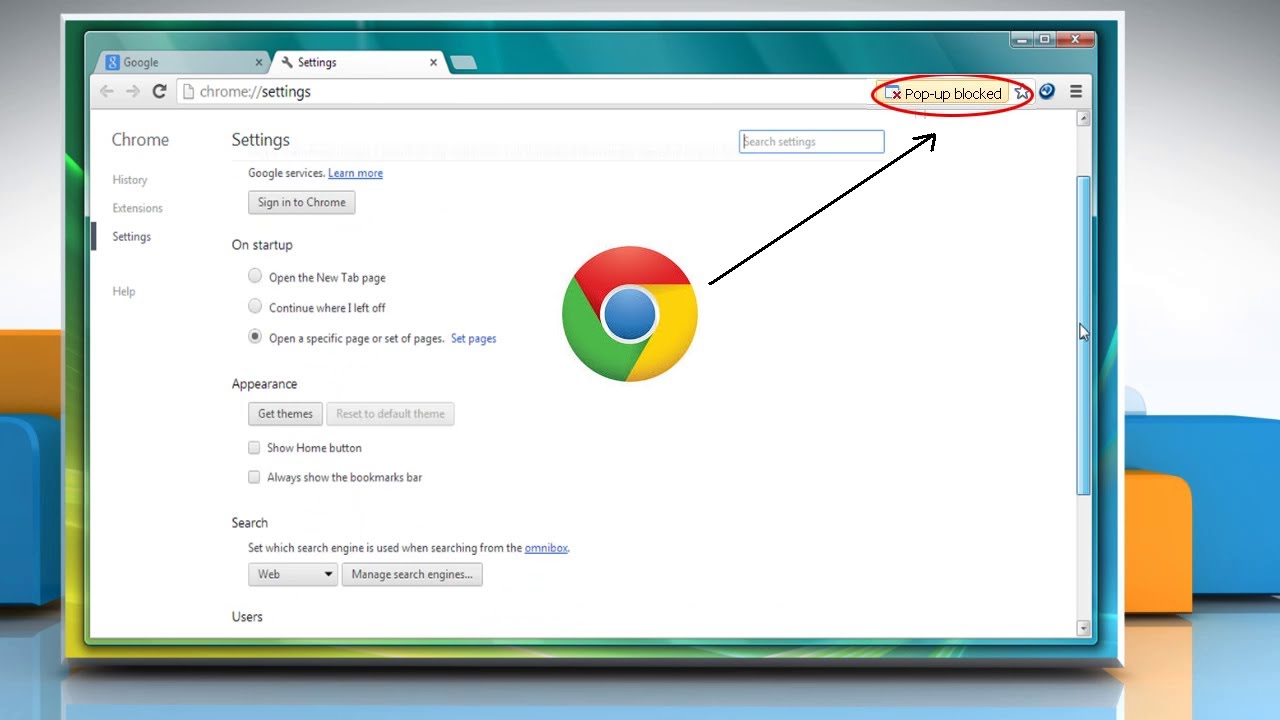
To unblock pop-ups on Chrome, click the "Pop-up blocked" icon in the address bar (it looks like a small window with a red slash) and select "Always allow pop-ups and redirects from [site]" for the specific site you trust. This is the fastest fix when a bank, school portal, or other legitimate service needs a pop-up that Chrome blocked automatically.
How to unblock pop-ups on Chrome for a single site
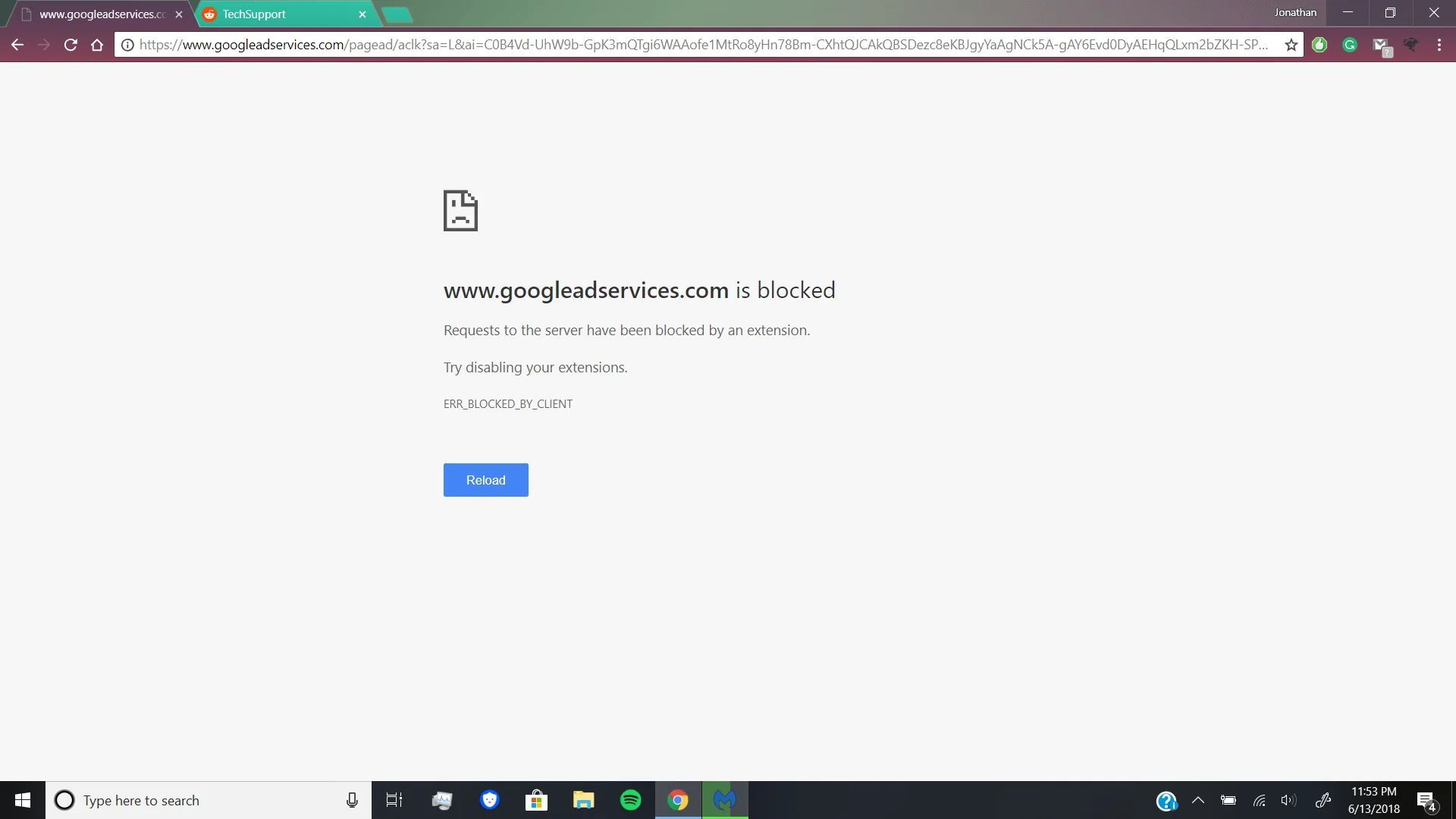
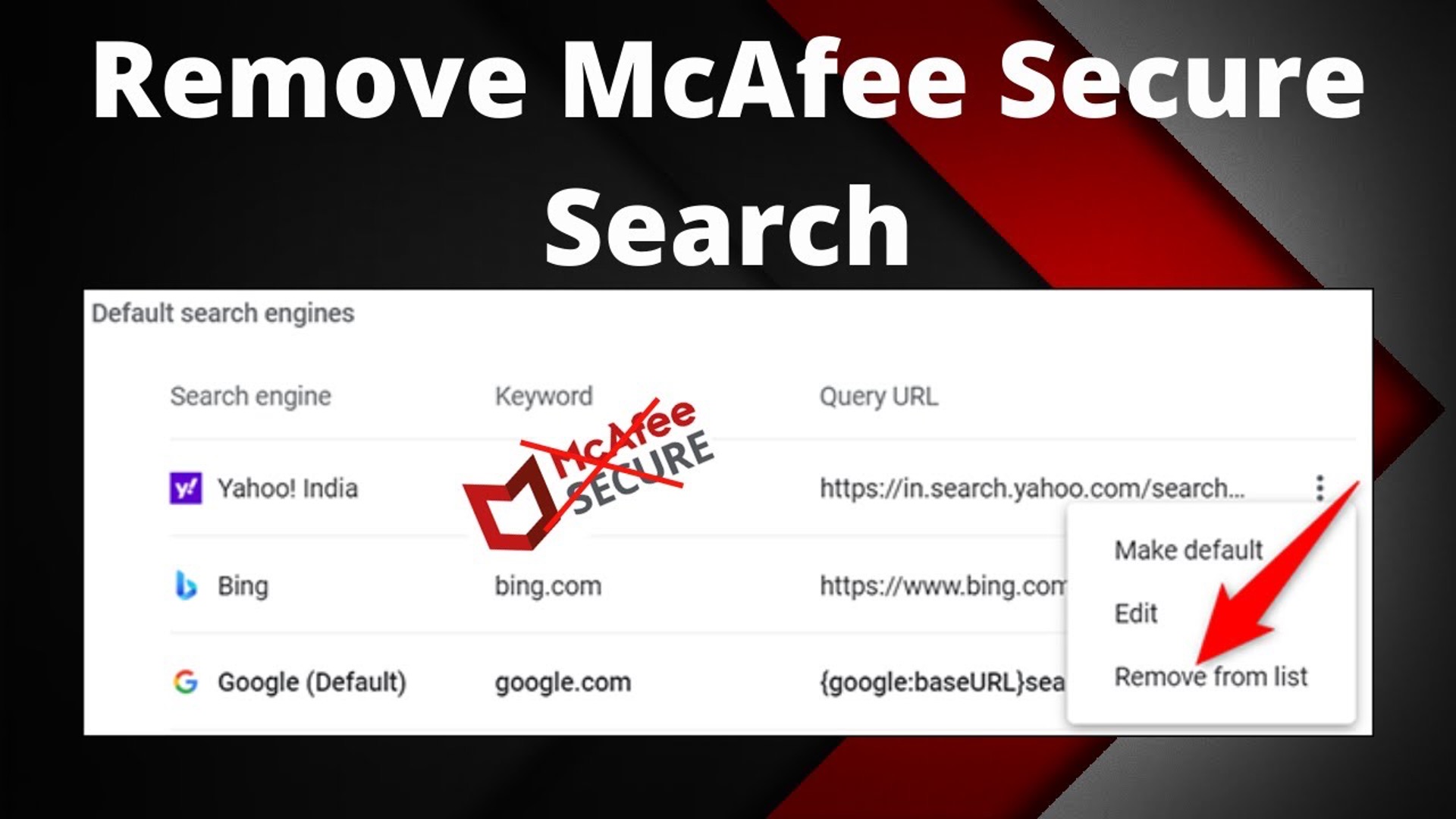
When Chrome blocks a pop-up, it places the "Pop-up blocked" icon at the right end of the address bar. Click that icon, then choose "Always allow pop-ups and redirects from [site]" and click "Done." This grants permission only for that exact website, leaving the global blocker intact everywhere else. If the pop-ups still redirect you to unwanted ad sites, you may need to remove googleadservices from Chrome to stop the intrusive redirects at their source. You'll typically see this icon only after a pop-up attempt has been blocked, so visit the page that needs the pop-up and trigger the action again if necessary.
How to unblock pop-ups on Chrome for all sites (desktop)
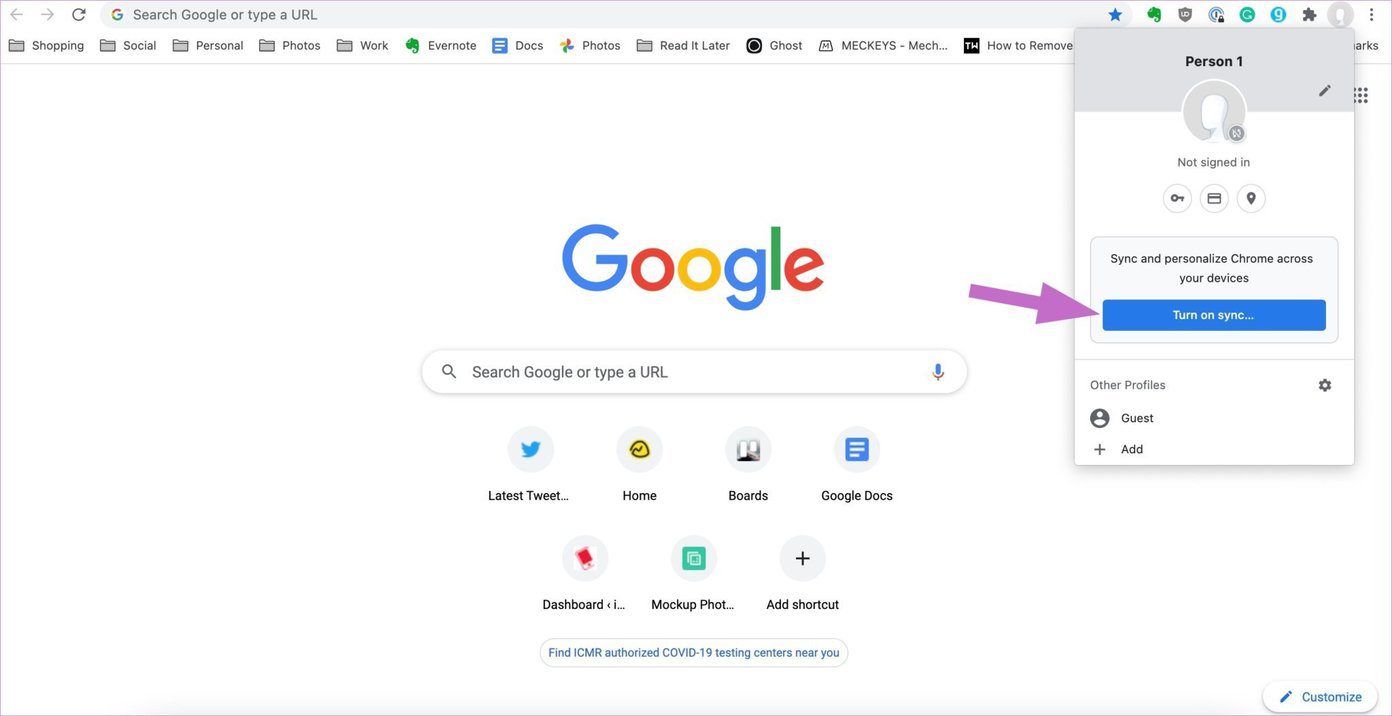
If you want to allow pop-ups everywhere, open Chrome and click the three vertical dots (More) in the top-right corner, then select "Settings." From there, go to "Privacy and security" and click "Site Settings." Scroll down and click "Pop-ups and redirects." This disables the blocker globally, so every website can open pop-ups without asking. Use this only if you're comfortable with the increased risk of unwanted windows.
How to unblock pop-ups on Chrome for Android
On an Android device, open the Chrome app and tap the three vertical dots (More) in the top-right corner, then tap "Settings." Select "Site settings," then "Pop-ups and redirects." Toggle the "Pop-ups and redirects" button to the off position, it will turn grey, to allow pop-ups across all sites. For a single site, you can skip the full settings path: when a pop-up is blocked on a page, tap "Always show" at the bottom of the screen to permit that site only. This shortcut is handy when you're on a mobile banking app or a university portal that needs a secondary window.
Managing exceptions for specific websites
For granular control, use the exceptions list under "Pop-ups and redirects" settings. You can also add sites to the "Block" list to keep specific domains from ever opening pop-ups, even if the global setting is set to allow. This approach lets you keep the blocker on by default while whitelisting only the handful of sites you genuinely trust, which is the safest way to balance convenience and security.
What to do when pop-ups still appear or settings are locked
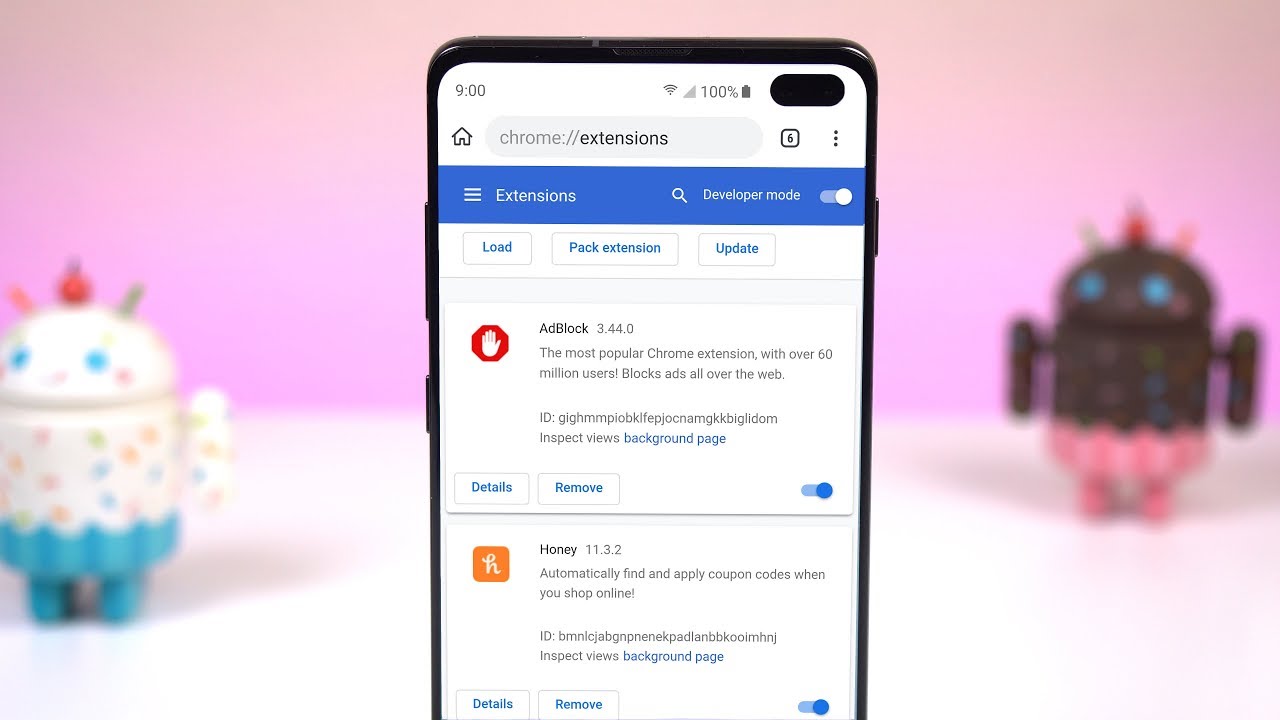
If pop-ups keep showing up after you've changed the settings, the cause is likely not the pop-up blocker itself. Chrome may be displaying subscribed notifications, check the lock icon next to the address bar and review the "Notifications" permission for that site. Malware can also force unwanted windows; run a scan with your antivirus software and reset Chrome's settings if suspicious behavior persists. In work or school environments, a network administrator may have locked the pop-up settings, preventing you from changing them. If that's the case, contact your IT department rather than trying to bypass the restriction. For personal devices, also consider that the pop-up you're seeing might come from an extension, disable extensions one by one to isolate the culprit. If you're dealing with persistent mobile ads and want to know how to get rid of pop up ads on my tablet, the same Android settings apply, but check for recently installed apps that might be generating ads outside the browser.