To resize the Google Chrome window on your desktop, drag any edge or corner with your mouse until the window is the size you want. You can also use the Maximize, Minimize, and Restore buttons in the top-right corner, or press keyboard shortcuts for faster control, all of which are covered below so you can resize Google chrome window exactly how you like it. If you need to adjust the interface itself, you can also make my tabs bigger in Google Chrome for easier navigation.
How to resize the Google Chrome window with your mouse
The most straightforward way to resize the Google Chrome window is by using your mouse. Hover the cursor over any edge or corner of the window until it changes into a double-headed arrow, then click and drag to adjust the size. Dragging an edge changes the window’s width or height, while dragging a corner changes both dimensions at once.
For quick, preset sizes, use the three buttons in the top-right corner of the window on Windows and Linux:
- Click the Maximize button (a square icon) to expand the window to fill the entire screen, excluding the taskbar.
- Click the Minimize button (a horizontal line) to shrink the window to the taskbar, keeping it accessible for later.
- Click the Maximize button again when the window is already maximized to Restore it to its previous size.
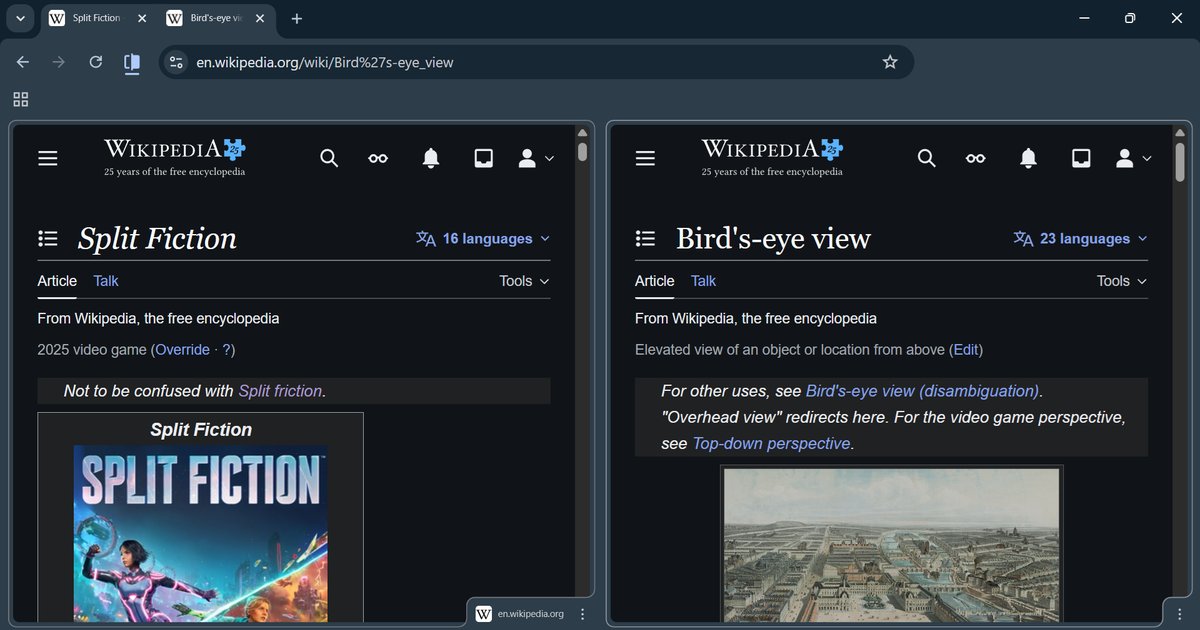
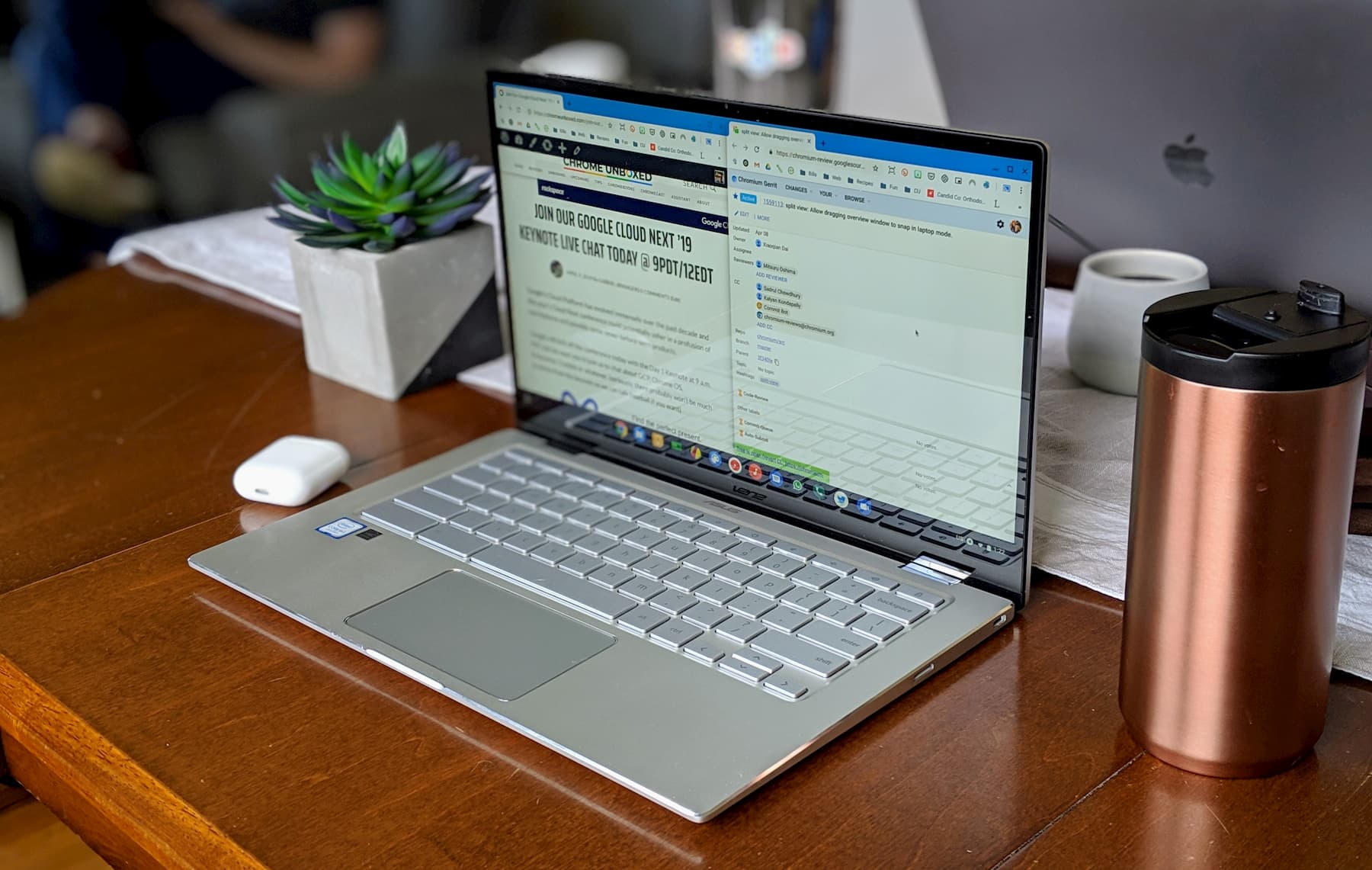
You can also snap the window to screen edges by dragging it to the left or right side of your display. When the window touches the edge, it automatically resizes to occupy half of the screen, which is handy for comparing two tabs or working side by side with another application.
How to resize the Google Chrome window with keyboard shortcuts
Keyboard shortcuts give you a faster way to resize Chrome without touching the mouse. On Windows and Linux, press F11 to toggle full-screen mode, which hides the browser’s title bar and the taskbar. On macOS, use ⌘ + Ctrl + f instead. Press the same shortcut again to exit full-screen and return to your previous window size; you’ll need to exit full-screen before you can manually resize the window.
For precise adjustments using the arrow keys, press Alt + Spacebar on Windows to open the system menu. From there, select “Size” and then use the arrow keys to resize the window in any direction. Press Enter when you’re done.
To snap the window to half the screen, use the Windows key plus the left or right arrow key. This instantly resizes and positions Chrome to occupy the left or right half of your display, making multitasking easier. You can also press the Windows key plus the up arrow to maximize the window, or the down arrow to restore it.
These shortcuts are especially useful when you need to adjust browser window size quickly while keeping your hands on the keyboard, such as during a presentation or while coding.
Resizing the window vs. zooming the page
It’s important to understand that resizing the Chrome window is different from zooming the page. When you resize the window, you change the overall dimensions of the browser frame, the area where tabs, the address bar, and the content live. Page zoom, on the other hand, changes the size of the content inside the tab, such as text, images, and videos.
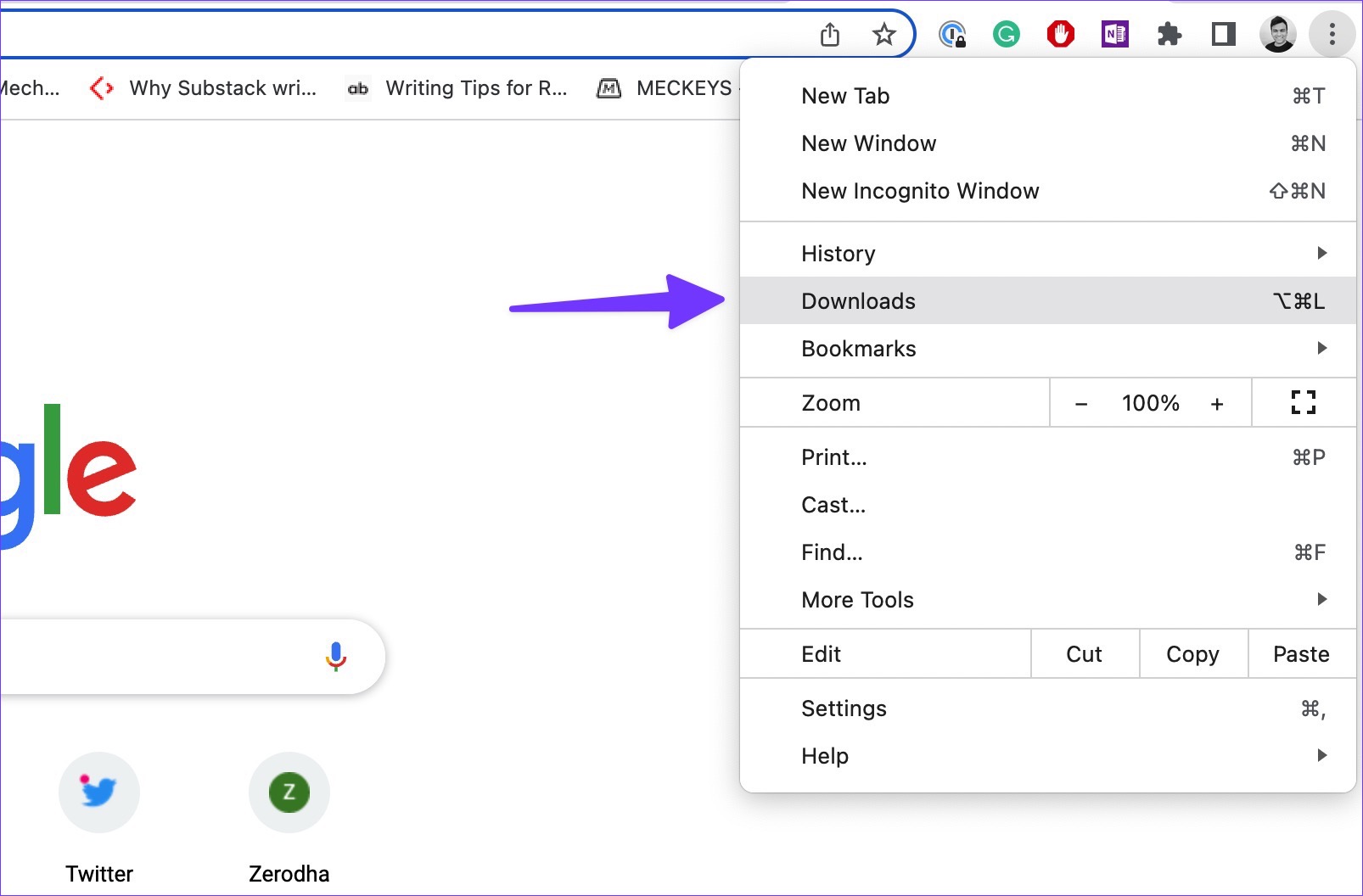
To zoom in or out on a page, use Ctrl + + to zoom in and Ctrl + - to zoom out on Windows and Linux, or ⌘ + + and ⌘ + - on macOS. You can also adjust zoom via the Chrome menu (the three vertical dots) under “Zoom.” Page zoom is useful when a website’s text is too small or too large, but it doesn’t affect the window size itself. If you’re trying to fit more content on screen, resizing the window is the right approach, not zooming.
For a complete overview of managing your browser’s layout, including resizing Chrome windows, tabs and fonts, keep in mind that window resizing and zoom are separate controls that serve different purposes.
Troubleshooting window resizing issues
If you find yourself stuck in full-screen mode, press F11 (or ⌘ + Ctrl + f on Mac) to exit. Full-screen mode hides the title bar and taskbar, which can make it seem like the window is unresponsive to resizing. Once you exit, the standard window controls return.
Another common issue is hitting the minimum width limit. Chrome windows cannot be resized below a certain width, around 500 pixels on Windows and 400 pixels on macOS. This limit exists because the browser needs space for the omnibox, extension icons, and other UI elements. If you try to drag the window narrower and it stops, you’ve reached this limit. To work around it, consider hiding some extensions or using a narrower browser window alternative, but note that Chrome itself will not go below this threshold.
If the window appears stuck at a small size, check that it isn’t minimized to the taskbar. Click the Chrome icon in the taskbar to restore it, then use the maximize button or drag the edges to resize. If the issue persists, restart Chrome, this usually resets any temporary window state problems.