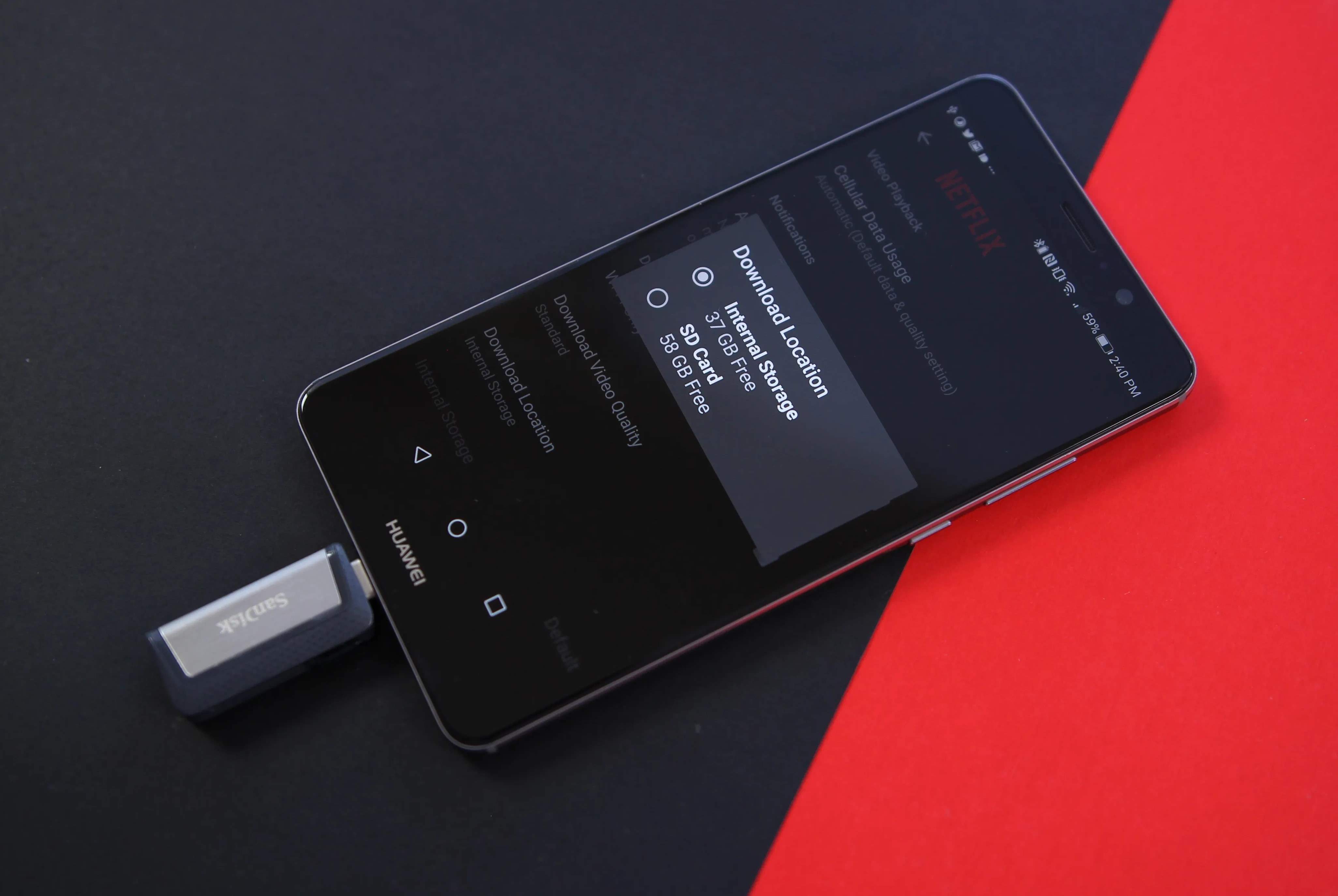
You can download Amazon Prime movies to a USB flash drive, but not as portable video files. Amazon's digital rights management (DRM) restricts downloaded titles so they only play inside the official Prime Video app. The practical solution is to change the app's download storage location to your USB drive, allowing you to save content directly onto it for offline viewing on that device only. If you're using a laptop, you can also download movies from Amazon prime to laptop to free up space on your external drive. If the drive isn't recognized, you may first need to download a thumb drive with a compatible file system.
Can you really download Amazon Prime movies to a USB flash drive?
No, you cannot download Amazon Prime movies to a USB flash drive as standalone video files that play on any device. All downloads from Prime Video are encrypted and protected by DRM, meaning they will only play within the Prime Video app on the device that downloaded them. The workaround is to redirect the app's download folder to your USB drive, so the encrypted files are stored there instead of your internal storage. This lets you save space on your device, but the content remains locked to the app and cannot be moved or played elsewhere.
What you need before you start
To change the download location, you need the following:
- An active Amazon Prime subscription
- A compatible device: Windows 10/11 PC or an Android phone/tablet
- The Prime Video app installed on that device
- A USB flash drive with enough free space for your chosen movies or shows
How to change the Prime Video download location on Windows
- Connect your USB flash drive to a USB port on your Windows computer.
- Open the Prime Video app for Windows. (If you don't have it, download it from the Microsoft Store.)
- Select your connected USB flash drive from the list of available drives.
- Confirm the selection. Future downloads will now save to the USB drive.
How to change the Prime Video download location on Android
- Insert your USB flash drive or SD card into your Android device. (You may need an OTG adapter for USB drives.)
- Open the Prime Video app on your Android phone or tablet.
- Select your connected USB drive or SD card from the options.
- Tap "OK" or "Apply." All new downloads will be stored on the external drive.
Important limits and restrictions to know
Amazon does not recommend saving downloads onto USB-connected drives via the official app, and doing so may cause unexpected errors. Downloaded videos typically have a viewing period of 30 days to begin watching, and once started, you usually have 48 hours to finish watching. Purchased videos generally have an indefinite viewing period, but a 48-hour offline viewing warning may appear if the device is offline for an extended time, which can be refreshed by reconnecting to the internet. A single title can usually be downloaded to no more than two devices at a time.
How to safely eject your USB drive
This prevents data corruption and ensures your downloaded content remains intact.
For the wider topic, see download on tubi.