Getting music onto your iPhone from other sources with download iTunes to iPhone
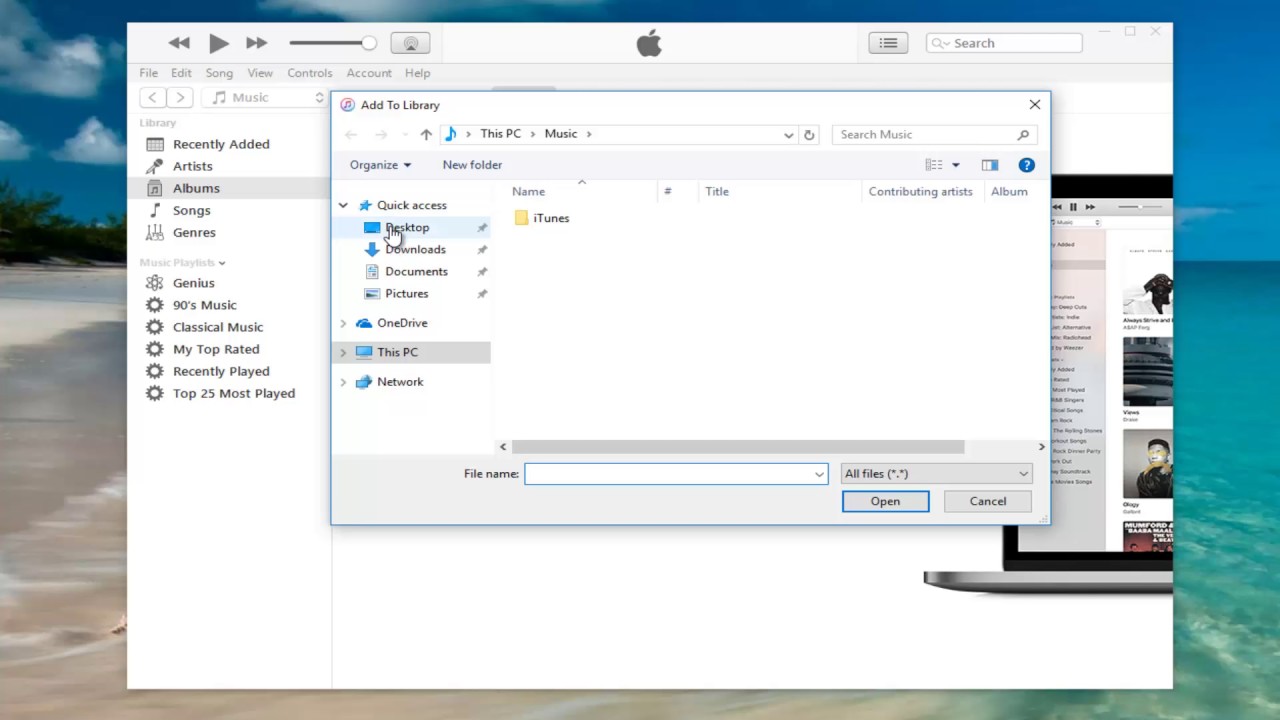
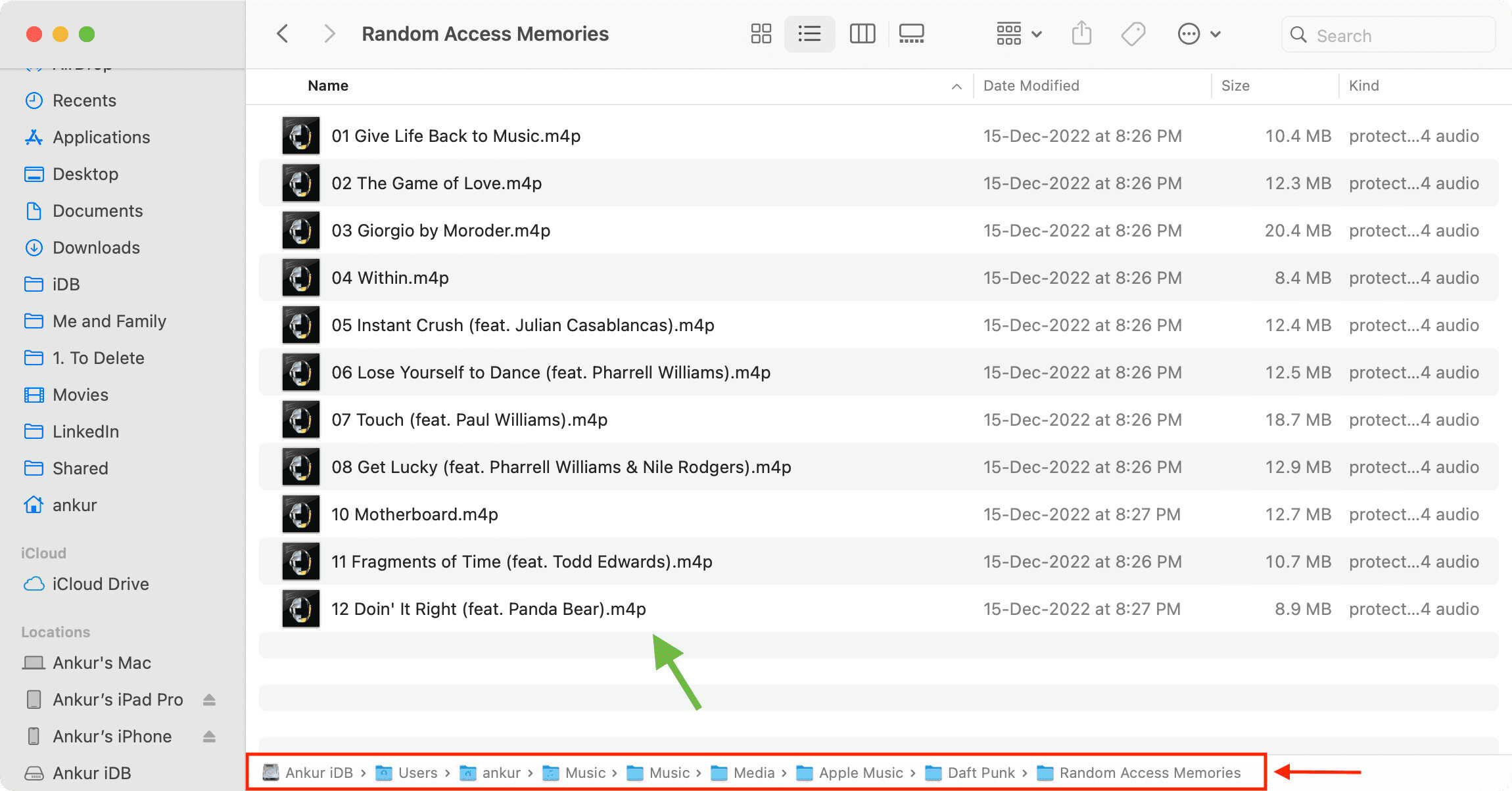
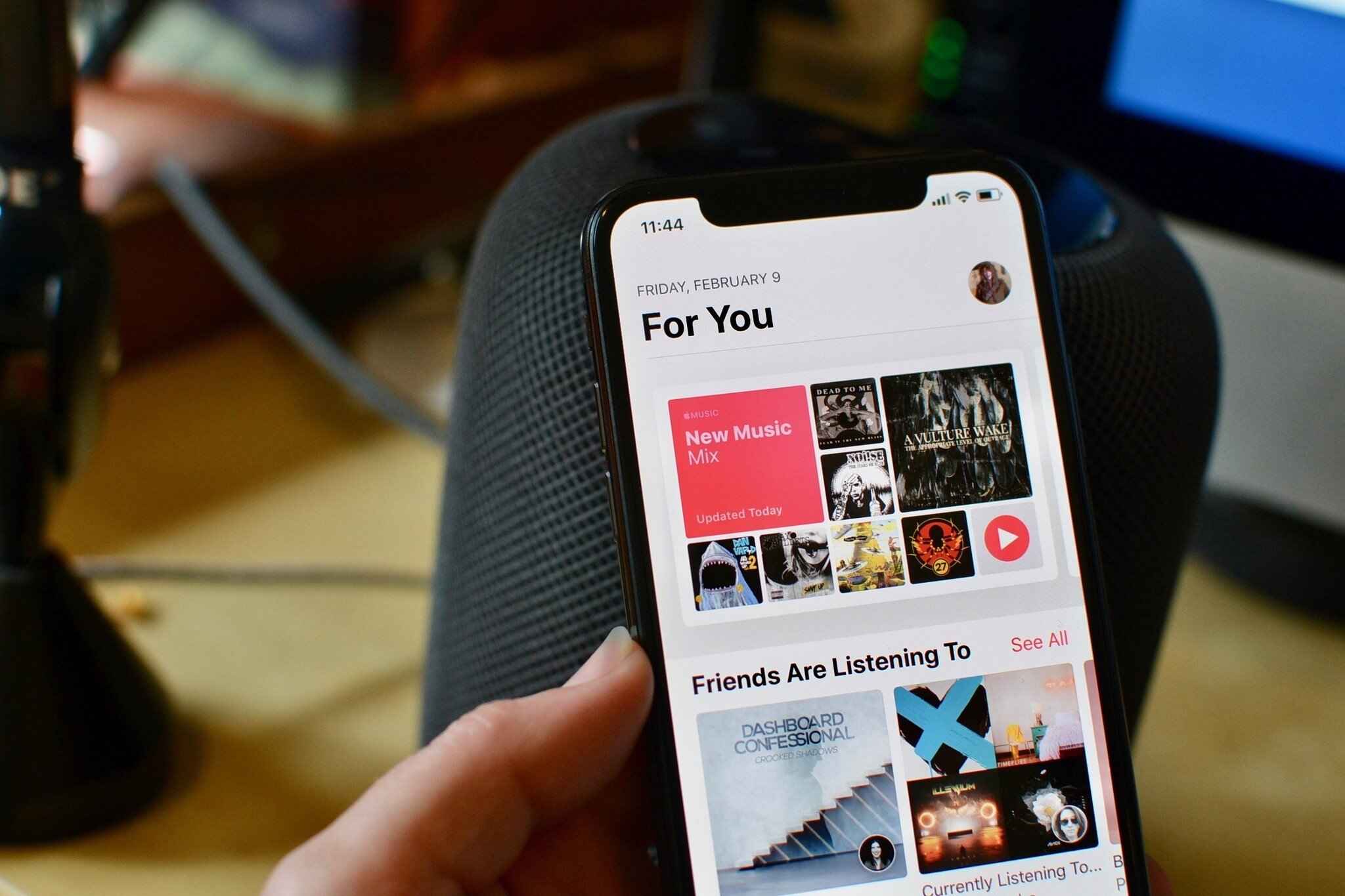
To manage music on a modern iPhone, you actually use the Music app or Finder on your Mac instead of the classic iTunes software. If you have music sitting on YouTube, a CD, or another platform, you can still bring it into your iPhone's library. The process depends on what version of macOS or Windows you're using. On a modern Mac with Catalina or later, you no longer see iTunes. Instead, you use the Finder to sync and the Music app to manage your library. To get that YouTube track into your iPhone, you first need to download the audio file to your computer. Then open the Music app and drag the file into your library. Once it's there, connect your iPhone, select it in Finder, go to the Music tab, and choose to sync that content to your device. For example, you might want to download YouTube songs to Apple music, but that only works if you first save the audio locally as an MP3 or M4A file. The same logic applies to physical media. To download music from a cd to iPhone, you rip the CD to your computer using a program like Windows Media Player or the Music app itself. Then you add those ripped files to your library before syncing. If you are still on an older PC with iTunes installed, the workflow is similar. You can download music from YouTube to my iTunes by converting the YouTube video to an audio file, importing it into iTunes, connecting your iPhone via USB, selecting it in iTunes, and using the Music tab to sync the new files. On newer systems, "iTunes" is effectively the Finder or Music app, so the steps change slightly, but the concept remains the same. Apple Music does not host or provide access to YouTube content, so every method here relies on you first owning a local audio file.
Syncing without losing what you already have
If you have a carefully curated music library on your iPhone, the last thing you want is to wipe it clean just to add a few new songs. Fortunately, modern Apple tools make it straightforward to start syncing music to an iPhone without erasing the library. You just need to use the Finder (on macOS Catalina or later), not the old iTunes. On a Mac, open Finder, select your iPhone in the sidebar, click the Music tab, and check "Sync music." Then choose "Selected playlists, artists, albums, and genres" rather than "Entire music library." On a PC, the classic iTunes still handles this, but the same principle applies: avoid options that will erase your existing music before hitting Apply.
When your computer suddenly goes silent with no chime or device icon, you are dealing with the common headache of iTunes not recognizing an iPhone when plugged in. Before you panic, check the physical cable. Use an Apple-certified Lightning cable, not a cheap knockoff, and inspect the port for lint. On a Mac running Catalina or later, remember that iTunes no longer exists; you must open Finder instead. If Finder also shows nothing, restart both devices, then try a different USB port. On a PC, ensure you have the latest version of iTunes installed. If the iPhone appears in Windows Device Manager but not in iTunes, reinstall the Apple Mobile Device USB Driver. The key insight is that Apple replaced iTunes with separate apps on modern Macs, so if your computer shows no iTunes at all, you need the Finder to manage your music.
Managing older devices and file quality
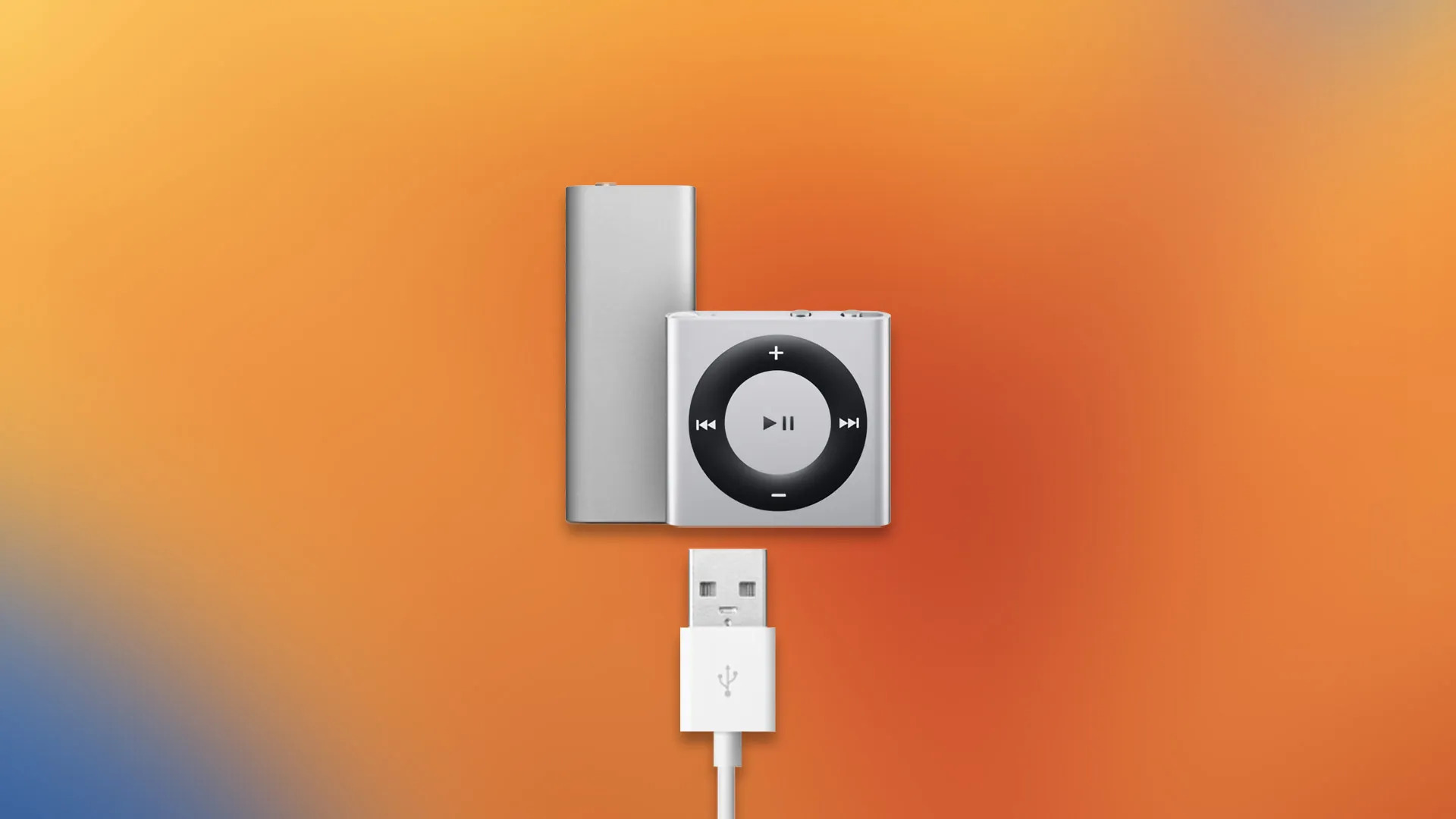
If you are still using an older iPod, especially a model like the iPod shuffle that relies on a cable and a computer to load songs, you might be surprised by a recent change. The classic iTunes software is no longer available on modern Macs, but it is still available and receives regular updates on Windows. Apple’s shift to the Music app and Finder on Mac means the old sync workflow is gone on that platform, though the classic iTunes workflow remains available on Windows. You will need different steps to transfer tracks to those legacy devices. For example, if you want to put songs onto a first-generation iPod nano or a second-generation shuffle, you can download music to iPod shuffle without iTunes using dedicated third-party tools. This search will lead you to dedicated tools that handle the sync directly, bypassing the need for Apple’s old desktop app entirely. At the same time, when you are building a library for an older iPod with limited storage, choosing the right file type is essential. You should consider the best audio format for iPhone music quality vs file size. Compressed formats like 256 kbps AAC give you near-CD sound while leaving room for hundreds more tracks than lossless files would. A concrete rule of thumb: for a 4 GB iPod shuffle, AAC at 256 kbps lets you carry roughly 1,000 songs, whereas Apple Lossless would cut that number by more than half. Balancing quality and capacity keeps your device useful without constant swapping. This workaround is necessary because Apple permanently retired the classic iTunes desktop software for newer Macs.