





How Bitcoin’s Mysterious Founder Changed the Way We Think About Money
In October 2008, the global financial system was in freefall. Banks were collapsing. Governments were shoveling taxpayer money into institutions that had gambled recklessly with ordinary people’s savings. At that exact moment, someone posted a nine-page document to a small cryptography mailing list. It described a completely new kind of money. No banks. No central authority. No need to trust anyone except the math itself. That document would eventually grow into something worth more than the GDP of most countries, backed by no government and controlled by no one.
The Big Picture
- Bitcoin was created in 2008 as a direct response to the collapse of trust in the traditional banking system.
- Its anonymous creator, known only as Satoshi Nakamoto, disappeared in 2011 and has never been identified.
- Bitcoin has since forced mainstream finance to reconsider what money is and who actually gets to control it.
The Financial Meltdown That Made Bitcoin Possible
To understand why Bitcoin exists, you have to sit with the anger of 2008. The financial crisis wasn’t just a bad year for markets. It was a breakdown of trust. Major banks had bundled risky mortgage loans into complex financial products, sold them globally, and watched the whole structure detonate. When the damage was done, governments stepped in to rescue the same institutions that caused the crash. Millions of ordinary people lost their homes, their savings, and their faith in the financial establishment.
What made it worse was the feeling of powerlessness. Your money sat in an account controlled by a bank that could freeze it, restrict it, or lose it through reckless decisions you had no say in. Your government could print more currency and quietly erode the value of what you’d saved. The entire system depended on trusting institutions that had just demonstrated, at catastrophic scale, that they weren’t worthy of that trust.
That’s the soil Bitcoin grew from. It wasn’t born from a tech trend or a Silicon Valley pitch deck. It was born from a very specific, very painful failure of centralized financial power, and the question of whether there was another way.
A Nine-Page Paper That Rewrote the Rules
On October 31, 2008, a white paper titled “Bitcoin: A Peer-to-Peer Electronic Cash System” appeared on a cryptography mailing list. It proposed a system for sending money directly between two people, anywhere in the world, without a bank or payment processor involved. Transactions would be verified by a distributed network of computers using cryptographic proof. A public ledger called a blockchain would record every transaction permanently, making fraud nearly impossible to sustain.
The paper solved a problem that had stumped cryptographers for decades: how do you stop someone from spending the same digital coin twice without a central authority keeping score? The answer used mathematical consensus to do what banks had always done with ledgers, but without the bank. Those nine pages remain publicly accessible. That Bitcoin whitepaper reads as freshly provocative today as it did in 2008, a rare thing for any technical document.
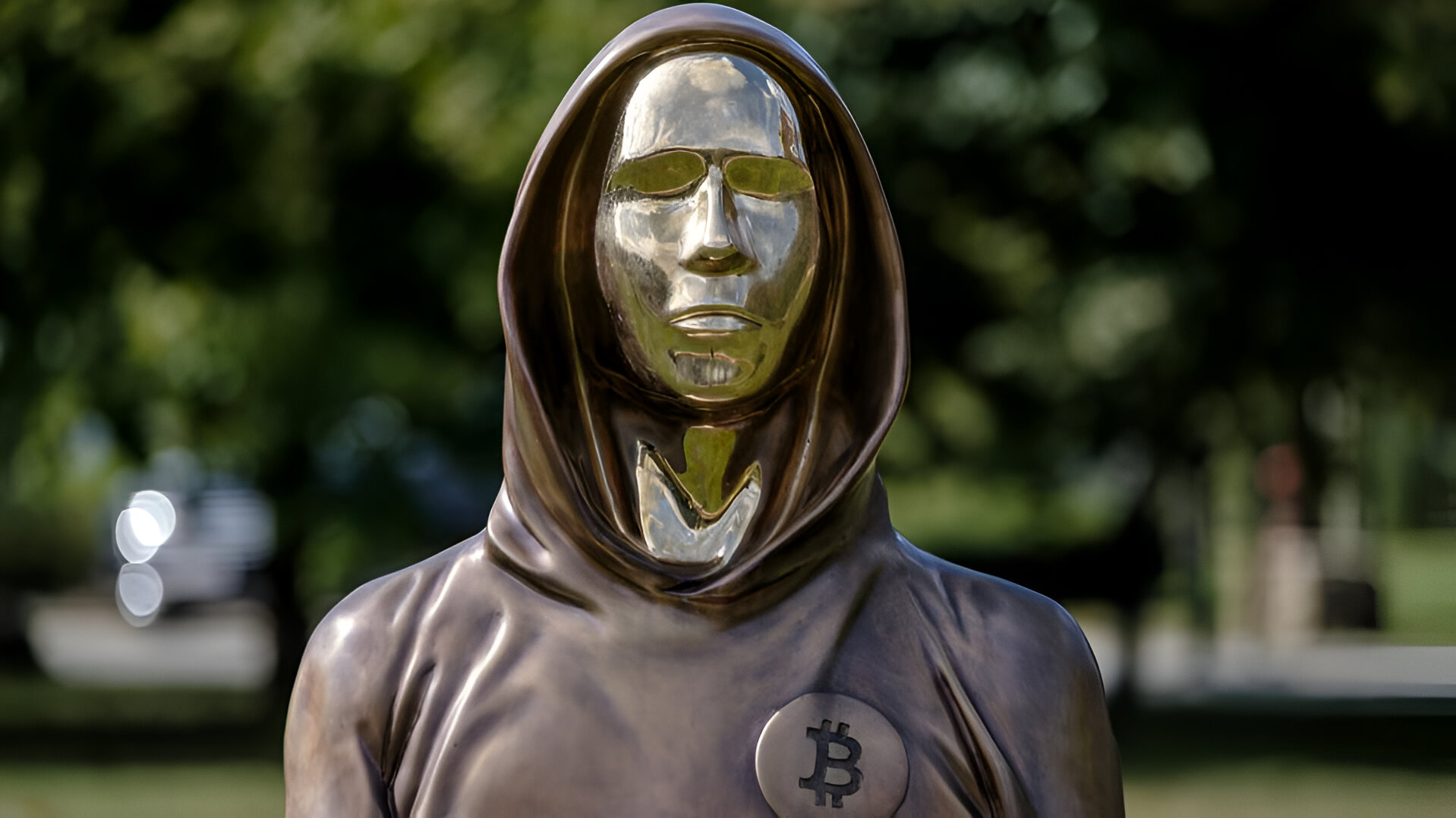
The paper was published under a pseudonym: Satoshi Nakamoto. Who that Bitcoin creator really is has never been confirmed, and that mystery has become one of the most fascinating threads in the entire story of digital money.
The Vanishing Act of Satoshi Nakamoto
Satoshi spent roughly two years actively building Bitcoin. They corresponded with early developers through email and online forums, fixing bugs, explaining design decisions, and nudging the project forward. Their writing was clear, technically precise, and carefully impersonal. No location. No real name. No personal detail that could give them away to anyone paying close attention.
Then, in April 2011, Satoshi sent a final message to a fellow developer saying they had “moved on to other things” and went completely silent. No farewell post. No announcement. Just gone.
In the years since, journalists and researchers have proposed dozens of candidates. Names like Nick Szabo, a cryptographer whose earlier work closely resembles Bitcoin’s design, have come up repeatedly. Craig Wright, an Australian computer scientist, has claimed in court to be Nakamoto. None of the accusations have been settled with convincing proof. Satoshi remains one of the most searched, most theorized, and least verified mysteries in the history of technology.
The disappearance may have been entirely deliberate. A Bitcoin with a known, reachable founder could have been pressured by regulators, subpoenaed by governments, or manipulated by anyone with enough leverage over that single person. By vanishing, Satoshi left Bitcoin truly leaderless. That absence of a head, paradoxically, may be what has allowed the network to survive every attempt to dismiss or destroy it.
From Obscure Mailing List to Global Financial Asset
The early days of Bitcoin were genuinely humble. The first known commercial transaction happened on May 22, 2010, when a programmer named Laszlo Hanyecz paid 10,000 Bitcoin for two pizzas. Those coins are now worth hundreds of millions of dollars. That date is commemorated annually in the Bitcoin community as Bitcoin Pizza Day, a reminder of how far the asset has traveled from its origins.
Adoption was slow at first, concentrated among libertarians, tech enthusiasts, and people with deep distrust of conventional financial systems. Then mainstream media started covering it. Then investors noticed. Then hedge funds. By 2021, companies like MicroStrategy were holding Bitcoin as a treasury asset. El Salvador adopted it as legal tender. Major banks that had spent years dismissing it began quietly building crypto infrastructure and offering Bitcoin products to clients.
The price history has been brutal and spectacular in equal measure. Bitcoin has dropped more than 80 percent from its peak on multiple occasions. Each time, it has clawed back to new highs. That volatility repels some investors and attracts others. But the real story isn’t the price line on a chart. It’s how far the underlying idea traveled from a nine-page PDF sent to a few hundred people in 2008.
What Bitcoin Actually Changed About Money
Beyond headlines and trading charts, Bitcoin introduced a set of ideas that have permanently altered how financial systems are understood. These aren’t purely technical details. They’re philosophical shifts about who money belongs to and how it should function in a modern society.
- Self-custody: For the first time, people could hold a financial asset that no bank, government, or third party could freeze or confiscate without access to a private cryptographic key.
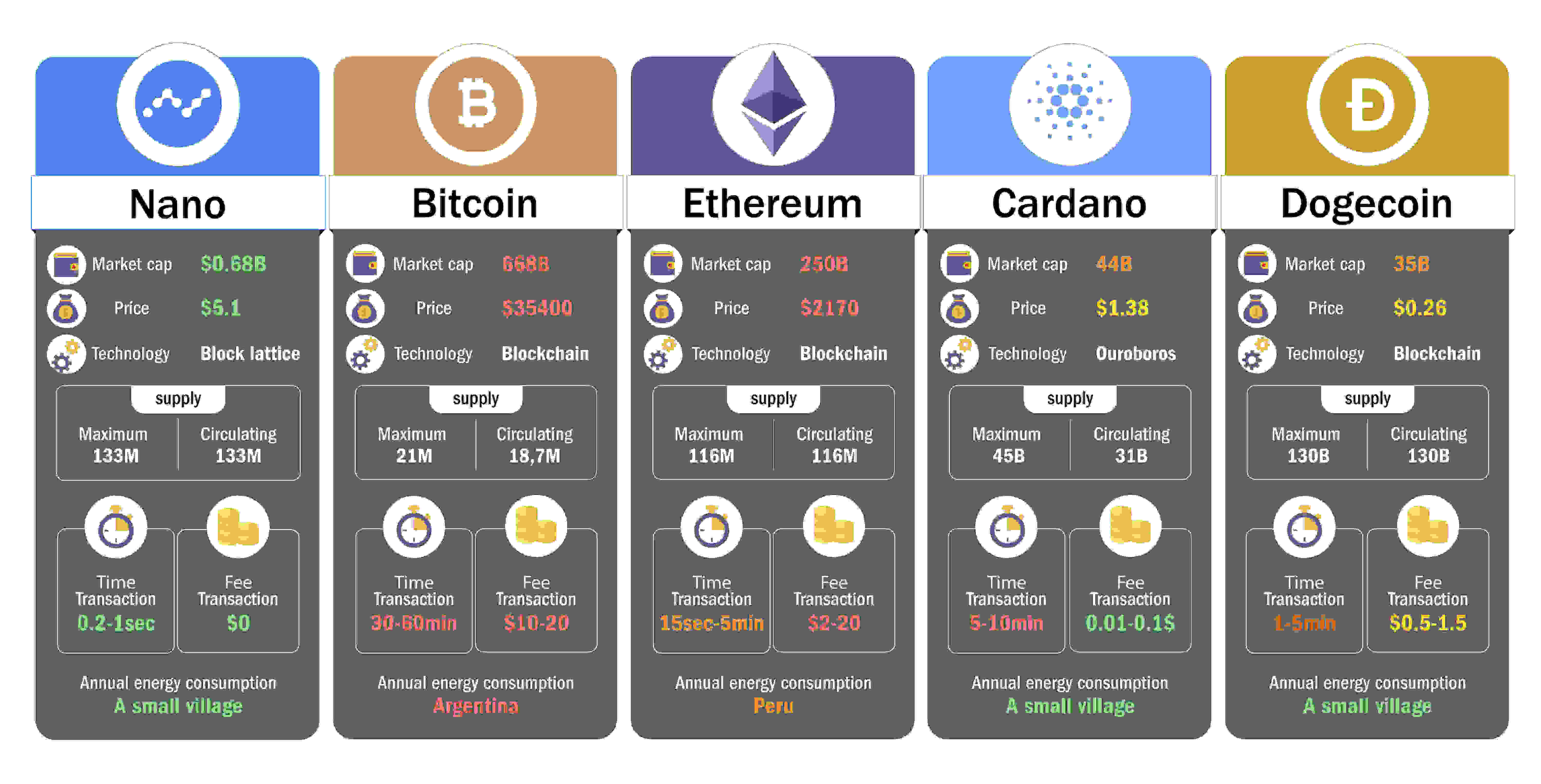
- Programmable scarcity: Bitcoin has a hard cap of 21 million coins baked into its code. No authority can create more. That’s a fundamental departure from fiat currency, where central banks control supply.
- Borderless transactions: Sending Bitcoin from Lagos to London costs the same as a local transfer and settles in minutes rather than business days.
- Trustless verification: Participants don’t need to trust each other or any institution. The network verifies every transaction through math and decentralized consensus.
- Transparent record-keeping: Every transaction is permanently recorded on a public blockchain, which is both a privacy trade-off and a powerful structural check against fraud.
These ideas spread far beyond Bitcoin itself. Central banks started researching digital currencies of their own. Payment processors built crypto infrastructure. Regulators scrambled to create legal frameworks for assets that didn’t fit existing categories. The conversation Bitcoin started is now woven into the fabric of global finance, whether or not the people running that finance wanted it there.
How Bitcoin Compares to the Traditional Banking System
| Feature | Traditional Banking | Bitcoin |
|---|---|---|
| Control of funds | Held and managed by the institution | Held by whoever controls the private key |
| Currency supply | Set by central banks, can expand indefinitely | Fixed cap of 21 million coins |
| International transfers | 1 to 5 business days, variable fees | Minutes, flat network fee |
| Account access | Can be frozen by the institution or regulator | Cannot be frozen without the private key |
| Transaction record | Private, held internally by the bank | Public, permanently on the blockchain |
| Central authority required | Yes, a regulated institution must be involved | None |
The Story That Finance Can’t Stop Telling
Bitcoin has been pronounced dead by pundits, journalists, and central bankers hundreds of times since 2009. Every one of those obituaries has been premature. That staying power isn’t accidental. It comes directly from the architecture Satoshi built, and from the problem that architecture was designed to address.
Satoshi Nakamoto created something and then deliberately removed themselves from it. No one can pressure them. No government can summon them. No company can acquire them. Bitcoin was designed to function without its founder, and after more than fifteen years, that design has held under conditions that would have destroyed any ordinary organization.
Part of what keeps Bitcoin relevant is that the distrust that created it hasn’t gone away. Currency devaluation, financial exclusion, account freezes, and institutional failures are still daily realities for hundreds of millions of people across the world. Bitcoin offers a different model. It is imperfect. It is volatile. It has real limitations. But it is also genuinely different from anything that existed before October 2008.
For anyone who earns, saves, or worries about the safety of their money, the Bitcoin story isn’t really a crypto story. It’s a story about power. Specifically, about who has power over your financial life and whether that power can be redistributed through technology and mathematics rather than trust in institutions. Satoshi Nakamoto started that conversation, then stepped back and let the idea carry itself. Whoever they were, the idea survived. And it isn’t finished yet.