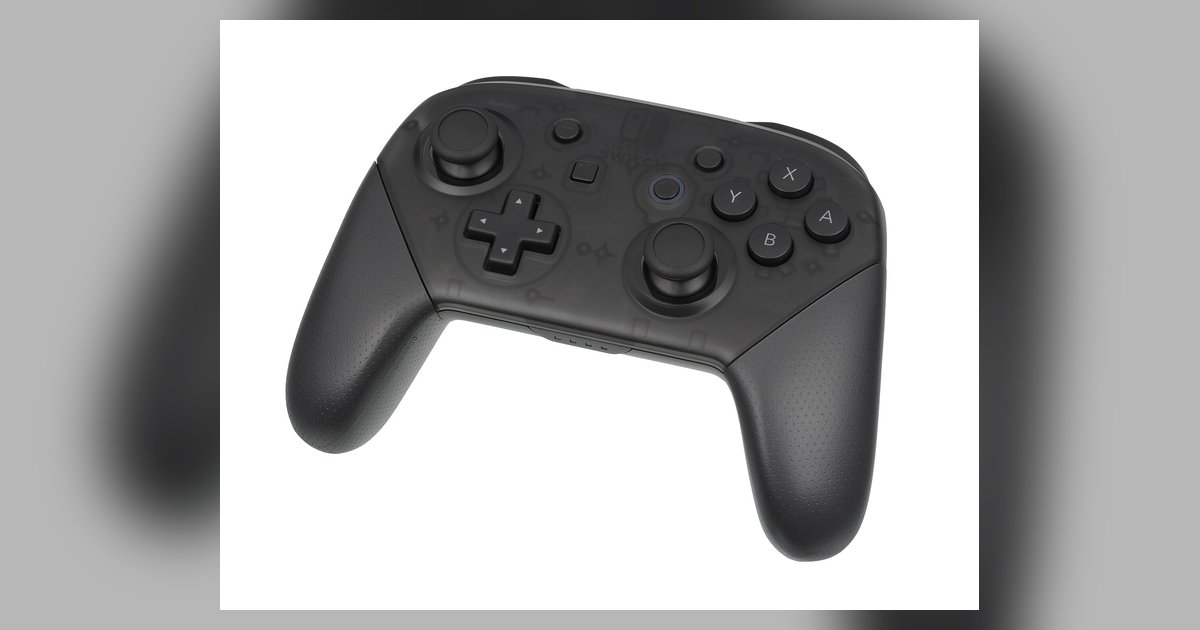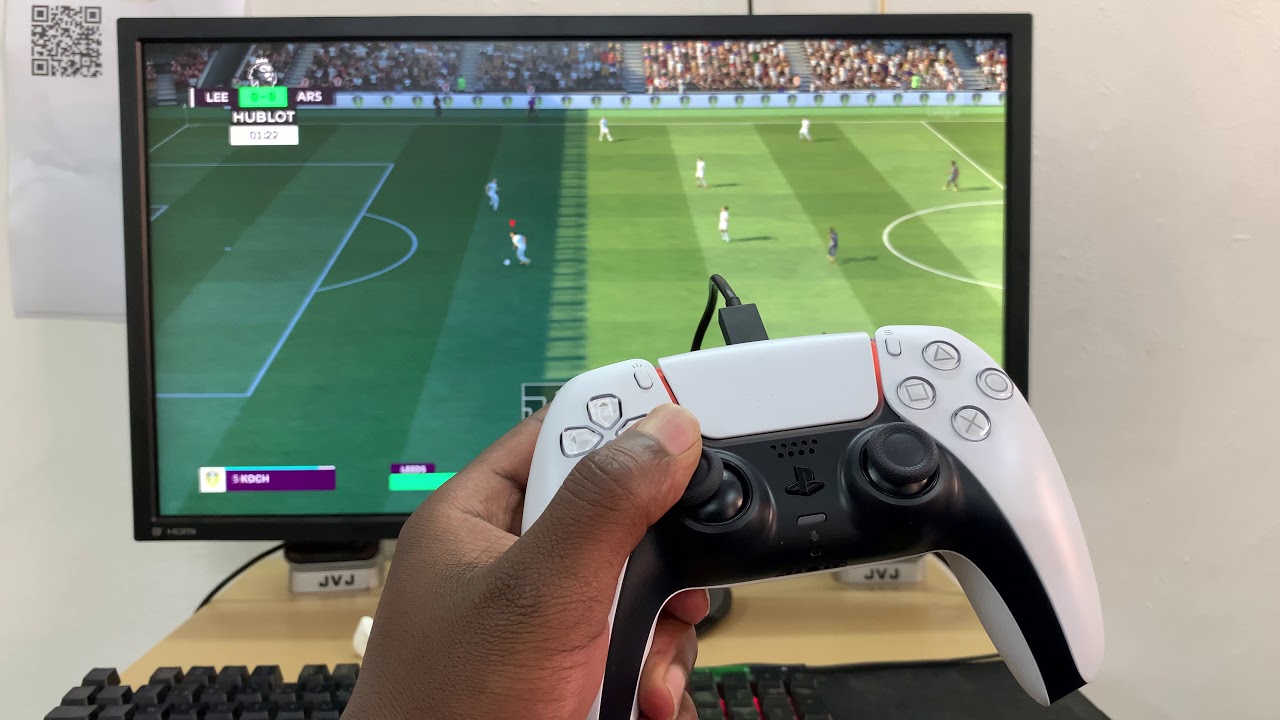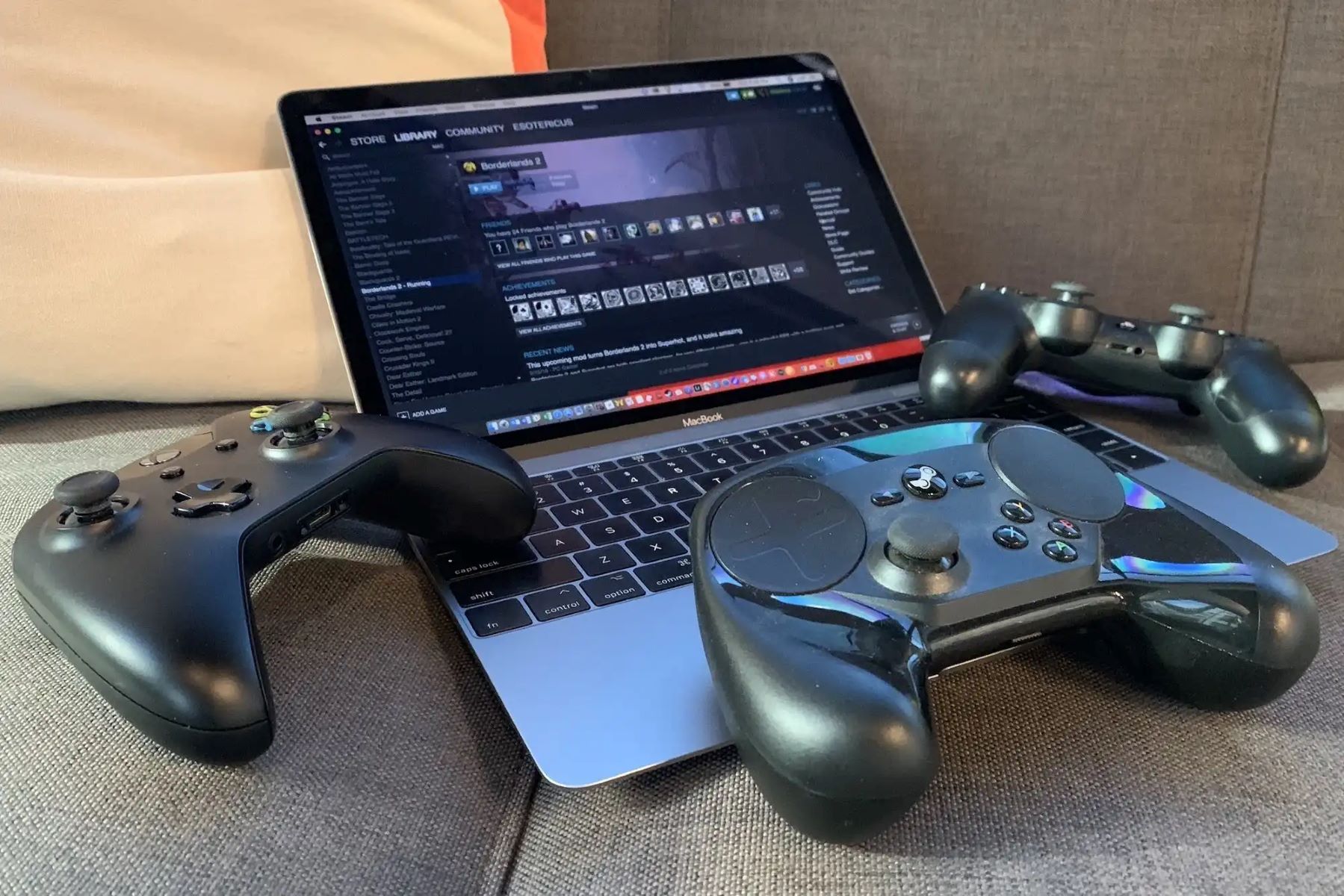
To use a game controller on Mac with Steam, you need to connect your controller, grant Steam permission in macOS privacy settings, and enable the correct configuration support in Steam’s controller settings. This process works for PlayStation, Xbox, and Nintendo Switch Pro controllers, and it ensures your controller responds reliably across your entire Steam library.
Connect your game controller to your Mac
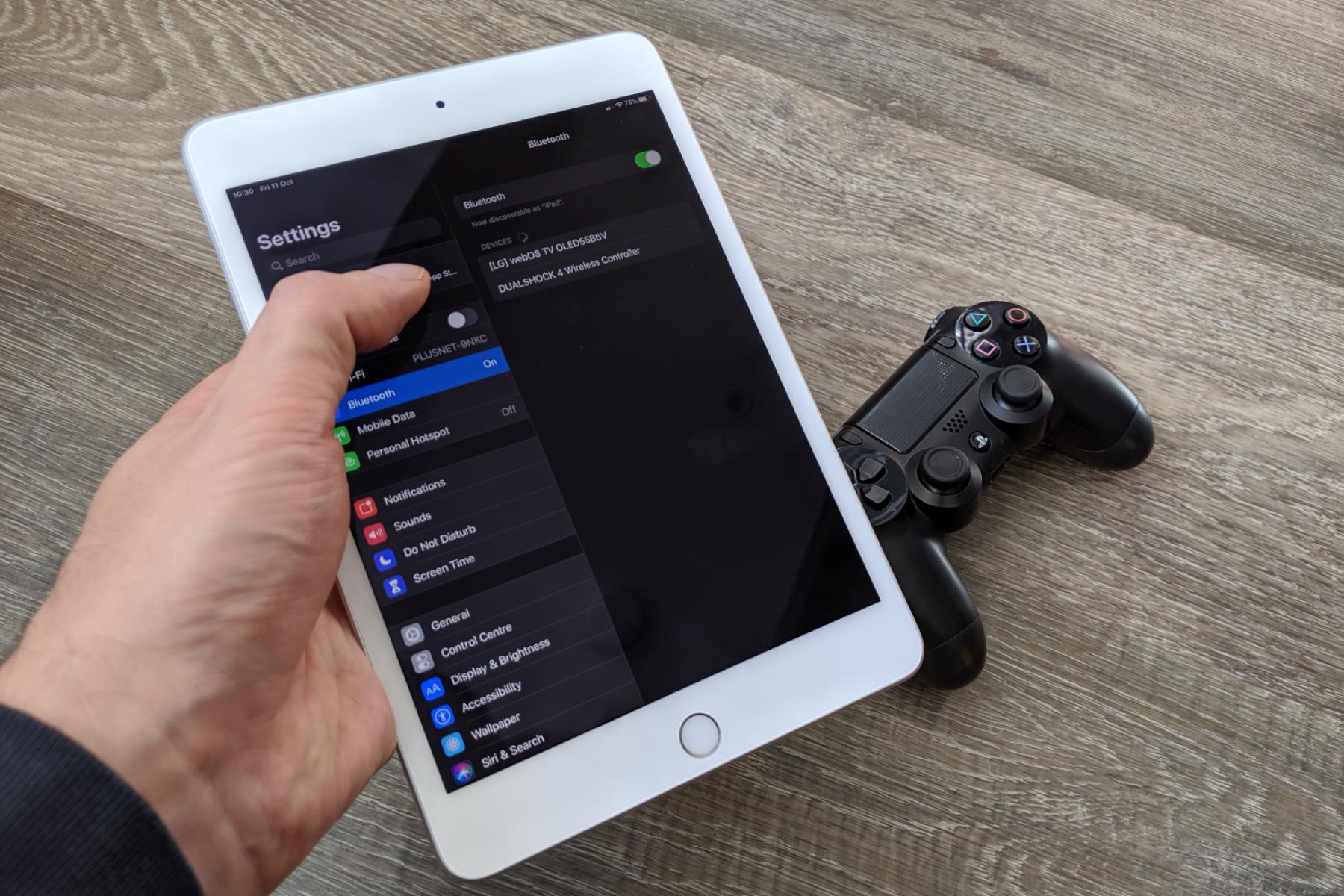
You can connect compatible game controllers to your Mac using either a Bluetooth wireless connection or a wired USB connection. For Bluetooth, put your controller into discovery or pairing mode (check the controller’s instructions for the specific button combination), then open System Settings, click Bluetooth in the sidebar, ensure Bluetooth is on, and select your controller from the list of nearby devices before clicking Connect. For a wired connection, simply plug the controller into your Mac using a USB cable; depending on your Mac model and controller type, you may need a USB adapter. Note that macOS Ventura 13 or later is required to customize controller buttons directly within System Settings, and Steam’s Big Picture Mode works on Macs running macOS 12 or later.
Give Steam permission in macOS Privacy & Security
If your controller is connected but unresponsive in Steam games, the most common culprit is macOS privacy restrictions. Go to System Settings > Privacy & Security, then enable Steam under both Input Monitoring and Accessibility. This is a crucial troubleshooting step that prevents macOS from blocking controller input from reaching Steam, and it’s the first thing to check when buttons or sticks do nothing in-game. Without these permissions, Steam may detect the controller but never receive its signals, leaving you stuck with keyboard and mouse.
Configure your controller in Steam’s settings
Once your controller is connected and Steam has the necessary permissions, open Steam, go to Steam > Settings > Controller > General Controller Settings. In this window, check the box for your specific controller type: PlayStation Configuration Support, Xbox Configuration Support, Switch Pro Configuration Support, or Generic Gamepad Configuration Support. This tells Steam Input to treat your hardware as a gamepad and enables remapping. Steam Input acts as an input mapper, allowing you to remap physical controller inputs to keyboard, mouse, or emulated gamepad buttons, which is crucial for games without native controller support. You can also calibrate your controller here and adjust analog stick and trigger sensitivity to your preference.
Customize per-game configurations
For a tailored experience, open Controller Configuration within the same settings menu. Here you can create, edit, and share custom configurations for individual games. Steam also hosts a large library of community-created configurations, so you can browse and apply setups other players have made for specific titles. Whether you need precise aiming in shooters or optimized button layouts for platformers, this per-game flexibility lets you switch control schemes without reconfiguring anything manually.
Use your controller with Steam games
Launch any game from your Steam library, and Steam Input will automatically apply your selected configuration. The controller works seamlessly across titles, so you can move from an action game to a racing game without unplugging or re-pairing anything. The controller adapts to each game’s unique control scheme, giving you a console-like experience on your Mac. However, be aware that some advanced DualSense features, like haptic feedback and the built-in microphone or speaker, may not be fully compatible with Mac, though the headset jack typically works with a wired connection. For most games, standard buttons, triggers, and sticks function as expected, and Steam’s broad support covers official Xbox controllers (including Model 1708 and Series S/X), Sony DualShock 4 and DualSense, and Nintendo Switch Pro controllers. If you run into issues with a specific controller model, verify it’s an official product and check that Steam is fully enabled in both Input Monitoring and Accessibility, as those two settings resolve the vast majority of unresponsive-control problems on macOS. If a title still refuses to launch, you may need to play Windows Steam games on mac using a compatibility layer to get full controller support.
\nRelated reading: How To Hook Up A Game Controller To A Smart TV and How To Connect A Game Controller To Roku TV.