If you are looking for legal torrent alternatives 2025, the safest and most responsible answer is to avoid torrent proxy sites entirely and instead use legitimate platforms for free and paid digital content.
Why Torrent Proxy Sites Are Not a Safe Shortcut
Torrenting itself is a neutral technology. The BitTorrent protocol enables peer-to-peer file sharing, and it is not inherently illegal. Whether torrenting is legal depends entirely on what you are sharing or downloading. If the content is copyrighted and you do not have permission from the rights holder, then using torrents to obtain or distribute that material is illegal in most countries. This applies whether you use a direct torrent site or a proxy site that mirrors it.
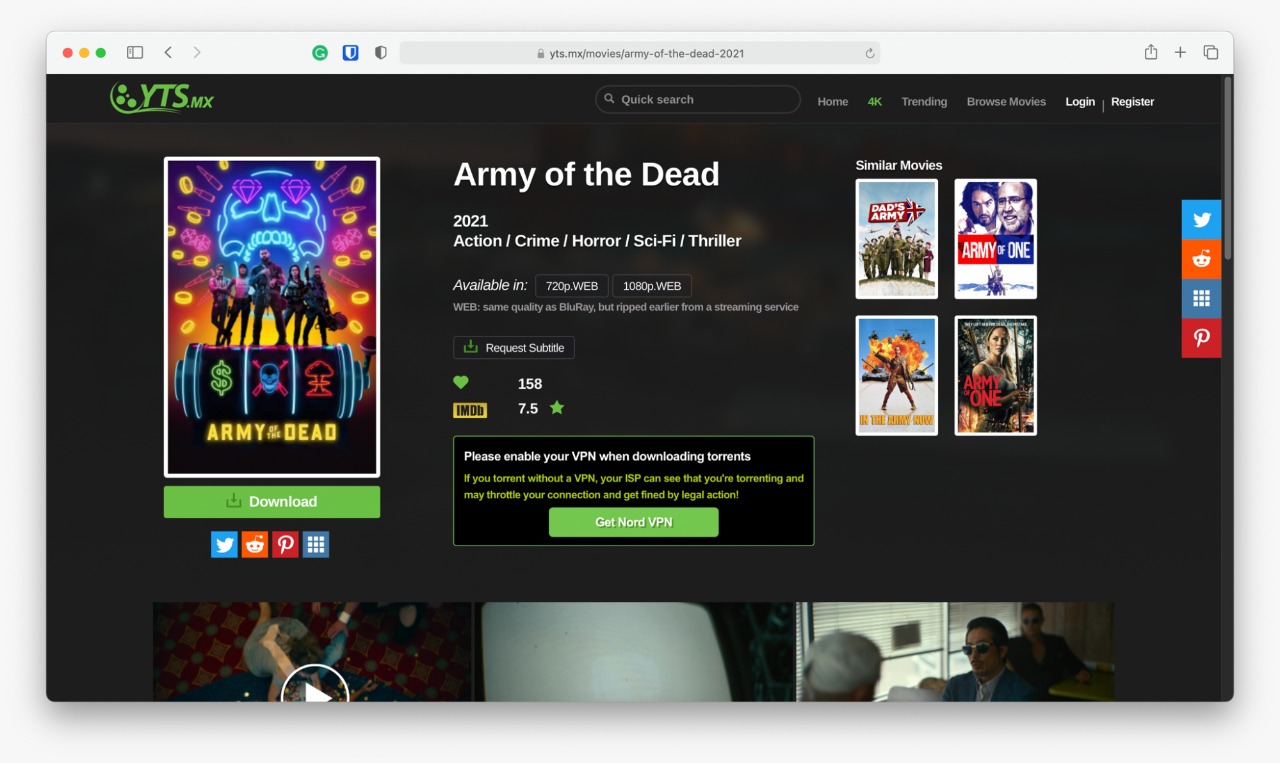
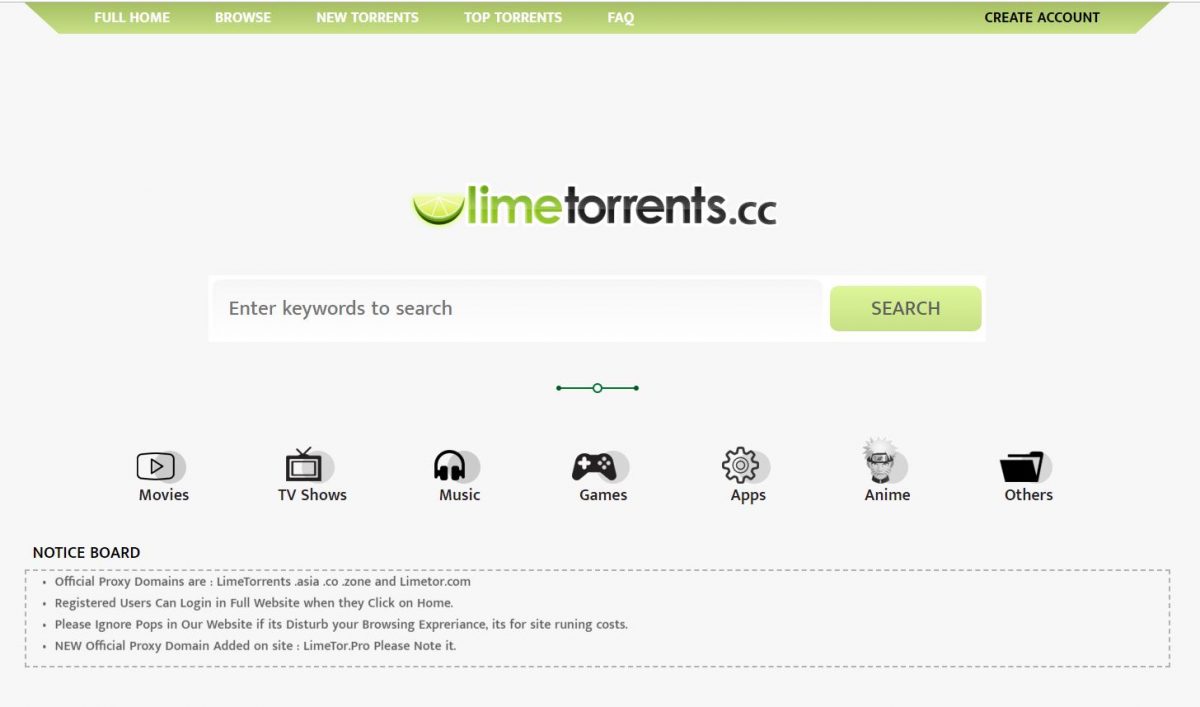
Torrent proxy sites are often presented as a way to bypass blocks or access torrent indexes. However, they do not make illegal activity legal, and they do not protect you. In fact, they add new risks. Proxy sites frequently host fake mirrors, redirect ads, fake download buttons, and notification prompts that lead to malware. Even if you find a proxy that appears to work, the operator may log your activity, and the proxy typically only routes web requests, it does not route traffic from a separate torrent application. That means your real IP address remains visible to other peers in the swarm.
Public torrent swarms expose your IP address to every other peer. Copyright holders and scammers can use this information to identify and target you. Legal consequences for copyright infringement via torrenting can include civil lawsuits for monetary damages. Under federal copyright law, damages can range from $750 to $30,000 per work. In some jurisdictions, copyright infringement is a criminal offense, with fines up to $250,000 and imprisonment for up to 10 years for repeat offenders. These are not abstract risks, they are real penalties that have been applied.
The Hidden Malware Threat in Torrent Proxies
Beyond legal exposure, torrent proxy sites are a major security risk. Malware, including viruses, Trojans, coinminers, remote access trojans (RATs), and anti-antivirus software, is often packaged with pirated software, game repacks, cracks, keygens, and fake installers downloaded from torrent sites. A proxy site may look legitimate, but it can serve you a malicious file disguised as a torrent or a download link. Even if you use a VPN, that does not protect you from malware, it only hides your IP address and encrypts your traffic. A VPN does not make illegal activities legal, and it does not scan files for threats.
To mitigate security risks, you should always check torrent file extensions, scan downloads with updated antivirus software before opening, and be cautious of sources with few reviews or a history of complaints. However, the most effective mitigation is to avoid torrent proxy sites altogether. The risk-to-reward ratio is poor: you expose yourself to legal action, malware, and data theft, all for content that is often available legally elsewhere.
Legal Torrent Alternatives 2025: Free and Safe Options
The good news is that there are many legal torrent alternatives 2025. You do not need to risk your security or legal standing to access free digital content. Several platforms offer legally licensed movies, shows, books, music, and software without any copyright concerns.
For streaming, ad-supported services like Pluto TV, Distro TV, Peacock TV, Rakuten TV, and Plex Live TV offer legally licensed movies, shows, and live channels. These platforms are free to use and do not require torrents or proxies. They generate revenue through ads, and you get content legally.
If you prefer to download rather than stream, the Internet Archive (archive.org) is a legal option for torrenting public-domain movies, books, music, and software. It offers a massive library without malware risk, because all content is either public domain or openly licensed. Project Gutenberg provides over 75,000 free public domain ebooks, and Jamendo offers legal music downloads from various artists under open licenses.
Public domain content is expanding. As of January 1, 2025, all books, films, songs, and art published in the United States in 1929 or earlier, and audio recordings from 1924, entered the public domain. That means these works are free to copy, share, and build upon. You can legally download and distribute them without any permission or payment.
Paid Platforms That Keep You Legal and Secure
For content that is still under copyright, the safest approach is to pay for it. Subscription streaming services such as Netflix, Hulu, Amazon Prime Video, Max, Disney+, Paramount+, and YouTube TV offer vast libraries of movies, shows, and live television. These services are legal, secure, and do not expose your IP address to strangers.
For games, software, movies, music, and ebooks, digital storefronts like Amazon, Google Play, Apple iTunes, Steam, Epic Games Store, and GOG.com offer legal purchases. These platforms provide legitimate access to content, often with sales and discounts. Steam and Epic Games Store regularly offer free games, and GOG.com specializes in DRM-free titles, which means you own the files you buy.
It is important to understand what you are actually buying. A new California law (AB 2426), effective January 1, 2025, requires digital storefronts using terms like “buy” or “purchase” for online-only digital goods to clarify if consumers are receiving a revocable license rather than full ownership. This means that even when you pay, you may not own the content outright, you may have a license to access it. This is a legal and normal arrangement, but it is different from owning a physical copy. Always read the terms of service before making a purchase.
What to Do If You Want Content Without Paying
If you cannot afford paid content, there are legal ways to access it for free. Public libraries often lend ebooks, audiobooks, and even streaming movies through services like Hoopla or Kanopy. Many libraries also offer free access to music streaming platforms. Homebrew content, software, games, and media created by independent developers and released under open licenses, is another legal source. You can also create your own content, or use Creative Commons-licensed works that allow free sharing and remixing.
If you own a physical copy of a movie, game, or book, you may be able to make a personal backup copy for your own use, depending on your jurisdiction. However, this does not give you the right to share that copy online. The rule is simple: if you did not create it, and it is not in the public domain, and you do not have explicit permission from the rights holder, then distributing it via torrents is illegal.
The Bottom Line: Avoid Proxies, Choose Legitimate Sources
Torrent proxy sites are not a viable or safe way to access digital content. They expose you to malware, legal liability, and privacy violations. The legal torrent alternatives 2025 are clear: use ad-supported streaming services, public domain archives, digital storefronts, and subscription platforms. These options are secure, legal, and often free or low-cost. There is no reason to risk your device, your data, or your legal standing when legitimate alternatives exist. Always check the copyright status of any content before you download, and when in doubt, pay for it or choose a free, legal source.
\nRelated reading: 10 Best Working ExtraTorrent Proxy Sites You'll Need Today and 1337x Proxy and Mirror Sites (100% Tried & Tested).