The best “working” ExtraTorrent proxies are none, because ExtraTorrent is permanently shut down and its proxy sites are unsafe, illegal, or both, so here is a guide to legal torrent alternatives that keep you safe and within the law.
What ExtraTorrent Was and Why It Shut Down
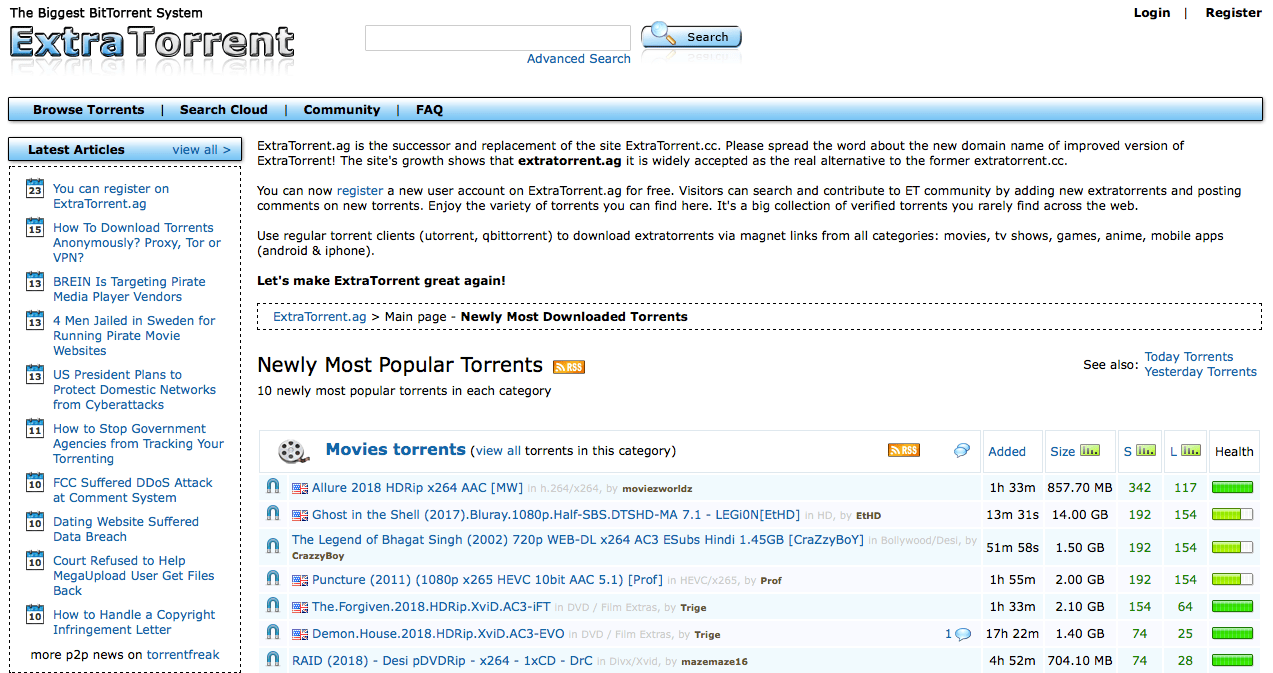
ExtraTorrent (ET) was one of the largest BitTorrent indexes on the internet, launched in 2006. It allowed users to search, download, and contribute magnet links and torrent files for peer-to-peer file sharing. The platform was known for its active community, verified torrents, and a massive library of content, including movies, music, software, games, and TV shows, often ranking just below The Pirate Bay in popularity. ET was an online index of digital content, including entertainment media and software, founded in 2006. It facilitated peer-to-peer file sharing among users of the BitTorrent protocol by hosting magnet links and torrent files. ExtraTorrent was known for its extensive database, diverse content offerings, active community, and a “trusted uploader” program that aimed to reduce fake or malware-ridden torrents.
Despite its size, ExtraTorrent voluntarily shut down in May 2017. The site’s operators announced the closure without a legal takedown order, citing personal reasons and the stress of running a large index. After the shutdown, many unofficial “proxy” or “mirror” sites appeared, claiming to offer the same service. However, these are not operated by the original team, are often hosted in jurisdictions with weak copyright enforcement, and frequently contain malicious ads, fake torrents, or trackers that log user activity. Using them is neither safe nor legal in most countries.
How Torrenting Works and Why It Is Risky
BitTorrent is a peer-to-peer (P2P) file-sharing protocol. Instead of downloading a file from one central server, users download pieces from many other users who have the same file. To find those users, you need a “torrent file” or a “magnet link” that points to a tracker or a distributed hash table (DHT) network. The index site (like ExtraTorrent) only hosts those links, it does not host the actual content. When you download a torrent, you simultaneously upload pieces to others, which is why it is called “sharing.”
Downloading torrents is legal as long as the files being downloaded are not protected by copyright. For example, downloading a public-domain book, an open-source software installer, or a Creative Commons-licensed music track is perfectly legal. However, the vast majority of content indexed by sites like ExtraTorrent, commercial movies, TV shows, music albums, games, and paid software, is protected by copyright. Downloading or distributing these files without permission is illegal in most countries, including the United States, the European Union, and the UK. It is a violation of copyright law, and in many jurisdictions, it is a civil offense (leading to fines) or even a criminal offense (leading to prosecution).
Beyond legal exposure, torrenting from unofficial proxies carries serious practical risks. Malware is common: fake torrents disguised as popular movies or software often contain viruses, ransomware, or trojans. The “trusted uploader” program on ExtraTorrent was designed to reduce this, but unofficial proxies have no such verification. Additionally, many proxy sites are honeypots run by copyright enforcement agencies or hackers who log your IP address. Your internet service provider (ISP) may also monitor P2P traffic and send you warning letters, throttle your connection, or, in extreme cases, terminate your account. In short, using an ExtraTorrent proxy is not just illegal; it is a direct threat to your device and your privacy.
Legal Torrent Alternatives: Where to Find Content Safely
If you want to use the BitTorrent protocol legally, there are reputable sources for public-domain and Creative Commons content. The Internet Archive is a massive digital library that hosts torrents for public-domain films, books, audio, and software. Linux distributions like Ubuntu, Debian, and Fedora offer official torrents for their free, open-source operating systems. Other open-source projects, such as Blender (3D graphics) or GIMP (image editing), provide official torrents for their software. These are safe, legal, and do not require a proxy.
For Creative Commons music, platforms like Jamendo, Free Music Archive, and ccMixter offer legal torrents or direct downloads. For video, the Prelinger Archives and NASA’s public-domain footage are available via torrent. If you are looking for classic literature, Project Gutenberg offers free ebooks, though they generally use direct downloads rather than torrents. Always check the license: if a file is explicitly marked “public domain” or “Creative Commons,” downloading and sharing it is legal. If it is a commercial release, it is almost certainly protected.
Streaming and Subscription Services: The Easiest Legal Route
For movies, TV shows, and music, legal streaming services provide instant access without any copyright risk. Subscription platforms like Netflix, Disney+, Hulu, Amazon Prime Video, and HBO Max offer vast libraries of movies and TV shows for a monthly fee. For music, Spotify, Apple Music, Tidal, and YouTube Music provide millions of tracks legally. For audiobooks, Audible and Spotify (in some regions) offer subscription-based access. These services pay creators and rights holders, so you are not breaking the law.
If you prefer to own content, official digital stores like Amazon, iTunes, Google Play, and Bandcamp allow you to purchase movies, TV episodes, music, and ebooks permanently. Sales and discounts are frequent, for example, Steam, GOG, and Epic Games regularly offer games at steep discounts, and Humble Bundle sells bundles of software and books for charity. For games, “free-to-play” titles like Fortnite, Apex Legends, and Warframe are entirely legal to download and play without paying. Additionally, many public libraries offer free digital borrowing through services like Libby (ebooks and audiobooks) and Kanopy (streaming movies). These are fully legal and often free with a library card.
What About Content You Already Own?
If you own a physical DVD, Blu-ray, CD, or a legally purchased digital file, you may be wondering about “homebrew” or personal backups. In many countries, making a personal backup copy of content you own is legal (e.g., for format-shifting a CD to MP3). However, downloading a torrent of the same content from a P2P network is not the same as making your own backup, it involves receiving files from others and uploading to others, which is distribution. That is illegal even if you own the original. Similarly, ripping a DVD you own for personal use may be legal in some places, but sharing that rip online is not. Always check your local laws, but as a rule: personal backups are okay; P2P sharing of copyrighted content is not.
For software, you can often download official installers from the developer’s website, even for paid programs, as long as you have a valid license key. For games, platforms like Steam and GOG allow you to re-download purchased games indefinitely. There is no need to use a torrent proxy for any legitimate purpose.
Why You Should Avoid ExtraTorrent Proxies Entirely
Every “ExtraTorrent proxy” you find today is an unofficial clone. The original site is gone, and the domain names are either expired, parked, or operated by third parties with no connection to the original team. These proxies often contain malicious ads, pop-ups, and fake “download” buttons that install adware or ransomware. They may also be used to harvest IP addresses for copyright trolls who send settlement demands. In the United States, copyright holders routinely file lawsuits against individual downloaders based on IP addresses logged by such sites. In Germany, France, and other countries, ISPs are required to forward warning letters, and repeat offenders can face fines or criminal charges.
Even if a proxy appears to work, using it is illegal in most jurisdictions because it facilitates copyright infringement. There is no “safe harbor” for users, the law does not protect you just because the site is a mirror. The only responsible choice is to avoid all ExtraTorrent proxies and use the legal alternatives described above.
Final Practical Advice for Safe, Legal Downloads
To summarize: downloading torrents is legal only if the content is not copyrighted. ExtraTorrent’s library was almost entirely copyrighted, and its proxies are unsafe and illegal. Instead, use official torrents from open-source projects and public-domain archives, subscribe to streaming services, buy from official stores, borrow from libraries, or play free-to-play games. If you want to support creators, paying for content is the only ethical and legal way. If you accidentally encounter a torrent site, close the tab, do not click anything. Keep your software updated, use reputable antivirus, and never install “codecs” or “players” from unknown sources. By following these steps, you can enjoy digital content without legal risk or malware.
Remember: the “best working” ExtraTorrent proxy is the one you never use. The best legal torrent alternatives are the Internet Archive, Linux distributions, and Creative Commons repositories, plus the countless legal streaming and purchase options available today.
\nRelated reading: Top 40 LimeTorrents Proxy Sites You Should Know (100% Working), Best RARBG Proxy and Mirror Sites (100% Verified & Tested), and 1337x Proxy and Mirror Sites (100% Tried & Tested).