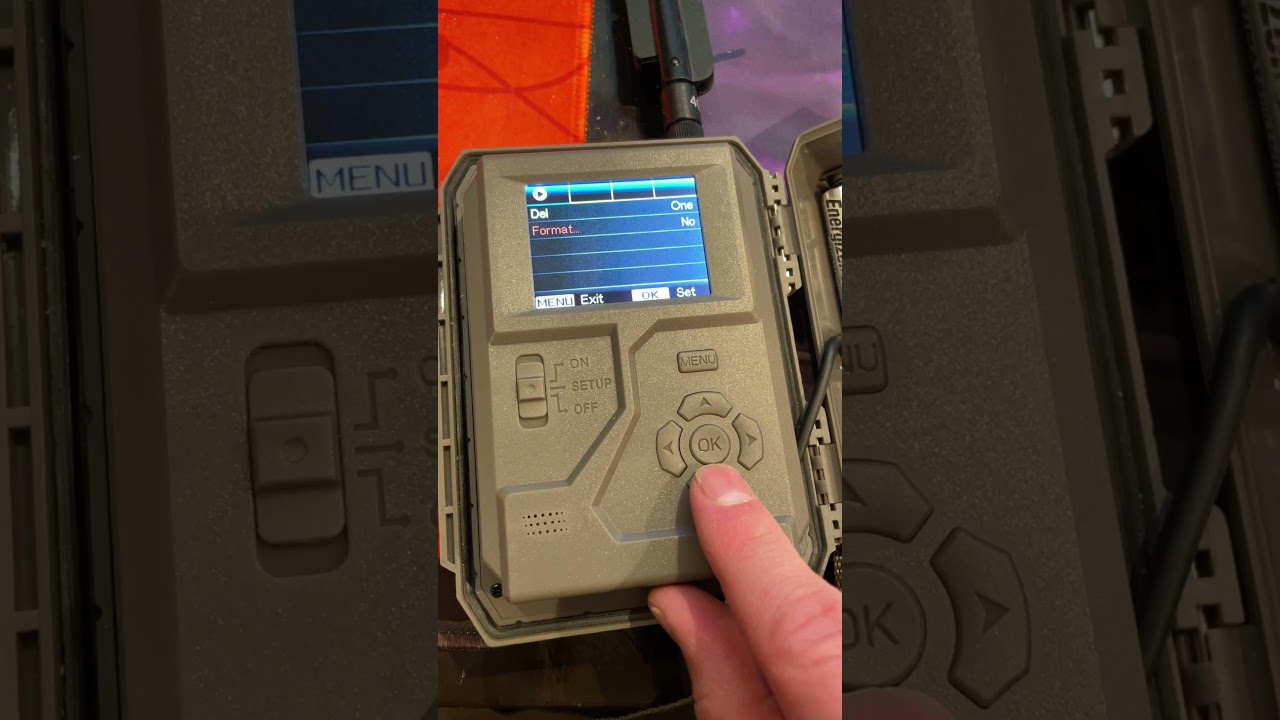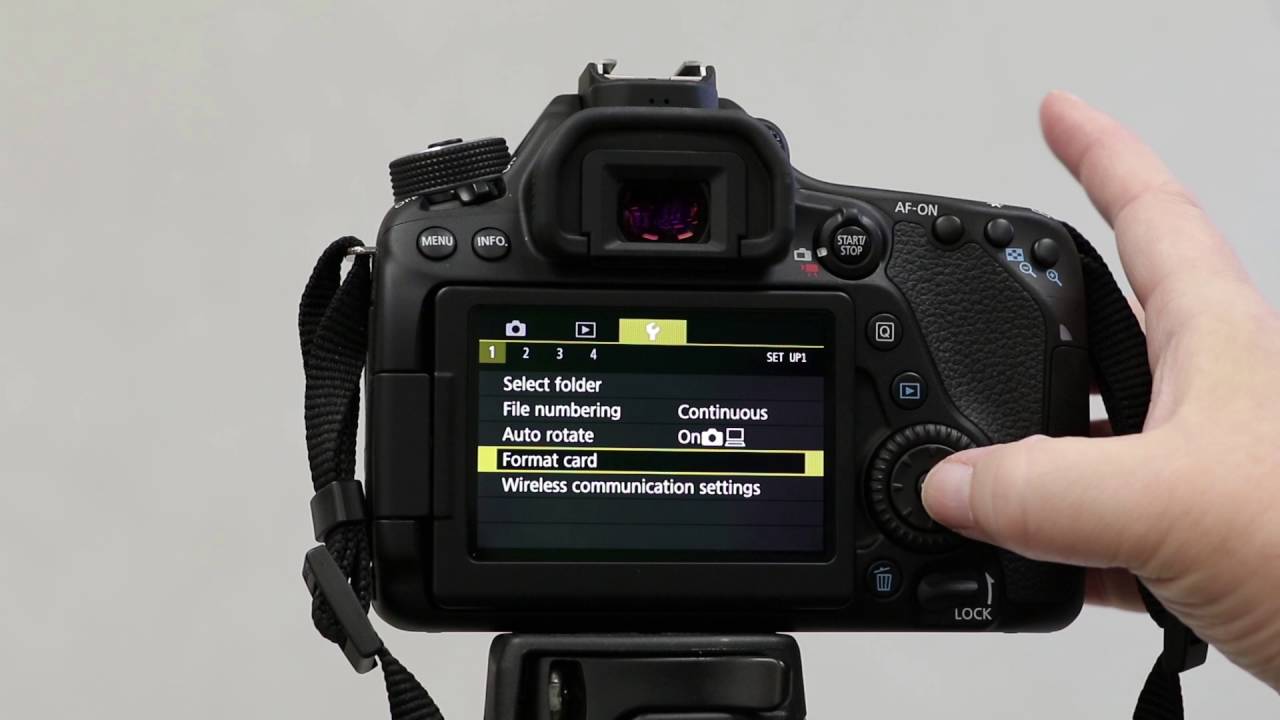
To format an SD card on a Canon camera, turn the camera on, press the MENU button, and navigate to the [Set up] tab (the wrench icon). From there, select [Format card], choose the correct card if prompted, and confirm with [OK], this is the exact, camera-specific procedure that erases all data and rebuilds the file structure your Canon needs.
Before You Format an SD Card on Your Canon Camera
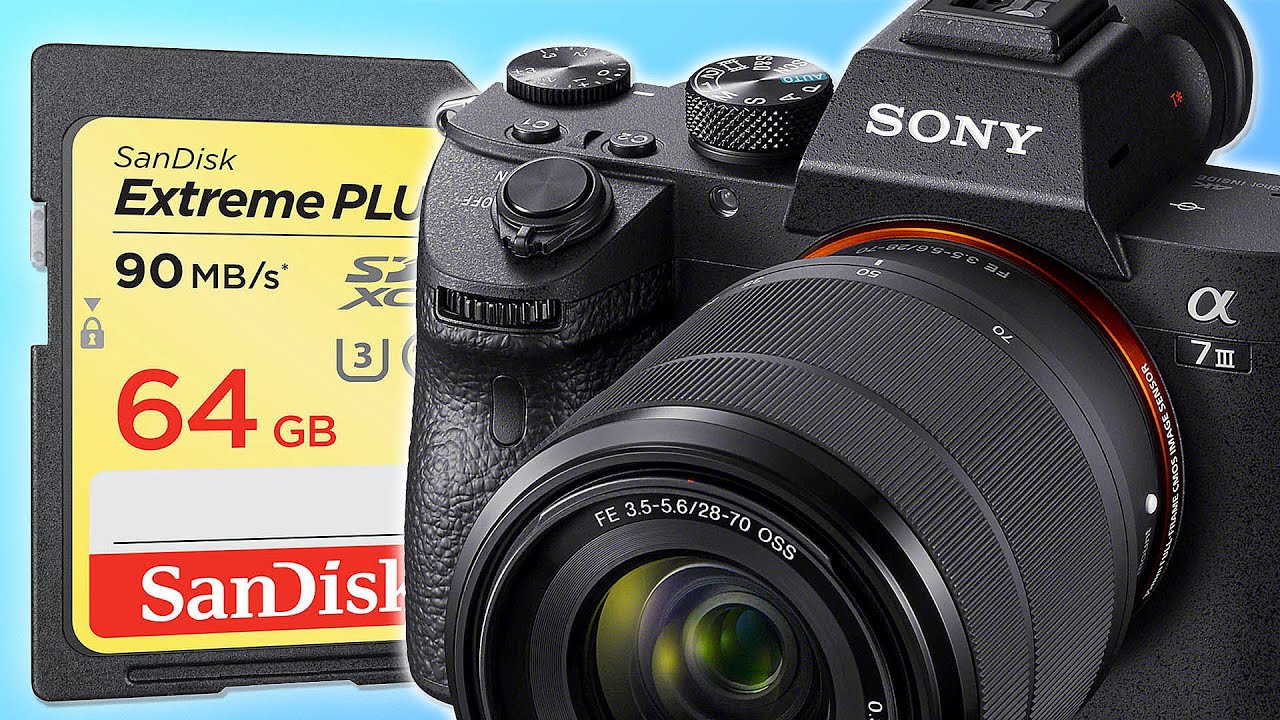
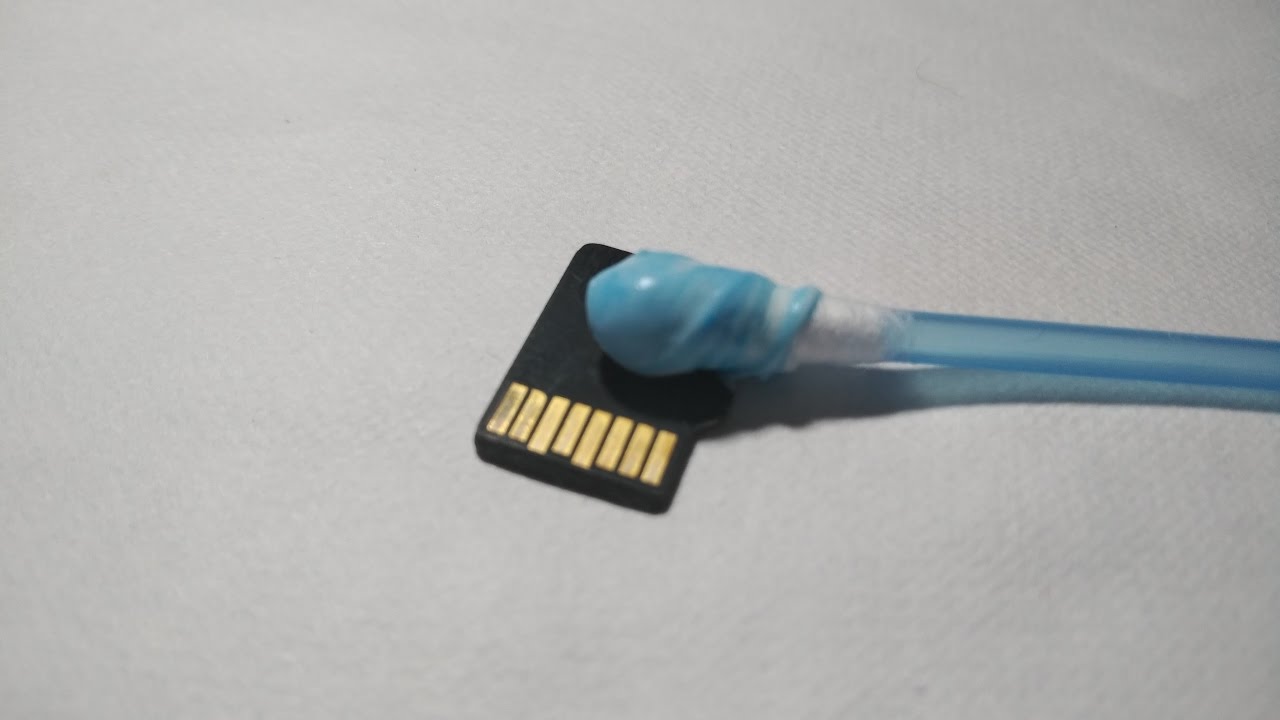
Two essential preconditions must be met before you format an SD card on a Canon camera. First, back up all data, formatting erases everything on the card, including protected images and other file types, so if you have photos or videos you want to keep, transfer them to a computer or external drive first. Second, always format the card in the camera itself, not in a computer, because formatting in a computer can create a file structure incompatible with Canon cameras. An SD card formatted in another camera, computer, or peripheral device may not operate correctly in your Canon, so the camera-based format ensures proper compatibility and file system setup. If you also shoot with a Sony body, the in-camera format sd card Sony a7iii process follows a different menu path. Before you begin, clean sd card contacts to prevent read/write errors from disrupting the format.
How to Format an SD Card on a Canon Camera
The core Canon procedure is a simple three-step process that takes less than a minute for most cards. Follow these steps exactly as written to safely erase and prepare your SD card.
- Turn on the camera and press the MENU button to open the settings interface.
- Navigate to the [Set up] tab, this is the tab with a wrench or spanner icon, using the camera’s directional buttons or touchscreen.
- Scroll to [Format card], select it, choose the correct card if your camera supports two slots, and press [OK] to confirm.
Once you confirm, the camera displays a warning that all data will be erased. After you approve, the format begins and completes automatically. Do not power off the camera or remove the card during this process, as interrupting it can corrupt the card.
When to Use Canon's Low-Level Format
Some Canon cameras offer a Low-level format option as a checkbox within the format menu. You should use this option in two specific situations: when the card’s recording/reading speed has dropped noticeably, or when you want to completely erase all recordable sectors on the card. Low-level formatting takes longer than a normal format because it erases every recordable sector individually, rather than just clearing the file allocation table. If you stop a low-level format partway through, the normal formatting will still be complete, and the card can be used as usual, so there is no risk of ending up with an unusable card.
Understanding File Systems and Compatibility
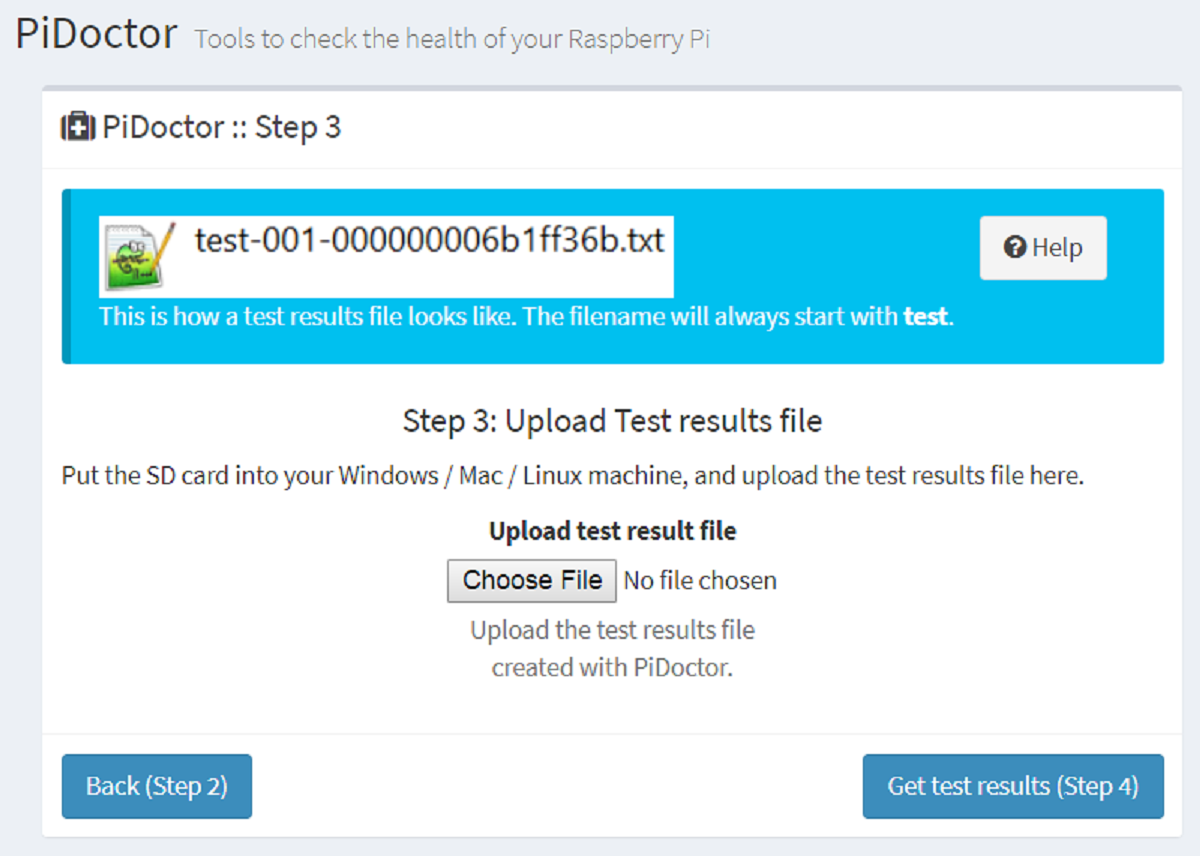
Canon cameras format SD and SDHC cards using the FAT32 file system, while SDXC cards are formatted in exFAT. This distinction matters because a card with a capacity over 128 GB formatted in exFAT by one camera may not be recognized by other cameras or some computer operating systems and card readers. If you plan to use a high-capacity SDXC card across multiple devices, check compatibility beforehand. Also, note that the displayed capacity of the SD card after formatting may be less than its rated capacity, this is normal and not a malfunction, as the card’s controller reserves some space for file system overhead and wear leveling. If you reuse cards often, you may also want to check the health of my Raspberry Pi sd card to spot wear before it causes data loss.
Formatting to Fix Card Errors
If a card-related error appears on your Canon camera’s screen, or if the camera is not working correctly when reading or writing to the card, reformatting the SD card in the camera may resolve the issue. However, be aware of a critical privacy limitation: formatting or erasing data on a card only changes file management information and does not completely erase the actual data. If you plan to sell or dispose of the card and it contains sensitive images, physical destruction of the card is recommended, because standard formatting leaves recoverable data behind on the storage medium.