Configuring a SIM card in an HP laptop involves inserting a physical SIM into the correct slot and then adjusting Windows cellular settings to enable mobile data. This guide provides step-by-step instructions for completing the setup and resolving common connection issues.
Before you start: check SIM card compatibility on your HP laptop
Not every HP laptop includes a SIM card slot, so verifying compatibility first prevents wasted effort. Start by consulting the user manual that came with your device; look for a section describing SIM card or mobile broadband support. If you no longer have the manual, visit the official HP website, navigate to the support section, and search for your specific laptop model’s specifications. The product page will list whether a SIM card slot is present. You can also perform a physical inspection: the SIM card slot is typically located on the side or rear edge of the laptop and is often accompanied by a small pinhole for ejecting the tray.
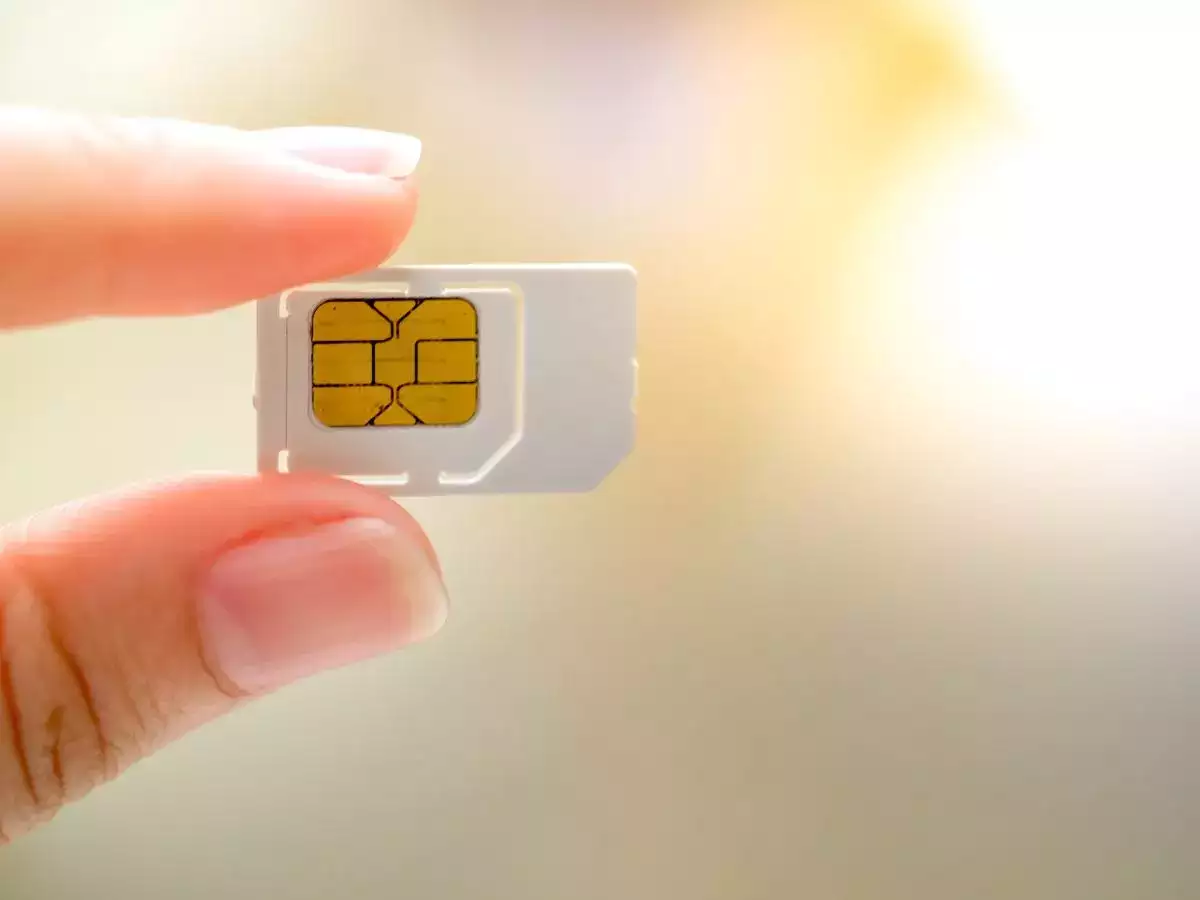
Once you confirm a slot exists, understand which SIM card size your laptop accepts. Most HP laptops that support cellular connectivity use either a micro-SIM or nano-SIM, the same sizes found in modern smartphones. Finally, verify network compatibility: your laptop must support the frequency bands and technologies (such as 4G LTE) used by your mobile carrier. Check your carrier’s supported bands against the laptop’s specifications to ensure a stable connection.
Shut down your laptop and insert the SIM card
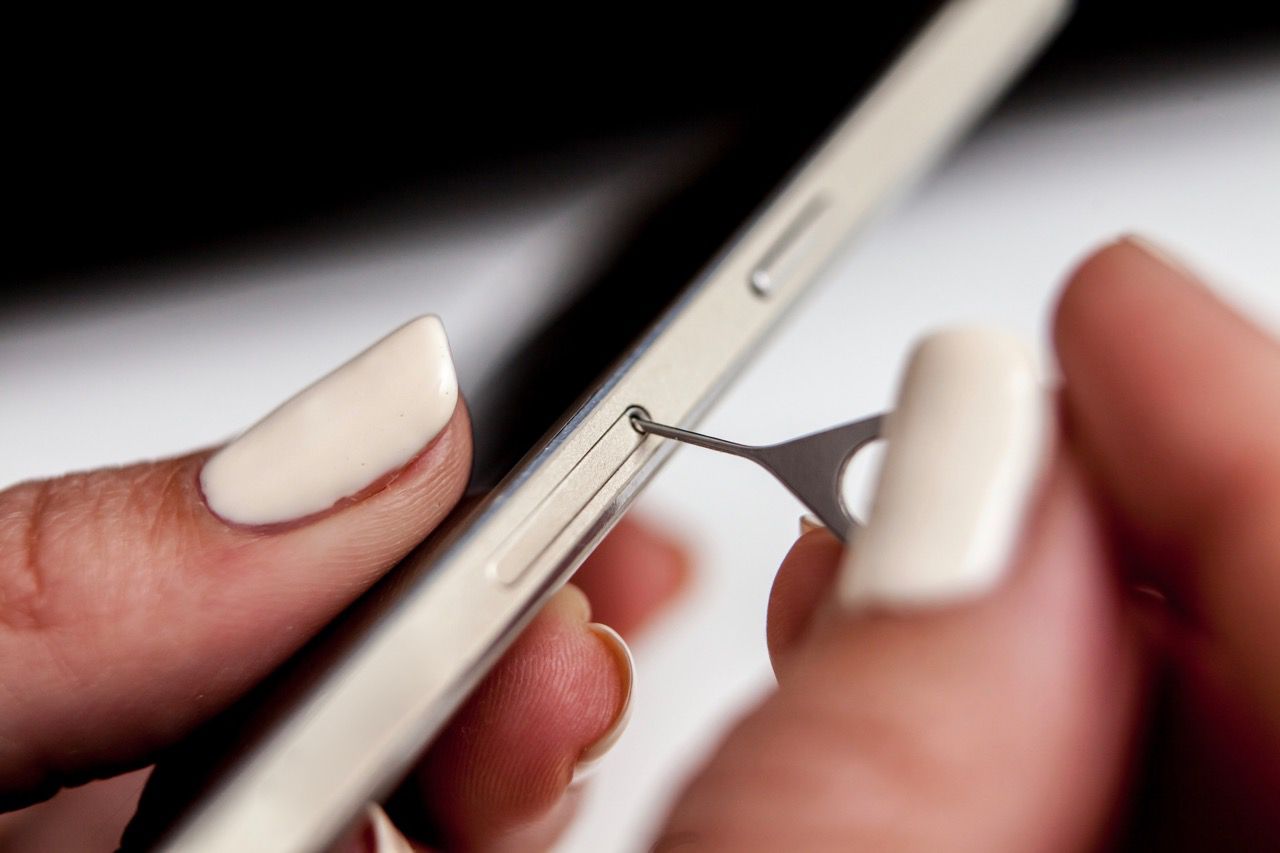
Always turn off the computer using the Shut down command before inserting a SIM card. This prevents electrical damage to the device or the card itself. After the laptop is fully powered off, locate the SIM card slot. Some HP laptops have an external tray that requires a card removal tool or a small paperclip to eject; others have an internal slot accessed by opening a panel. If your model uses a tray, gently insert the tool into the pinhole next to the slot until the tray pops out. Carefully pull the tray free.
Place the SIM card onto the tray with the metal contacts facing down and the notched corner aligned with the tray’s guide. Press it gently into place without forcing it. Slide the tray back into the slot until it clicks securely. Power on the laptop and check for network indicators in the system tray to confirm the card is detected. If you need visual guidance for this process, see the steps for adding a SIM card to your laptop. If you’re moving a SIM from a phone, first review locating the SIM card on Android phones to safely eject it without damaging the tray. The act of inserting a SIM card correctly is the foundation for reliable mobile data, so take care to seat it firmly.
Configure cellular settings in Windows for your SIM card
- Open Settings, then select Network & internet, and then Cellular.
- Turn on the Cellular data setting to enable mobile connectivity.
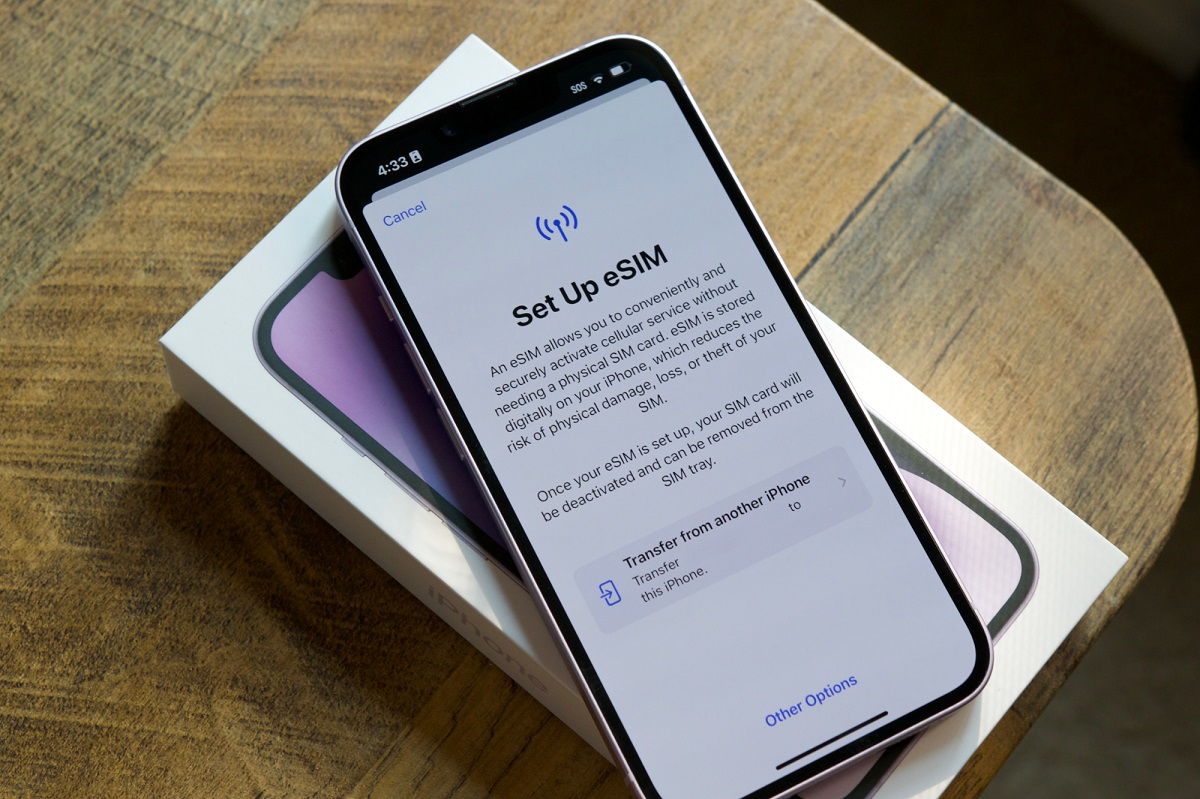
- If you have multiple SIM profiles (such as an eSIM and a physical SIM), set Use this SIM for cellular data to the appropriate physical SIM profile.
- Ensure Let Windows keep me connected is set to On so your laptop automatically uses cellular data when Wi-Fi is unavailable.
- If your carrier requires it, enter the Access Point Name (APN), username, and password provided by your mobile operator. These details are usually found in your carrier’s support documentation or account portal.
After completing these steps, your HP laptop should connect to the mobile network.
Troubleshooting: SIM card not working in your HP laptop
If the SIM card is not recognized, power off the laptop, remove the tray, and re-seat the card. Ensure the contacts are clean and the card is not damaged. For network registration failures, restart the laptop to force a fresh registration attempt. If the problem persists, manually select the available mobile network in the Cellular settings.
Incorrect APN settings are a common cause of data connection issues. Return to the Cellular settings and verify that the APN, username, and password match exactly what your carrier provided. If you are traveling outside your home network, enable data roaming in the Cellular settings to maintain connectivity. Poor signal reception can often be improved by moving the laptop to a different location or adjusting its position. If none of these steps resolve the issue, contact your mobile carrier to confirm that your SIM is active and that your account supports laptop data plans.