What Does Programming an Alexa Surround Sound System Really Mean?
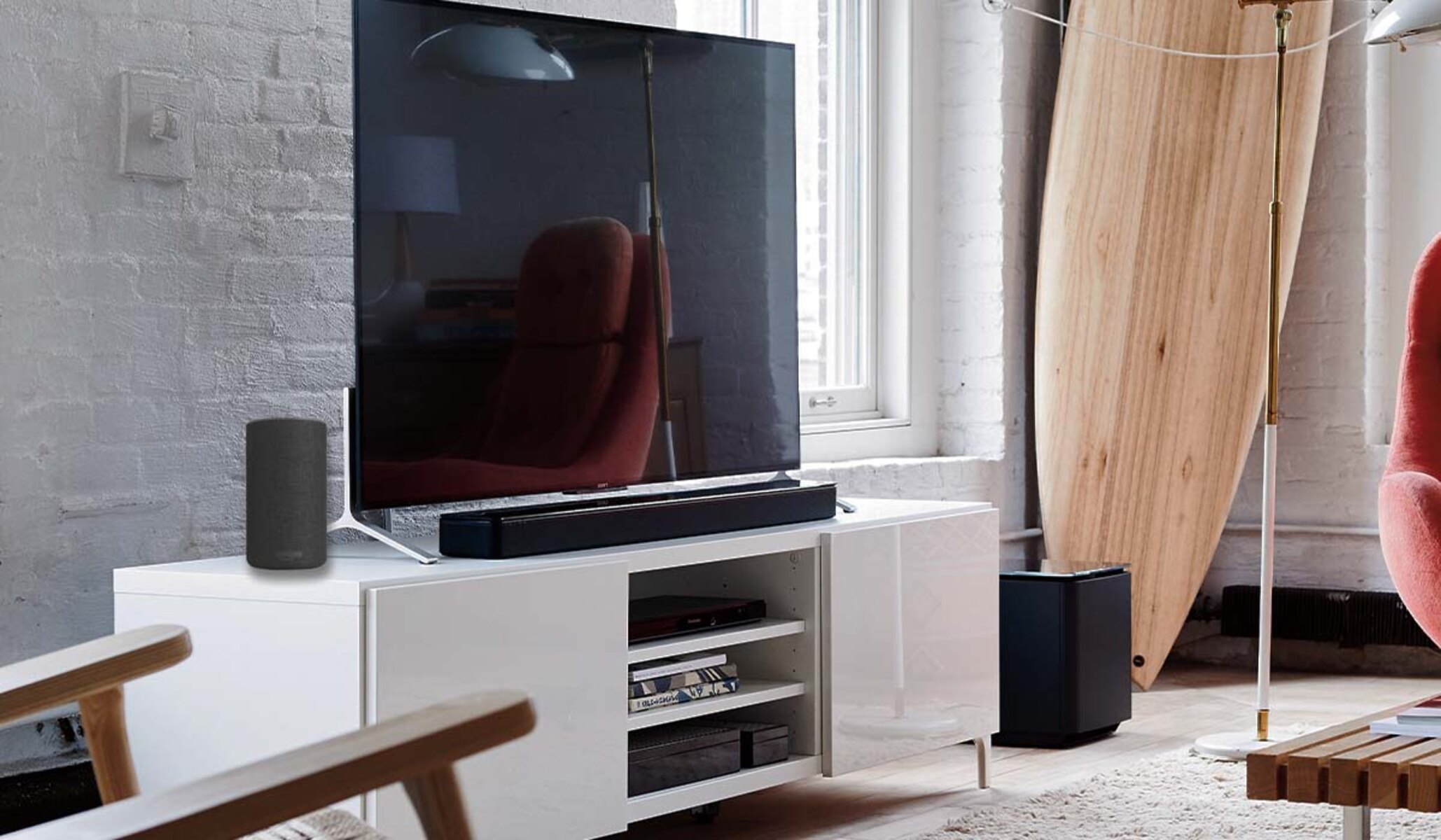
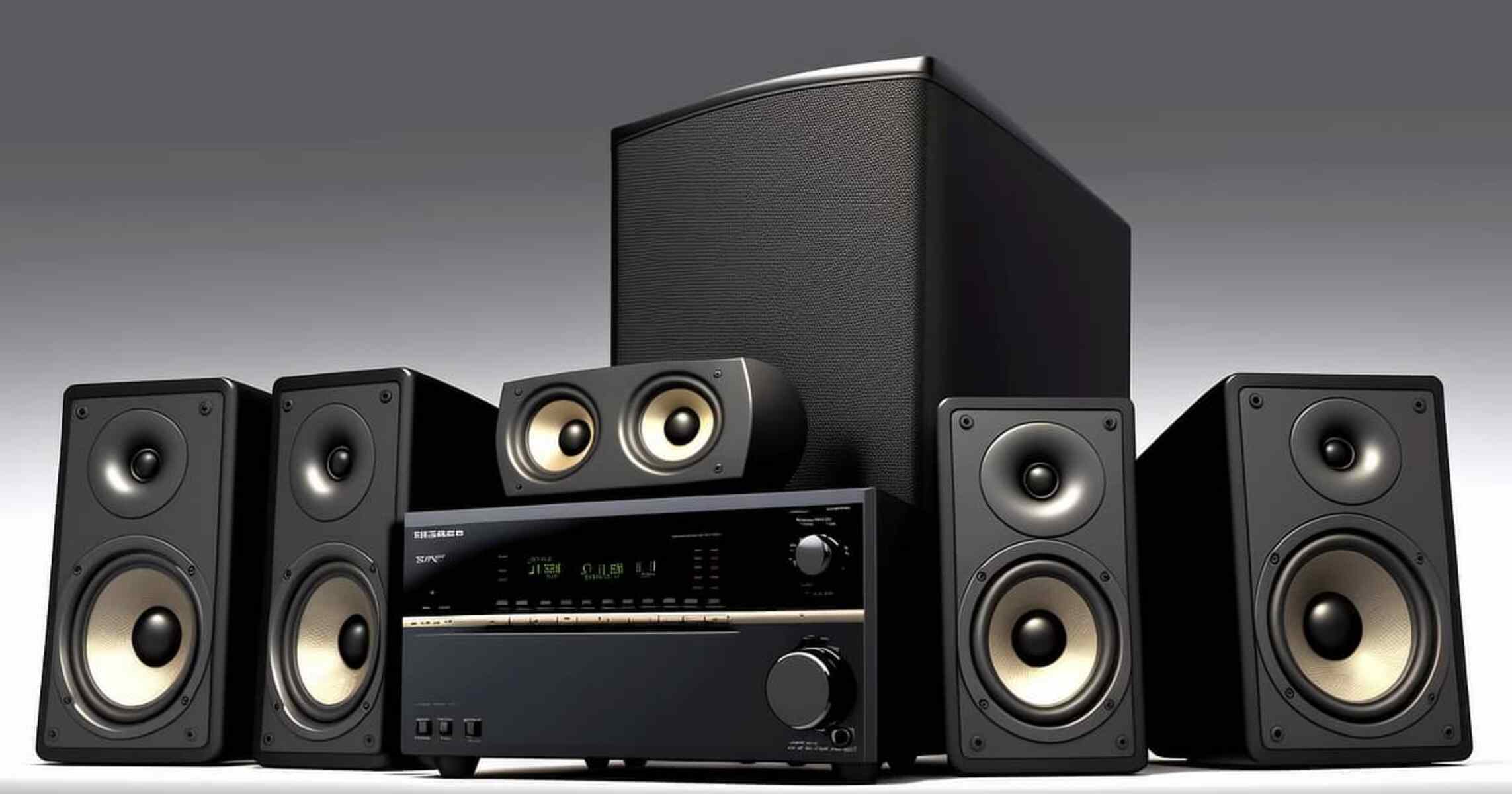
Programming Alexa to control your surround sound system means teaching it to control your AV receiver, the device that powers your TV and movie audio through your center channel, satellites, and subwoofer. This is different from Alexa Multi-Room Music, which syncs music across multiple Echo or compatible speakers in different rooms; that feature does not create a surround sound experience for your television. The focus here is on commanding your actual home theater receiver to switch inputs, adjust volume, and power on for movie nights.
Ensure Your AV Receiver or Surround System Works with Alexa
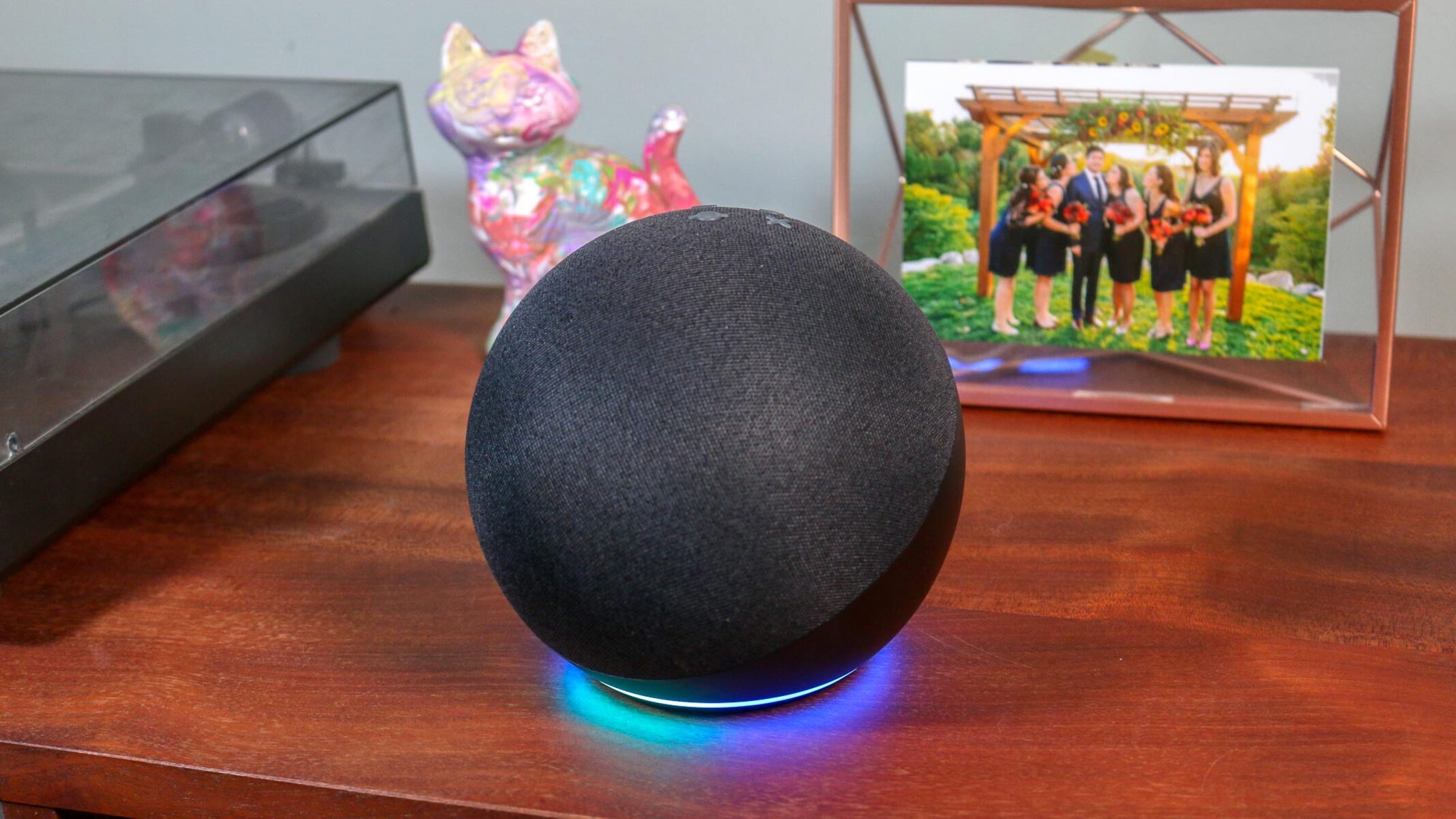
Before you start, confirm your AV receiver or home theater system can talk to Alexa. Two main paths exist: built-in Alexa skill compatibility (common on brands like Denon with HEOS, Yamaha with MusicCast, or Sony with its own ecosystem) or HDMI-CEC capability, which lets a Fire TV or Echo device send basic control commands through your TV. Physical speaker setup basics, placing front left/right, center, surround speakers, and subwoofer equidistant from your listening position, remain essential, but they don't change how Alexa connects. If your receiver lacks both built-in skills and HDMI-CEC, you may need a separate smart home hub or IR blaster, but that's a less direct route. If you're using an Echo device as the central controller, you can use Amazon Alexa smart speaker mode to route all audio through your preferred speaker group.
Method 1: Connect Alexa to an AV Receiver Using the Manufacturer's Skill
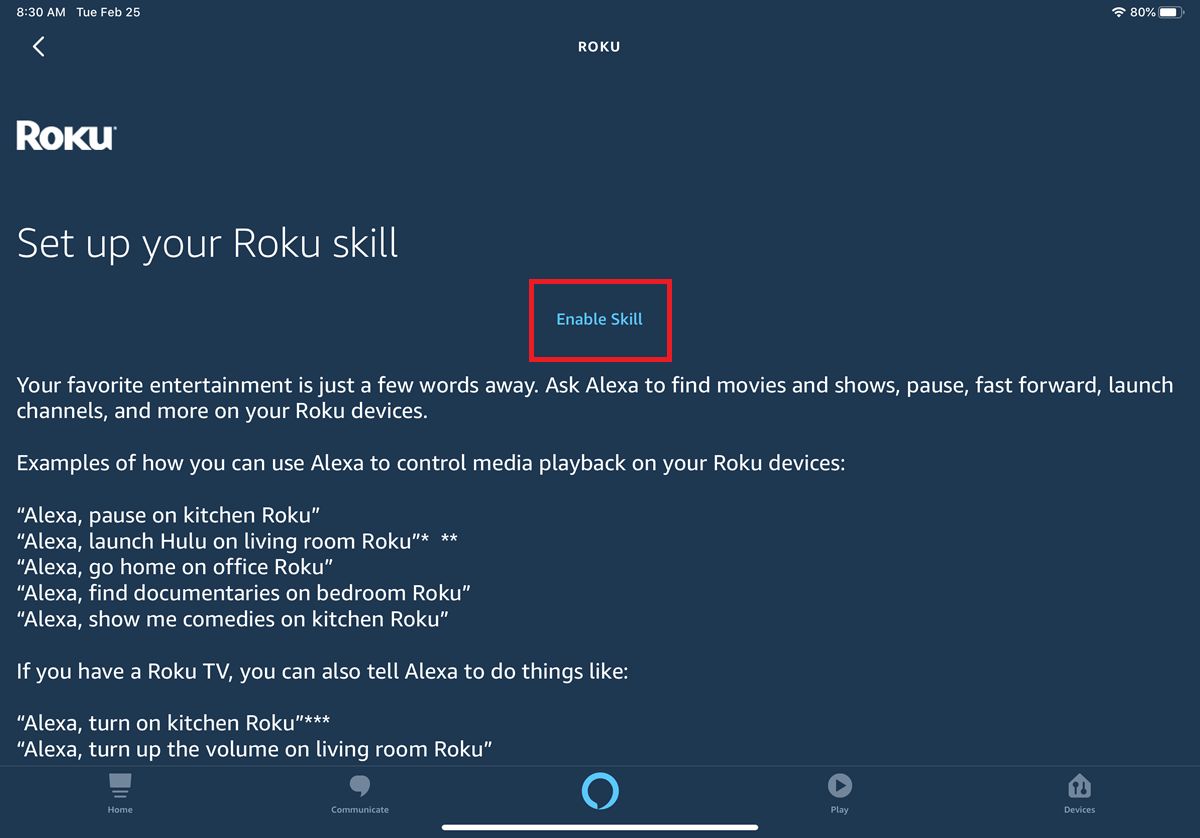
This is the most reliable method for full control. Open the Alexa app on your smartphone or tablet, if you don't have your phone handy, you can also use Alexa on Fire tablet to complete these steps. Then, navigate to the section for enabling skills. After enabling, the skill will prompt you to link your manufacturer account (the same one you use with the brand's own app). Once linked, go back to the Alexa app's Devices section, use the option to add or discover devices, and let Alexa scan. Your receiver should appear as a device; assign it to a room like "Living Room" to make voice commands more natural. This method unlocks the full range of commands, including input switching, volume, and sometimes even sound mode changes.
Method 2: Use HDMI-CEC for Basic Alexa Control of Your Surround System
If your receiver lacks a dedicated skill, HDMI-CEC is your fallback. Then, connect a Fire TV device (like a Fire TV Stick or Fire TV Cube) to an HDMI input on your TV, and connect your TV's HDMI ARC or eARC port to your receiver. Alexa can now control the Fire TV, and through HDMI-CEC, the Fire TV can trigger your TV to switch to the receiver's input for movie audio. This method is limited to basic power, input, and volume control, it won't adjust sound modes or DSP settings.
Program Alexa Routines for Your Home Theater
Routines let you combine multiple actions into one voice command. Open the Alexa app, find the Routines feature, and create a new one. Avoid generic names like "speaker" or "system," which can confuse Alexa when multiple devices are present. Test the routine immediately after creating it, and adjust the action order if the receiver powers on before the input switch takes effect.
Voice Commands That Work for AV Surround Systems
Playback control like "Alexa, pause" works only if the source is a compatible streaming device. Stick to volume, mute, power, and input switching for reliable results.
Troubleshooting Alexa Surround Control Issues
If commands fail, start with device re-discovery by using the app's device discovery feature, as this often picks up receivers after a firmware update or network change. HDMI-CEC handshake failures are common when you power on devices in the wrong order, turn on the TV first, then the receiver, and wait a few seconds before issuing a command. If the skill stops responding, try skill re-linking: disable the skill, re-enable it, and log back into your manufacturer account. Finally, check for firmware updates on both your receiver and your Echo device; outdated software is a frequent cause of dropped connections. If none of these work, a full factory reset of the receiver and re-running the setup process is your last resort, just be prepared to reconfigure your speaker levels and input assignments afterward.
For the wider topic, see setting up Alexa.