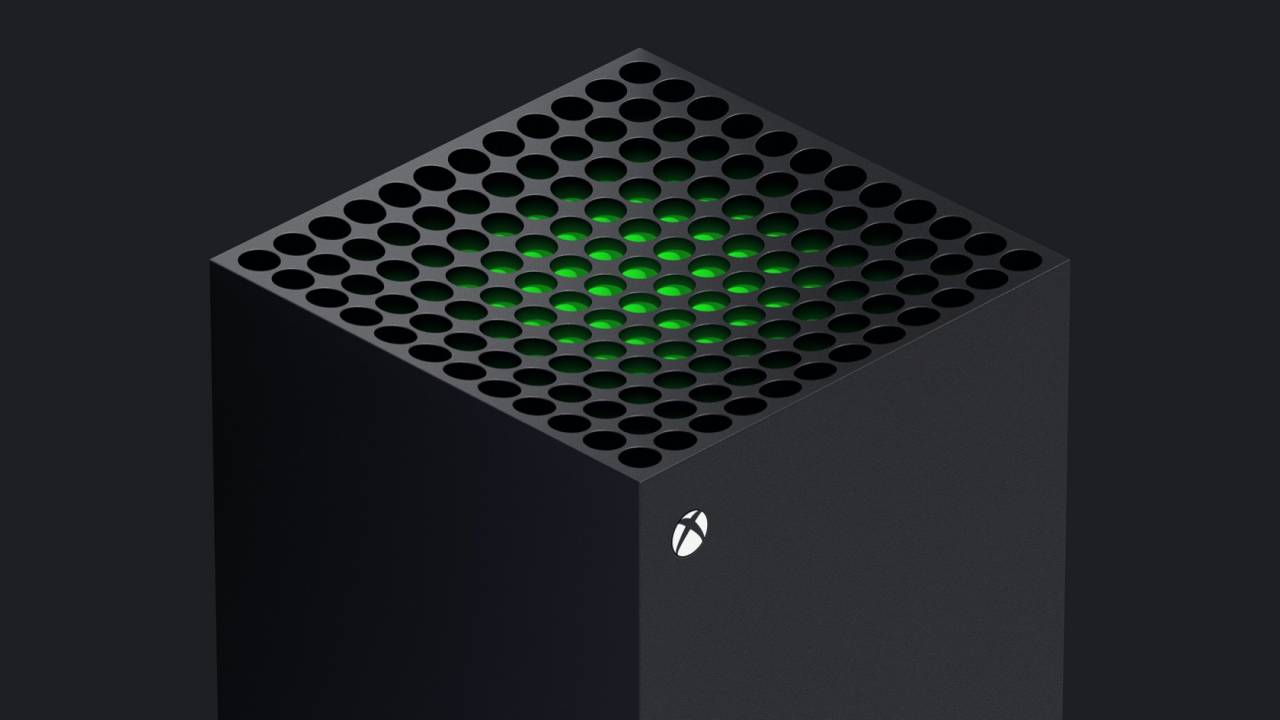
The Xbox Series X is Microsoft's flagship fourth-generation console, delivering a massive leap in power with a custom 12 teraflop RDNA 2 GPU, a Zen 2 CPU, and a custom 1TB NVMe SSD. It is the most powerful Xbox ever built, designed to run games natively at 4K resolution with 60 frames per second (FPS), support up to 120 FPS, and offer near-instant load times, making it the definitive choice for high-performance console gaming.
What are the definitive Xbox Series X specs and core technologies?
At its core, the Xbox Series X is a custom-built powerhouse. Here are the confirmed, definitive specifications that define its performance:
- CPU: Custom AMD Zen 2, 8 cores at 3.8 GHz (3.66 GHz with SMT)
- GPU: Custom AMD RDNA 2, 52 compute units at 1.825 GHz, delivering 12 teraflops of power
- Memory: 16 GB of GDDR6 RAM
- Storage: 1 TB custom NVMe SSD (with approximately 802 GB of usable space for games and apps)
- Optical Drive: 4K UHD Blu-ray drive for physical games and movies
- Ports: HDMI 2.1 output, 3x USB 3.2, networking port, expanded storage slot, power input
The magic behind the speed isn't just the SSD itself; it's the Xbox Velocity Architecture. This proprietary system combines the custom NVMe SSD with hardware-accelerated decompression and the DirectStorage API. This allows the console to stream assets directly to the GPU at incredible speeds, eliminating long loading screens and enabling far more detailed and expansive game worlds than previous generations.
For storage expansion, Microsoft uses a proprietary solution. Only the Seagate Storage Expansion Card for Xbox Series X|S provides identical performance to the internal SSD, allowing you to play optimized Series X|S games directly from it without any speed compromise. While you can connect external USB drives for older games, you cannot play Series X|S-optimized titles from them.
Xbox Series X display, graphics, and audio features you should know
The visual and audio experience on the Xbox Series X is a generational leap forward, driven by its custom RDNA 2 architecture. Here’s what you need to know:
- 12 TFLOPS RDNA 2 GPU: This raw power enables native 4K gaming at 60 FPS as the standard, with many titles supporting 120 FPS for smoother, more responsive gameplay.
- Hardware-Accelerated DirectX Raytracing: The console has dedicated hardware for ray tracing, delivering realistic lighting, shadows, and reflections in real-time, creating a more immersive and lifelike visual experience.
- Variable Rate Shading (VRS): This technology intelligently focuses processing power on specific areas of the image, boosting overall frame rates and visual stability without sacrificing perceived quality.
- Auto HDR: This feature automatically adds High Dynamic Range (HDR) to older games that were originally created in standard dynamic range (SDR), making them look richer and more vibrant on HDR displays.
- Spatial Sound: The console supports advanced audio technologies like Dolby Atmos and Windows Sonic, providing immersive, three-dimensional soundscapes that place you in the middle of the action.
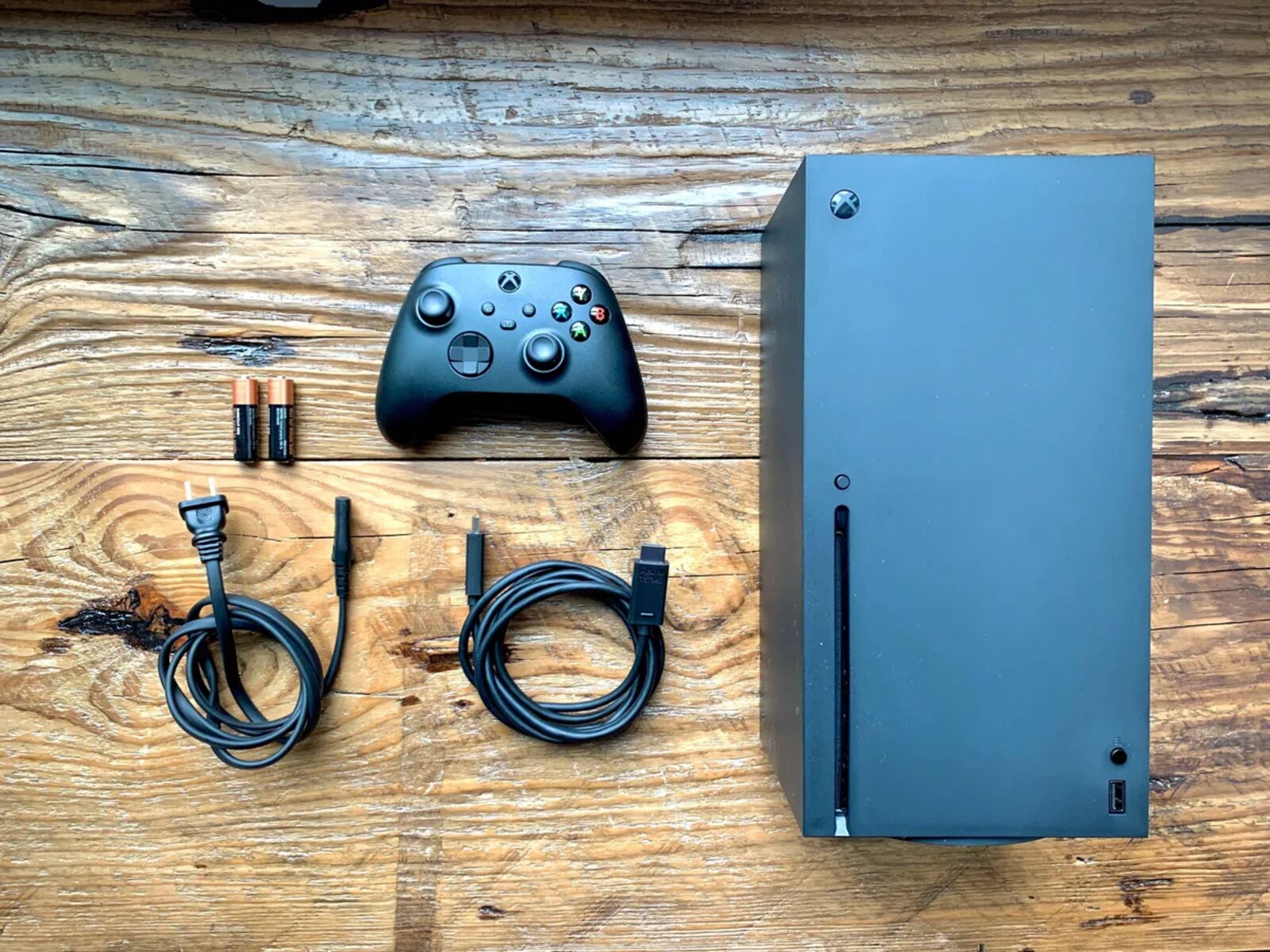
In terms of resolution, the Xbox Series X supports everything from 720p up to 4K (2160p) and officially supports 1440p. While it can output 8K video for movies and streaming, games are nominally designed to render in 4K. To take full advantage of the console's 4K/120Hz capabilities, you will need an HDMI 2.1 compatible TV or monitor. Fortunately, the console includes an Ultra High Speed HDMI cable in the box, so you have the necessary cable to achieve these high refresh rates. You can verify its length and specifications by identifying the HDMI cable that comes with Xbox Series X.
How backwards compatibility and Smart Delivery work
One of the Xbox Series X's greatest strengths is its commitment to preserving your game library. It offers robust backwards compatibility that goes beyond simple emulation.
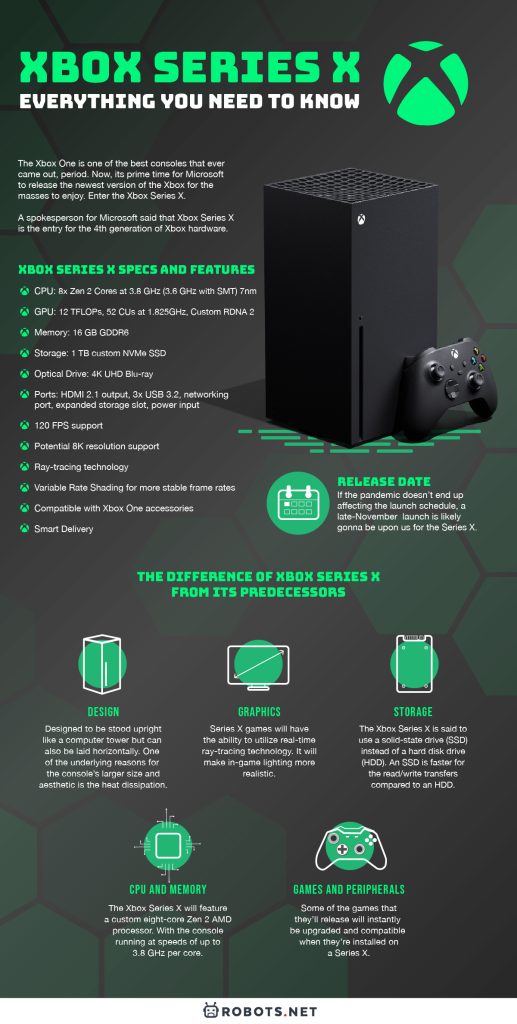
The console is compatible with thousands of games from Xbox One, Xbox 360, and the original Xbox. Not only can you play these older titles, but many of them receive significant upgrades through features like FPS Boost, which can double the frame rate (e.g., from 30 FPS to 60 FPS), and Auto HDR, which enhances the color palette. This means your older games can run and look better than they ever did on their original hardware.
Smart Delivery is Microsoft's system to ensure you always play the best version of a game. If you own a game that supports Smart Delivery on Xbox One, you will automatically receive the optimized Xbox Series X version at no additional cost. This eliminates the confusion of buying a game twice and ensures a seamless transition between generations. You simply buy the game once, and the console gives you the best version for your hardware.
Xbox Series X vs. PS5: hardware, exclusives, and value comparison
Choosing between the Xbox Series X and the PS5 is a significant decision. Here’s a head-to-head comparison based on confirmed specifications and strategies.
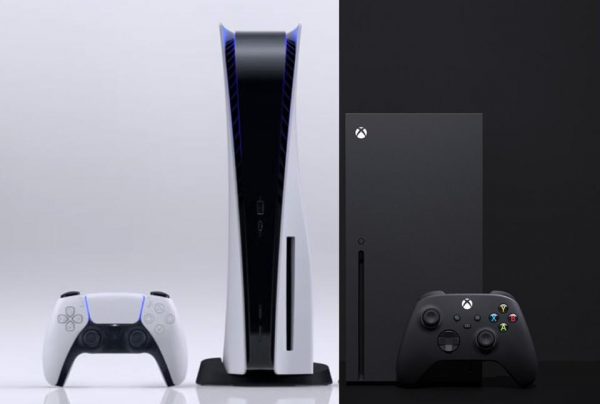
Hardware: On paper, the Xbox Series X has a clear advantage in raw GPU power, boasting 12 teraflops compared to the PS5's 10.3 teraflops. While teraflops aren't the only measure of performance, this difference suggests the Series X can handle more complex graphical workloads, potentially leading to higher resolutions or more stable frame rates in demanding third-party titles. Both consoles feature custom SSDs that dramatically reduce load times, but the Xbox's Velocity Architecture is a distinct engineering approach. In terms of design, the Series X looks like a minimalist, geometric tower that can be placed vertically or horizontally, while the PS5 has a louder, more futuristic aesthetic with white fins.
Exclusives: This is where the strategies diverge significantly. Microsoft has adopted a philosophy of releasing its first-party titles on both Xbox and PC on day one. Key franchises like Halo Infinite and Hellblade II are available on both platforms. In contrast, Sony has focused on a more traditional exclusive strategy, with major titles like Spider-Man 2 and God of War Ragnarök being exclusive to the PS5 console. This can be a deciding factor for gamers who prioritize specific game franchises.
Value: The Xbox Series X offers a more robust multi-generation backwards compatibility solution, allowing you to play games from three generations of Xbox hardware, often with performance enhancements. While the PS5 can play PS4 games, its backwards compatibility with older PlayStation titles is less comprehensive. The Xbox's inclusion of Game Pass, a subscription service with a vast library of games, also adds significant value for many players.
Quick setup tips for your new Xbox Series X
Setting up your Xbox Series X is designed to be quick and painless, especially with the help of your smartphone.
When you first boot up the console, you can streamline the process by using the Xbox mobile app. The app can automatically pull your account and Wi-Fi details from your phone, allowing you to sign in and connect to your network in seconds without having to type in long passwords manually. This significantly speeds up the initial setup.
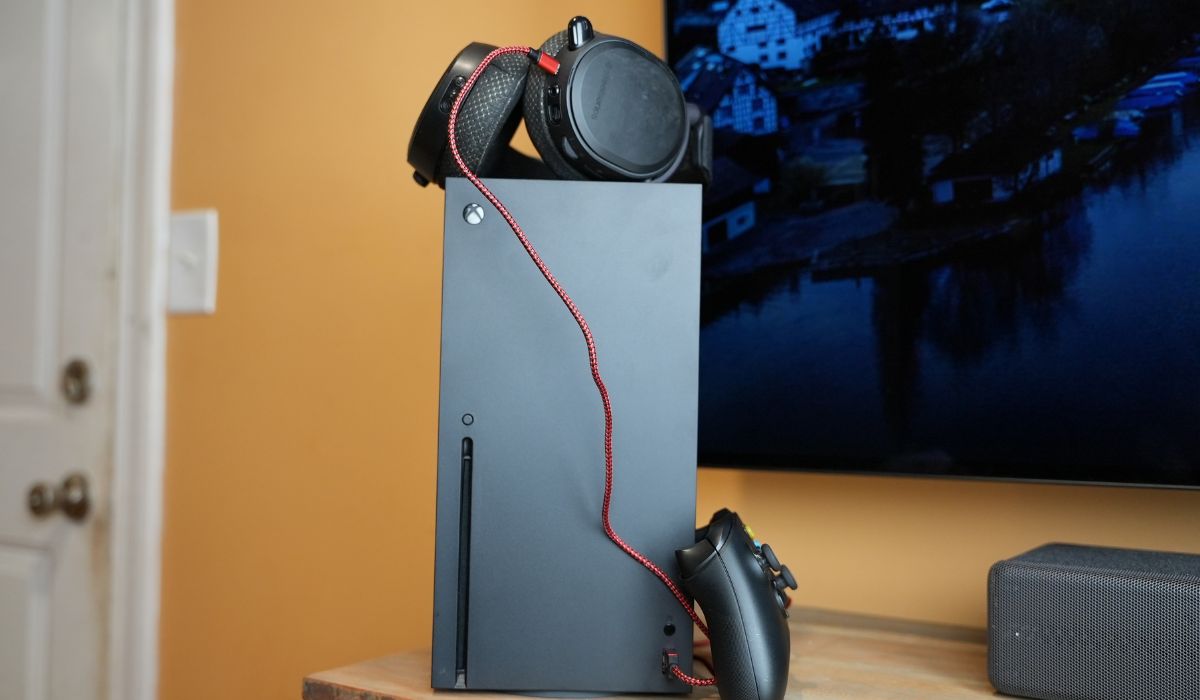
When positioning your console, keep in mind that it is designed to be stood upright like a tower, but it can also be laid horizontally. Ensure you have adequate space for ventilation, as the top grille is crucial for dissipating heat during intense gaming sessions. Whether you choose to place it vertically or horizontally, make sure the vents are unobstructed to keep the console running cool and quiet. After connecting the included Ultra High Speed HDMI cable to your TV, you're ready to dive into your games.