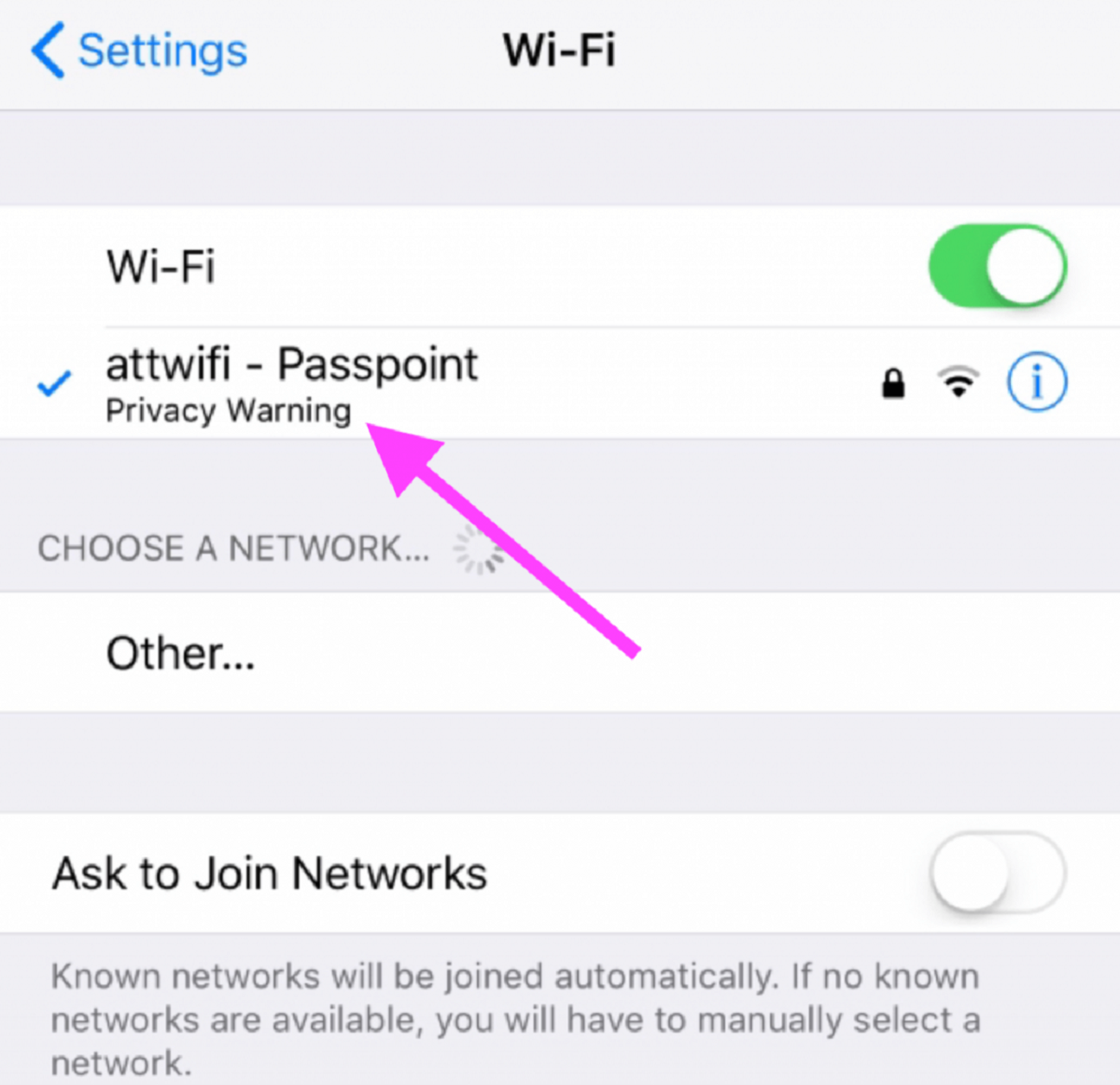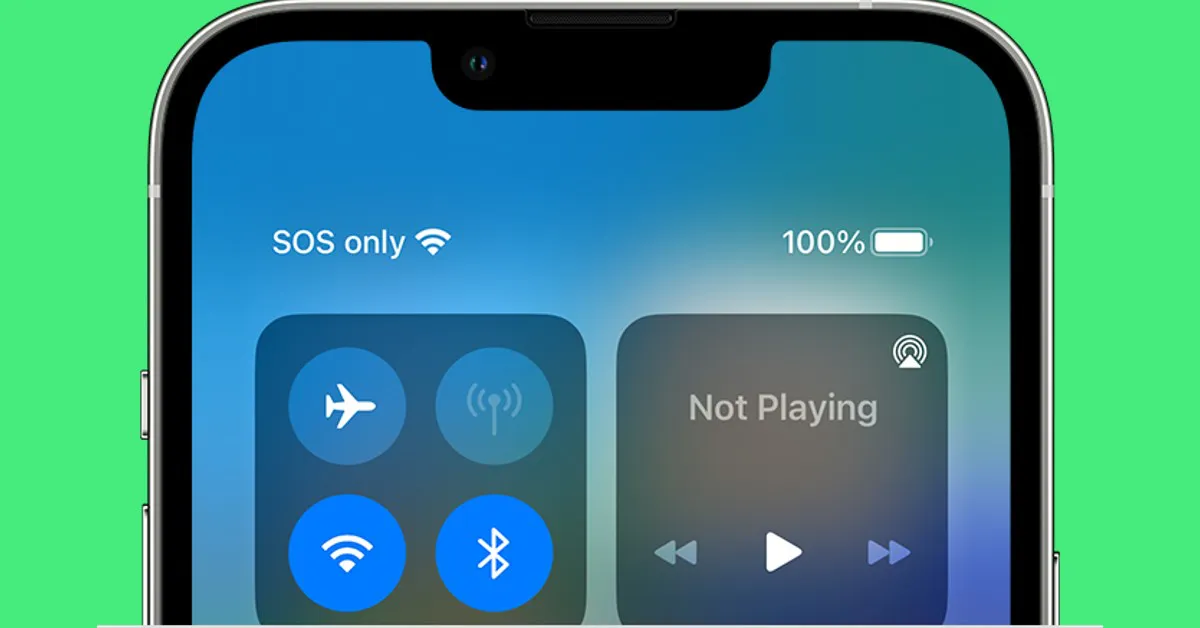
When you see “SOS” or “SOS Only” next to the Wi‑Fi icon on your iPhone, it means your phone has lost its connection to your cellular carrier’s network, but it can still place emergency calls using any available carrier. This sos on iPhone status is a built‑in safety feature, not a Wi‑Fi problem, so even though the indicator sits beside the Wi‑Fi symbol, it has nothing to do with your router, signal strength, or internet connection. If a separate my wifi say privacy warning message appears, that alert points to a potential network eavesdropping risk rather than cellular service loss.
What the sos on iPhone status bar really means
The SOS indicator appears when your iPhone cannot register with your usual cellular provider. In that state, the phone automatically switches to emergency‑only mode, allowing you to dial local emergency numbers through whatever network is within range. This is a deliberate design: your device prioritizes your ability to call for help over normal data or voice service. The status bar shows “SOS” or “SOS Only” to alert you that you have no regular cellular service, but emergency calling remains available. It is unrelated to Wi‑Fi signal strength, and you can still connect to Wi‑Fi networks for internet access while the SOS indicator is displayed.
Why your iPhone shows SOS or SOS Only
Several common situations trigger the SOS status. Being outside your carrier’s coverage area, such as in a remote region, a basement, or a building with thick walls, is the most frequent cause. Network outages at your carrier’s towers can also drop your connection temporarily. Account issues, like a suspended line, an unpaid bill, or a missing plan, may prevent your iPhone from registering. A damaged, improperly inserted, or incompatible SIM card can also cause the phone to lose carrier access. Finally, a software glitch after an iOS update or a failed carrier settings refresh might leave your device stuck in SOS mode until you intervene.
How to fix the SOS status and restore cellular service
Work through these steps in order. Most SOS issues resolve with a simple refresh of your iPhone’s connection to the network.
- Check coverage, Look at the carrier name in the top‑left corner. If you’re in a known dead zone, move to a window, an open area, or a higher floor to see if the status changes.
- Toggle Airplane Mode, Open Control Center, turn Airplane Mode on, wait about 10 seconds, then turn it off. This forces your iPhone to re‑scan for available networks.
- Restart your iPhone, Power off the device completely, wait a few seconds, and power it back on. This clears minor software hiccups that may be blocking carrier registration.
- Check for carrier settings updates, Go to Settings > General > About. If an update is available, a prompt will appear automatically. Tap “Update” to install it.
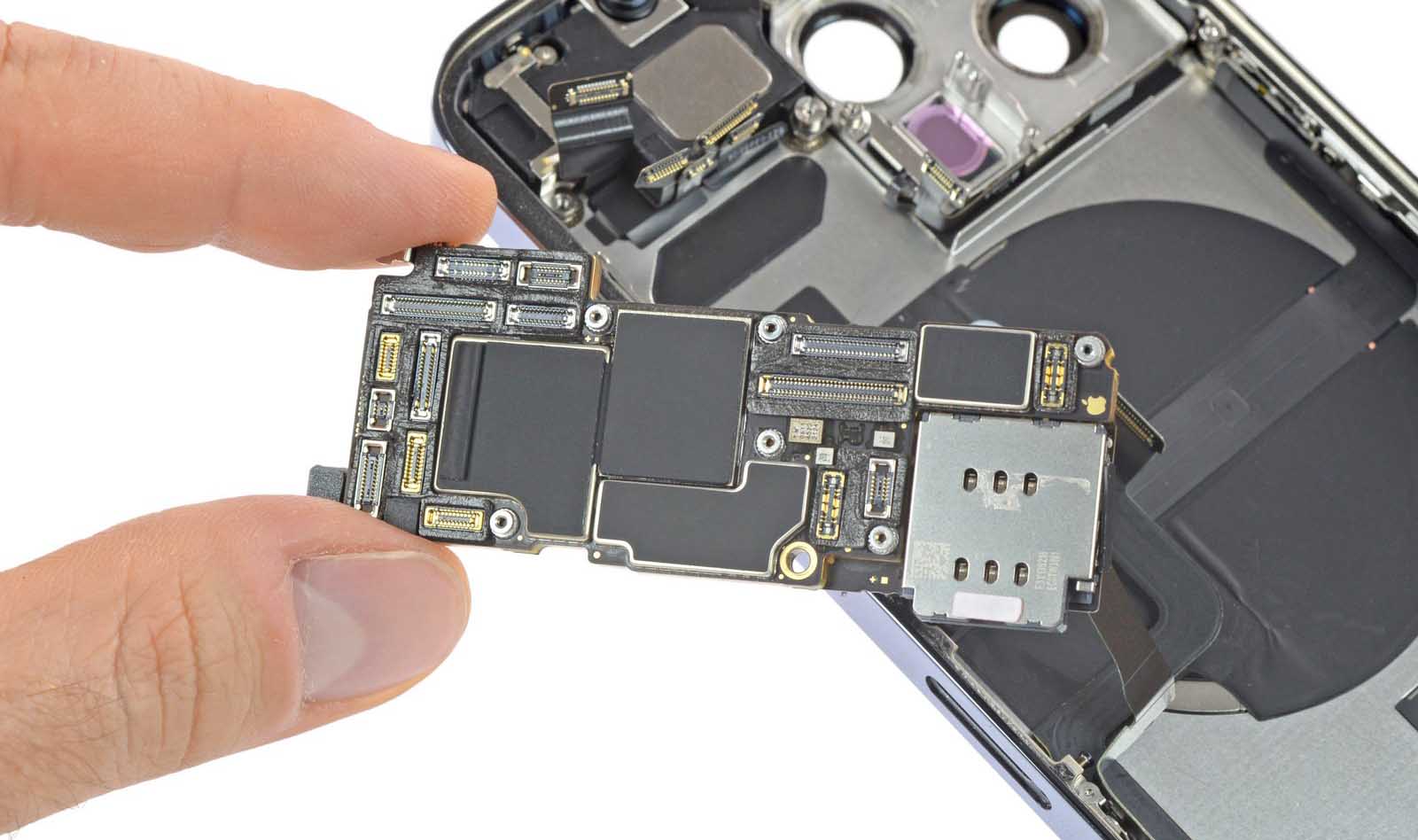
- Remove and reinsert your SIM card, Use a SIM ejector tool to pop out the tray, inspect the SIM for damage or dirt, then reinsert it firmly. This simple reset often resolves a loose or misaligned SIM.
- Contact your carrier, If the SOS status persists, call your cellular provider. They can verify your account status, check for tower outages in your area, and refresh your line’s network registration remotely.
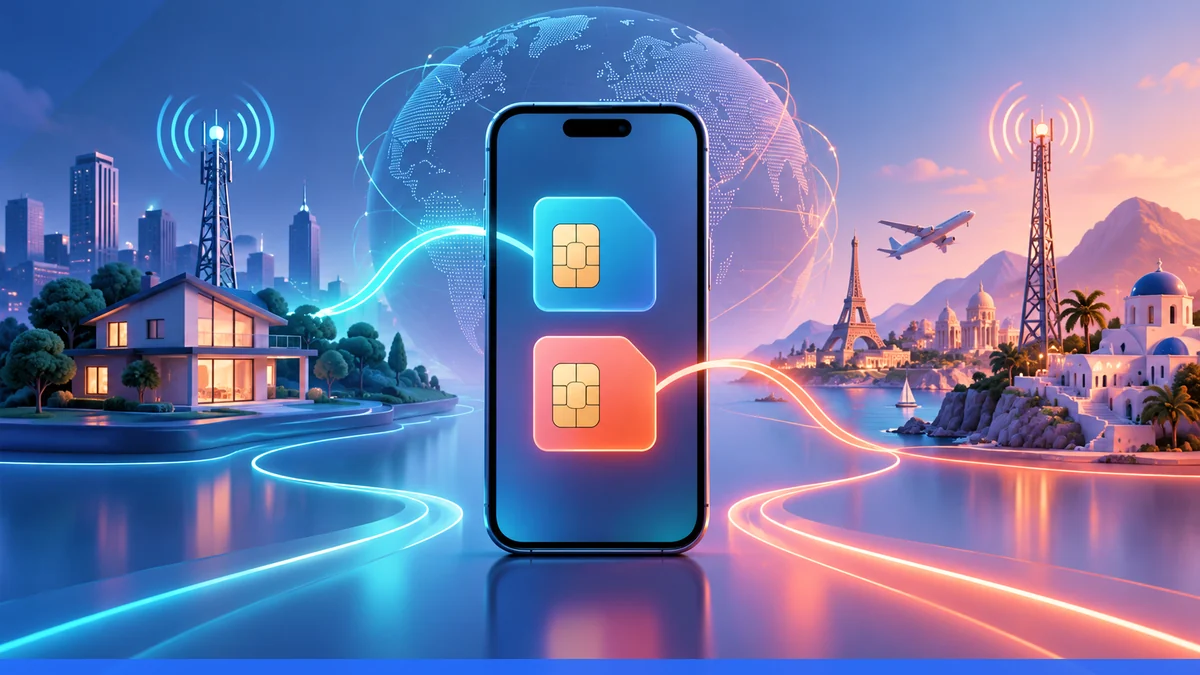
If you have an eSIM instead of a physical SIM, skip the SIM removal step and go straight to contacting your carrier, they can re‑provision your eSIM profile over the air.
SOS status bar vs. Emergency SOS via Satellite
It’s important not to confuse the SOS status indicator with Emergency SOS via Satellite, a separate feature on iPhone 14 and later models. The status bar SOS means you still have emergency calling through a cellular network, even if it’s not your own carrier. Emergency SOS via Satellite, on the other hand, is designed for situations where there is no cellular or Wi‑Fi coverage at all, for example, in a remote wilderness area. When you try to call the local emergency number and the call fails, your iPhone will show an “Emergency Text via Satellite” option. Tapping it guides you to point your phone at a satellite to send a text message to emergency services.
This satellite feature requires a clear line of sight to the sky. It will not work indoors, under dense tree cover, in deep valleys, or when tall buildings or mountains block the view. The service is free for two years after activating an iPhone 14 or later, and Apple has extended that free period for existing users. To practice without making a real emergency call, you can use the built‑in demo mode: go to Settings > Emergency SOS > Try Demo. The demo walks you through the satellite‑pointing process so you’re familiar with it before you ever need it. For everyday use, you can also manage your emergency contacts and Medical ID in Settings > Emergency SOS, which are separate from the satellite feature but equally useful in a crisis.
\nRelated reading: Does Tor Browser Work On iPhone Or iOS and What Does The 6 On My Wifi Mean.