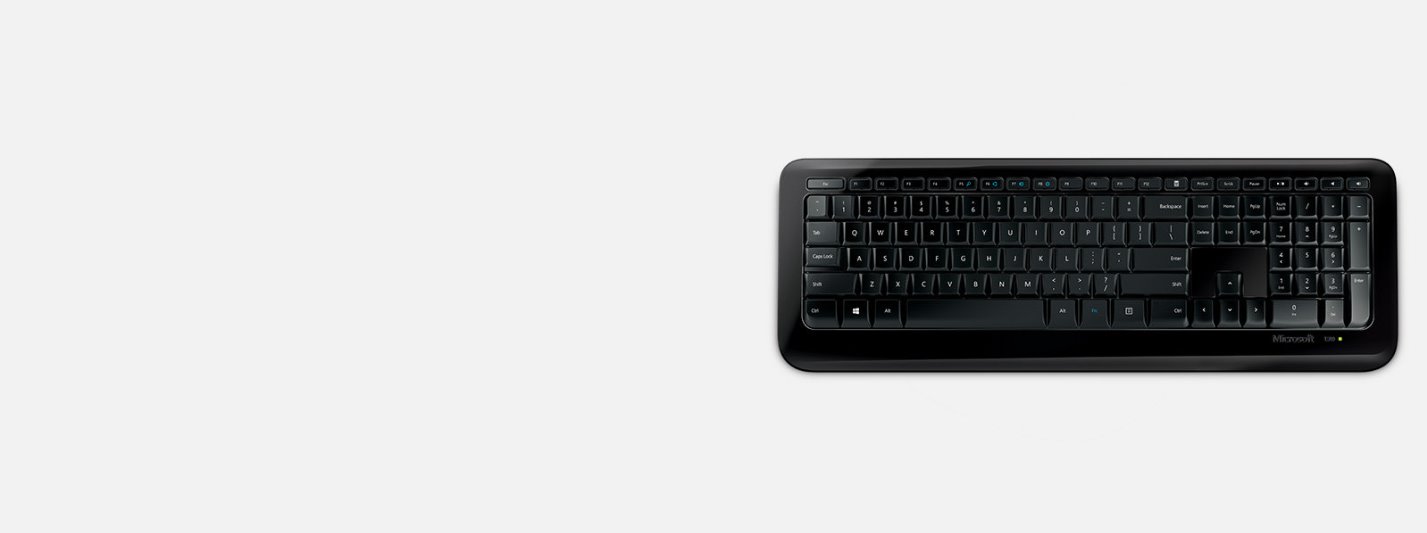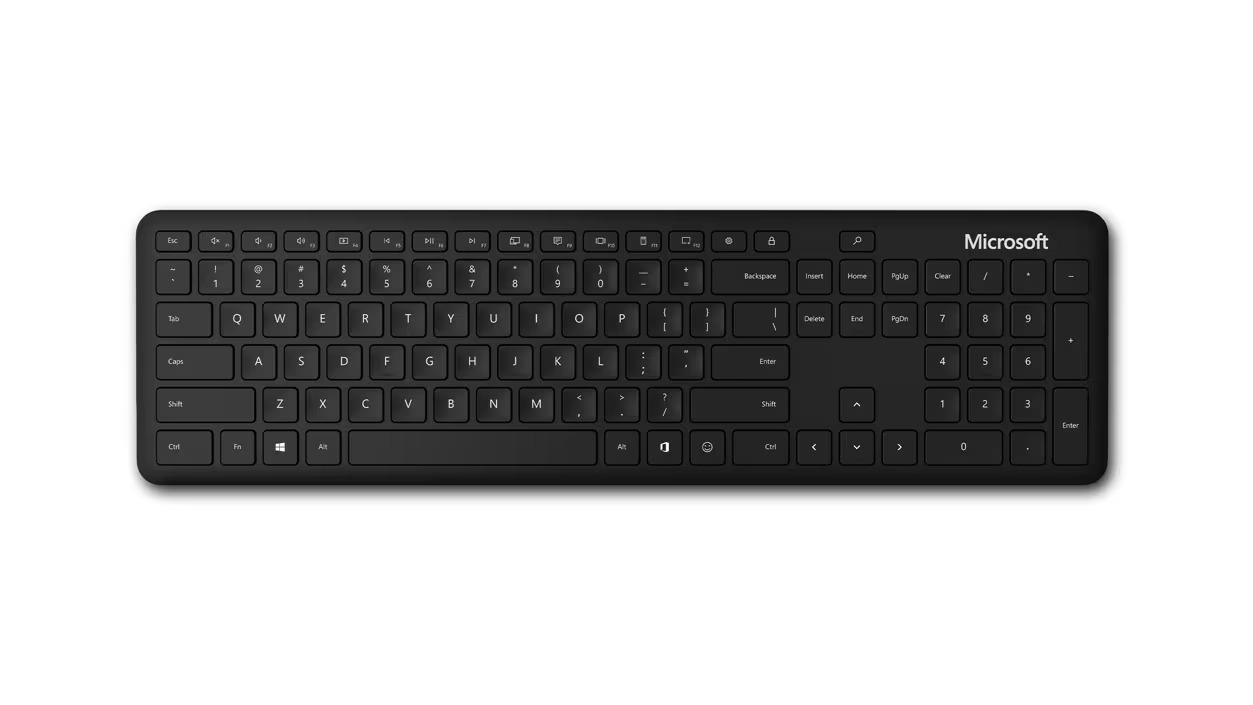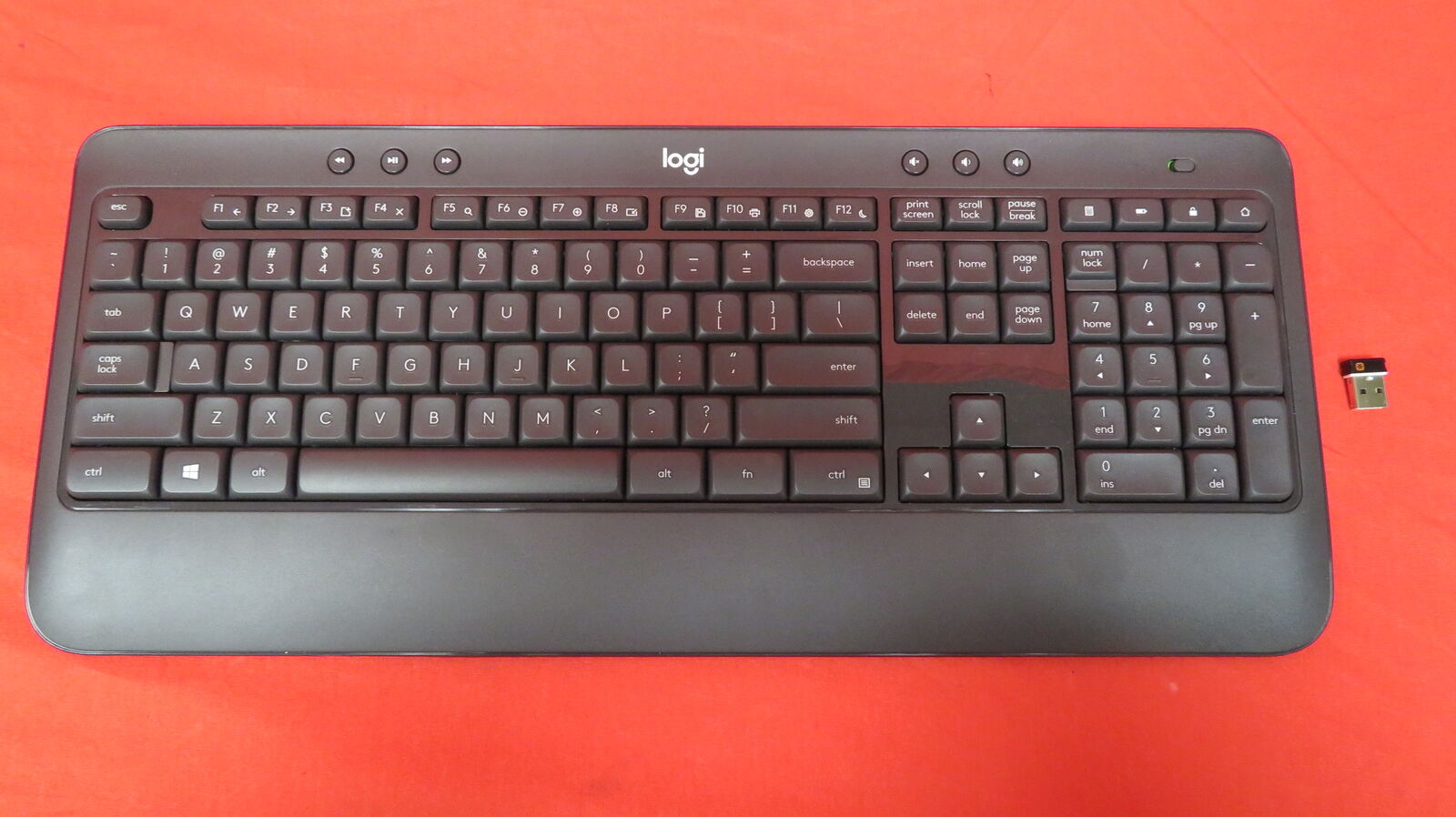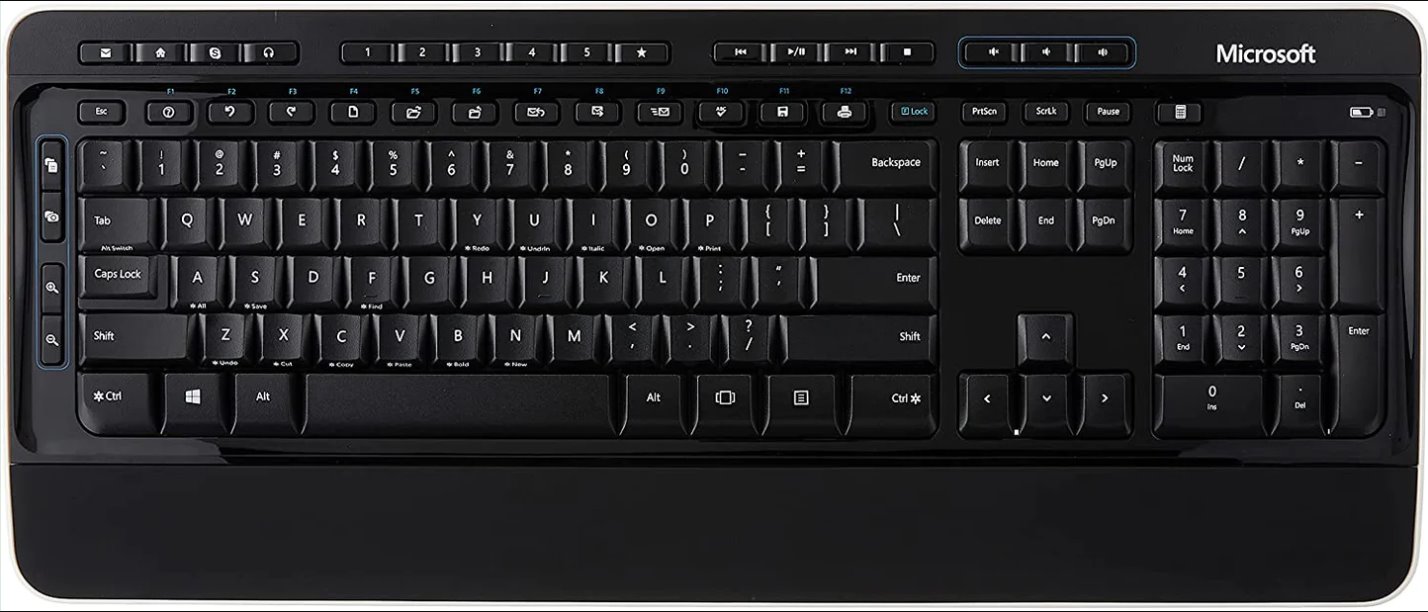
To connect the Microsoft Wireless Keyboard 3000 V2.0, you must use the proprietary 2.4 GHz USB transceiver that came in the box, this keyboard does not support Bluetooth and will not pair with any other receiver, unlike the process to connect a Logitech wireless keyboard to a different receiver using their Unifying software. The entire connection process takes about two minutes once you have the receiver and two AA batteries ready.
Before you start: what you need to know about the Microsoft wireless keyboard 3000 v2.0 how to connect
This keyboard communicates exclusively through its own 2.4 GHz USB transceiver. It is not a Bluetooth device, so you cannot pair it with a laptop’s built-in Bluetooth, a phone, or a tablet. The receiver is a small dongle that plugs into a standard USB port on your computer. The keyboard works with Microsoft Windows 7, Windows Vista, and Windows XP (excluding Windows XP 64-bit). If you are running an older operating system, you may need Microsoft IntelliType Pro software version 7.0 for full functionality. The wireless range is typically 45 feet (15 meters), but metallic objects and poor receiver placement can shorten that distance. If you have lost the USB receiver, you cannot simply buy a replacement dongle, individual receivers are not interchangeable, and you would need to obtain a new keyboard-and-receiver set. For more details on replacing a lost receiver, see our separate guide on that topic.
Step 1: Check and install the batteries
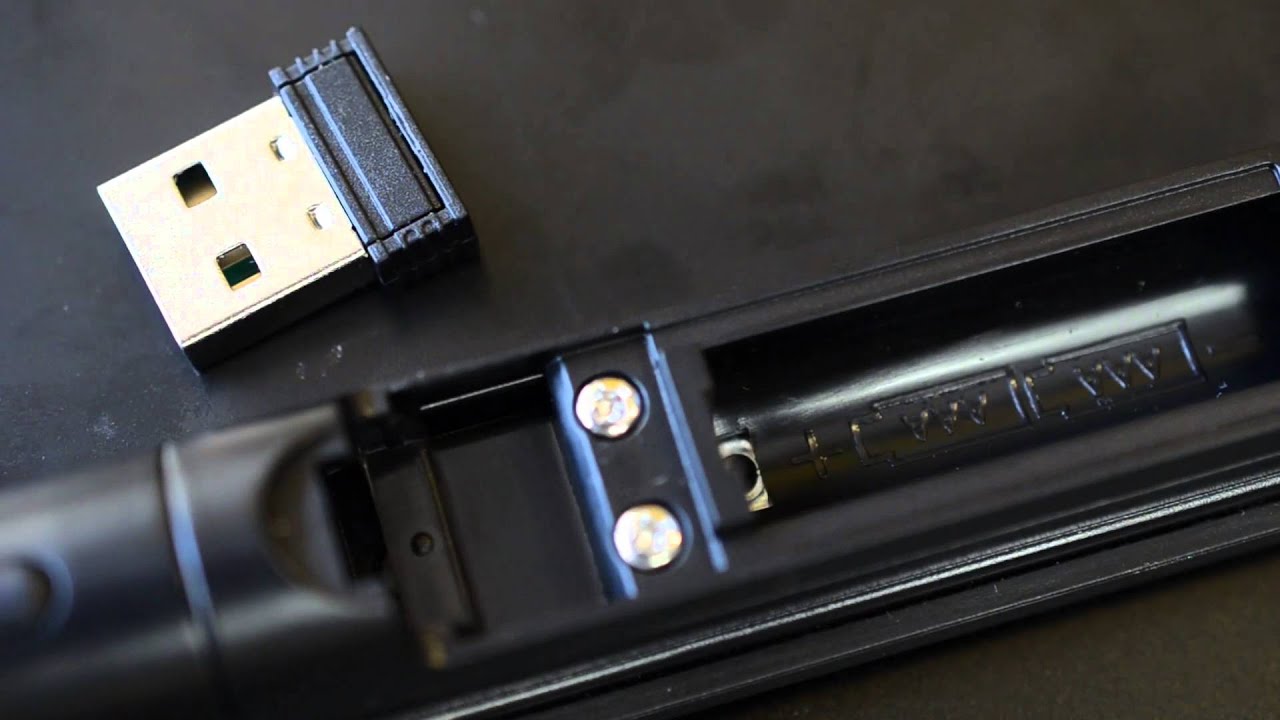
Before anything else, confirm the keyboard has power. Turn the keyboard over and locate the battery compartment, which sits near the top edge. Twist the compartment cover counterclockwise using a coin or your fingernail, then lift it off. Inside you will see the battery indicator and the slots for two AA batteries.
- Read the battery indicator: a green light means sufficient charge; a red light means low battery.
- Insert two AA alkaline batteries, matching the positive and negative markings inside the compartment.
- Replace the cover and twist it clockwise to lock it.
If the indicator showed red before you inserted new batteries, use fresh alkaline batteries, rechargeable AA batteries may not provide consistent power. A proper battery install prevents most early connection failures.
Step 2: Plug the USB transceiver into your computer
The USB transceiver is the small dongle that came with your keyboard. It must be plugged directly into a USB port on your computer, do not use a USB hub, as that can introduce signal issues.
- Find an available USB port on the front, back, or side of your desktop or laptop.
- Insert the transceiver fully until it clicks or sits flush against the port.
- Wait a few seconds for your computer to recognize the device. You may see a notification or hear a sound.
- If nothing happens, remove the transceiver and try a different USB port.
Once the transceiver is detected, leave it in place. The keyboard will not work if the receiver is half-inserted or in a loose port.
Step 3: Turn on the keyboard
With the receiver plugged in, locate the physical power switch on the underside or side of the keyboard. It is a small toggle labeled with a power icon.
- Flip the switch to the “On” position.
- Watch for a small LED indicator to light up, confirming the keyboard has power.
- Keep the keyboard within a few feet of the receiver while it searches for the connection.
The keyboard has an auto-off power-saving mode. If you leave it idle for a period, it will sleep to conserve battery. Press any key to wake it, and it will automatically reconnect to the receiver. If the LED does not light at all after flipping the switch, recheck the battery installation from Step 1.
Step 4: Sync the keyboard to the receiver
In most cases, the keyboard and receiver are pre-paired from the factory. However, if they have lost their connection, or if you are setting it up for the first time after a battery change, you need to run the sync sequence manually.
- Look for the connect button on the USB transceiver. It is usually on the top or side, sometimes labeled “Connect” or marked with a wireless signal icon.
- Press and hold the connect button on the transceiver until its LED starts blinking. This puts the receiver into pairing mode.
- Locate the connect button on the underside of the keyboard, near the power switch or battery compartment.
- Press and hold the keyboard’s connect button for a few seconds.
- Watch the receiver’s LED: when it stops blinking and stays steady, the keyboard is paired.
- Release both buttons and test by typing a few characters.
If the characters appear on screen, the connection is live. If not, repeat the sequence, making sure the receiver’s LED is blinking before you press the keyboard button. The sync process is the core of the connection routine, and getting the order right, receiver first, then keyboard, is essential.
Troubleshooting when the keyboard won't connect
If the keyboard still does not respond after the sync attempt, work through these common fixes in order.
First, check the battery charge. Even if the LED lit earlier, weak batteries can cause intermittent drops. Replace both AA batteries with fresh alkaline ones and retest.
Second, reseat the USB receiver. Pull it out, wait five seconds, and plug it back into the same port or a different one. A loose connection is a frequent cause of failure.
Third, restart your computer. A reboot resets the USB stack and can clear temporary driver conflicts that block the receiver from being recognized.
Fourth, remove nearby wireless interference. Routers, cordless phones, microwave ovens, and other 2.4 GHz devices can disrupt the signal. Move the receiver and keyboard away from such sources, or reposition the receiver to a front USB port for a clearer line of sight.
Fifth, re-run the sync sequence from Step 4. Press the connect button on the receiver until its LED blinks, then press the connect button on the keyboard until the receiver’s LED steadies. Do this with the keyboard within arm’s reach of the receiver.
If you have gone through all five fixes and the keyboard still will not connect, the issue is almost certainly the receiver itself. Since the Microsoft Wireless Keyboard 3000 V2.0 cannot connect to any other receiver, and individual receivers are not sold separately, you will need to replace the entire keyboard-and-receiver set. Before doing that, verify the keyboard’s power switch is in the “On” position and that the batteries are fresh, these two simple checks resolve the majority of connection failures.
\nRelated reading: How To Setup Microsoft Wireless Keyboard 800.