It is impossible to unenroll a school Chromebook yourself without the direct involvement of the school's IT administrator. Enterprise enrollment is a server-side setting stored in the school's Google Admin console, so no local reset or recovery action you perform as an end-user can remove it.
Can you unenroll a school Chromebook yourself?
The short and direct answer is no. A school-managed Chromebook cannot be unenrolled by an end-user without the intervention of the organization's administrator. The enrollment is tied to the device's serial number on the school's server, not to the local files or settings on the Chromebook itself. This means that even if you erase everything on the device, the school's management policy will be reapplied the moment the Chromebook connects to the internet.
Why a Powerwash or recovery won't work
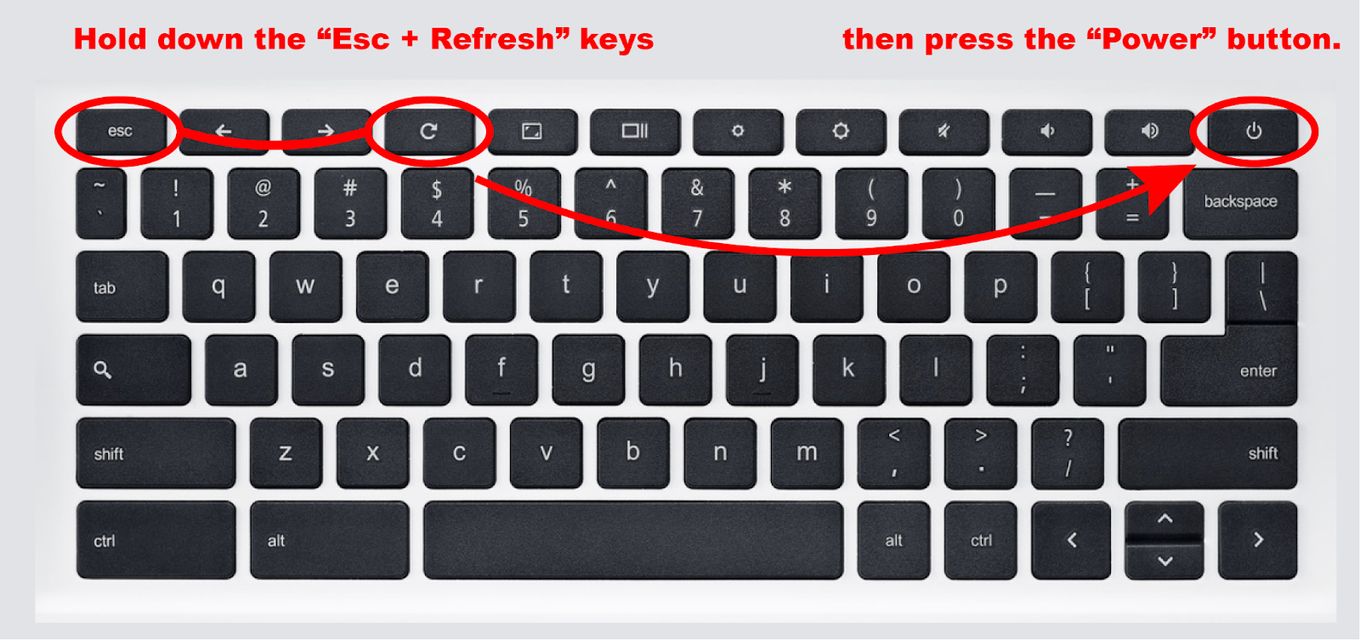
Many people mistakenly believe that performing a Powerwash (a factory reset) or using the Chromebook Recovery tool will remove school management. These methods only erase local data, user accounts, and cached files. When you turn on your Chromebook after a Powerwash, the device checks its serial number against the school's Google Admin console. If the serial number is still registered as a managed device, the Chromebook automatically re-enrolls during the setup process, restoring all school restrictions. The same applies if you try to reset an Acer Chromebook using the recovery media, the recovery process reinstalls Chrome OS, but the device's hardware ID remains enrolled, so it will immediately re-join the school's management system upon connecting to Wi-Fi. There is no way to delete Chrome OS and replace it with a different operating system that would bypass this server-side check; the firmware itself enforces enrollment.
Why you might need to unenroll your Chromebook
There are valid reasons you may want to remove school management from a Chromebook you own or possess. You might be a student graduating or transferring schools, a parent who wants to use the device outside of school hours, or an educator returning a loaned Chromebook. In each case, the goal is to regain full control over the device's settings, customize the wallpaper and user accounts, and install applications from the Google Play Store without restrictions. Unenrolling allows you to use the Chromebook as a personal machine, free from the school's management policies.
The only official method: contact your school's IT department
The sole verified way to unenroll a school Chromebook is to have the school's IT department or system administrator deprovision the device from their Google Admin console. Here is how to request this:
- Gather the device's serial number. You can find this on a sticker on the bottom of the Chromebook or by typing
chrome://systemin the address bar and looking for the "serial_number" entry. - Locate the correct contact for your school's IT department. This information is often on the school website, in student handbooks, or available from a teacher or front office.
- Reach out via email or phone. Politely explain that you need the Chromebook unenrolled because you have graduated, are transferring, or have permission to use the device personally. Provide the serial number and any other identifying information requested.
- Follow their instructions. They may ask you to bring the device in, or they may process the deprovisioning remotely. Once they confirm the device has been removed from the management console, the Chromebook will no longer re-enroll after a reset.
This is the only method that works. No Powerwash, recovery, or developer mode trick can bypass the server-side enrollment on a school-managed Chromebook.
What to do after your Chromebook is unenrolled
Once the school's IT department confirms the device is deprovisioned, you can set it up as a personal machine. Perform a Powerwash to clear any remaining school data and settings. When the Chromebook restarts, you will be able to sign in with a personal Google account and complete the setup without encountering the enterprise enrollment screen. After setup, you can customize the wallpaper, manage user accounts, adjust privacy and security settings, and install any apps from the Google Play Store. The device is now yours to use freely, with no restrictions from the school's management system.