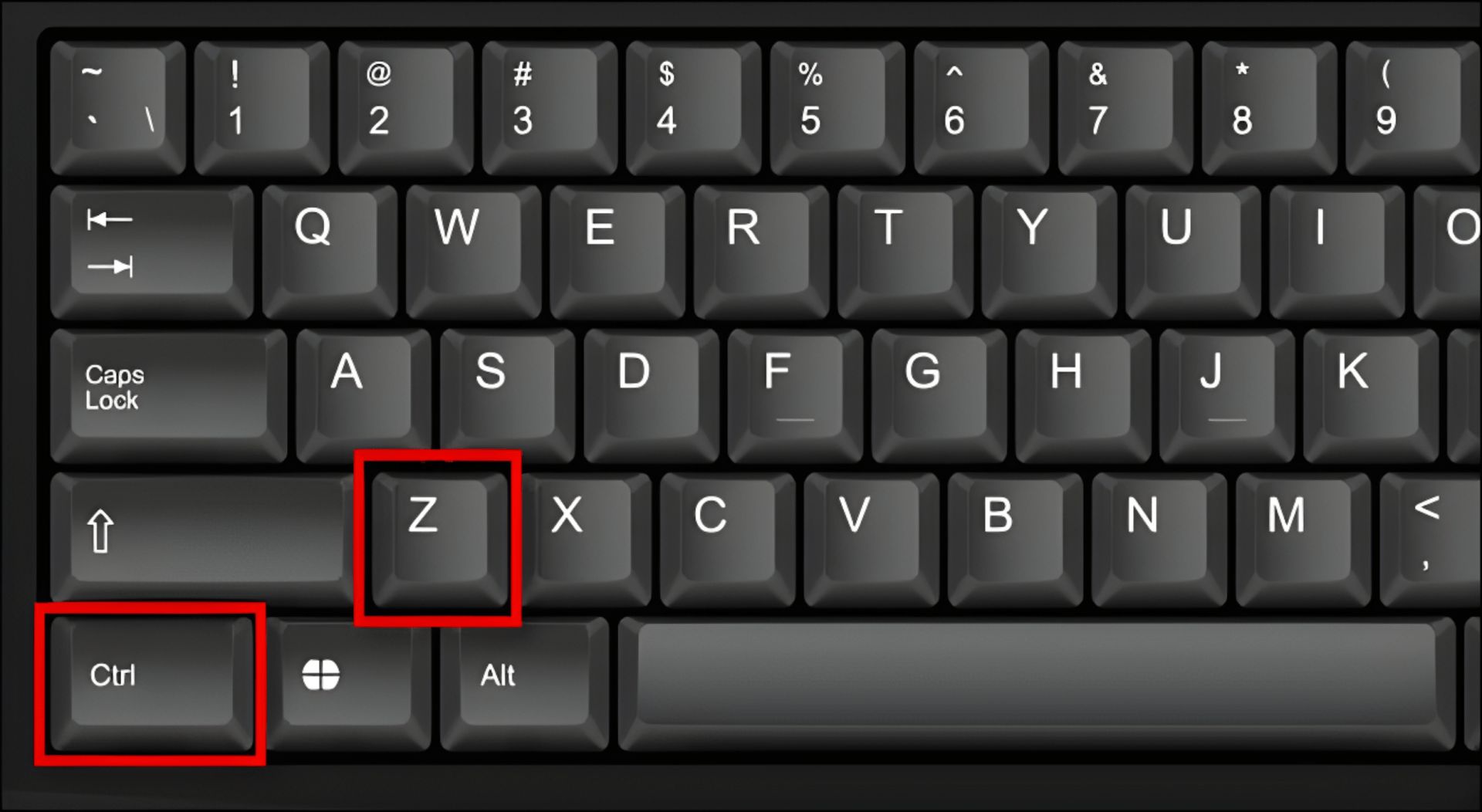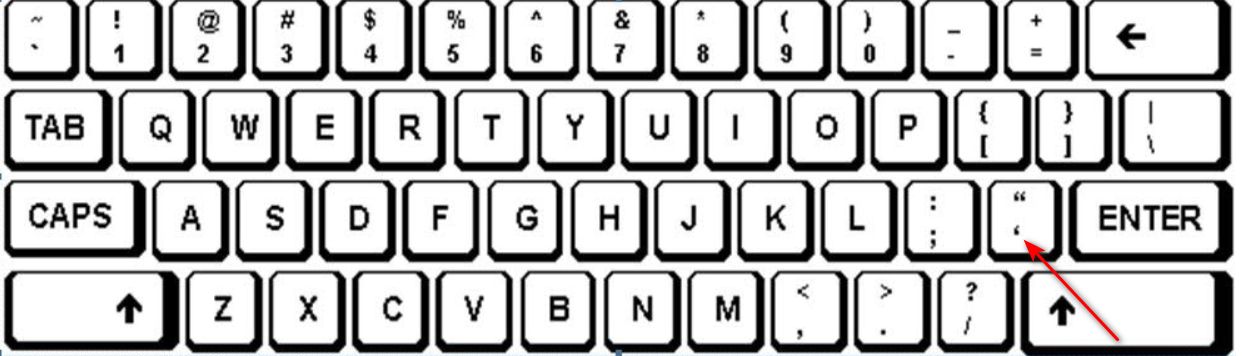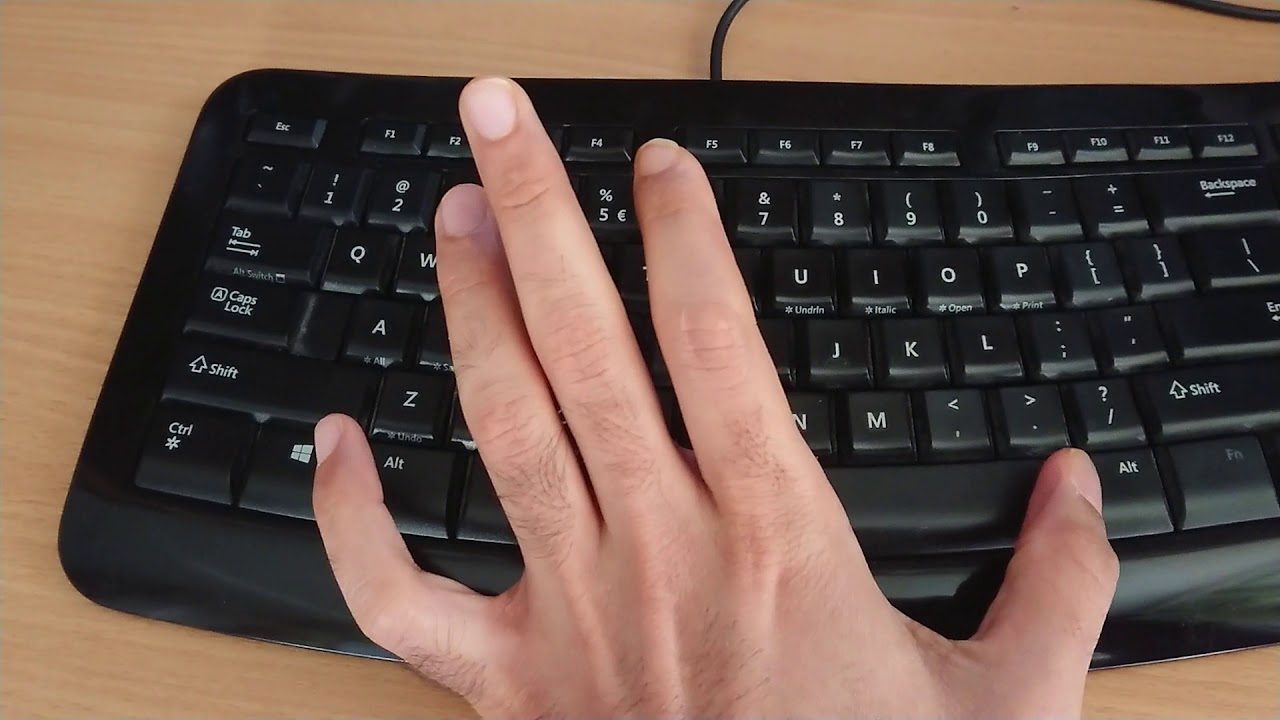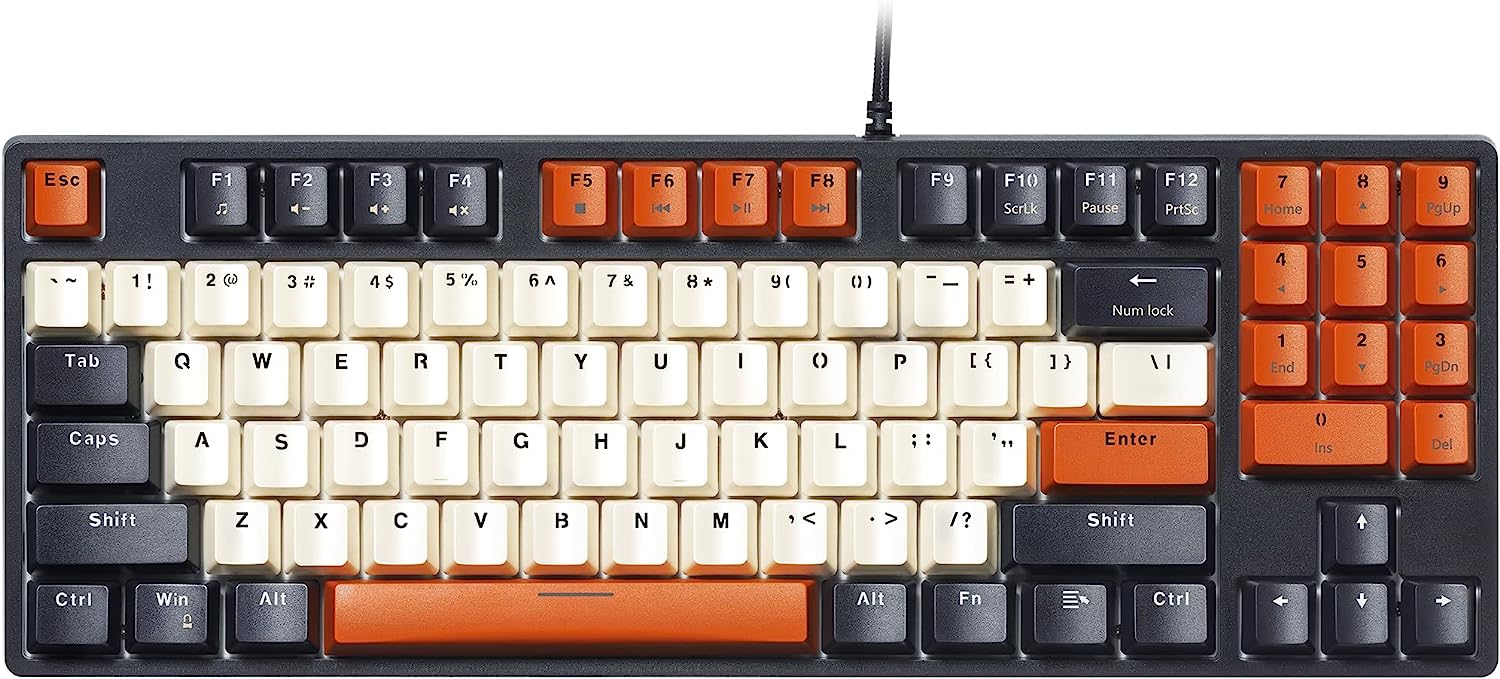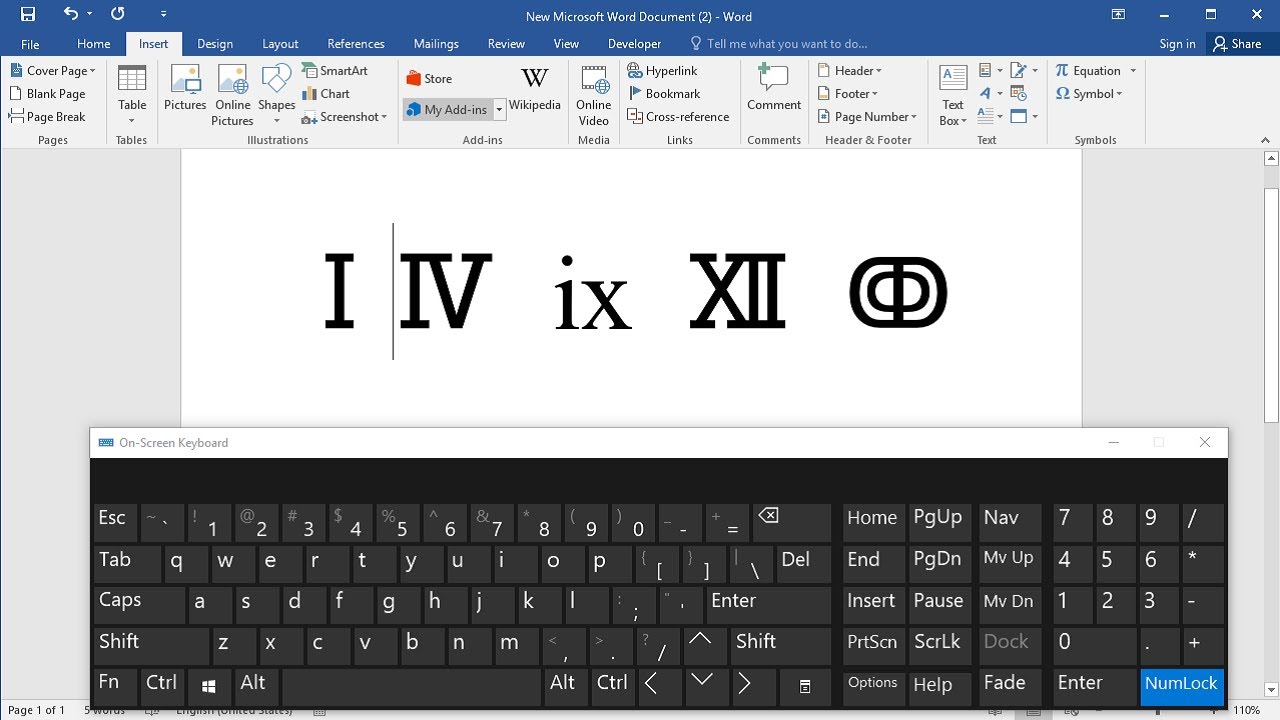
The quickest way to type Roman numerals on a keyboard is to simply use the uppercase Latin letters I, V, X, L, C, D, and M. This method works on any device and in any application, making it the most direct answer for how to type Roman numerals on keyboard.
How to type Roman numerals on keyboard: the quickest method
Typing standard uppercase Latin letters (I, V, X, L, C, D, M) is the most straightforward way to create Roman numerals on any keyboard. Because Roman numerals are built from these exact letters, you can type any number, from I to MMMCMXCIX (3999), by pressing the corresponding keys. This approach requires no special software, codes, or settings, and it works identically on Windows, Mac, Android, and iOS devices; if you need another special character on the same devices, you can similarly make a euro sign on keyboard without switching layouts.
How to copy and paste Roman numerals
Copy-pasting Roman numerals from online resources or character tables is a universal method that works across most platforms and applications. You can quickly find these symbols on a Roman numeral reference site, copy them, and paste them into any document, email, or text field without needing to memorize codes or navigate menus.
How to type Roman numerals on Windows
On Windows, you can insert specific Roman numeral characters using Alt codes by holding down the Alt key and typing a four-digit code on the numeric keypad. This method requires a separate numeric keypad, which is typically found on full-sized desktop keyboards. This approach gives you access to the exact Unicode symbols rather than relying on standard letters.
In Windows applications like Microsoft Word, you can type the Unicode hexadecimal code for a Roman numeral (e.g., 2160 for Ⅰ) and then press Alt + X to convert it into the corresponding symbol. This is a fast alternative if you know the hex codes and prefer not to use the numeric keypad.
How to type Roman numerals in Microsoft Word and Google Docs
In Microsoft Word, you can automatically convert Arabic numbers to Roman numerals using a field code: press Ctrl + F9 to create field brackets {}, type =number\*Roman (e.g., {=1234\*Roman}), then right-click the field and select "Update Field" or press F9. This instantly transforms any number into its Roman numeral equivalent, making it ideal for chapter headings, page numbers, or any document that requires automatic conversion.
Google Docs also allows you to format numbered lists with Roman numerals by selecting the text, clicking the numbered list icon in the toolbar, and choosing the Roman numeral style (e.g., I, II, III or i, ii, iii). This is the best method when you need a sequential list, such as an outline or table of contents, that automatically increments in Roman numerals as you add items.
How to type Roman numerals on a Mac
On macOS, you can use the Character Viewer (Emoji & Symbols) to find and insert specific Roman numeral characters. In the viewer, search for "Roman numeral" to see all available symbols, then double-click the one you need. This method gives you access to the full set of Unicode Roman numeral characters, including variants like Ⅰ, Ⅱ, Ⅲ, Ⅳ, and Ⅴ, which may appear differently from standard uppercase letters in certain fonts.
How to type Roman numerals on Android and iPhone
For mobile devices, the copy-paste method or third-party keyboard apps are recommended, as standard mobile keyboards lack a direct Roman numeral input feature. On both Android and iPhone, the default keyboard does not include a dedicated Roman numeral layout. The simplest workaround is to type uppercase letters (I, V, X, L, C, D, M) for basic numerals, or to copy symbols from a website and paste them. If you frequently need Roman numerals, you can install a third-party keyboard app from the Google Play Store or Apple App Store that includes a Roman numeral key or layout, allowing you to insert them with a single tap.
\nRelated reading: How To Type Squared Symbol On Keyboard and How To Undo On Keyboard.