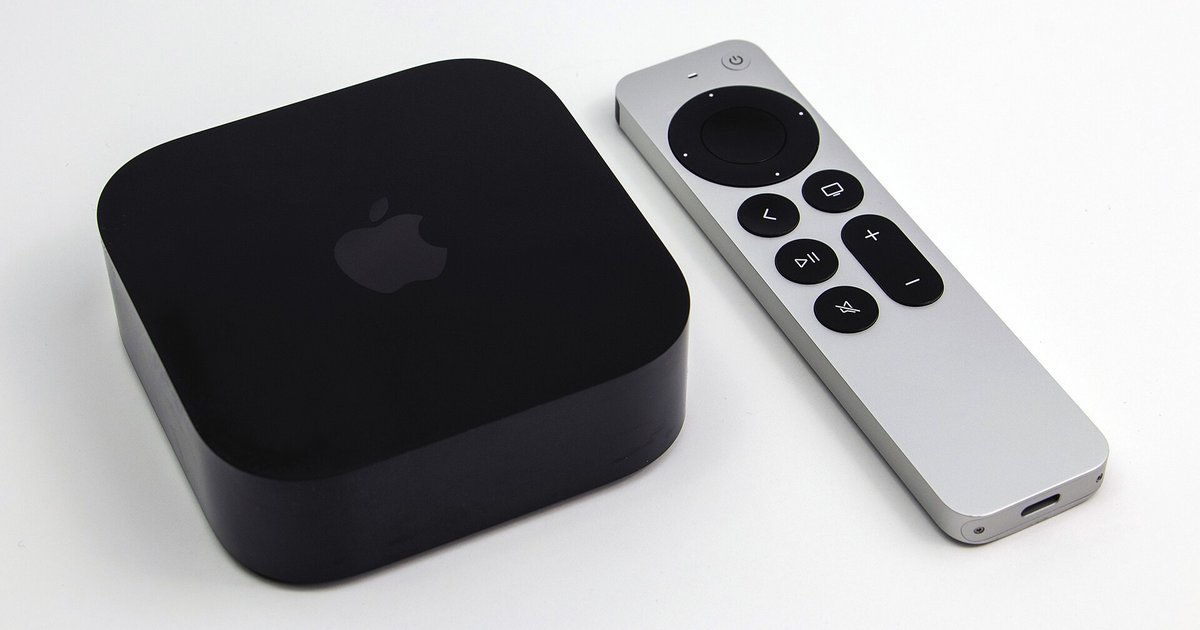
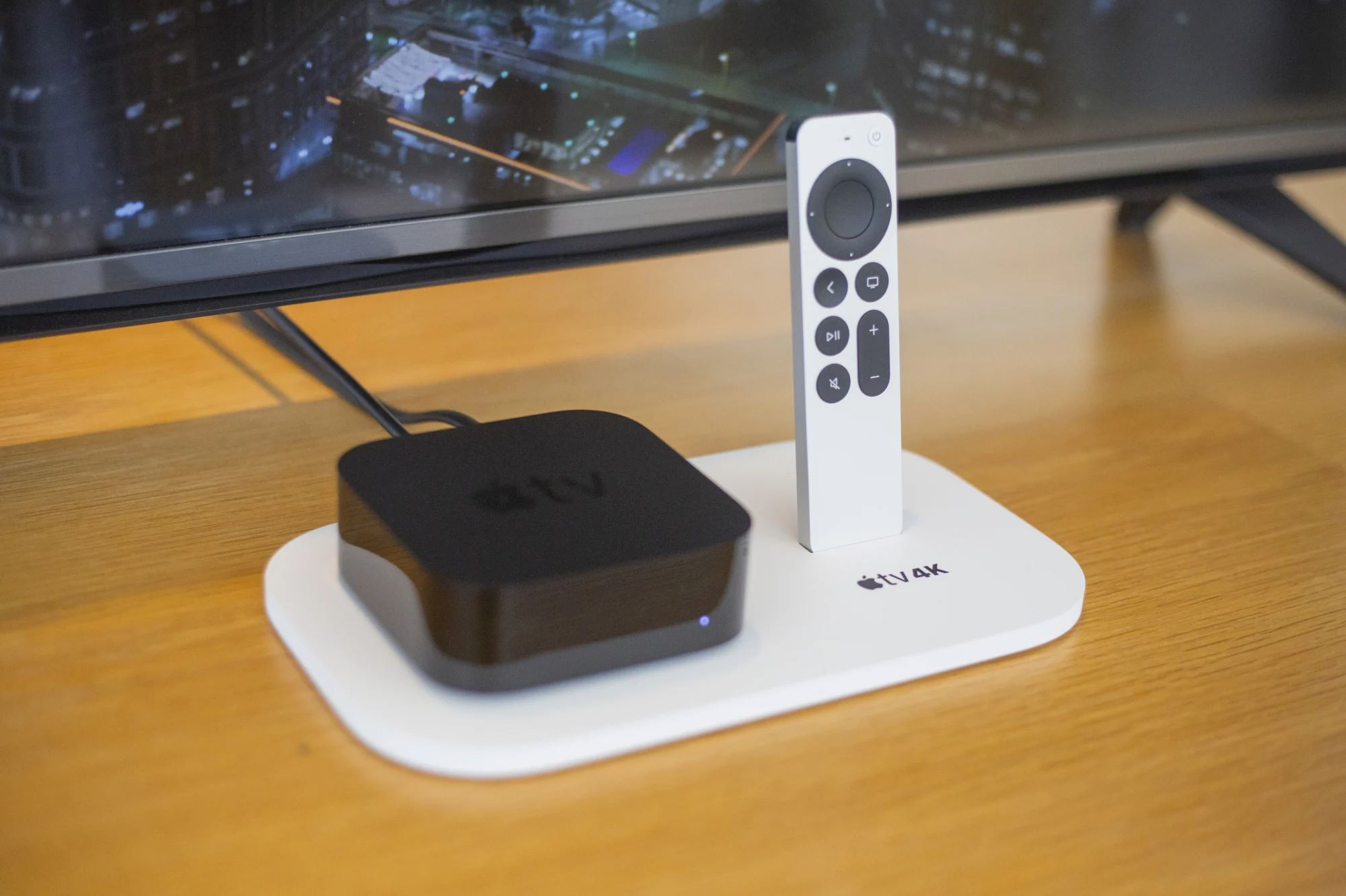
To turn up brightness on Apple TV, you don’t need to dig through a settings menu, the brightness slider lives in Control Center, which you can open while watching anything. Swipe down on the Siri Remote’s touch surface, find the sun icon, and slide it right to brighten the picture instantly.
Where to find the brightness slider on Apple TV
There is no brightness slider buried inside the Apple TV’s Settings app, and that’s a common point of confusion. Apple TV’s main brightness control is in Control Center, a quick-access panel that appears over whatever you’re watching. You won’t find it under “Video and Audio” or “Calibration”, those menus handle other picture adjustments, not brightness. If you’ve been hunting for a Settings path, stop: Control Center is where you’ll find Apple TV’s brightness slider.
Step-by-step: Turn up brightness using the Control Center
This works on any Apple TV running tvOS 14 or later, and it’s the fastest way to make the screen brighter or dimmer without pausing your show. The slider adjusts the video signal Apple TV sends to your television, so you’ll see the change immediately on screen.
- While watching content, swipe down from the top of the Siri Remote’s touch surface. This opens Control Center.
- Look for the sun icon with a brightness bar next to it, it’s usually near the top of the panel.
- Slide your finger to the right on the bar to increase brightness. Slide left to dim.
- Release your finger to lock in the setting. The Control Center will close automatically when you swipe up or press the Menu button.
You can repeat this anytime, even mid-scene, without interrupting playback. The slider is independent of your TV’s own backlight, so it only affects the Apple TV’s output signal, not the physical panel behind your screen.
When to adjust Apple TV brightness vs. your television backlight
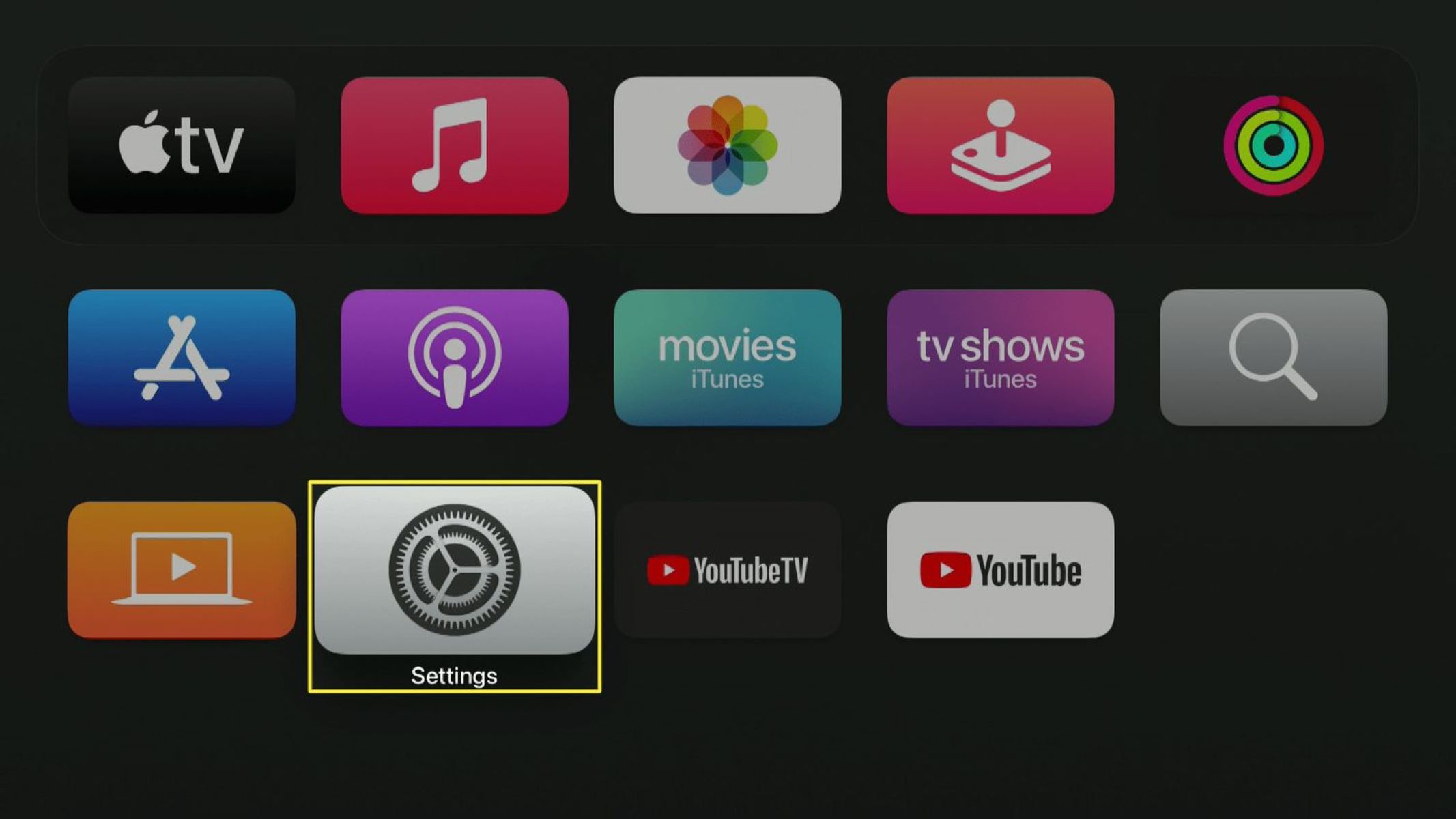
The Apple TV brightness slider changes the brightness of the video signal it sends to your TV. It’s a software-level adjustment that works across all apps and inputs. Your television’s backlight, on the other hand, controls the actual light output of the panel itself. If your picture looks washed out or too dark even at the Apple TV slider’s extremes, the issue is likely your TV’s backlight, not the Apple TV’s signal. Grab your TV remote and look for a picture or display menu, usually labeled “Picture,” “Display,” or with a sun or lightbulb icon, to adjust backlight separately. This distinction matters because cranking the Apple TV slider too high can blow out highlights, while lowering your TV’s backlight preserves shadow detail in dark scenes. For other picture tweaks like contrast or color, you can still get to settings on Apple TV under Settings > Video and Audio, but brightness itself stays in Control Center.
Watch in comfort without a dim or blown-out picture
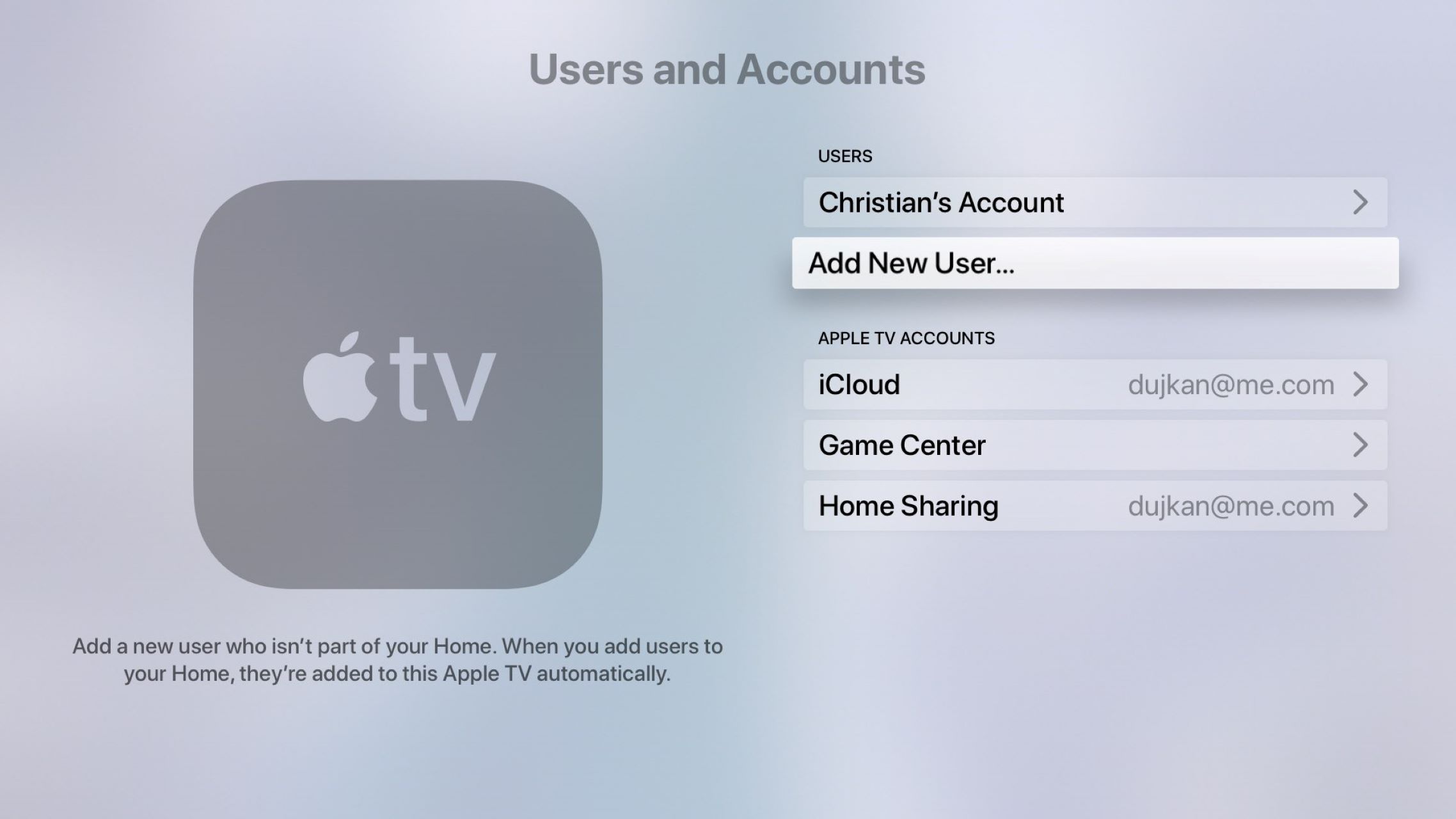
Match the brightness slider to your room’s lighting for the best experience. In a bright, sunlit room, slide the bar higher to cut through glare and keep details visible. In a dark room, lower it to avoid eye strain and prevent bright whites from overwhelming the scene. A good rule of thumb: the picture should feel natural, not glowing or muddy. If you’re watching HDR content and the image looks off, note that the brightness slider works alongside your TV’s HDR settings, if you ever see an Apple TV 4K HDR format greyed out or not available, that’s a separate HDMI or TV capability issue, not a brightness problem. And if you share your Apple TV with family, you can add users to Apple TV app so each person’s viewing preferences, including brightness, stay consistent across profiles. Start with the slider at about halfway, then nudge it up or down until the screen looks comfortable for the current lighting. That’s all it takes, no menus, no guesswork, just a quick swipe and slide whenever you need it.