To switch to cable on Samsung smart TV, you first need to identify which of two setups you have: a cable box connected via HDMI, or a direct coaxial cable plugged into the TV’s built-in tuner. The correct method depends entirely on your equipment, if you rent a cable box from your provider, use Method 1; if you plug the coax wall outlet straight into the TV, use Method 2.
Two ways to switch to cable on Samsung Smart TV: Overview
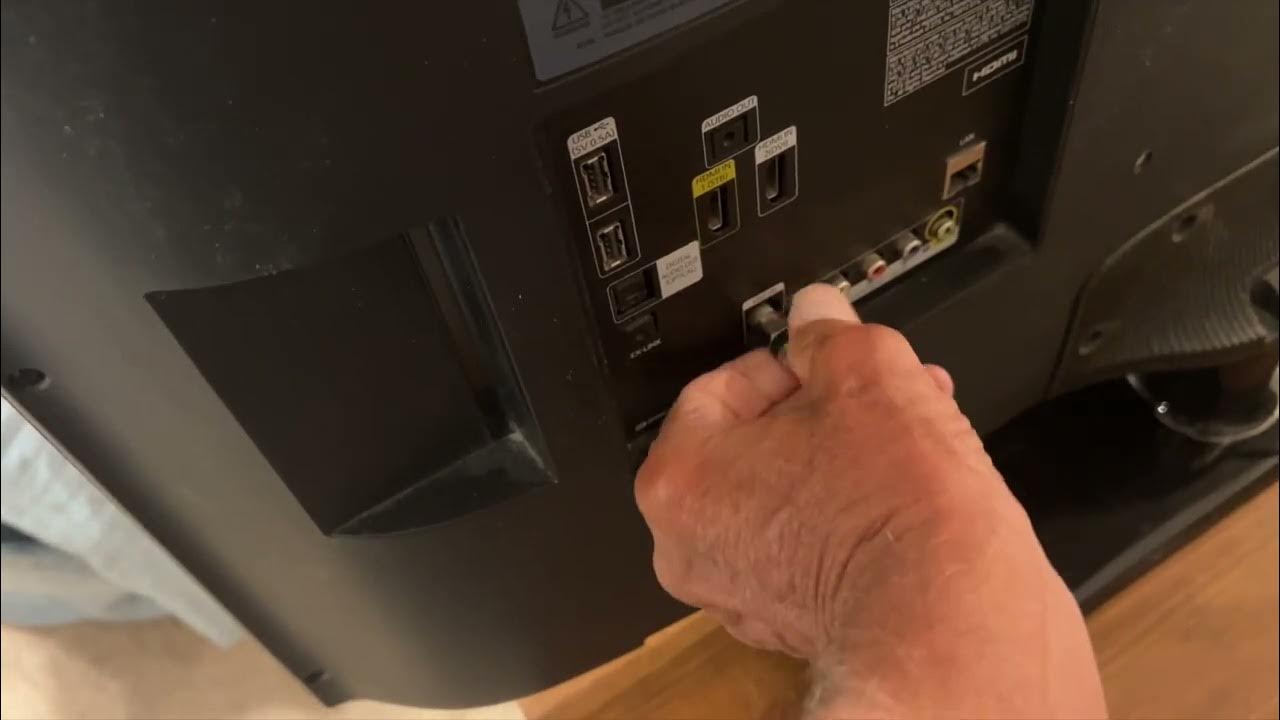
There are two distinct ways to switch to cable on Samsung smart TV, and choosing the wrong one will leave you staring at a black screen. The first method applies when you have a cable box (a separate device from your provider) that sends video to the TV through an HDMI cable. The second method applies when you have no box at all, just a coaxial cable from the wall that connects directly to the TV’s “ANT IN” port, letting the TV’s built-in tuner decode basic cable channels. To identify which method you need, look at the back of your TV: if you see a round copper coaxial cable screwed into the “ANT IN” port, you’re using the tuner method; if you see a flat HDMI cable plugged into one of the “HDMI IN” ports, you’re using the cable box method. Some households have both, but for watching live TV on a smart TV, you’ll pick one input source at a time. If you ever lose your picture after pressing the wrong button, you can get back to cable TV on Samsung smart TV by reselecting the correct source.
Method 1: switch to a cable box using HDMI
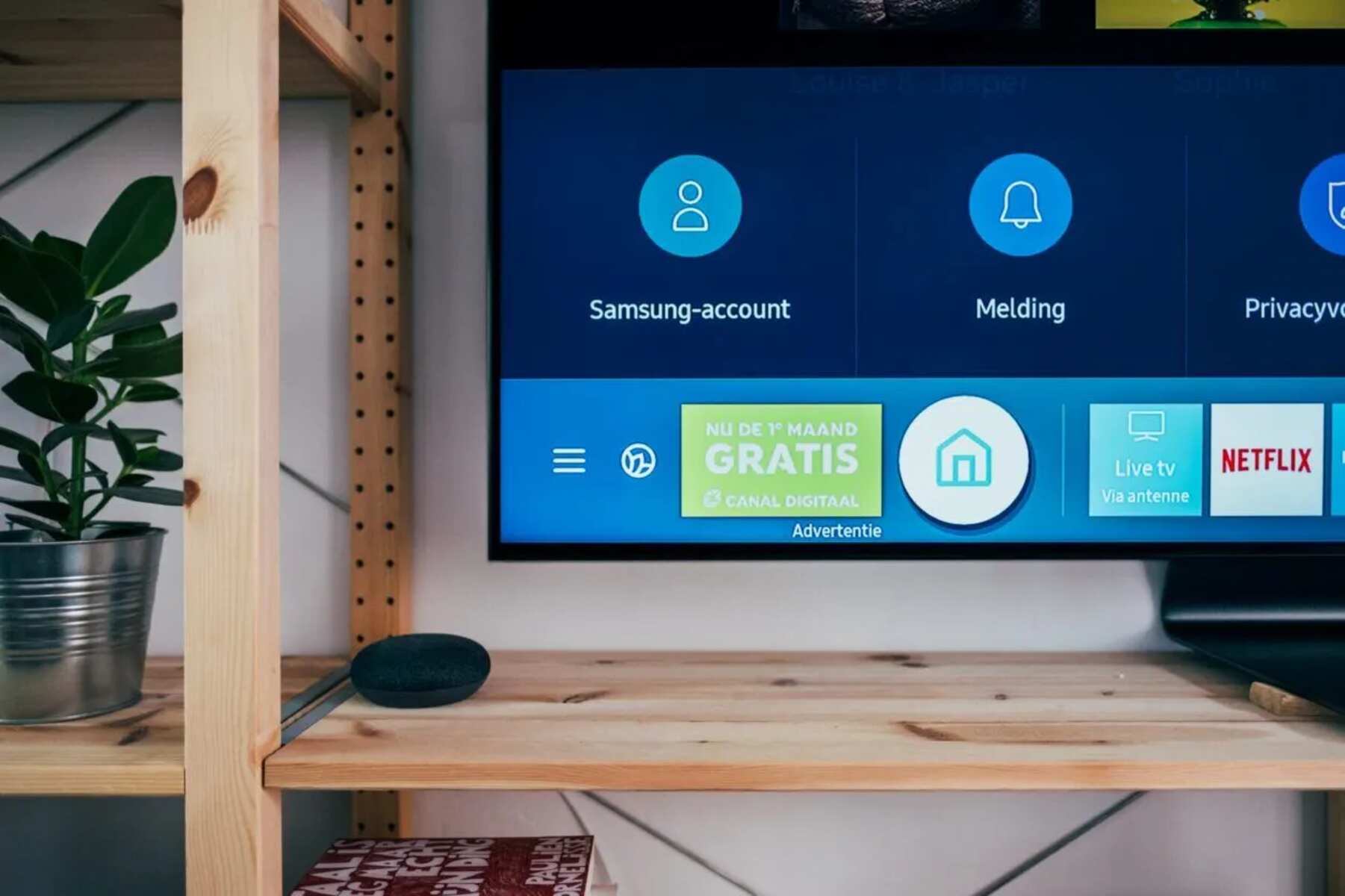
If your cable provider gave you a set-top box, this is the standard way to switch to cable on Samsung smart TV. First, connect an HDMI cable from the cable box’s “HDMI out” port to any “HDMI IN” port on your Samsung TV or One Connect Box. Remember the HDMI port number you used, this is critical because you’ll need to select that exact input later. Power on the cable box and wait for it to boot up; the TV won’t detect a signal from a powered-off box. Now grab your Samsung remote and press the “Source” button (or navigate to “Connected Devices” from the Home screen). A list of inputs will appear, HDMI 1, HDMI 2, etc. Select the HDMI port that matches where you plugged in the cable box. Within a second, the TV will display whatever channel the cable box is tuned to. If you see “No Signal,” double-check that the HDMI cable is fully seated and the box is on. If you need to leave the cable input and get back to regular TV on my Samsung smart TV, the process for switching to the antenna or built-in tuner is just as simple.
Get 4K content from your cable box
If your cable box supports 4K and you’ve connected it to a 4K Samsung TV, you might notice the picture looks softer than it should. To fix this, you need to enable UHD HDMI Color (also called “Input Signal Plus”) for that specific HDMI port. Go to Settings > General > External Device Manager, then find the HDMI port you’re using. Toggle on “UHD HDMI Color” or “Input Signal Plus” for that port. This unlocks the full 4K bandwidth so your cable box can send 4K resolution instead of being capped at 1080p. Without this setting, even a 4K cable box will output standard HD.
Method 2: switch to direct cable with the TV tuner
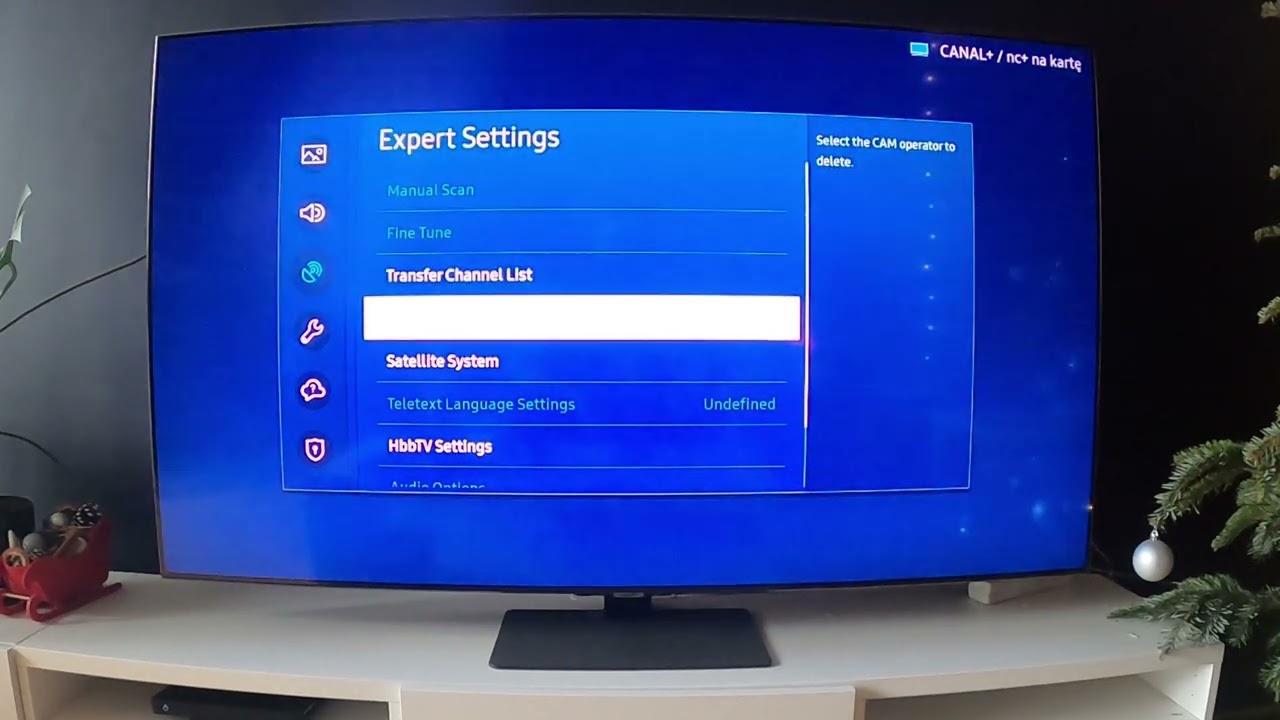
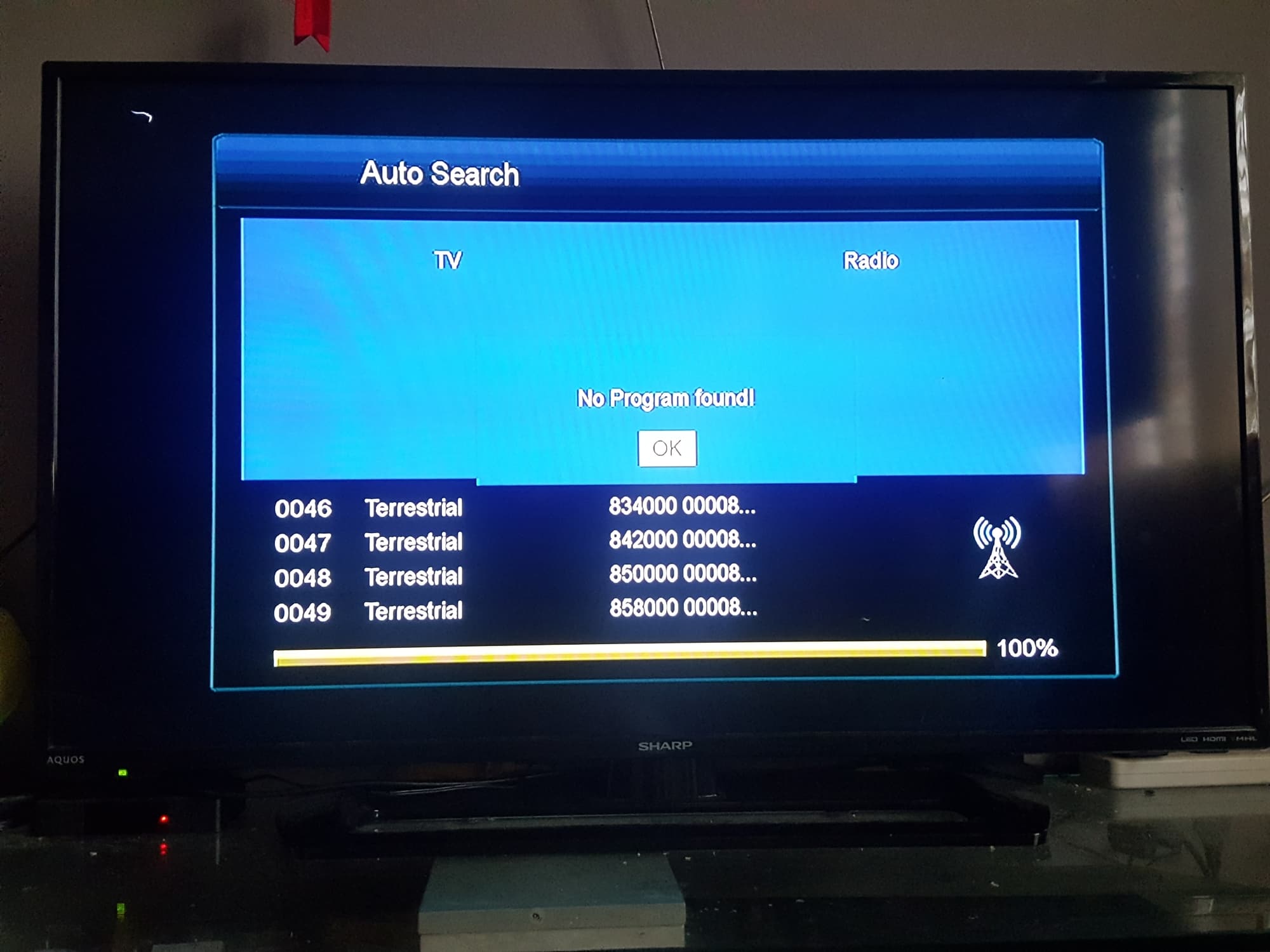
If you don’t have a cable box and just want basic cable channels, you’ll use the TV’s built-in tuner. Start by connecting a coaxial cable from the wall outlet to the “ANT IN” port on the back of your Samsung TV or One Connect Box. Then change the TV’s source to “TV” by pressing the Source button and selecting “TV” (not an HDMI input). Once the source is set to TV, press the Home button on your remote and navigate to Settings > Broadcasting (or “All Settings” > “Broadcasting”). In the Broadcasting menu, select “Auto Program.” When prompted, choose “Cable” as the signal type, not “Air” or “Antenna.” Select “Start” to begin the channel scan. The TV will sweep through all available cable frequencies and save every channel it finds. This scan can take several minutes, so let it run without pressing any buttons.
Important notes for channel scanning
The Broadcasting menu will be grayed out and inaccessible if the TV’s source is not set to “TV” (live TV). If you try to access Auto Program while watching an HDMI input, the menu simply won’t respond, you must first switch the source to TV. Also, do not use “Auto Program” if your Samsung TV is connected to a cable or satellite box, as it is for scanning channels directly through the TV’s tuner. Running it with a box connected will delete your existing channel list and replace it with whatever the tuner picks up, which is usually nothing useful. Furthermore, Auto Program will delete any existing channel list and save newly scanned channels, so if you’ve manually arranged channels, back them up or be prepared to redo them. This method is strictly for direct coax connections, if you have a cable box, stick with Method 1.
What about Samsung TV Plus?
Samsung TV Plus is a free streaming service built into your TV that offers hundreds of internet-based channels, it is not cable TV. When you press the “TV” source or open the Samsung TV Plus app, you’re watching streaming content delivered over your Wi-Fi or Ethernet connection, not through a coaxial cable or cable box. To turn on broadcasting on Samsung smart TV, you must use the tuner method described above (coax + Auto Program). Samsung TV Plus is accessed separately from the Home screen or the app list, and it won’t show your local cable channels or your provider’s lineup. If your goal is traditional cable, ignore Samsung TV Plus entirely and focus on the HDMI or ANT IN connections. If you’re just looking for free live channels without a subscription, Samsung TV Plus is a great bonus, but it’s a completely different service from cable.