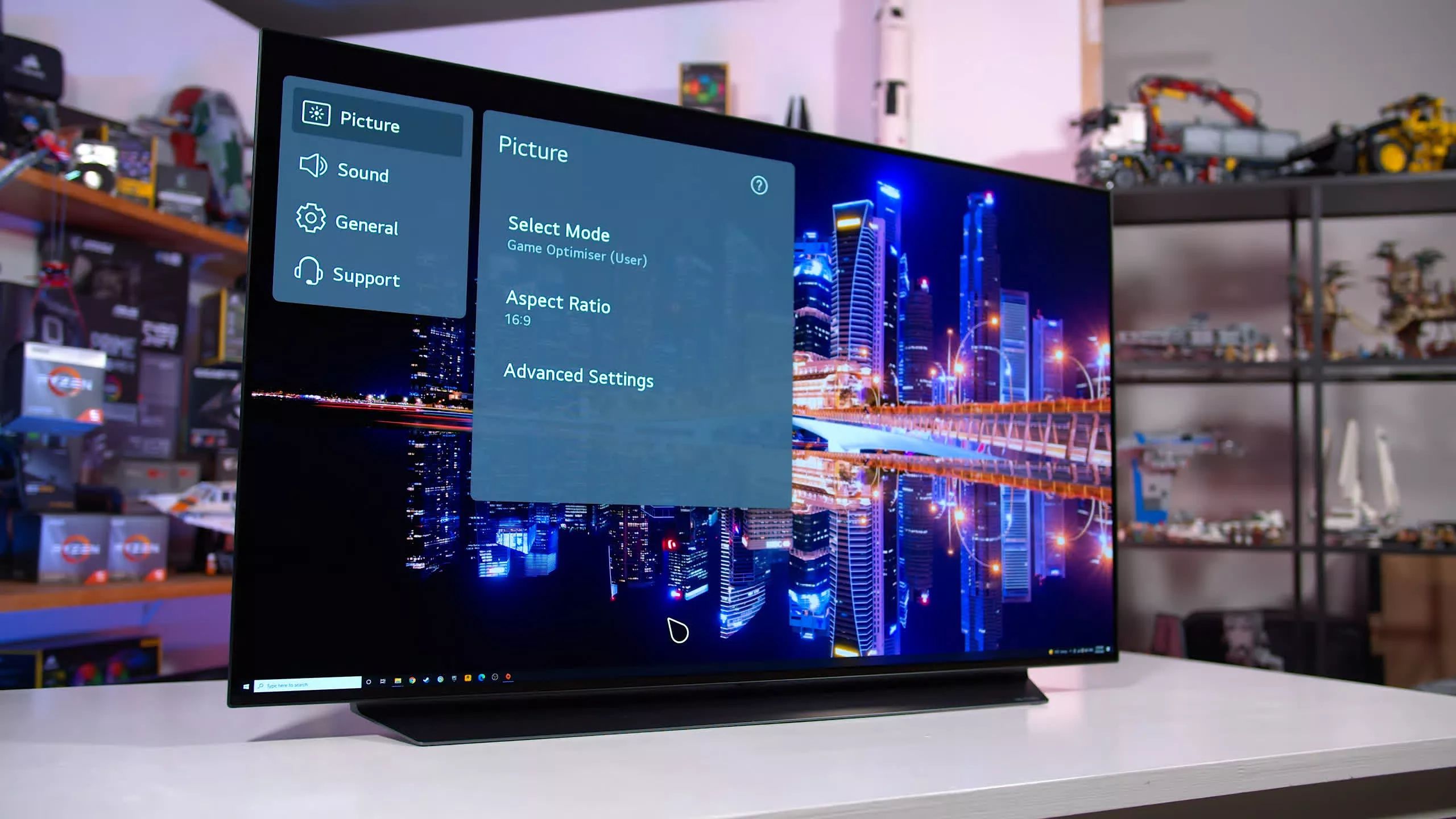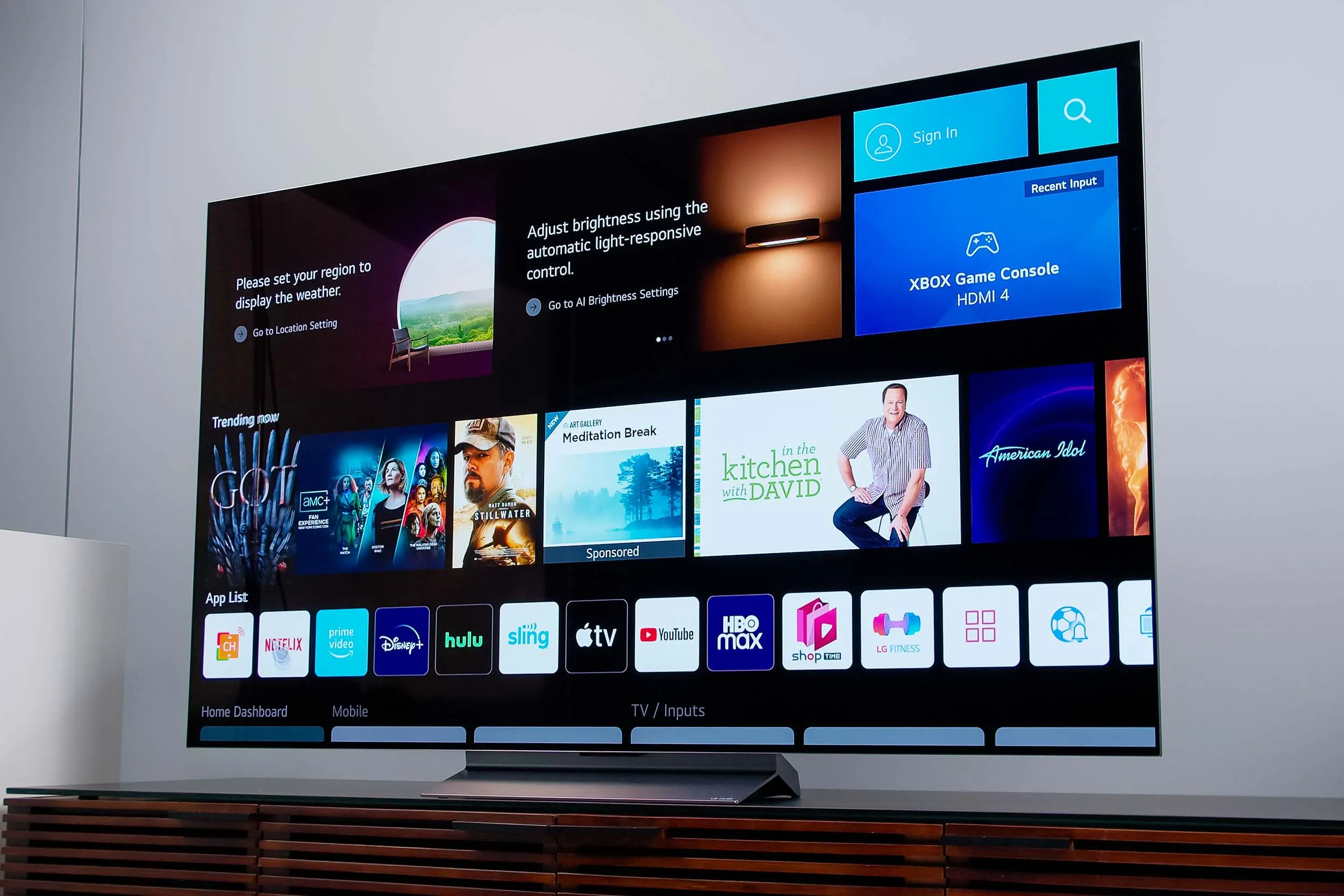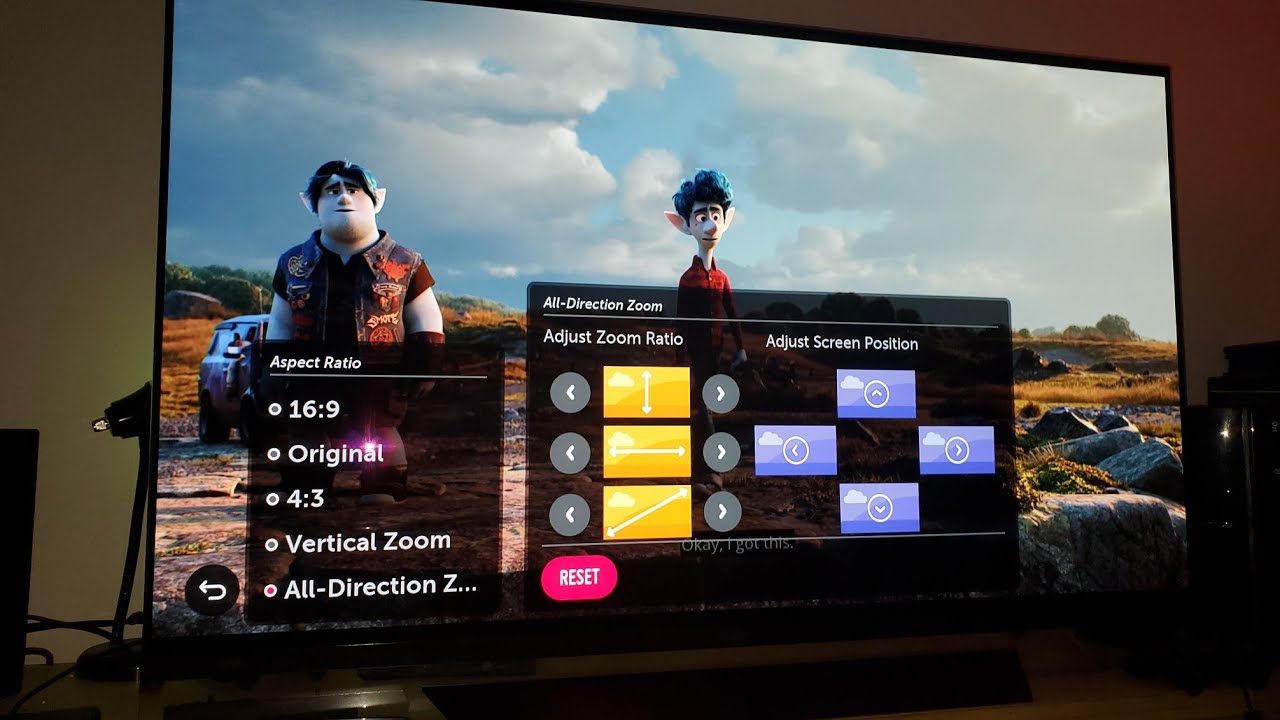
To change the aspect ratio on an LG OLED TV, press the Settings button (gear icon) on your remote, then navigate to All Settings > Picture > Aspect Ratio Settings. From there, you can select the option that best fits your content, with "Original" and "Just Scan" being the two most useful choices for eliminating black bars or fixing a stretched image.
How to change aspect ratio on LG OLED TV: A direct, step-by-step guide
Here is the verified menu path that works on current LG OLED models. Grab your remote and follow along:
- Press the Settings button (the gear icon) on your LG remote control. This opens the main settings menu.
- Scroll down and select All Settings (sometimes labeled as "Advanced Settings" or the full settings list).
- Choose Picture from the list on the left side of the screen.
- Look for Aspect Ratio Settings (or simply "Aspect Ratio") and select it.
- You will see a list of available ratios. Pick the one that matches your content or preference.
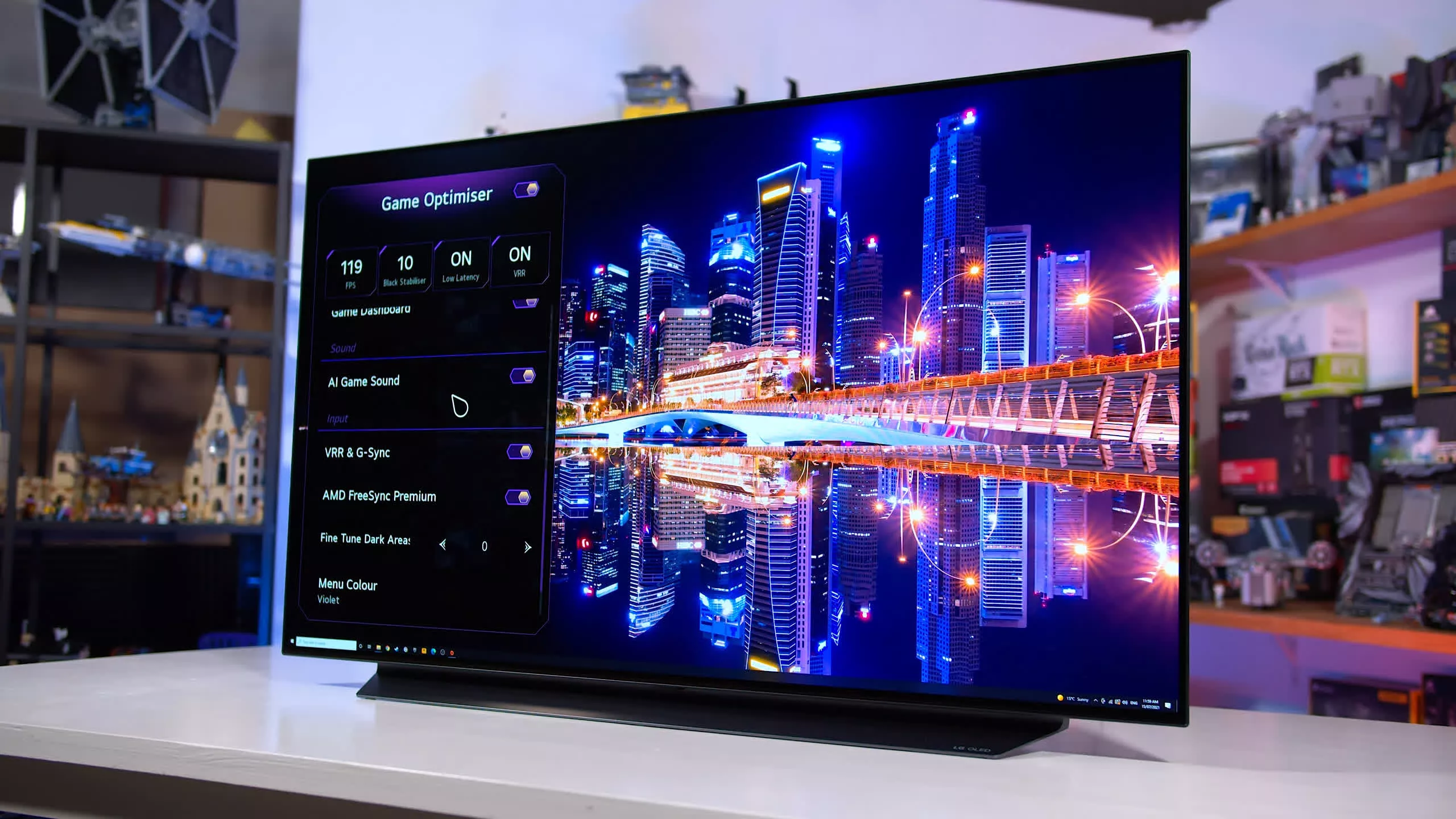
If you're using a PC, game console, or Blu-ray player, "Just Scan" is typically the best option. The exact names of the options may vary slightly depending on your specific LG OLED model, but the menu path above is consistent across recent generations.
What the aspect ratio options mean
Understanding the differences between the available aspect ratio options will help you make the right choice for each type of content. Here's what the two most important settings do:
Original, This setting automatically switches between 4:3 and 16:9 based on the input video signal. It is generally recommended for maintaining the content creator's intent. If you're watching an older TV show that was filmed in 4:3, the TV will display it with vertical bars on the sides. If you're watching a modern widescreen movie, it will fill the screen horizontally. This is the "set it and forget it" option for most viewers.
Just Scan, This option ensures a pixel-perfect display by mapping the source's pixels directly to the screen without any scaling or cropping. It is often the best choice for high-definition sources, DVD/Blu-Ray discs, game consoles, or PCs. When you select Just Scan, the TV displays every pixel of the signal exactly as it was sent, which eliminates any overscan (where the edges of the picture get cut off). This is particularly important if you notice text being cut off at the edges of the screen or if you want to see the full image without any cropping.
These are less commonly needed, but they exist for specific use cases.
Why the aspect ratio setting is greyed out
You might find that the aspect ratio option is greyed out or completely unavailable in the menu. This is not a malfunction, it's a deliberate restriction built into the TV. Here are the verified reasons this happens:
Streaming apps and built-in content, The aspect ratio option may be greyed out and unavailable if the content is from certain streaming service providers or built-in apps. Services like Netflix, Disney+, YouTube, and Amazon Prime Video lock the aspect ratio at the source. This is because the streaming service sends the video already formatted to its intended ratio, and they don't want the TV to alter it.
Input source and content type, If the aspect ratio option is greyed out, it might be due to the input source (e.g., certain HDMI inputs or internal apps) or content type (e.g., Dolby Vision or Ultra HD 4K content). Dolby Vision is a high-dynamic-range format that includes its own display metadata, so the TV forces a specific aspect ratio to preserve the filmmaker's vision. Similarly, Ultra HD 4K content is often locked to 16:9 because that's the native format for 4K broadcasts and discs. In these cases, the TV is simply following the content's instructions rather than giving you manual control.
If you absolutely need to change the aspect ratio and it's greyed out, try switching to a different input source (like an HDMI port connected to a cable box or game console) or playing content that isn't in Dolby Vision or 4K. But keep in mind that for most modern streaming content, the locked ratio is intentional and should be left as-is to avoid distortion.
Fixing a zoomed-in picture or cut-off text
If the picture appears zoomed in or text is cut off at the edges, the first thing to do is check the TV's aspect ratio settings. Follow the menu path above (Settings > All Settings > Picture > Aspect Ratio Settings) and select "Just Scan" if it's available. This will ensure the TV isn't cropping any part of the image. If "Just Scan" is greyed out, try "Original" instead.
If the TV settings look correct but the problem persists, the issue likely lies with the connected device. Check the output resolution settings on your set-top box, cable box, satellite receiver, or game console. Many devices have their own aspect ratio or display settings that can override the TV's settings. For example, a cable box might be set to output 480p or 720p with a "zoom" or "stretch" mode enabled, which would cause the TV to display a cropped image. This is a verified troubleshooting step from LG's support pages, the mismatch between the device's output and the TV's expected input is one of the most common causes of cut-off text or a zoomed-in picture.
If you're still having trouble after checking both the TV and the external device, try a different HDMI cable or port. Some older or lower-quality cables may not carry the full resolution signal, which can cause the TV to default to an incorrect display mode. Also, restart both the TV and the connected device to clear any temporary glitches.
Once you've adjusted the aspect ratio correctly, you'll notice that black bars disappear or the picture fills the screen properly without any cropping. Remember that for certain content, particularly movies filmed in ultra-wide formats like 2.35:1, black bars at the top and bottom are a normal part of the cinematic experience. If you absolutely want to remove those bars, you can use the "Zoom" option, but be aware that this will crop out a portion of the image and reduce the overall picture quality.
For further assistance, consult your LG OLED TV's user manual or visit LG's official support website. They provide model-specific guidance and can help you troubleshoot any persistent display issues. With the right aspect ratio selected, you'll get the best possible picture quality from your LG OLED TV, whether you're watching movies, playing games, or streaming your favorite shows.
For the wider topic, see LG OLED TV settings.