Instagram does not publicly disclose a fixed retention window for unsent or vanished messages; the flagged data can persist on Meta's servers for up to 90 days for standard content, or indefinitely in backup systems and legal holds.
Unsend is not delete in vanish mode
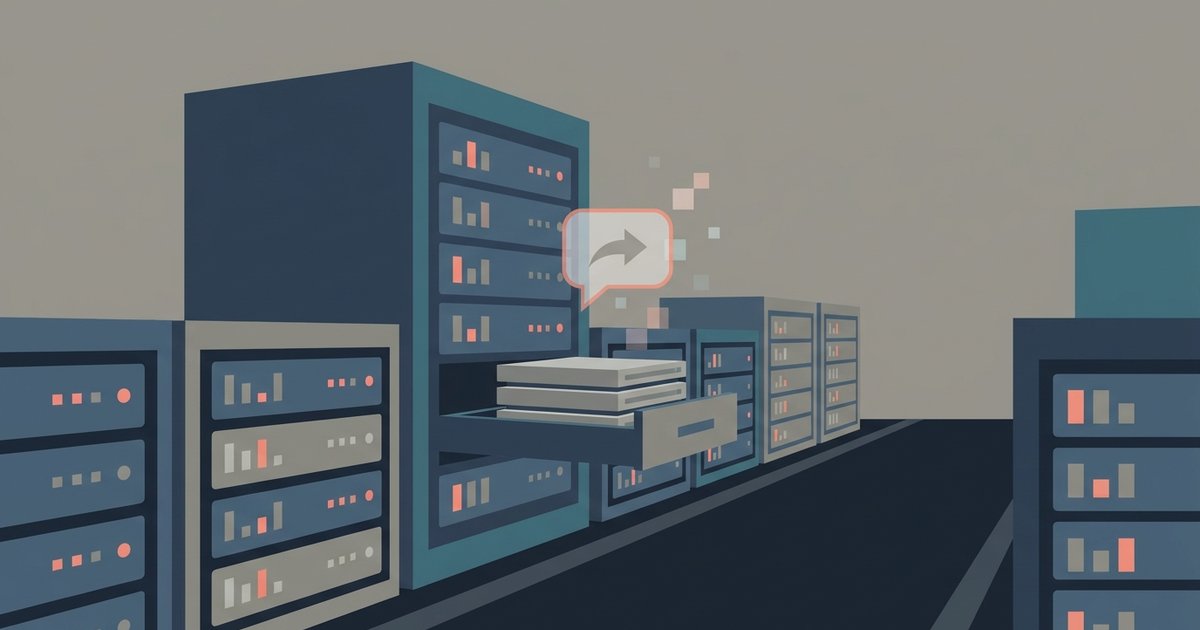
The "Unsend" feature does not perform a data wipe. Instagram toggles a visibility flag in the database that hides the message from the conversation view for both sender and recipient. The original payload remains stored on Meta’s servers in the same database row, merely marked as "deleted_by_sender." This is why unsending a message on Instagram does not affect the recipient’s local copy. If they had already taken a screenshot or cached the content, that version persists independently. The feature is a convenience for managing conversation clutter, not a privacy guarantee.
The 90-day standard and its loopholes
Meta’s internal privacy policy may govern how user-initiated deletions, including unsent messages, are processed for standard content stored in active databases. During this window, the flagged data is retained for potential recovery from accidental deletion or to complete ongoing processing. After a certain period, the data should be purged from primary systems. However, two major loopholes exist. First, disaster recovery backups and security logs can retain the data indefinitely. Meta’s infrastructure replicates data across geographically distributed servers, and those copies may never receive a deletion command. Second, if the message was part of a legal preservation request or an active investigation, the retention clock stops entirely. Even under normal conditions, the 90-day clock only applies to the specific payload. Metadata like timestamps and sender IDs can linger longer. If you are exploring how to retrieve deleted Instagram messages, note that there may be a limited window during which Meta might technically be able to restore the data from its own servers.
When the answer is no
Certain scenarios guarantee that unsent or vanished messages are never truly erased. If a conversation is subject to a legal hold, Meta is required by law to preserve all relevant data indefinitely, regardless of the 90-day standard. Similarly, if your message was reported by the recipient, the flagged copy is moved to a separate moderation queue and retained until the case is resolved. This can take months or years. Even outside these formal holds, the recipient may have already scraped the message using third-party tools or taken a screenshot before you unsent it. Instagram’s vanish mode does not prevent the recipient from capturing the content with another device before it disappears, though in-app screenshots trigger a notification. The related article on vanish mode Instagram explains that the feature notifies users if a screenshot is taken. Instagram’s vanish mode works the same way, but the server-side flag remains until the 90-day window expires or the hold is lifted.
Instagram does not publicly disclose a fixed retention window for unsent or vanished messages. When you tap "Unsend" or use the ephemeral feature, the message is not erased from Meta's infrastructure. It is merely hidden from view. For a privacy-conscious user, the critical missing piece is the timeline. The underlying data lives on for a defined period under normal conditions, but exceptions can stretch that to forever. This is the distinctive reality of unsending a message on Instagram: the server simply changes a boolean field from false to true, and the original payload remains on disk until every backup, log, and legal hold has been addressed, which is why understanding the full lifecycle of disappearing and deleted messages is essential for anyone concerned about their digital footprint.