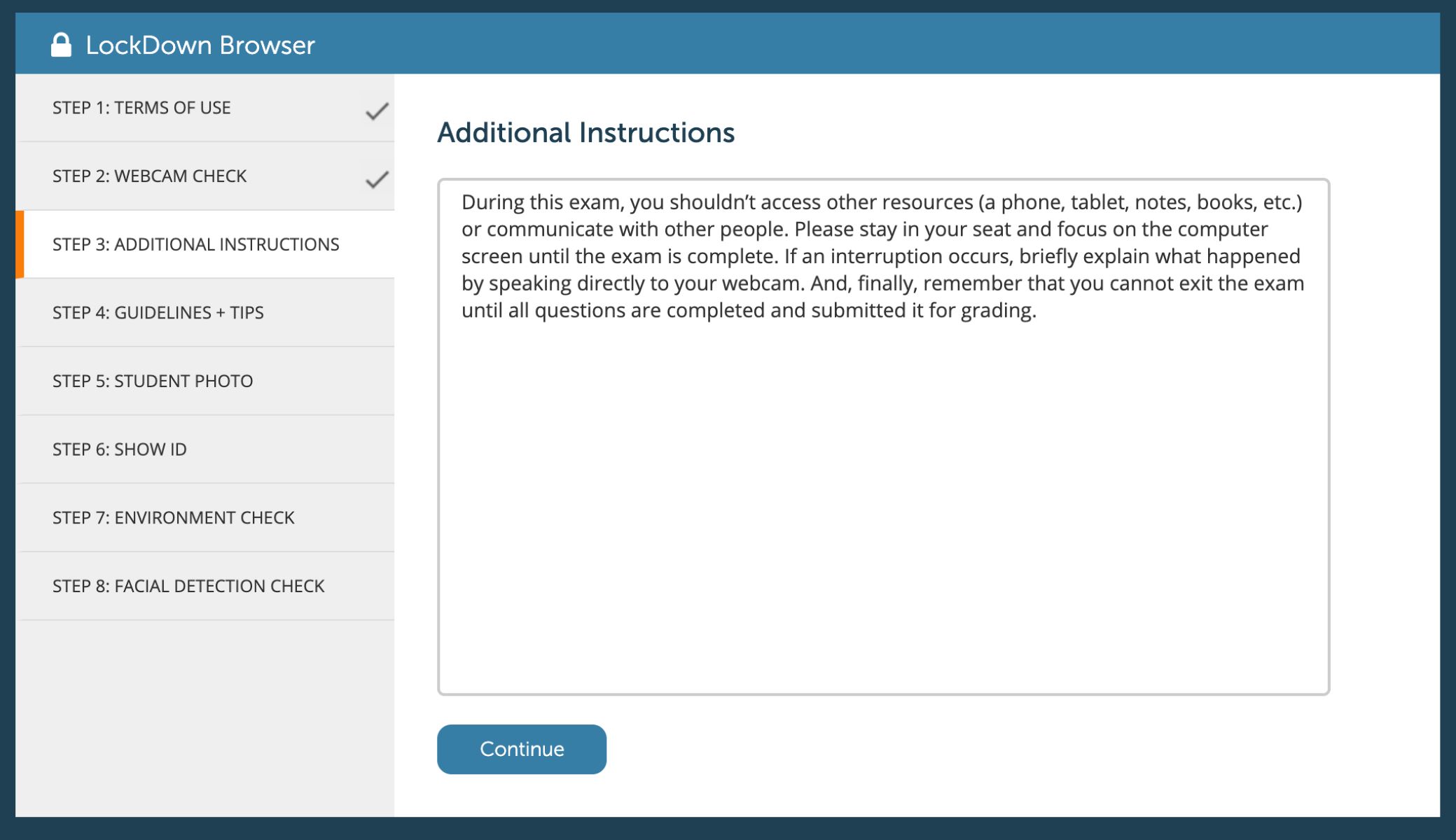
Here's how Respondus LockDown Browser works: it's a custom Chromium-based browser that locks down a computer during an online exam, preventing students from printing, copying, accessing other applications, or visiting other websites. When a student launches an exam that requires this browser, the assessment is displayed full-screen and cannot be minimized, resized, or exited until the student submits the exam for grading, ensuring a secure testing environment within a learning management system (LMS). However, students searching for ways to get around respondus lockdown browser should understand that most methods violate academic integrity policies and can trigger automatic flags.
What is Respondus LockDown Browser and how does it work?
Respondus LockDown Browser is a custom browser designed to secure the online testing environment within a learning management system (LMS). It is a client application installed locally on a computer, based on Google's open-source Chromium framework, and does not require Google Chrome to be installed. The core workflow runs from launching the exam to submission: a student launches the browser, the computer locks down, the student completes the assessment, and after submission, the browser unlocks the computer and restores standard functionality.
Step 1: Launching the exam in LockDown Browser
Students typically log into their LMS with a regular browser, navigate to the exam, and then click a button (e.g., "Launch LockDown Browser") to automatically open the secure browser. Alternatively, for some LMS setups (like Canvas "Classic" quizzes and Blackboard Learn), students can launch LockDown Browser directly from their desktop/applications folder, which then directs them to the institutional LMS login page. Before starting an exam, students must close all other programs, and LockDown Browser will prompt them to close any blocked applications if detected.
Step 2: How the browser locks down your computer
Once the exam starts, the browser enforces specific restrictions. The browser's toolbar is condensed, showing only Back, Forward, Refresh, and Stop functions, while disabling right-click menus, function keys, and keyboard shortcuts. It blocks access to various applications and features, including screen-sharing, virtual machines, remote desktops, instant messaging, and screen capture programs.
Step 3: What students can and cannot access during the exam
However, instructors can configure LockDown Browser to allow access to specific external web domains (websites) within a secure, non-navigable window during an exam. This gives instructors flexibility to permit resources like a calculator or reference page while maintaining security.
Step 4: Submitting the exam and restoring your computer
Students submit their assessment directly through the locked browser.
Optional: How Respondus Monitor adds webcam proctoring
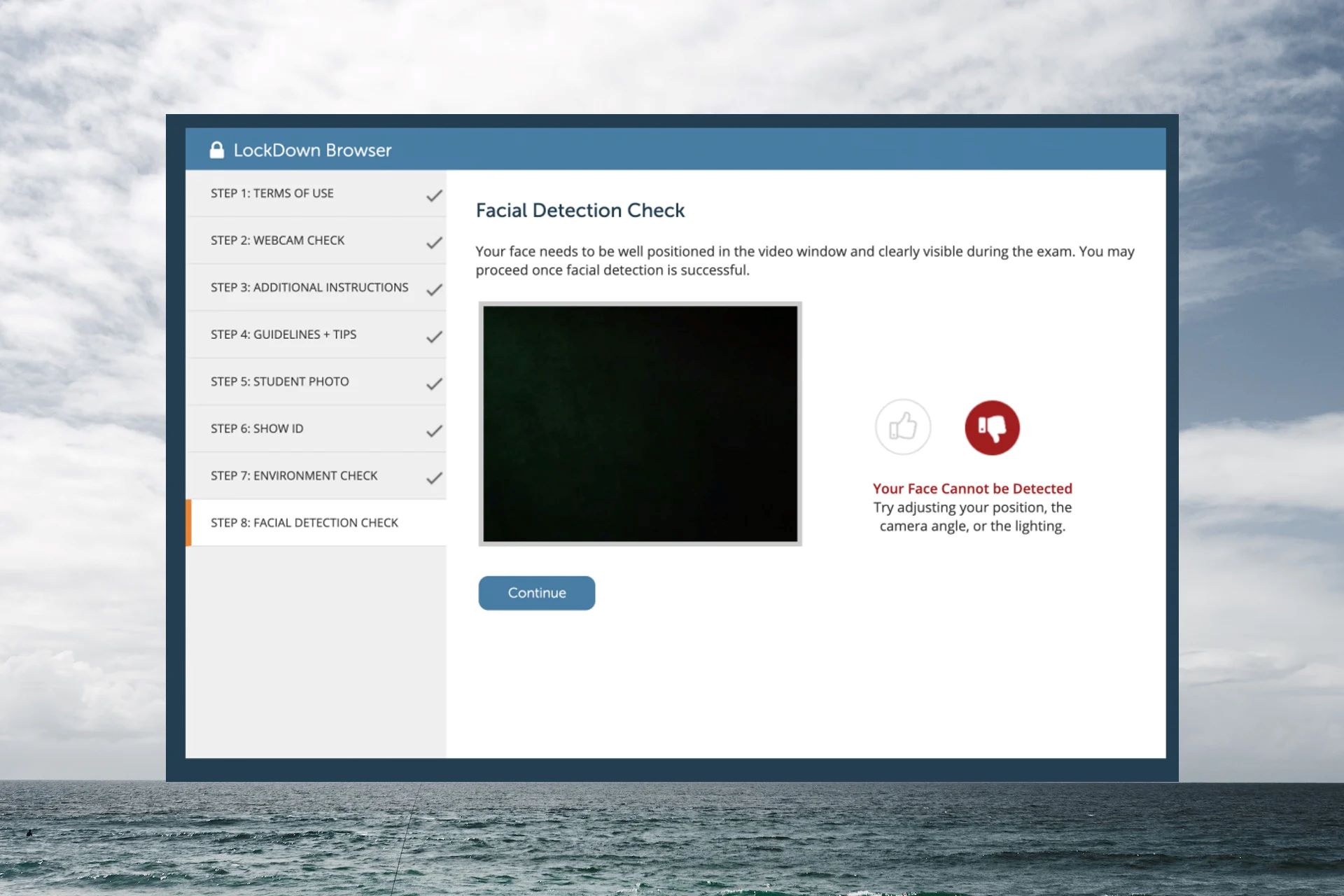
Respondus Monitor is an optional add-on that uses a student's webcam and microphone to record the exam session, flagging suspicious behavior for instructor review. This is distinct from the core LockDown Browser functionality, which focuses solely on locking down the computer environment. When Monitor is used, the system requirements increase to 4 GB RAM recommended.
System requirements for installing LockDown Browser
To use LockDown Browser, students need a computer or device that meets verified system requirements. Supported operating systems include Windows 11/10 (excluding "S mode" and "SE"), macOS 11 to 15.0+ (note: some official sources state macOS 12 to 26.0+), iPadOS 15.0+ (iPad only, not with Sakai), and ChromeOS (latest stable/LTS version). Minimum RAM is 2 GB, but 4 GB is recommended if Respondus Monitor (webcam feature) is also used. LockDown Browser integrates with major Learning Management Systems such as Blackboard, Brightspace, Canvas, Moodle, Schoology, and Sakai. To learn how to use lockdown browser effectively, students should familiarize themselves with the browser before the exam, close all other programs, and ensure a stable internet connection.