To delete all Google Photos, you must move every photo to the Trash and then empty it. This permanently removes the photos from your Google account and all synced devices, so back up anything you want to keep before you delete all Google Photos.
Before you delete all Google Photos: Critical warnings
Deleting all your Google Photos is irreversible once the Trash is emptied. Back up any photos you might want later to an external drive or another service. Understand that deleting from the Google Photos app or website removes the cloud copies. If you have Backup & Sync enabled, deleting a photo from the app also deletes it from your phone or tablet. To keep photos on your device but remove them from the cloud, you need to delete photos from your phone but not Google Photos. Also, photos in Archive or a Locked Folder are not included when you select from the main grid, you must delete those separately.
How to delete all Google Photos on the web
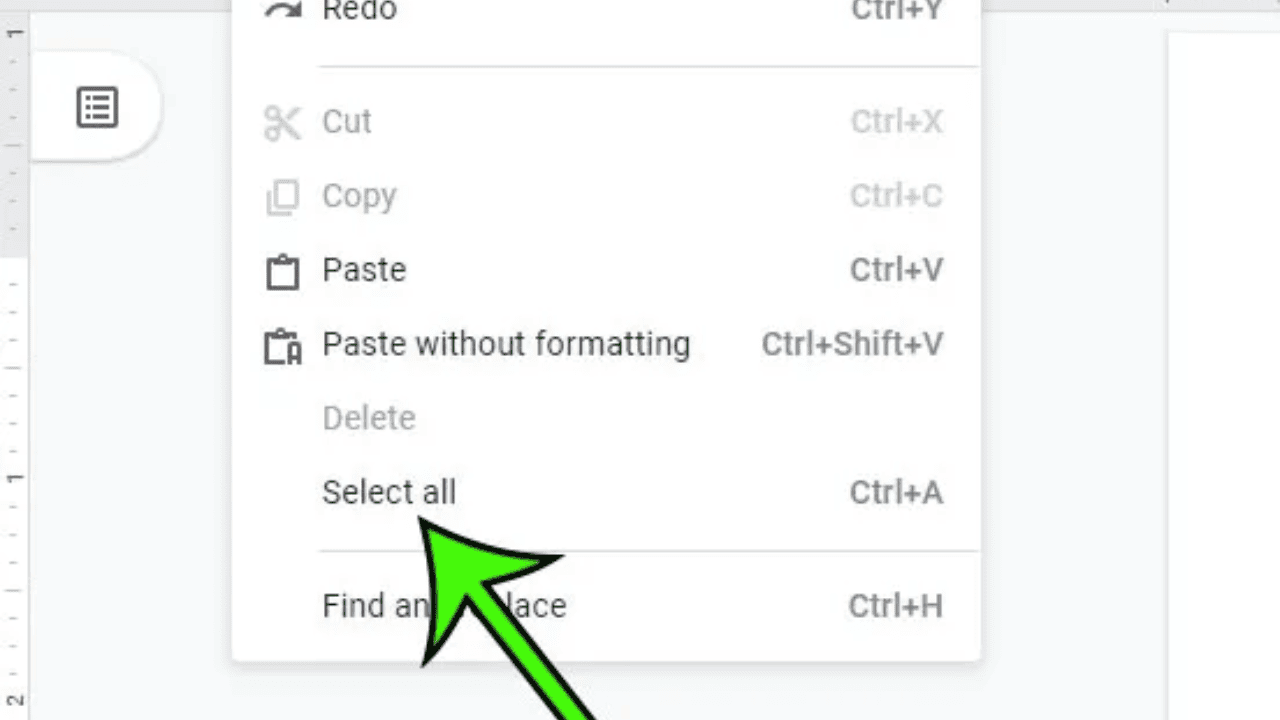
On a computer, you can batch-select photos using the Manage storage tool, but there is no true "Select All" button that selects your entire library at once. You will need to repeat the selection process until all photos are moved to trash.
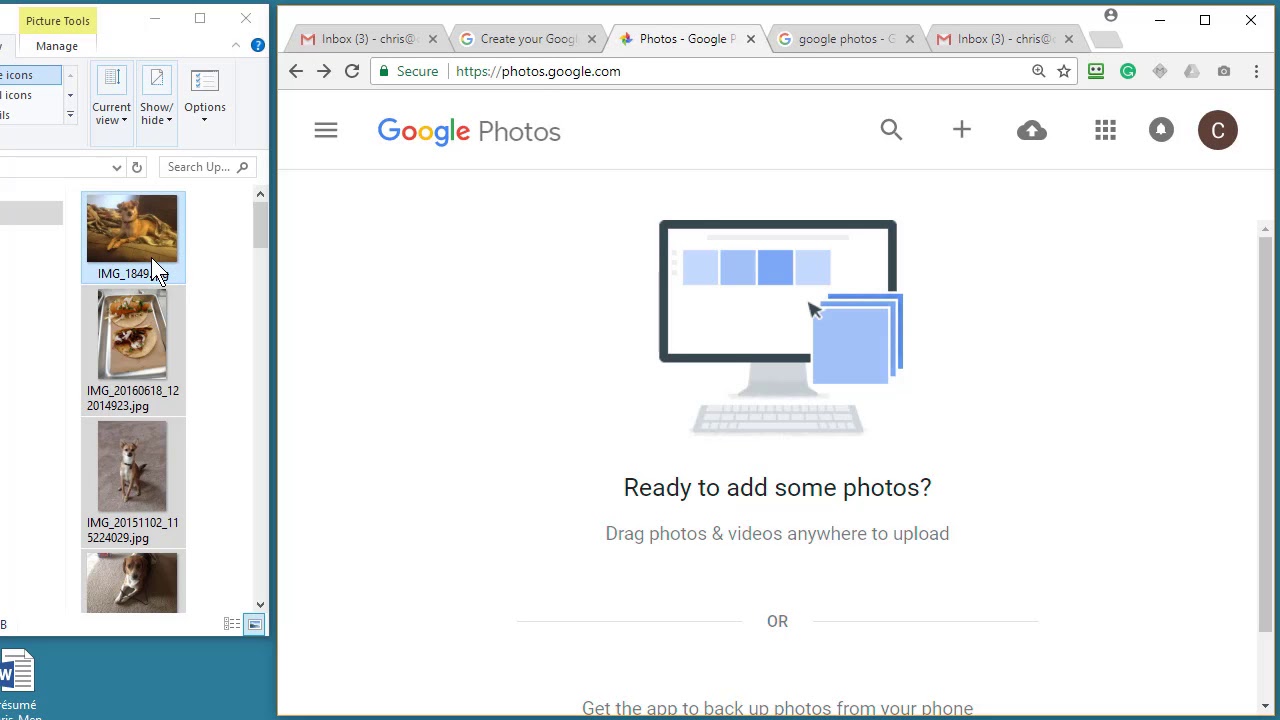
- Go to photos.google.com and sign in.
- Click the "Manage storage" option in the left sidebar.
- In the "Large photos & videos" or other categories, click the checkbox at the top to select all items shown (typically up to about 250 items per batch).
- Click the "Move to trash" icon (a trash can).
After moving everything to trash, you must empty the trash to permanently delete the photos.
How to delete all Google Photos on Android and iOS
This deletes the cloud copies from all devices where Backup & Sync is turned on.
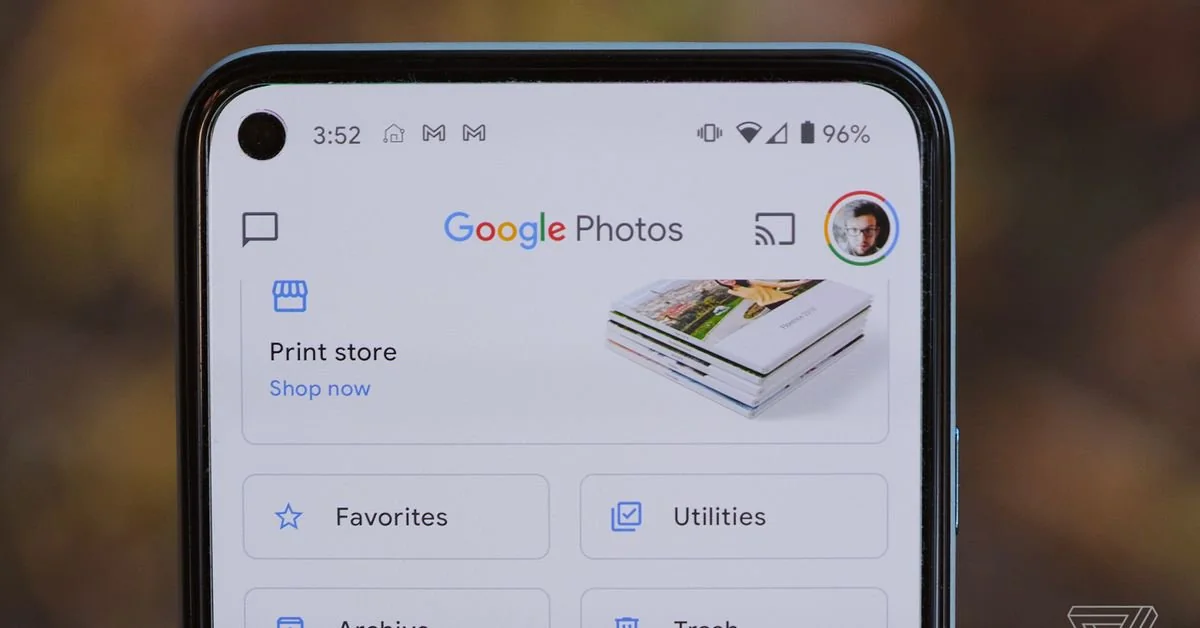
- Open the Google Photos app and tap the "Photos" tab at the bottom.
- Long-press on any photo to enter selection mode.
- Drag your finger across the grid to select all visible photos. Repeat scrolling and selecting until your entire library is selected.
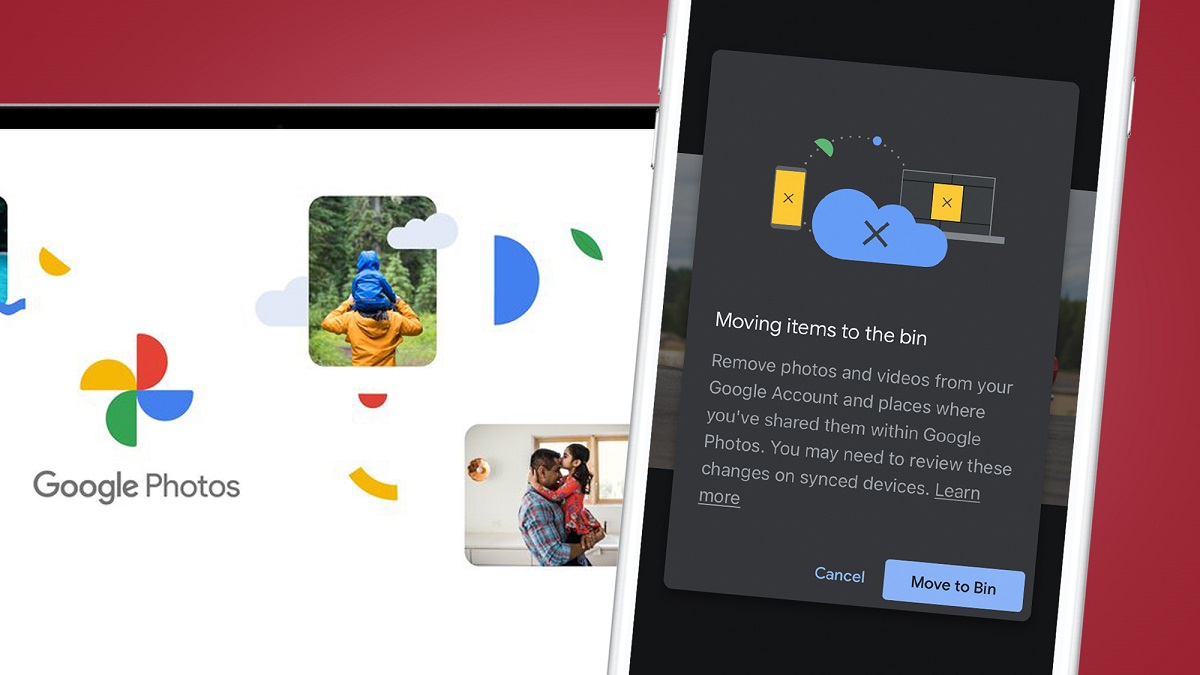
- Tap the "Move to trash" icon (trash can) at the top.
- Confirm by tapping "Move to trash".
To permanently delete, you must now empty the trash from the app.
Empty the trash to permanently delete photos
Photos moved to trash are not gone yet. Backed-up photos stay in trash for 60 days before being permanently deleted. Photos deleted from an Android 11+ device or iPhone/iPad without backup stay for 30 days. If your trash is full, you may be prompted to "Delete permanently" immediately when moving items to trash. To empty trash on the web:
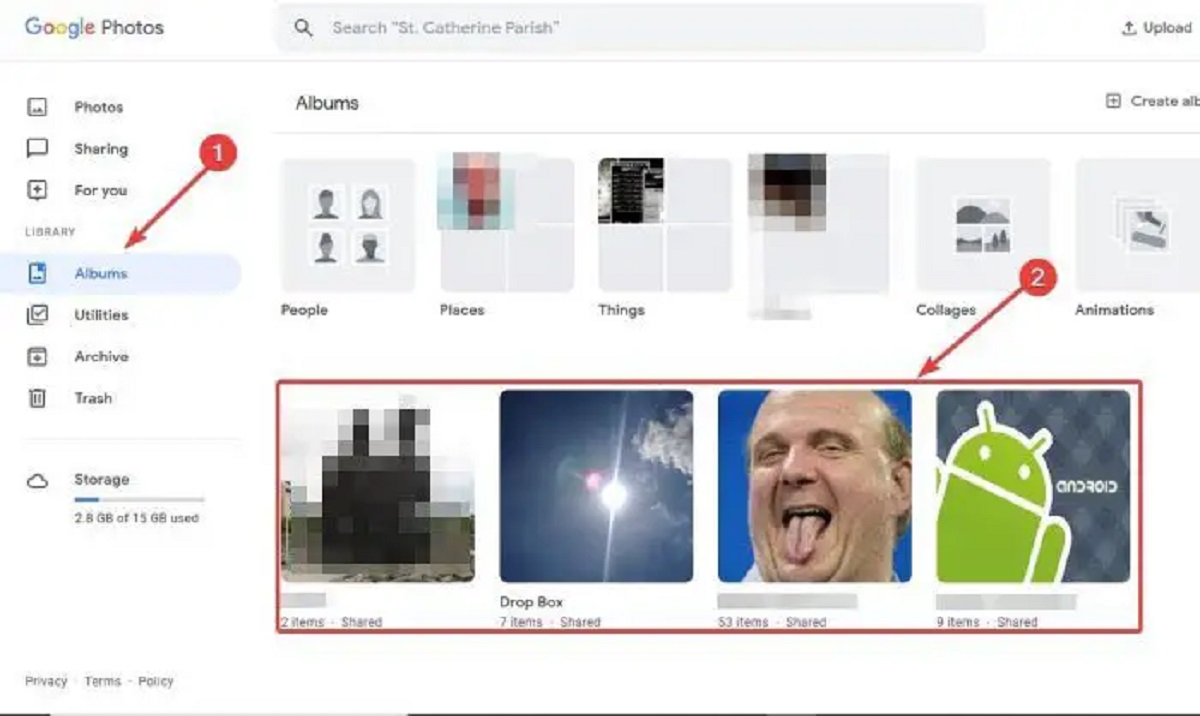
- Click "Trash" in the left sidebar.
- Click "Empty trash" and confirm "Empty Trash" or "Delete permanently".
To empty trash on mobile:
- Tap "Collections" (or "Library") at the bottom.
- Tap "Trash".
- Tap "Select", then "Delete all", and finally "Delete permanently".
Once emptied, photos cannot be restored. If you are still within the 30- or 60-day trash period, you can recover them from the Trash folder instead of emptying it.
Delete photos from Archive and Locked Folder
Photos you have archived or placed in a Locked Folder are hidden from the main photos grid. To delete them, you must access each section separately. To delete from Archive:
- In the Google Photos app or website, go to "Collections" (or "Library").
- Tap "Archive".
- Select all photos and move them to trash, then empty the trash.
To delete from Locked Folder:
- Go to "Collections" (or "Library") > "Locked Folder".
- Unlock the folder with your device PIN or password.
- Select photos and move them to trash. Note that items in Locked Folder are not subject to the standard trash retention, deleting them may prompt immediate permanent deletion.
What happens after you delete all Google Photos
After you empty the trash, the photos are permanently removed from Google Photos. They are also deleted from all devices where Backup & Sync was enabled. Shared albums you created will lose those photos. You cannot recover them after the trash is emptied. If you still have photos in trash (within the retention period), you can restore them by selecting them in Trash and tapping "Restore". To avoid losing your library in the future, consider using the Archive feature to organize Google Photos without deleting them, or learn how to move pictures from your gallery to Google Photos to keep your cloud backup separate from local device storage.