In 2022, the practical landscape of robotics expanded far beyond factory floors, with the main categories of robots now defined by their ability to serve both industrial and human-centric needs. The types of robots 2022 made essential span from autonomous mobile units in warehouses to humanoid assistants in elder care, all unified by a surge in AI-driven intelligence and record-breaking sales of service robots.
Why robots mattered more than ever in 2022
2022 was a turning point for robotics because the technology moved decisively from experimental novelty to everyday utility. Service robot sales hit approximately 158,000 professional units and over 4.2 million domestic units, proving that robots were no longer confined to automotive assembly lines. The integration of artificial intelligence boomed, allowing machines to learn from their environments and make informed decisions in real time. New industries, construction, food and beverage, healthcare, defense, aerospace, and electronics, adopted automation at scale, breaking the old pattern where only traditional manufacturing used robots at volume. If you want to build your own intelligent machine, you can make a robot with step-by-step instructions for every skill level.
From industrial arms to home helpers: the main types of robots in 2022
To understand the types of robots in 2022, it helps to split them into two mega-categories based on verified industry data. Industrial robots, with their articulated arms and precise repeatability, expanded into sectors that previously relied on manual labor, performing tasks like welding, material handling, painting, loading, packaging, labeling, and inspection. Service robots, meanwhile, split into professional and domestic segments, professional units handled logistics, medical, and defense duties, while domestic units cleaned floors, entertained families, and assisted with daily chores. This taxonomy reflects the verified facts: industrial robots broke into new industries, and service robots dominated sales volume.
Aerospace robots
Aerospace robots cover flying machines, space explorers, and systems designed for extreme altitudes. Examples include the robotic seagull produced by SmartBird, the Raven security surveillance drone, and robots that visit the surface of Mars. This category also includes humanoids like NASA's Robonaut, which was designed to work alongside astronauts in space stations.
Consumer robots
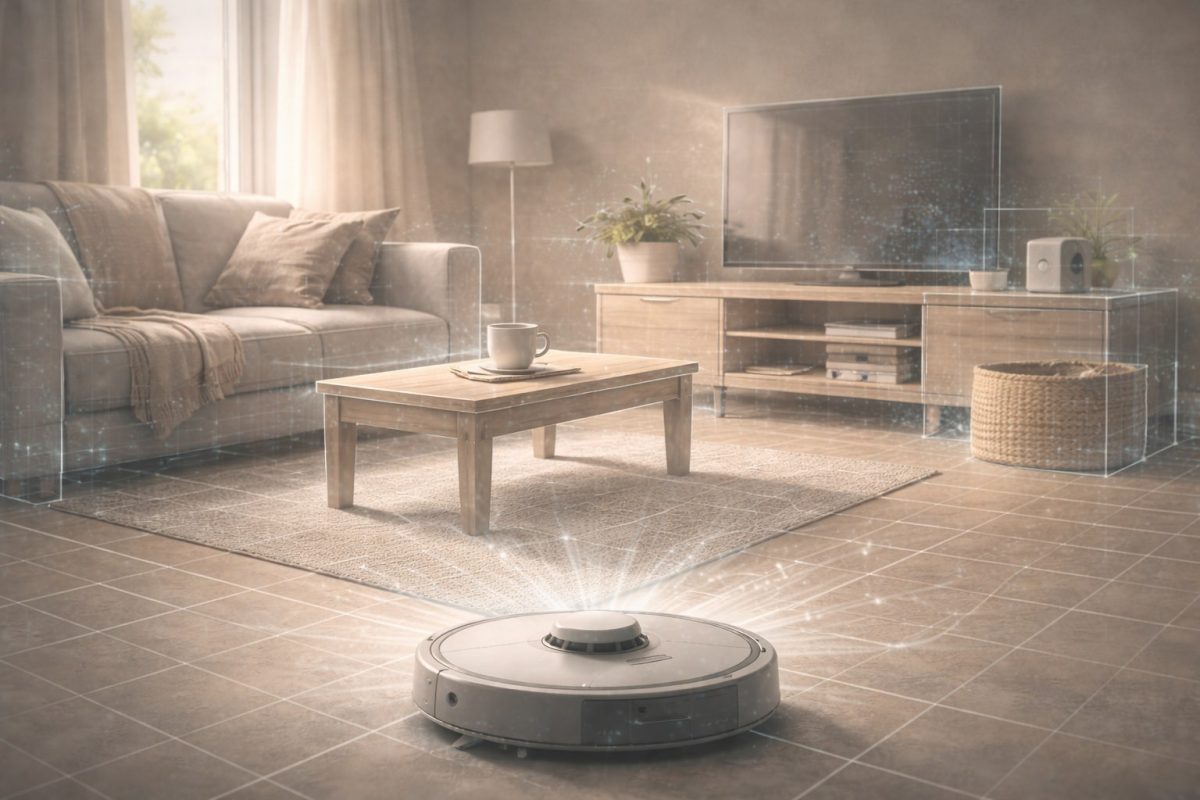
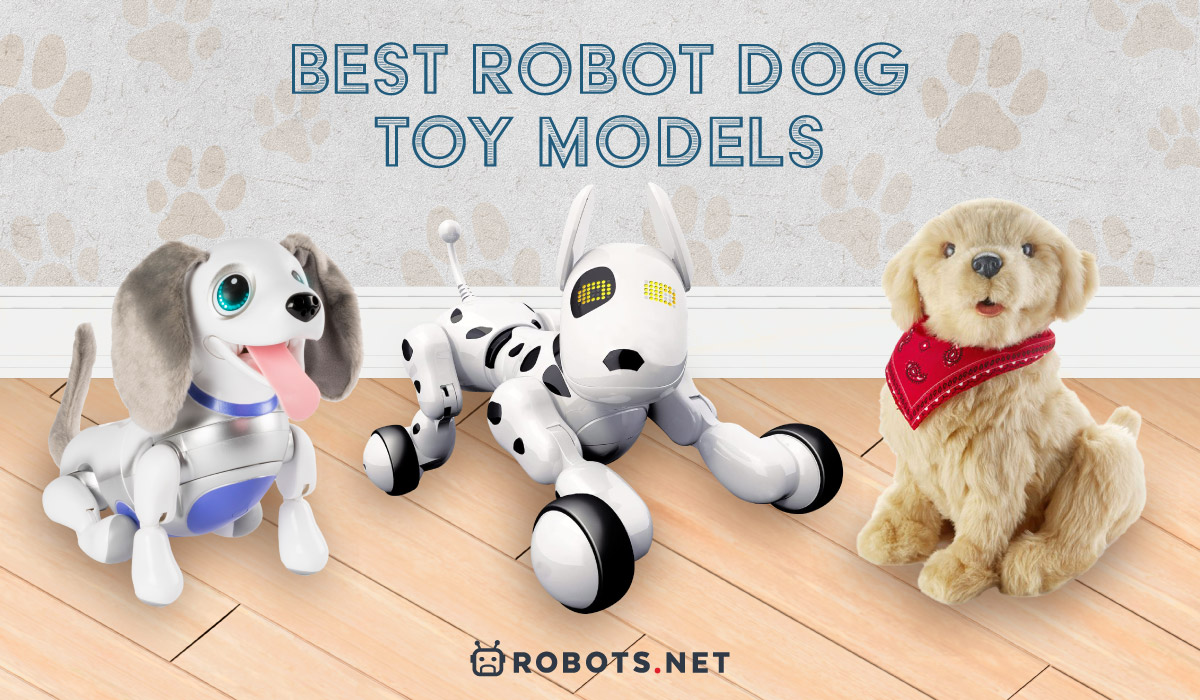
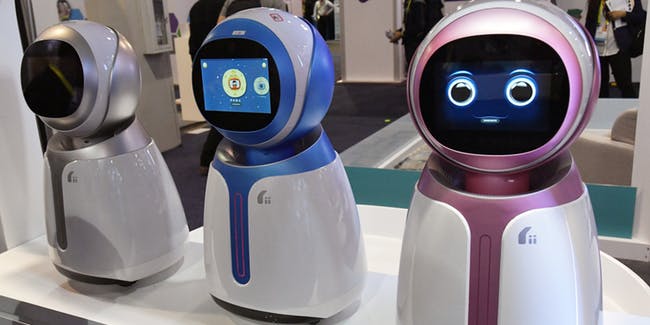
Consumer robots perform tasks for personal use, from chores to entertainment. The Roomba vacuum cleaner, Aibo the robot dog, and AI-powered robot assistants all fall into this group. These devices accounted for a significant portion of the 4.2 million domestic service units sold in 2022, making them the most visible robots in everyday life.
Disaster response robots
Disaster response robots carry out risky tasks like searching for survivors after earthquakes, floods, or industrial accidents. After the 2011 earthquake and tsunami in Japan, PackBots were sent to investigate the Fukushima Daiichi nuclear power station to estimate the degree of damage. These robots operate in unsafe ruins where human entry is too dangerous.
Drones
Drones are aerial vehicles that come in a wide variety of sizes and degrees of autonomy. Examples include the Global Hawk military system, the well-known Phantom series from DJI, and the Anafi Parrot. In 2022, professional drone use expanded beyond hobbyist photography into logistics and infrastructure inspection, where they delivered packages and surveyed power lines without putting human pilots at risk.
Education robots
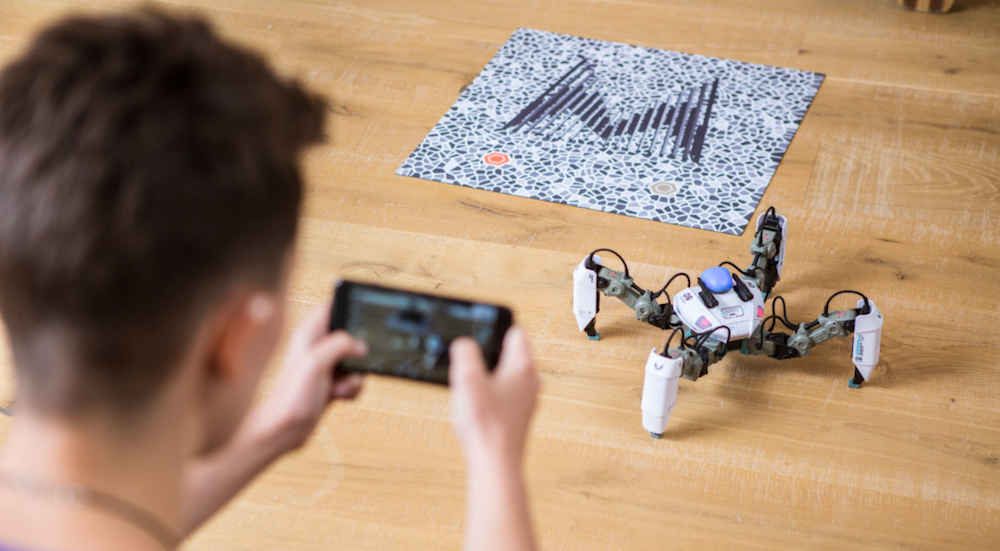
Education robots include a wide range of programmable devices designed for teaching in classrooms or at home. Lego programmable kits, 3D printers with teaching plans, and teacher robots like EMYS all serve STEM education. These robots help students learn coding, engineering principles, and problem-solving through hands-on interaction.
Entertainment robots
Entertainment robots are intended to arouse emotions and provide amusement. RoboThespian, a robot comedian, Navi Shaman, a Disney theme park robot, and Partner, a robotic musician, are all examples. These robots use expressive movements, sound, and sometimes speech to engage audiences in public venues or private shows.
Exoskeleton robots
Exoskeleton robots are wearable devices that augment human strength or support rehabilitation. For physical therapy, an exoskeleton can help a paralyzed individual get back on their feet. The military and other industries also use exoskeletons to give users extra mobility and strength for lifting heavy loads without causing injury.
Humanoid robots
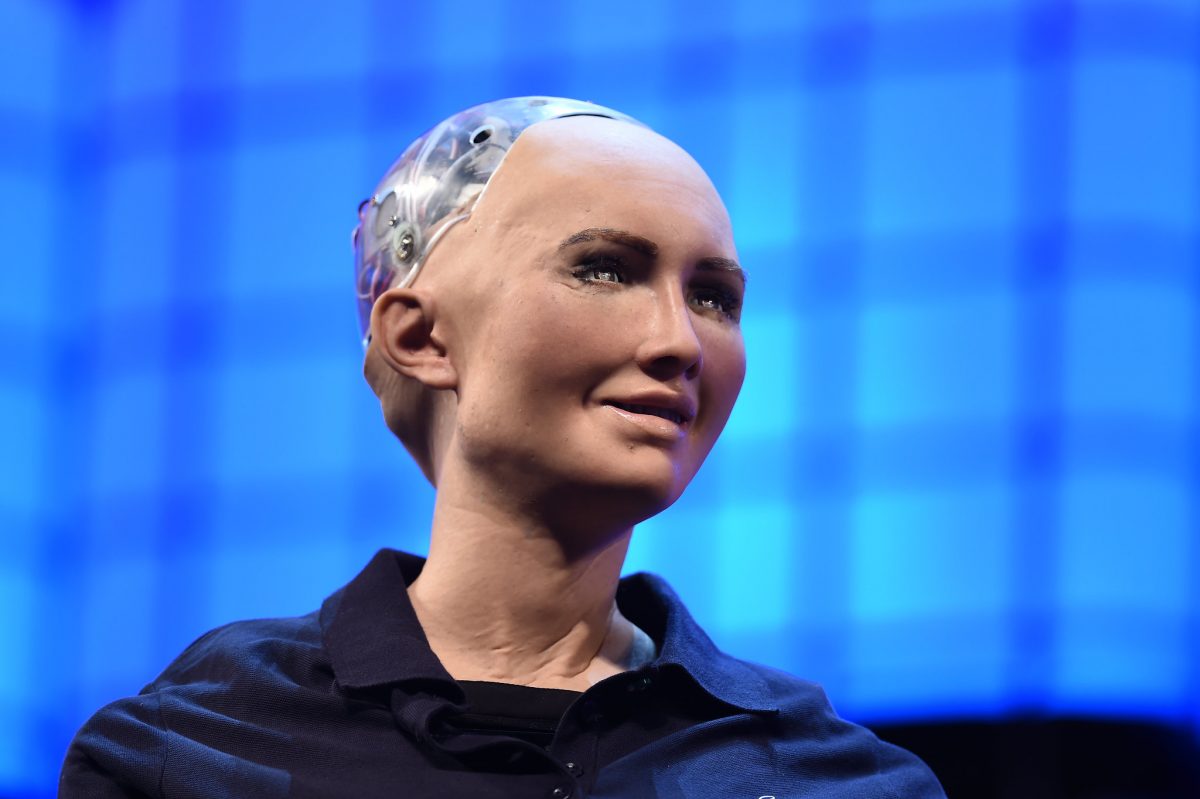
Humanoids replicate human appearance and are the type of robot many people are most familiar with. Examples include Asimo, produced by Honda, and the Geminoid robot series, which closely resemble real human beings. In 2022, humanoids also provided assistance in elder care, offering patient mobility support, medication reminders, vital sign monitoring, and companionship, making them valuable in aging societies.
Industrial robots
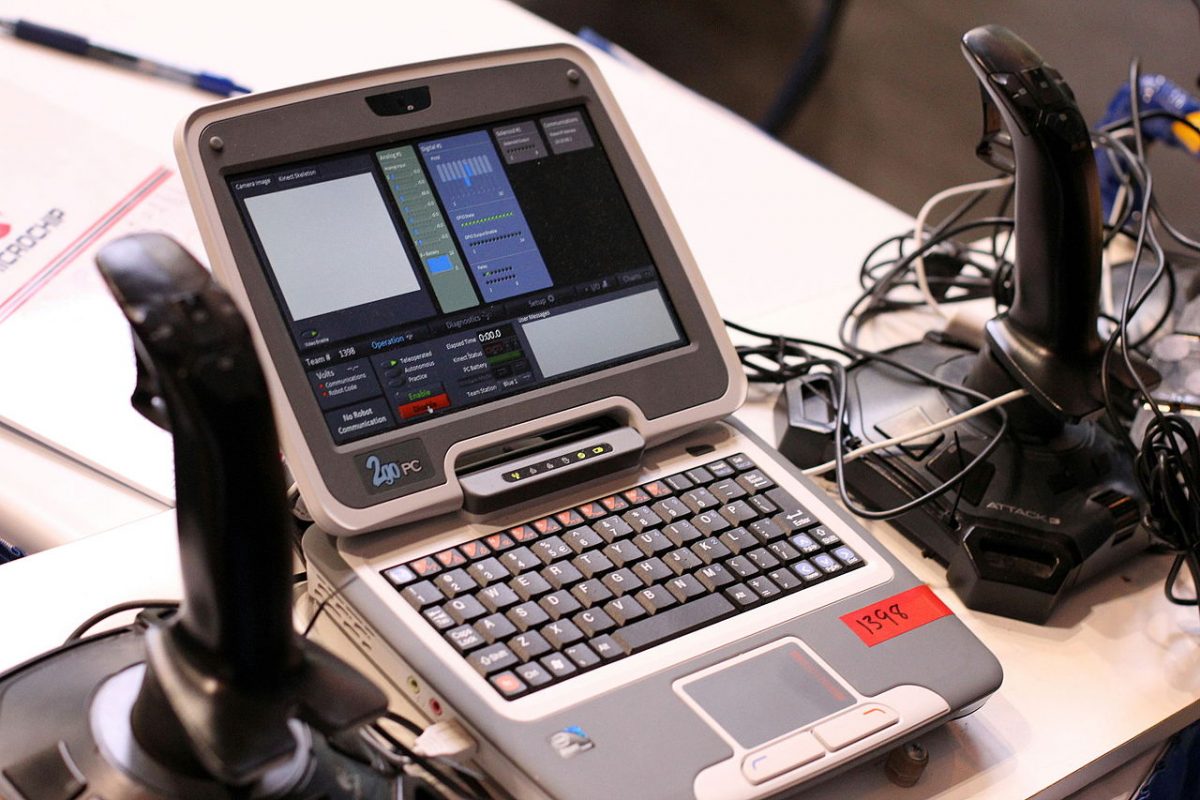
Industrial robots come with an arm used to carry out recurring tasks with high precision. The classic example is Unimate, the first factory robot, but modern versions include Amazon warehouse robots and collaborative factory robots that work alongside human co-workers. In 2022, industrial robots were increasingly adopted by construction, food and beverage, healthcare, defense, aerospace, and electronics companies, moving beyond their traditional automotive roots. Common applications included welding, material handling, painting, loading, packaging, labeling, and inspection, all of which require consistent accuracy over long shifts.
Logistics and delivery robots
Logistics and delivery robots were the biggest professional service segment in 2022, accounting for the largest share of professional service robot sales. These robots move goods within warehouses, distribution centers, and even last-mile delivery routes. They reduce manual labor and speed up order fulfillment, which became critical as e-commerce demand surged.
Autonomous mobile robots (AMRs) vs. automated guided vehicles (AGVs)
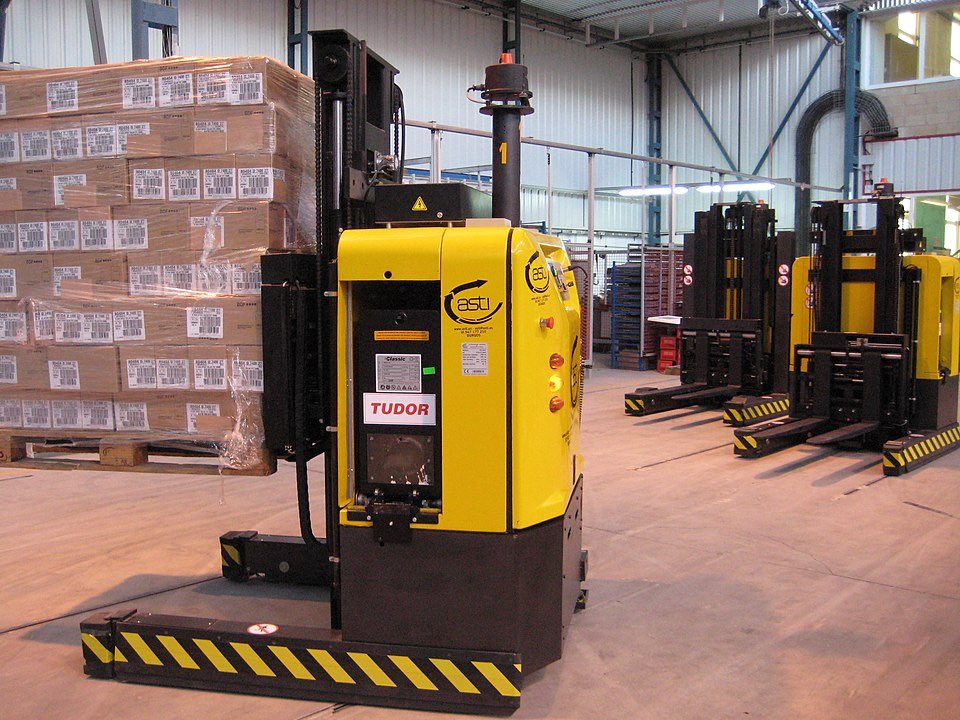
Over 120,000 AMRs and AGVs were shipped in 2022 for logistics, warehousing, and manufacturing. The key difference lies in navigation: AMRs navigate independently, avoid obstacles, and optimize routes in real time using advanced sensors like LiDAR and AI-powered software. AGVs, by contrast, follow fixed routes, typically using magnetic strips or rails on the floor. AMRs are more flexible for dynamic environments, while AGVs are simpler and cheaper for predictable, repetitive paths.
Medical robots
Medical and healthcare robots are employed for curative purposes. The da Vinci surgical robot allows surgeons to perform minimally invasive procedures with enhanced precision. Bionic prostheses give amputees functional limbs, and robotic exoskeletons assist in physical therapy by guiding patients through repetitive movements that rebuild muscle strength.
Military and security robots
Military robots are for security, surveillance, and combat purposes. The Endeavor Robotics PackBot is used for discovering makeshift explosives in Iraq and Afghanistan. BigDog helps lift heavy tools and machinery in rough terrain. Security robots like the self-governing Cobalt mobile edifices patrol facilities and detect anomalies without human intervention.
Research robots
Research robots are developed by university and company laboratories primarily to assist researchers in their work. Many robots that fall into other classifications also qualify as research robots because they serve as testbeds for new algorithms, sensors, or control systems. These platforms are often experimental and multi-purpose, pushing the boundaries of what robots can do.
Self-driving car robots
Self-driving cars are a type of robot that navigates roads without human input. Many of these vehicles can carry passengers. The primary designs include vehicles built for DARPA's self-driving vehicle contests, and Google pioneered the self-driving Toyota Prius, which gave rise to Waymo, a company dedicated to autonomous ride-hailing.
Telepresence robots
Telepresence robots enable you to explore a location remotely and be present there while staying where you are. You sign into a robot avatar through the internet, drive it around, view what the robot sees, and speak to people in that location without being physically present. Remote workers use these robots to collaborate with colleagues in far-away offices, and medical practitioners use them to check on patients.
Underwater robots
Underwater robots deploy beneath the surface of water for exploration, inspection, and research. Examples include marine submersibles like Aquanaut, humanoid divers like Ocean One, and biologically motivated robotics like the snakebot ACM-R5H, which can navigate tight spaces in underwater environments.
How AI and machine learning made 2022 robots smarter
The integration of AI and machine learning was a key trend in robotics in 2022, enabling robots to learn, make more informed decisions, and perform more complex tasks. Instead of following pre-programmed instructions blindly, robots could now adapt to new situations, an AMR could reroute around a sudden obstacle, a humanoid could adjust its grip on an unfamiliar object, and a surgical robot could refine its movements based on tissue feedback. This shift from rigid automation to adaptive intelligence was what allowed robots to expand into new industries and take on roles that previously required human judgment.
Start building your own robot
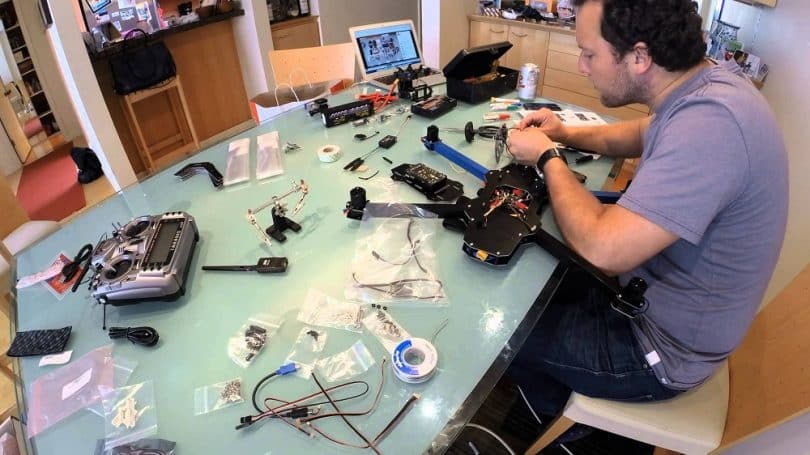
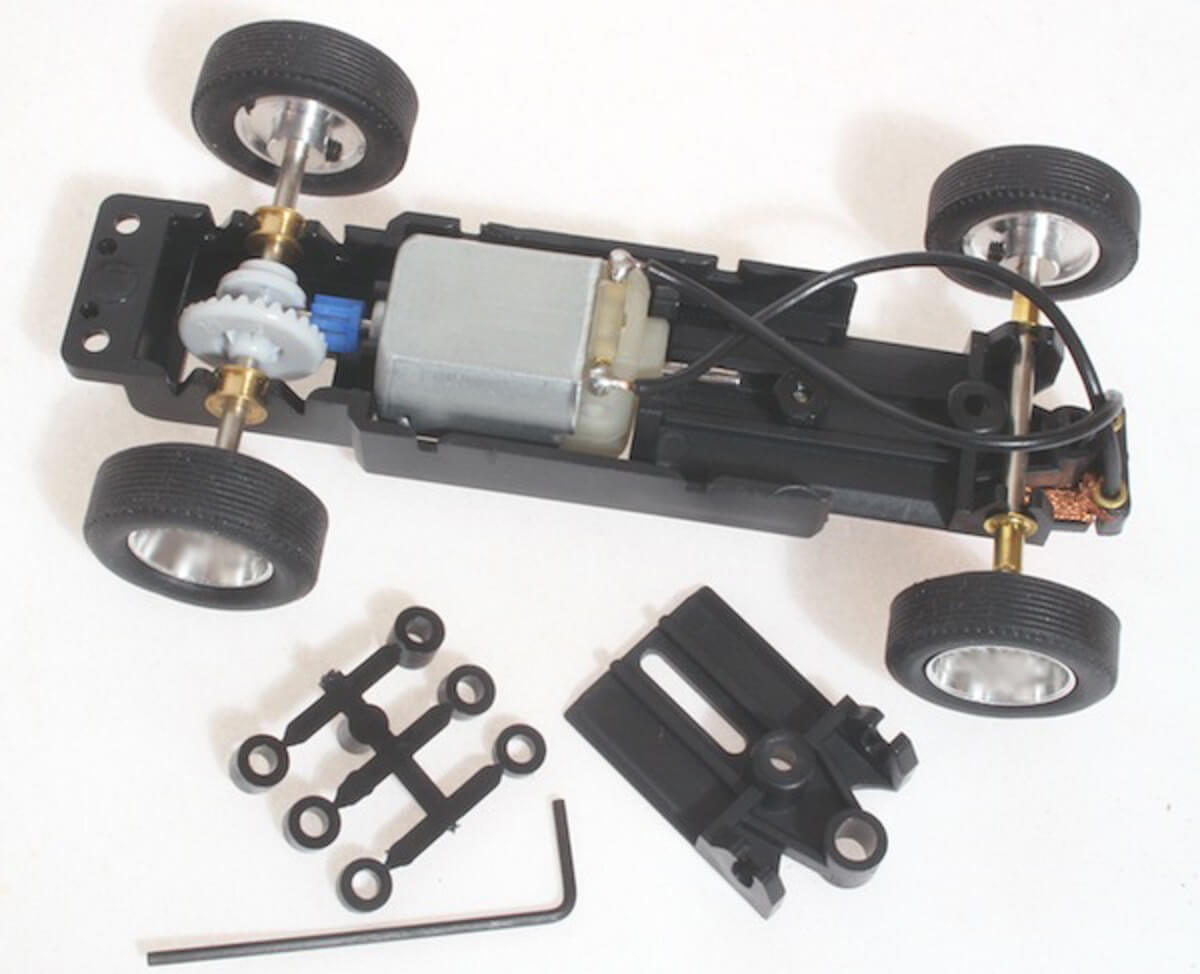
Now that you understand the types of robots in 2022, the next step is to get hands-on experience. You can program a robot using beginner-friendly platforms that teach logic, sensors, and motor control, which is the foundation for any of the categories above. For a faster start, consider building a robot in 1 day with a simple kit that includes wheels, a microcontroller, and basic sensors, this gives you immediate feedback on how hardware and software interact. Whether you aim to build a consumer helper, an industrial arm, or a research platform, starting small is the most practical way to move from reading about robots to making one yourself.