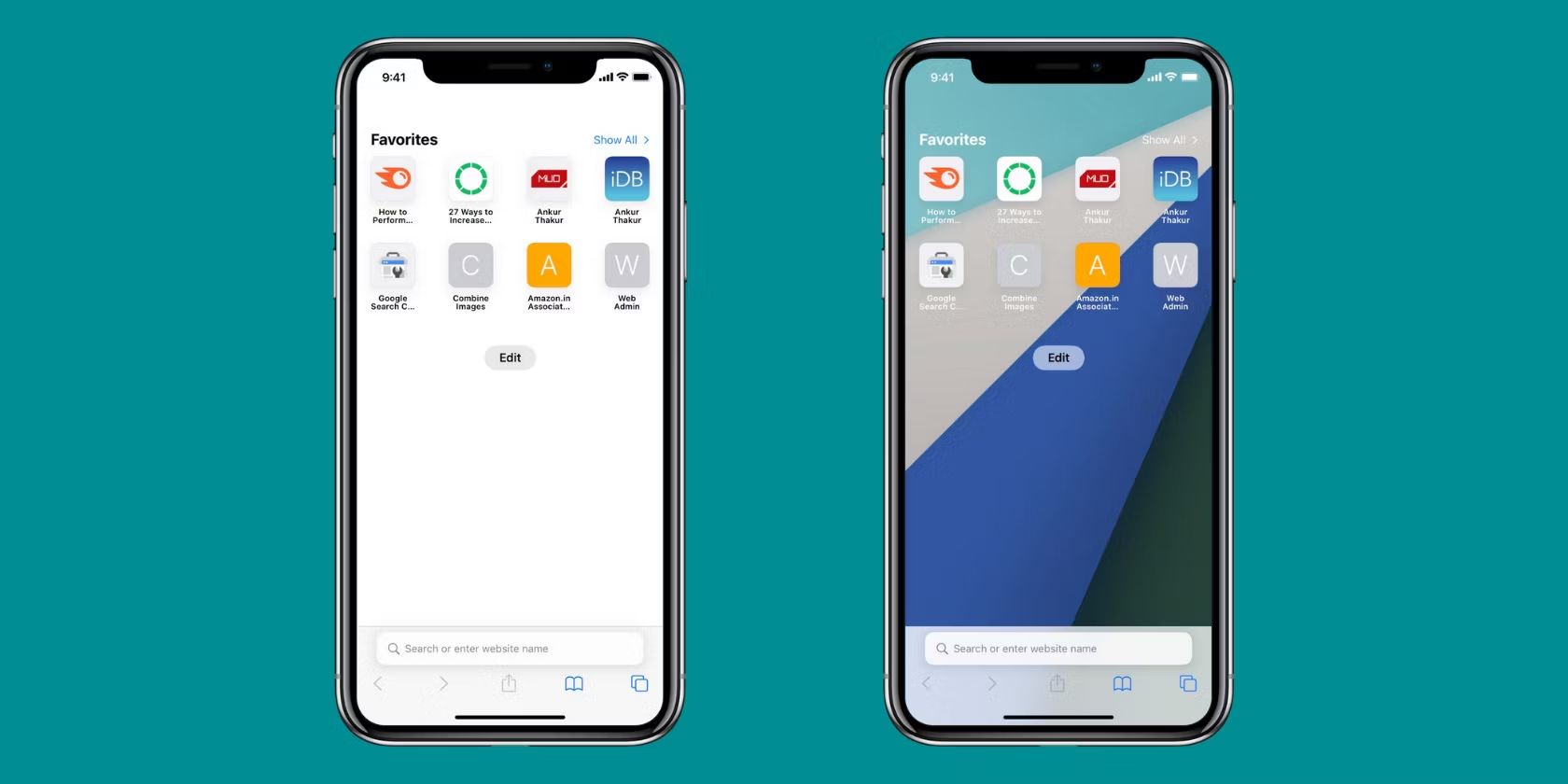
To turn off Safari dark mode on your iPhone, iPad, or Mac, you need to change the system-wide appearance setting, since Safari follows it automatically. On iOS, go to Settings > Display & Brightness and select "Light"; on macOS Ventura or later, open System Settings > Appearance and choose "Light." Both methods instantly switch Safari back to the traditional light interface.
How to turn off Safari dark mode on an iPhone or iPad
On an iPhone or iPad, Safari's appearance is tied directly to your device's system-wide light or dark mode setting. There are two quick ways to disable dark mode: through the Settings app or via Control Center. Both methods take effect immediately, so you can switch back to light mode without restarting Safari.
Using Settings
- Open the Settings app on your iPhone or iPad.
- Tap Display & Brightness.
- Under the Appearance section, select Light.
Once you select Light, Safari will instantly revert to a white background with dark text. This is the most straightforward method if you want a permanent change and don't mind navigating a couple of menus.
Using Control Center
- Swipe down from the top-right corner of the screen (on Face ID models) or swipe up from the bottom (on Home-button models) to open Control Center.
- Touch and hold the brightness bar until it expands.
- Tap the Dark Mode toggle to turn it off.
This method is faster if you're already in Safari and just want to flip the switch without leaving the app. The toggle is a moon-shaped icon; when it's grayed out, dark mode is off.
How to turn off Safari dark mode on a Mac
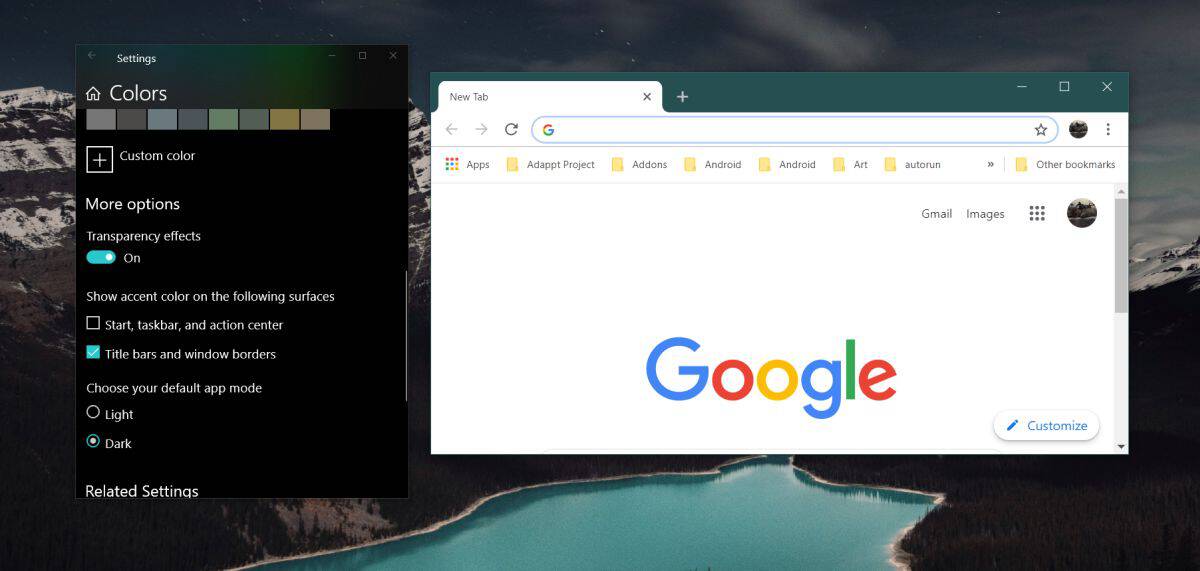
On a Mac running macOS Ventura or later, Safari follows the system appearance setting, so you'll need to change it in System Settings. The steps are slightly different from older macOS versions, but the process is still quick and straightforward.
Using System Settings
- Click the Apple menu in the top-left corner of your screen.
- Select System Settings.
- Click Appearance in the sidebar.
- Select Light under the Appearance section.
After selecting Light, Safari will immediately switch to a light interface. This setting applies to the entire system, so other apps like Mail and Finder will also change to light mode.
Using Control Center
- Click the Control Center icon in the menu bar (it looks like two pill shapes side by side).
- Click the disclosure button (chevron) next to Display.
- Click Dark Mode to toggle it off.
This is a handy shortcut if you want to switch appearances without opening System Settings. The toggle will show as highlighted when dark mode is active; clicking it turns it off.
How to stop Safari from automatically switching to dark mode
If your device keeps flipping between light and dark mode on its own, the culprit is the Auto appearance setting. On both iOS and macOS, Auto changes the interface based on the time of day or your Night Shift schedule. To permanently disable this automatic switching, you need to select Light instead of Auto.
On an iPhone or iPad, go to Settings > Display & Brightness and tap Light instead of Auto. On a Mac, open System Settings > Appearance and select Light rather than Auto. Once you make this change, Safari will stay in light mode around the clock, regardless of the time of day or your Night Shift schedule.
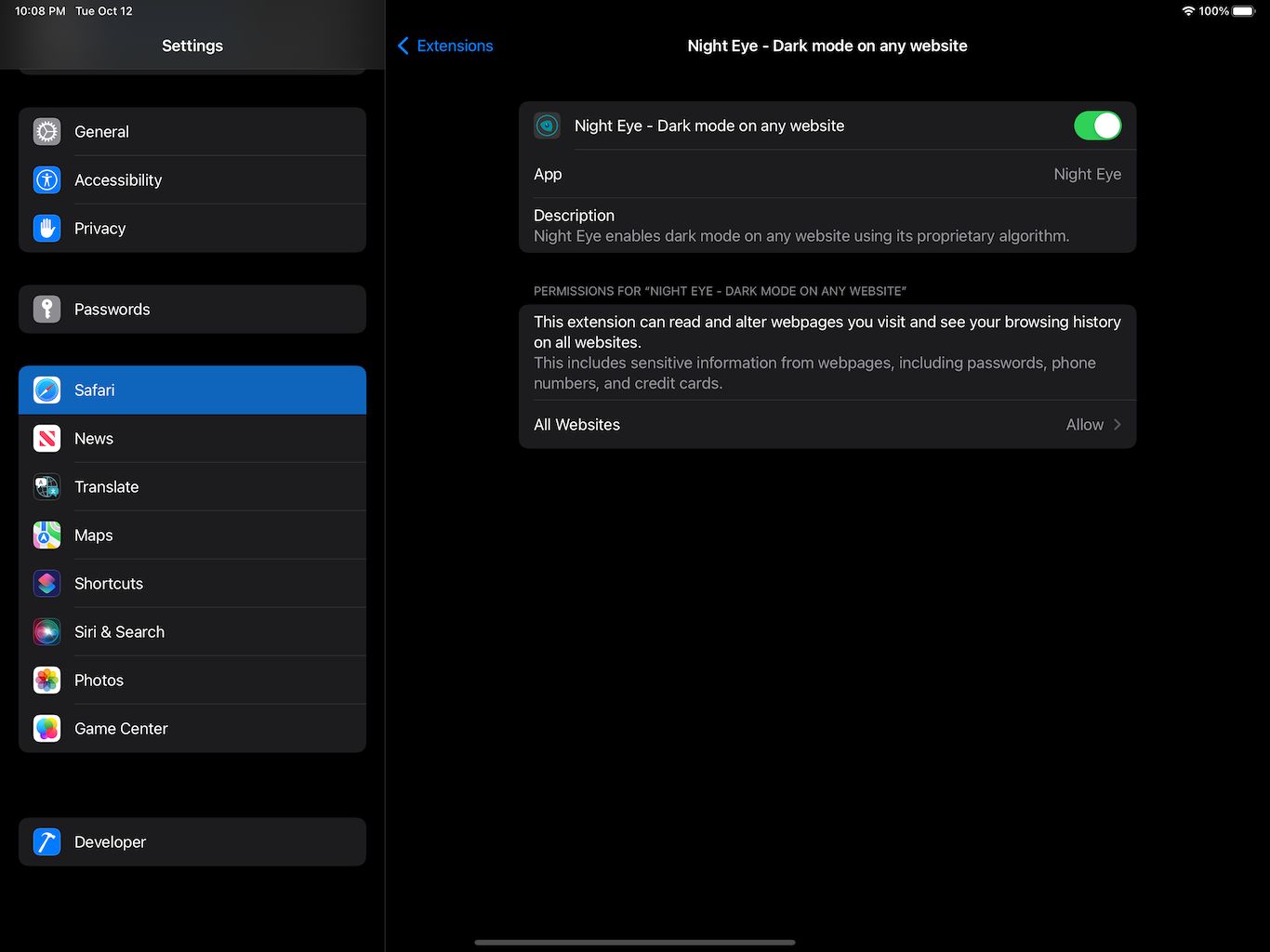
If you prefer to keep dark mode for late-night browsing but want light mode during the day, you can leave the setting on Auto. However, if you find the automatic switching distracting or simply want a consistent browsing experience, choosing Light permanently disables the automatic dark mode switch. Safari extensions can also force a light or dark theme on specific websites, even if your system-wide setting is different, giving you fine-grained control over individual pages.