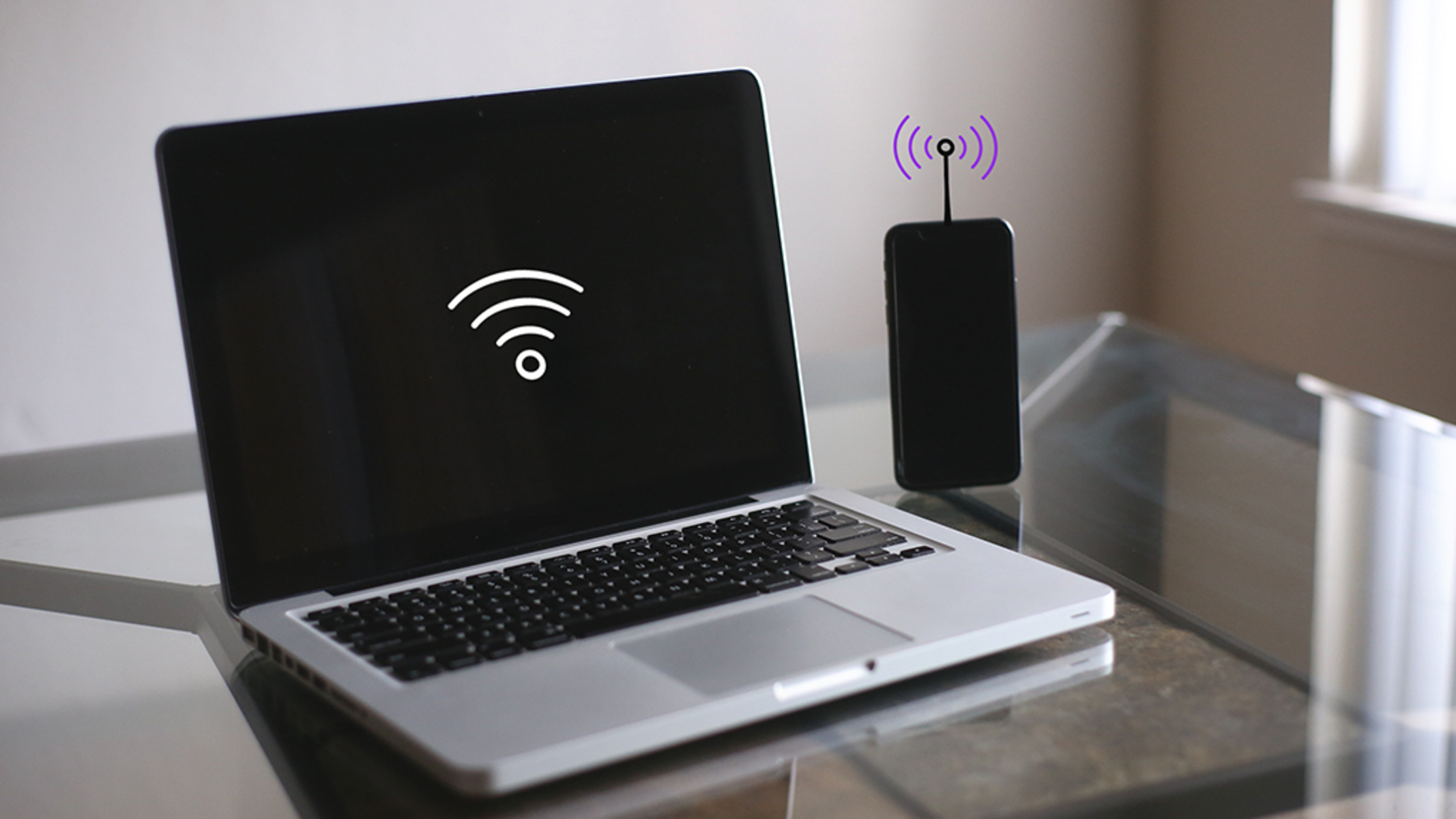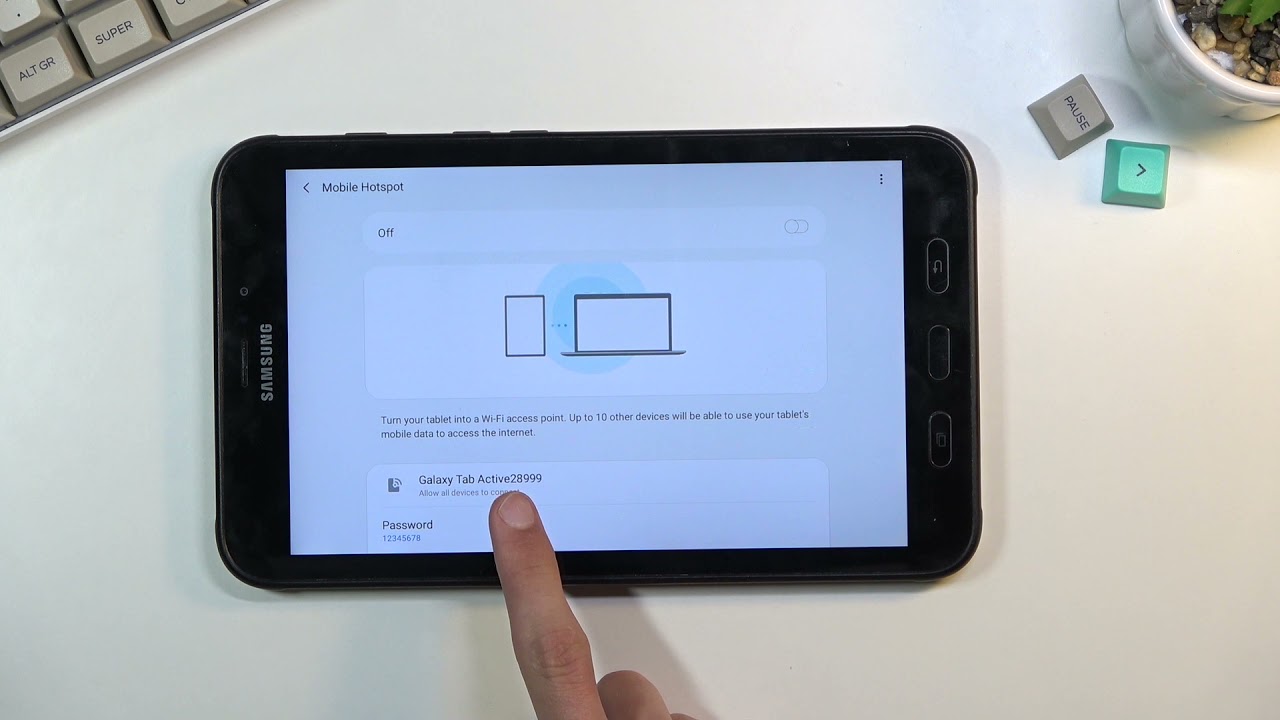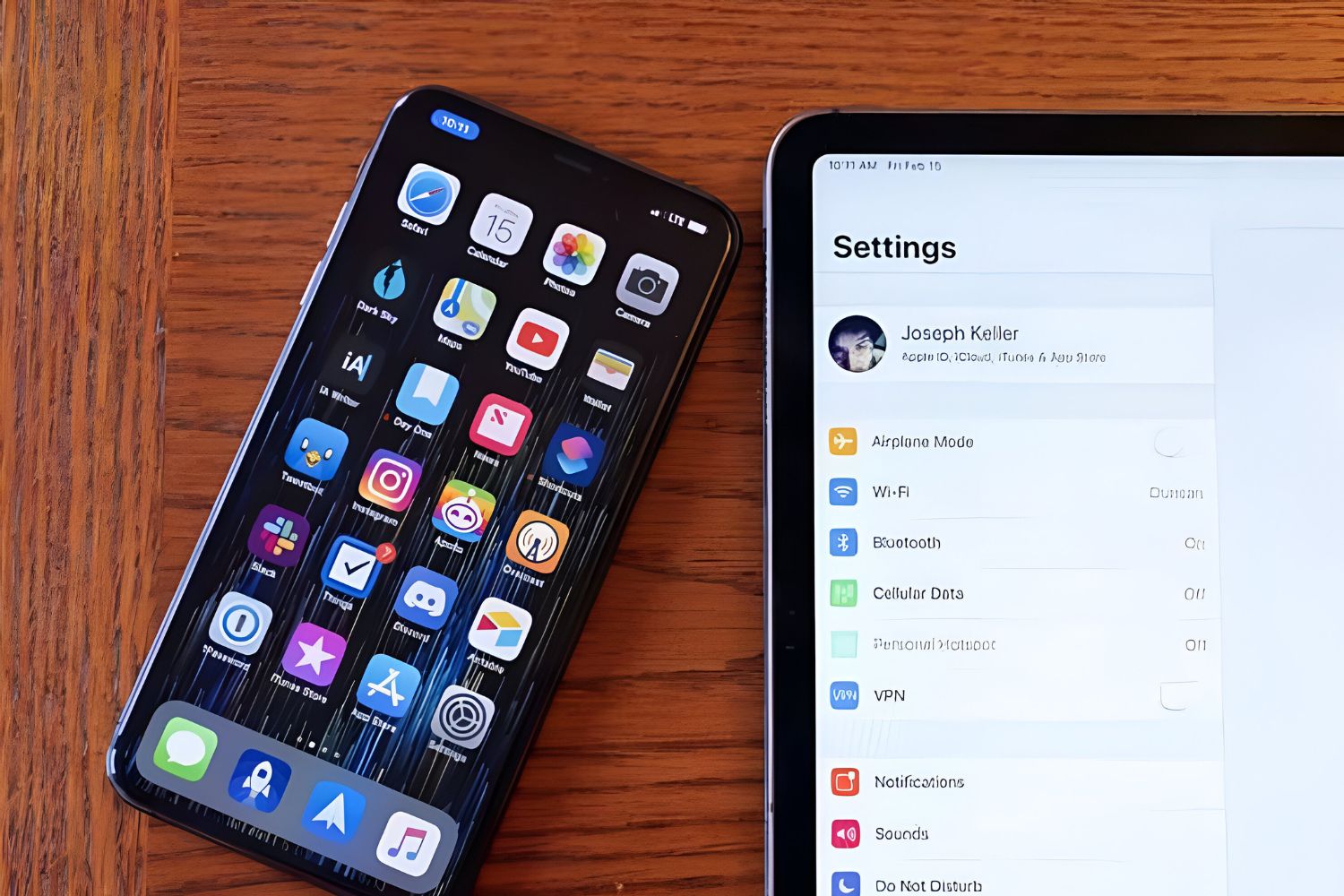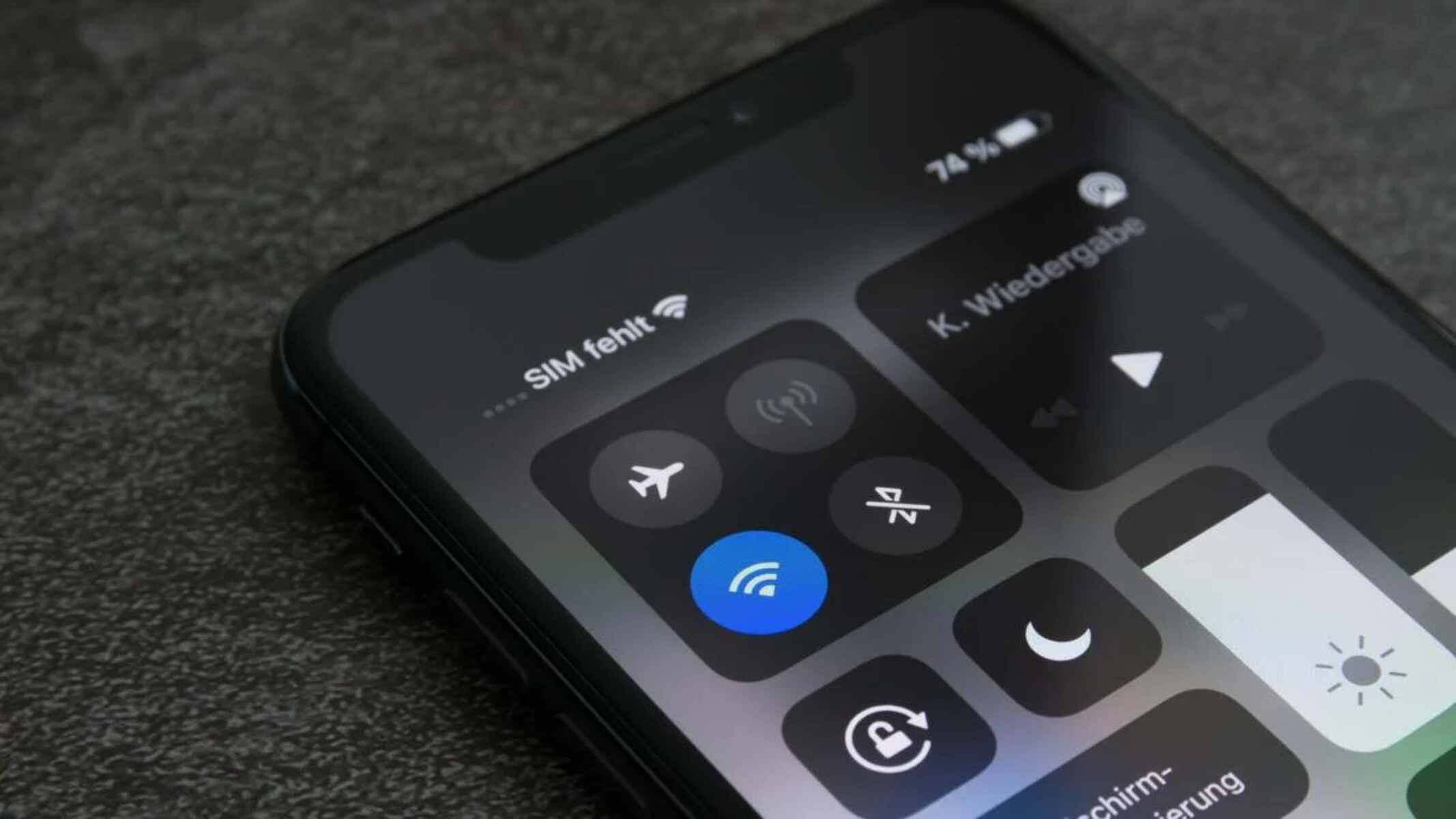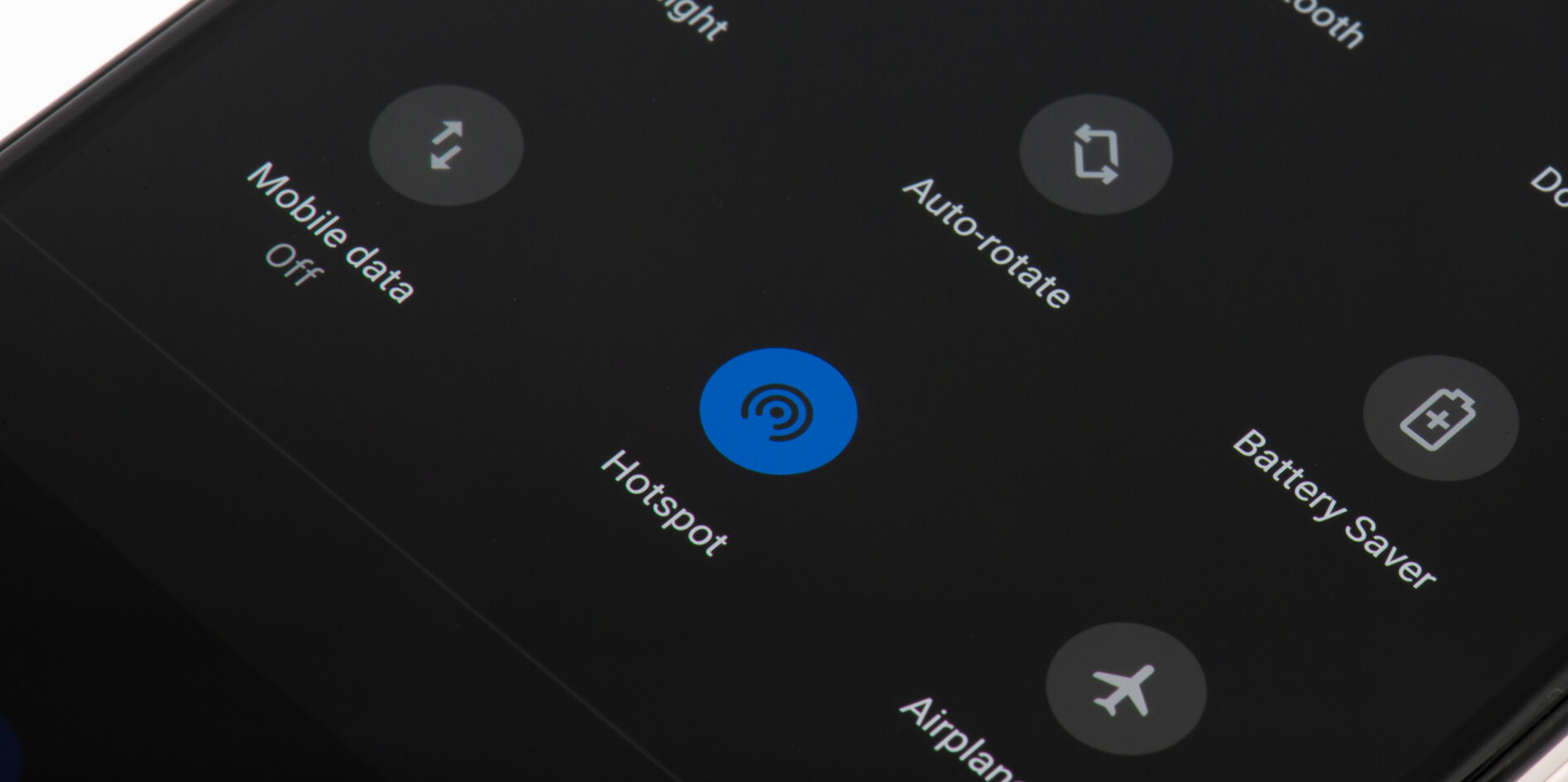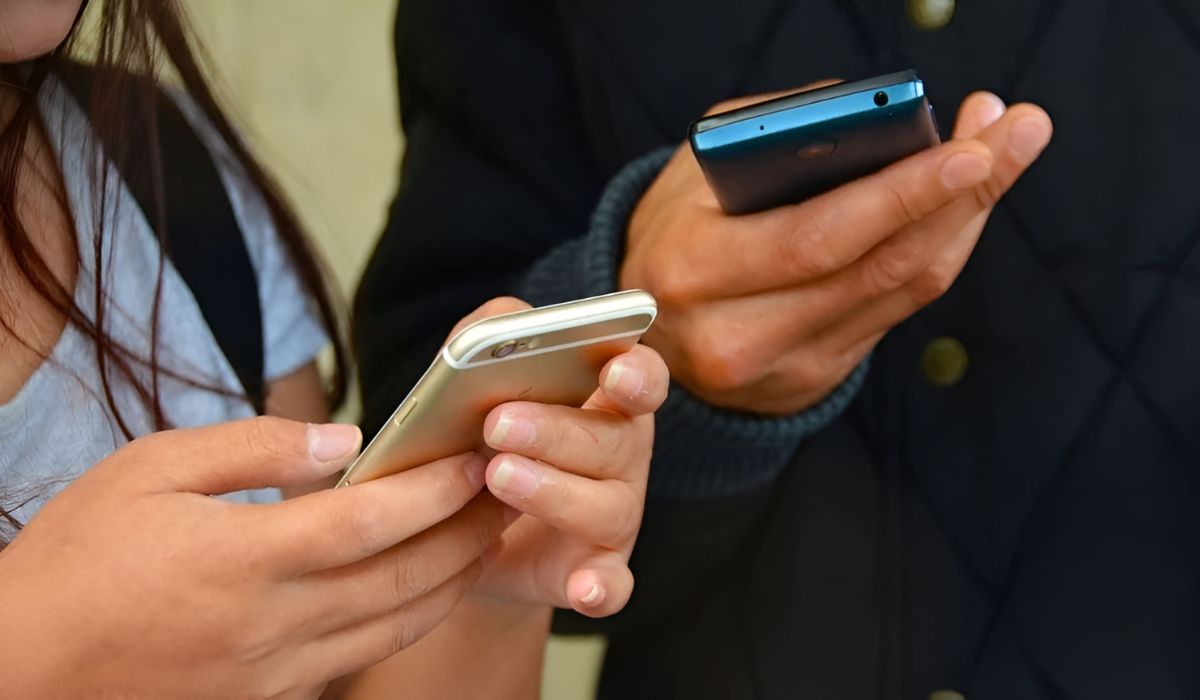
To connect iPhone hotspot to Android, turn on Personal Hotspot in your iPhone's Settings, then open Wi-Fi settings on your Android device, select the iPhone's network name, and enter the password shown on the hotspot screen. This works because your iPhone shares its cellular data connection, not a Wi-Fi network it's currently using, so both devices can get online almost instantly. If you need to connect an Apple tablet instead, the steps differ slightly when linking iPad to iPhone hotspot. If the roles are reversed, you can share your Android's connection by turning Android into a hotspot.
Before you start: requirements for iPhone hotspot sharing
Your iPhone can only share its cellular internet connection, not a Wi-Fi network it's already connected to. To use Personal Hotspot, your carrier plan must include hotspot service, not all plans support it, and additional fees may apply. You also need Cellular Data enabled on your iPhone, which you can verify in Settings > Cellular.
How to connect iPhone hotspot to Android via Wi-Fi
This is the most reliable method and works with virtually any Android device. Follow these steps in order:
- On your iPhone, open the Settings app and tap "Personal Hotspot" (or go to "Cellular," then "Personal Hotspot").
- Toggle "Allow Others to Join" to the on position. Your iPhone will start broadcasting a Wi-Fi network.
- Note the Wi-Fi network name, which is your iPhone's device name, and the password displayed on the Personal Hotspot screen. You'll need both for the next steps.
- If you're connecting an older Android device, enable "Maximize Compatibility" in Settings > Personal Hotspot. This switches the hotspot to the 2.4GHz Wi-Fi band, which is more widely supported.
- On your Android device, open Settings, tap "Network & internet," then "Internet" (or just "Wi-Fi" depending on your model).
- Make sure Wi-Fi is turned on, then wait for the list of available networks to appear.
- Select your iPhone's hotspot name from that list.
- Enter the Wi-Fi password from your iPhone's Personal Hotspot settings when prompted, then tap "Connect."
- Once connected, open a browser or any app on your Android device to confirm you have internet access.
This method gives you a standard Wi-Fi connection, which is ideal for streaming, downloading, or using multiple apps at once. The connection stays active as long as your iPhone's hotspot is enabled and both devices remain within range.
Connect your Android using Bluetooth tethering instead
If Wi-Fi isn't working or you want to save battery on both devices, Bluetooth tethering is a solid alternative. It's slower than Wi-Fi but uses less power. Here's how to set it up:
- On your iPhone, go to Settings > Personal Hotspot and make sure "Allow Others to Join" is on.
- Pair your iPhone and Android device via Bluetooth. On Android, go to Settings > Bluetooth and tap your iPhone's name. On iPhone, confirm the pairing code on both devices.
- On your Android device, go to Settings > Network & internet > Hotspot & tethering.
- Toggle "Bluetooth tethering" to the on position.
- Your Android device will now use your iPhone's cellular data over the Bluetooth connection.
Bluetooth tethering is useful when you're in a crowded area where Wi-Fi interference is a problem, or when you want to extend battery life on both devices during light browsing or messaging.
How many devices can connect, and how far away should they be?
Your iPhone's Personal Hotspot can typically support 5 to 10 connected devices at once, depending on your carrier and iPhone model. For the best performance, keep connected devices within 30 feet (10 meters) of your iPhone. Walls, metal objects, and other electronics can reduce this range, so try to keep a clear line of sight between devices. If you notice slow speeds or dropped connections, move closer to the iPhone.
Troubleshooting iPhone hotspot problems on Android
If your Android device won't connect or keeps dropping the connection, work through these fixes in order. Most issues are simple to resolve:
- Make sure Wi-Fi and Bluetooth are turned on for both your iPhone and Android device. Some Android models require both to be active for hotspot detection.
- Restart both devices. This clears temporary glitches and refreshes network connections.
- Verify the hotspot password. On your iPhone, go to Settings > Personal Hotspot and confirm the password shown. Re-enter it on your Android device if needed.
- Toggle "Maximize Compatibility" on your iPhone.
- Check your iPhone's cellular signal. If you have one or two bars, move to a location with better coverage, a weak signal directly impacts hotspot speed and stability.
- Limit the number of connected devices. If several devices are already on the hotspot, disconnect unused ones to free up bandwidth.
- If nothing else works, reset network settings on your iPhone. Go to Settings > General > Transfer or Reset iPhone > Reset > Reset Network Settings. This erases all saved Wi-Fi passwords and cellular settings, so you'll need to re-enter them afterward, but it often fixes stubborn connectivity problems.
For slow data speeds specifically, check your iPhone's signal strength first, a weak cellular connection is the most common cause. Also, reduce the number of active connections, as each additional device shares the same data pipe. If you're using a phone hotspot with any device, remember that your carrier may throttle speeds after a certain data threshold, so check your plan if speeds stay slow after troubleshooting.