Understanding Google Drive Video Sharing Permissions Explained
Google Drive video sharing permissions explained in plain terms: you cannot legally or reliably download a video from Google Drive without the owner’s explicit permission, because the platform’s sharing system is designed to give the owner full control over who can view, comment on, edit, or download their files. Attempting to bypass those controls violates Google’s terms of service and exposes you to real risks, including malware, account suspension, and legal liability. This article explains how those permissions work, why unauthorized downloading is both against the rules and dangerous, and what legitimate alternatives exist for accessing content you want to watch or use.
How Google Drive’s Permission Levels Actually Work
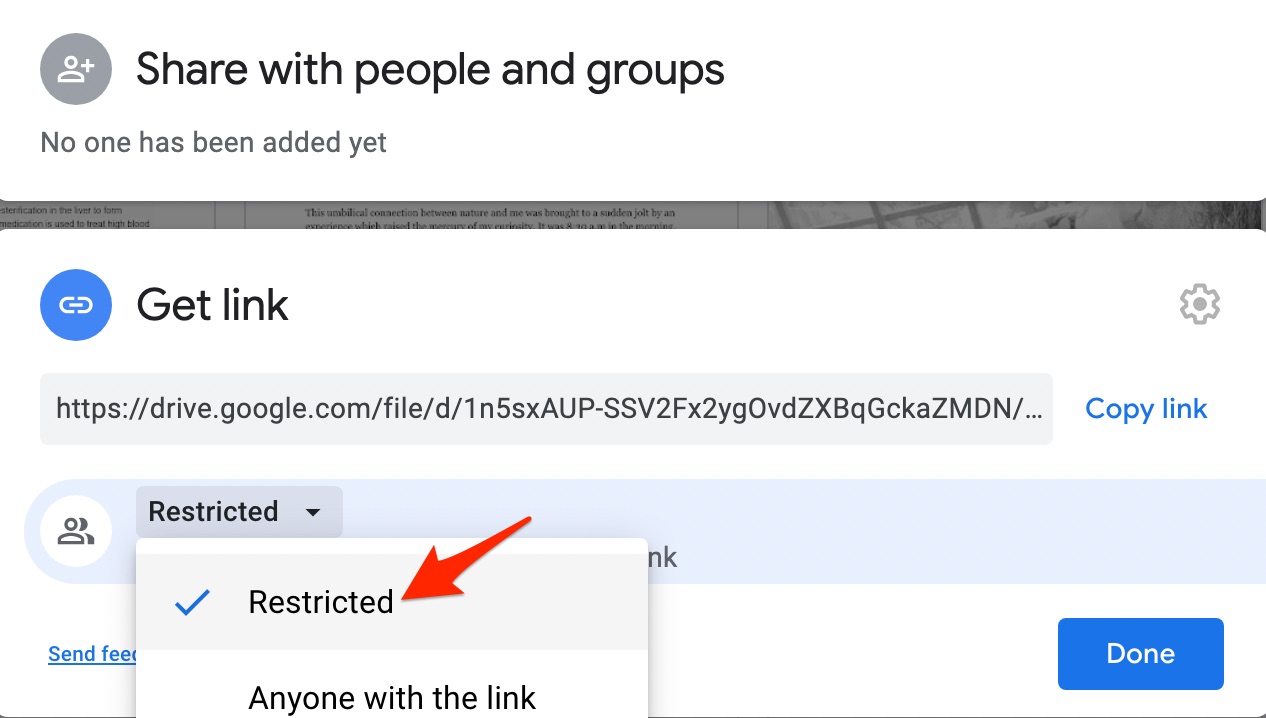
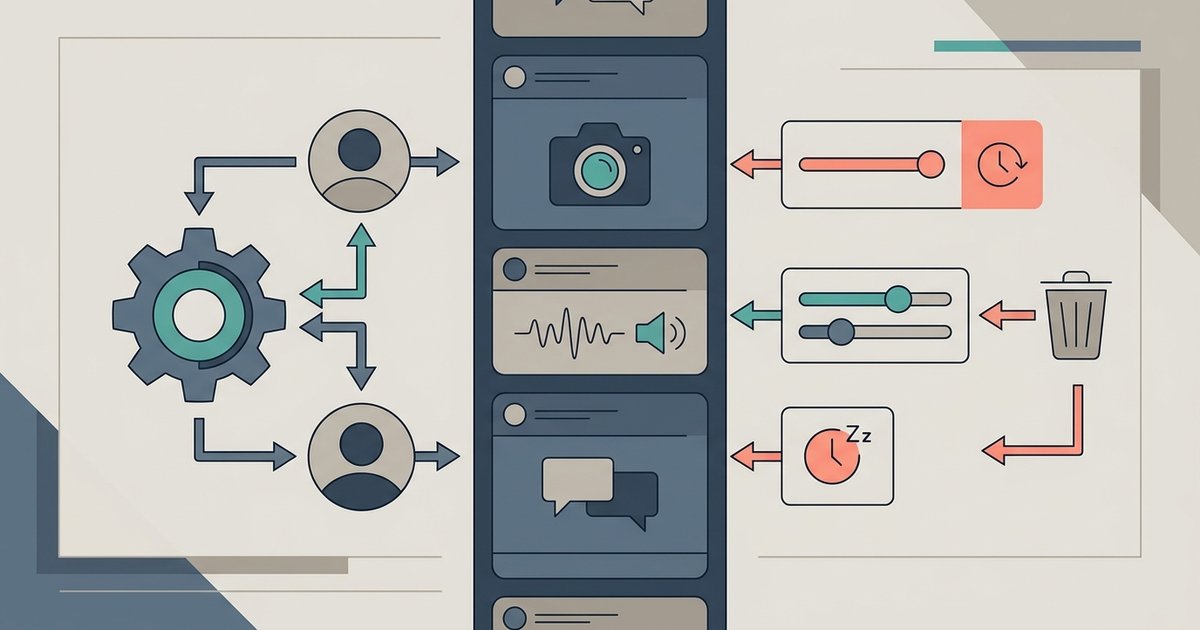
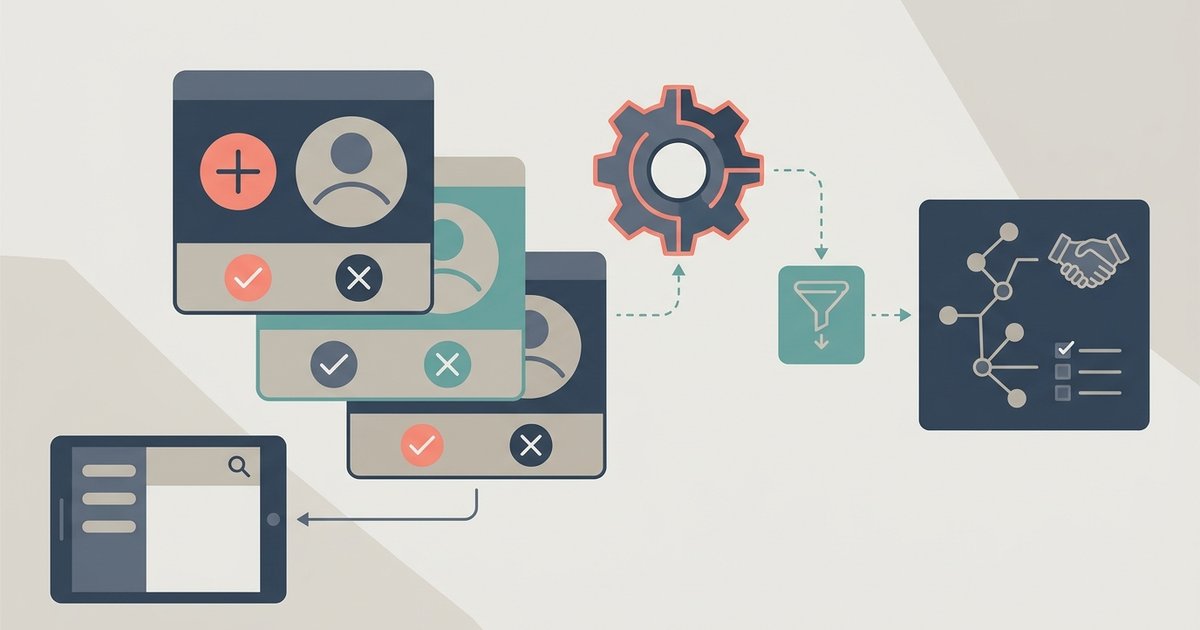
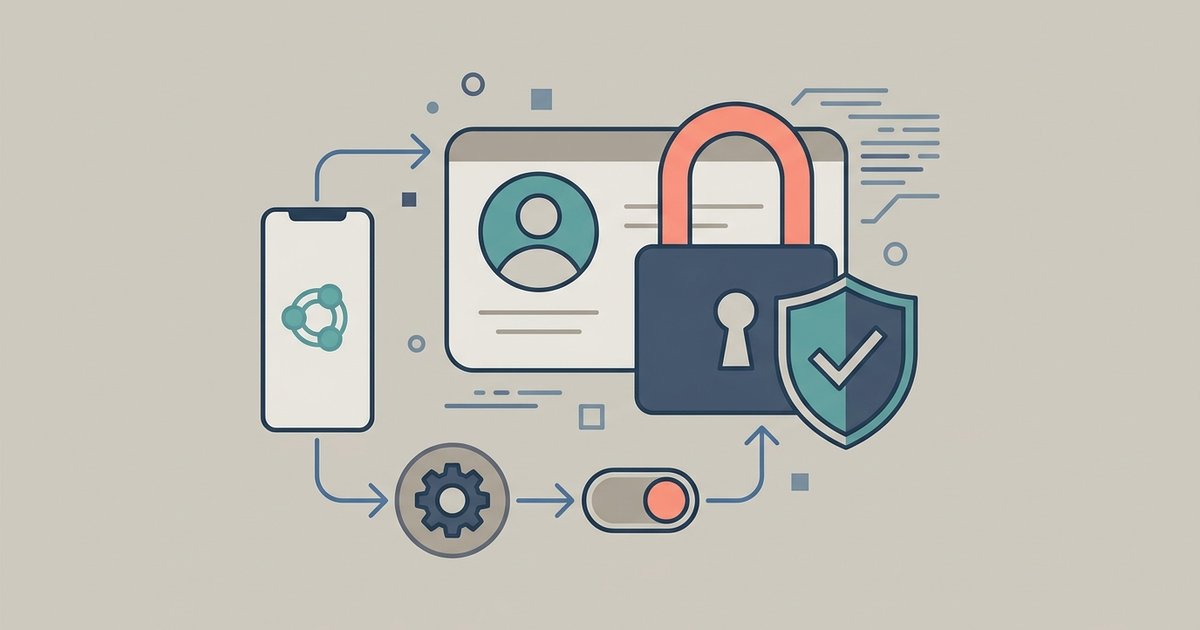
Google Drive offers four primary permission levels for files and folders: Viewer, Commenter, Editor, and Owner. Each level grants a different degree of access. A Viewer can only see the file; a Commenter can see and leave comments; an Editor can modify the file; and the Owner has full control, including the ability to change permissions, share, or delete. By default, files and folders stored or created in Google Drive are private to the owner until explicitly shared. That means if someone shares a video link with you, they have chosen to give you at least viewing access, but that does not automatically give you download rights.
When a folder is shared or its permissions are changed, files and subfolders within it automatically inherit the new sharing settings. This inheritance is a convenience for owners managing many files, but it also means that a video inside a shared folder may be viewable to you even if the owner intended only certain files to be accessible. However, inheritance does not override the owner’s explicit per-file settings. If the owner has disabled downloading for a specific video, that restriction applies regardless of the folder’s broader sharing settings.
The key point is that permission levels are granular. An owner can grant you “Viewer” access, which lets you watch the video in the Google Drive player, but that does not grant you the ability to download the file. Downloading is a separate action that requires either “Editor” or “Owner” permission, unless the owner has specifically enabled downloading for viewers and commenters. Google Drive’s interface makes this distinction clear: the download button only appears if the owner has allowed it.
Why Unauthorized Downloading Violates Google’s Terms of Service
Google’s Terms of Service explicitly state that users retain ownership of their intellectual property rights for content uploaded to Drive. That means the person who uploaded a video owns it, and you do not. Unauthorized downloading or scraping content that does not belong to you, or bypassing Google’s systems or protective measures, can be considered a material breach of Google’s Terms of Service and Program Policies. This is not a gray area: if you do not have permission to download, and you attempt to do so anyway, you are violating the agreement you accepted when you created a Google account.
Bypassing the owner’s settings, for example, using third-party tools, browser extensions, or scripts that extract a video file from a Drive link without the owner’s consent, is explicitly against Google’s rules. Google’s Program Policies prohibit “interfering with or disrupting the Service” and “attempting to gain unauthorized access to the Service, other users’ accounts, or computer systems.” Downloading a video without permission falls squarely into that category. Even if the video is publicly viewable, that does not mean it is free for you to take. Public visibility is a choice the owner made; downloading without permission is a separate action that the owner did not authorize.
Furthermore, Google can take action against accounts that violate these terms. Violations can lead to restricting content access, removing content, or limiting or terminating a user’s access to Google products or their Google Account. That means you could lose access to your own files, your email, your photos, and everything else tied to your Google identity, all because you tried to download a video you were not allowed to have.
The Real Risks: Malware, Account Bans, and Legal Exposure
Beyond the terms-of-service violation, attempting to download videos from Google Drive without permission is risky for your device and your personal data. Many third-party tools that claim to “bypass” Drive restrictions are not legitimate software. They are often bundled with malware, adware, or spyware that can infect your computer, steal your passwords, or lock your files for ransom. Downloading and running an unknown executable or browser extension from a random website is one of the most common ways people get hacked. The promise of a free video is not worth the cost of a compromised system.
Account bans are another real consequence. Google actively monitors for abusive behavior, including repeated attempts to access files without permission or the use of automated scraping tools. Even a single flagged incident can trigger a review of your account. If Google determines you have violated their policies, they can restrict your access to the specific file, remove the content entirely, or suspend your entire Google account. For many people, losing their Google account means losing access to years of emails, documents, and photos. That is a severe penalty for what might seem like a minor infraction.
Legal exposure is also possible, though it depends on the nature of the content. If the video is copyrighted, and most videos are, downloading it without permission may constitute copyright infringement. Under laws like the Digital Millennium Copyright Act (DMCA) in the United States, circumventing technological protection measures is itself a violation, separate from the act of copying. Even if you do not distribute the video, possessing an unauthorized copy can expose you to civil liability. The owner of the copyright can send a takedown notice to Google, and if the matter escalates, they can pursue legal action against you directly. In short, the risks are not hypothetical; they are concrete and can affect your digital life, your finances, and your legal standing.
How to Legitimately Request Access to a Google Drive Video
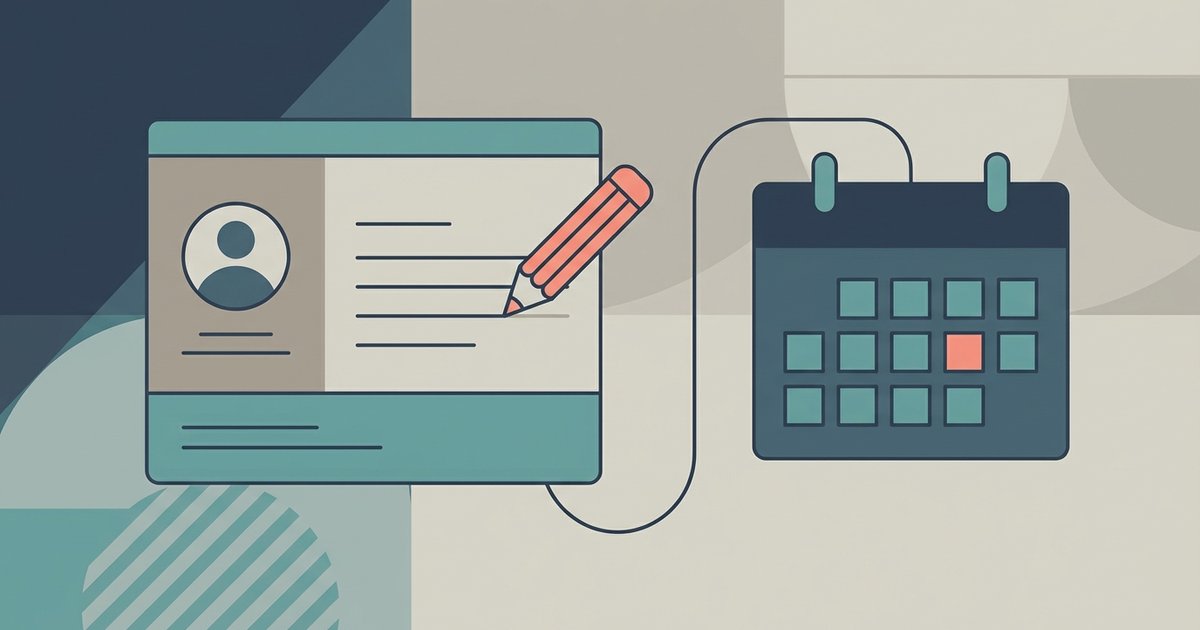
If you encounter a Google Drive video that you want to download, the correct and lawful approach is to ask the owner for permission. Google provides a built-in mechanism for this. To legitimately request access to a Google Drive file, open the file, click the “Request access” button, optionally add a reason for needing access, and then click “Send request.” That is the entire process. The file owner will receive an email notification with the access request, including your name, your email, the file link, and any message you provided. The owner then decides whether to grant you access, and if they do, they can choose to give you “Viewer,” “Commenter,” or “Editor” permission, and they can also enable or disable downloading as they see fit.
This system exists precisely so that content creators control their work. If you ask politely and explain why you need the video, for example, for a school project, a personal archive, or a non-commercial presentation, many owners will be happy to grant you access. The key is that you are respecting their rights and their decision. If the owner denies your request, that is their right, and you must accept it. There is no legitimate way to override their choice.
If the owner has already disabled downloading for viewers and commenters, even after granting you access, you will not see a download button. That is a deliberate choice by the owner. You can still watch the video, but you cannot save it. In that case, you can ask the owner to enable downloading for you specifically, but they are under no obligation to do so. Respect their decision.
Legitimate Alternatives for Accessing Video Content
If you cannot get permission to download a specific Google Drive video, or if the owner denies your request, there are many legal and safe alternatives for accessing the content you want. First, consider whether the video is available through official channels. Many creators publish their work on platforms like YouTube, Vimeo, or their own websites, often with free or paid access. If the video is a movie, a TV show, or a documentary, it is likely available through official streaming services like Netflix, Hulu, Amazon Prime, or Disney+. These services operate under licensing agreements that compensate the creators, and they offer high-quality streaming and, in some cases, offline downloads within their apps, legally.
For music videos, short films, or educational content, check the creator’s official website or social media channels. Many independent creators offer their work for free or for a small fee through platforms like Bandcamp, Vimeo On Demand, or their own online stores. If the video is part of a course or a tutorial, consider purchasing the course from the instructor directly or through a legitimate educational platform like Udemy, Coursera, or Skillshare. These platforms provide legal access to content and often include download options for offline viewing as part of the paid service.
If the content is a game, a piece of software, or a creative work, look for free-to-play or open-source alternatives. Many developers offer their products legally for free, either as a trial, a freemium model, or under open-source licenses. For books, audiobooks, or other media, your local library may offer free digital borrowing through services like OverDrive, Libby, or Hoopla. These services are fully legal, and they respect the rights of authors and publishers. If you own a physical copy of a DVD, Blu-ray, or game, you may be able to create a personal backup copy for your own use, depending on your local laws, but you should never distribute that copy to others.
The overarching principle is simple: pay for content when it is not free, ask for permission when you are unsure, and never try to bypass the controls that creators and platforms have put in place. Unauthorized downloading is not a shortcut; it is a violation of trust, a breach of terms, and a risk to your own security. The legal alternatives may cost a little money or time, but they are safe, ethical, and sustainable. They also ensure that the people who made the content you enjoy are fairly compensated for their work.
Final Takeaway: Respect the Owner’s Control
Google Drive video sharing permissions explained above show that the system is designed to protect the owner’s rights. The owner decides who can view, comment, edit, or download their files. If you want a video, ask for access. If you cannot get it, find a legal alternative. Do not attempt to bypass the system, because doing so violates Google’s terms, exposes you to malware and account bans, and can lead to legal trouble. The internet is full of legitimate ways to access content, and respecting the rules is not difficult, it is just the right thing to do. Your account, your device, and your reputation are worth more than any video.
\nRelated reading: How To Download Shared Files From Google Drive Without Permission, How To Download Phone Backup From Google Drive, and A Brief Guide for Google Drive Upload and Download.