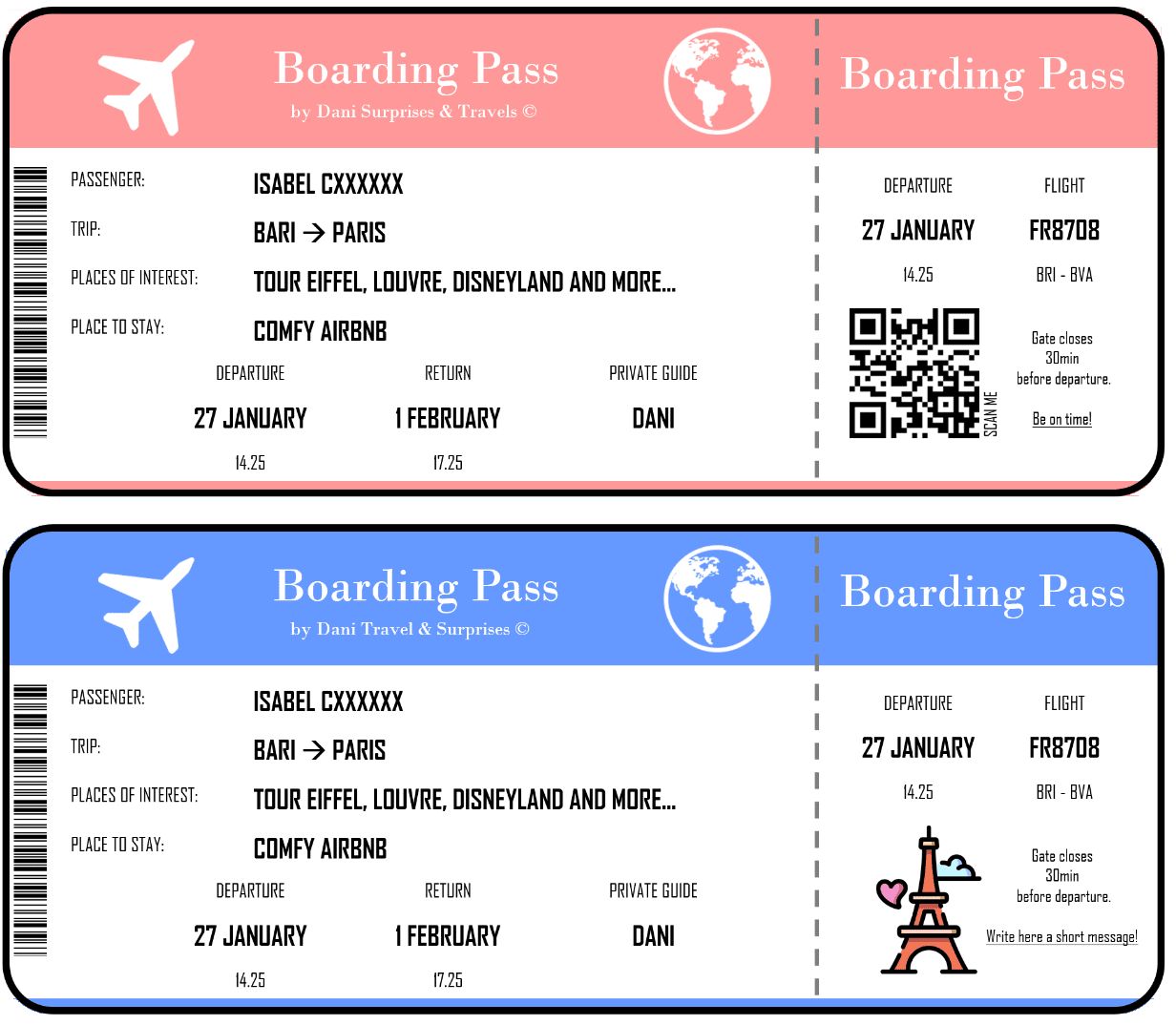
To download a boarding pass to your phone, your goal is to get the digital version of your airline ticket into your smartphone's digital wallet, like Apple Wallet on iPhone or Google Wallet on Android, so you can access it instantly, even without an internet connection at the airport. This gives you a scannable barcode or QR code right on your lock screen, letting you skip the check-in counter and go straight to security and your gate.
How to download boarding pass to phone after check-in
Before you can download anything, you must check in for your flight. Airlines typically open online check-in 24 hours before departure, though some allow earlier check-in depending on the route. You can do this through the airline's website or its mobile app, look for the “Check-in” or “Manage Booking” section and enter your booking reference (PNR) or frequent flyer number plus your last name. Follow the prompts to confirm your seat and any optional extras like priority boarding. Once you've completed online check-in, the airline will generate your boarding pass and make it available electronically. Some airlines email it to you, but the most reliable place to find it is inside your booking on the airline's app or website. If you skip online check-in, you'll have to use an airport kiosk or counter, which defeats the purpose of a paperless, fast-track experience.
Step 2: Get the airline's app and find your pass
To make the process easiest, download the specific airline's mobile app from the App Store (iOS) or Google Play Store (Android). Search for the airline by name, for example, “Delta” or “United”, and install the official app. After installing, open it and log in with your account credentials. If you don't have an account, you can usually create one using your booking reference and email; this also lets you store your frequent flyer number and preferences for future trips. Once logged in, navigate to the “My Trips,” “Upcoming Trips,” or “Boarding Pass” section, this is typically visible on the home screen or in the main menu. Select the correct flight from your list of bookings. The app will display your trip details, including flight number, departure time, and gate information. Your boarding pass will be either shown directly on that screen or accessible via a clearly labeled button like “View Boarding Pass” or “Show Pass.”
Step 3: Save the pass to your digital wallet
This is the core step: getting the boarding pass out of the airline's app and into your phone's wallet for offline access. The exact method depends on your device.
On iPhone (Add to Apple Wallet)
Open the boarding pass in the airline's app. Look for a button that says “Add to Apple Wallet” or “Add to Passbook”, it's often near the barcode or at the top of the pass. Tap it, and a preview will appear showing the pass with your name, flight, and seat. Confirm by tapping “Add” in the top right corner. The boarding pass is now stored in the Wallet app. You can also add it to your lock screen by tapping the “…” icon on the pass and enabling “Suggest on Lock Screen.”
On Android (Add to Google Wallet)
In the airline's app, locate your boarding pass and look for “Add to Google Wallet” or “Save to Google Pay” (older versions). Tap it, and the pass will be added to your Google Wallet. If you don't see that option, you can use the screenshot method: take a screenshot of the QR code or barcode on your boarding pass. After the screenshot, a notification may appear at the bottom of your screen saying “Add to Google Wallet”, tap it and follow the prompts. Alternatively, open the Google Wallet app, tap “Add to Wallet,” then “Passes,” and select “QR code” to scan the screenshot. Either way, the boarding pass will be saved offline. To retrieve it, open Google Wallet and tap the pass, it will display the full barcode, which you can enlarge by tapping the screen if needed.
Why a digital wallet is the best option
This means it works completely offline, you don't need an internet connection or cellular data to view it at the airport. That's a critical advantage because airport terminals often have spotty Wi-Fi, and you might be in a foreign country without a data plan. Additionally, the barcode or QR code is optimized for airport scanners, and the pass updates automatically if your gate changes, as long as you have a connection when the airline sends the update. You'll never have to fumble through emails or screenshots again.
Optional: Print a physical backup copy
While a digital boarding pass is usually sufficient, some travelers prefer a paper backup for peace of mind or because they're flying from an airport with older scanners. To print a copy, open the airline's app and navigate to your boarding pass. Look for a “Print” or “Email” option, many apps let you email the pass to yourself, then open the email on a computer and print it. Alternatively, you can take a screenshot of the pass and send it to a printer via cloud printing or a USB cable. If you're at home, simply open the airline's website on your computer, log in to your booking, and select “Print Boarding Pass.” Make sure the barcode prints clearly, not too small or blurry, and that your name and flight details are legible. Keep the paper copy in a safe pocket as a backup, but remember that the digital version in your wallet is faster and more reliable. If your phone dies or gets lost, the paper copy saves you, but for most travelers, the wallet pass is all you need.
\nRelated reading: How To Download W-2 From ADP, How To Download Tonies, and How To Download From Shutterfly.