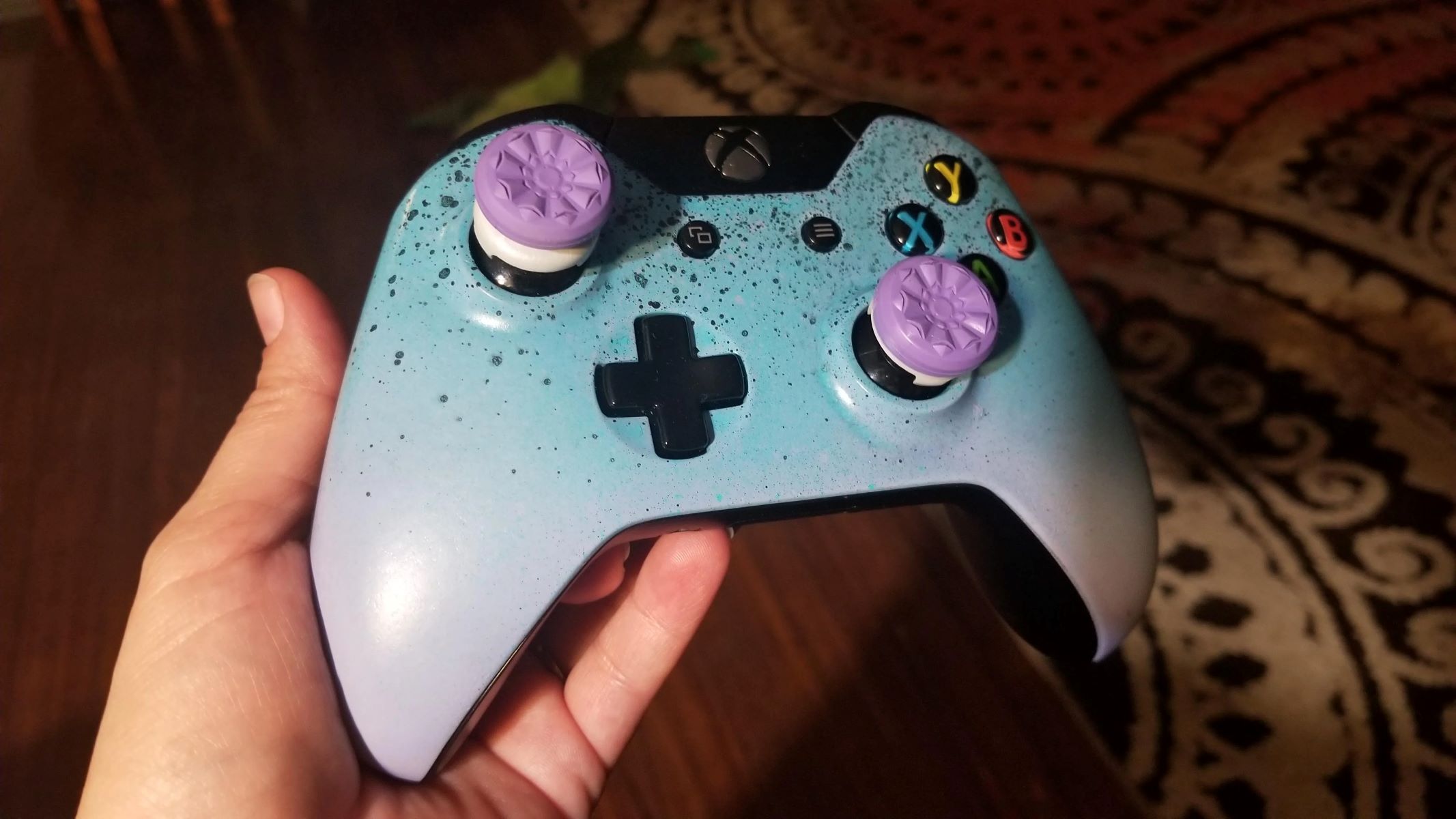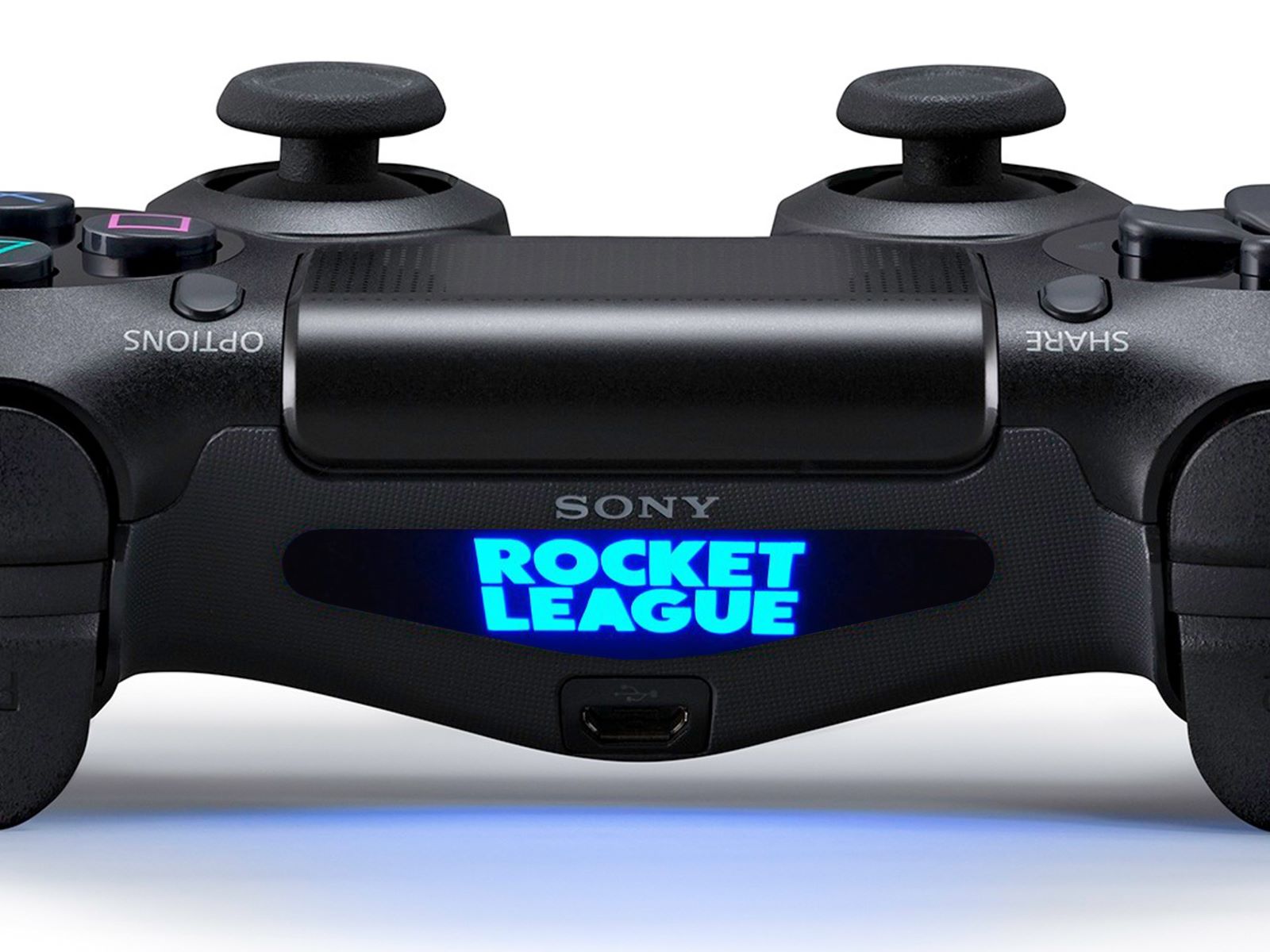
To get the most out of Rocket League, your **rocket league controller settings** need to be dialed in for minimal input lag and maximum responsiveness, not just left at their defaults. The fastest path to better car control starts with a few key tweaks in your video options and control bindings, so you can react to the ball a split second sooner. Here’s exactly how to optimize your controller setup, from reducing system-level delay to remapping your most-used actions for quicker execution.
Essential rocket league controller settings for lower input lag
Input lag is the delay between pressing a button and seeing your car react, and it’s often the difference between a clean save and a whiff. The most impactful change you can make is to disable V-Sync in the game settings; while it may introduce screen tearing, it significantly reduces controller input lag because the game no longer waits for the monitor’s refresh cycle. For even smoother and more responsive feel, optimize your FPS settings by limiting the frame rate just below your display's refresh rate or pushing it to double or more, which can noticeably improve input lag by keeping the render pipeline fresher. To apply this, go to the video or display settings in Rocket League and make these adjustments before you touch any controller bindings.
How to remap your controller buttons in Rocket League
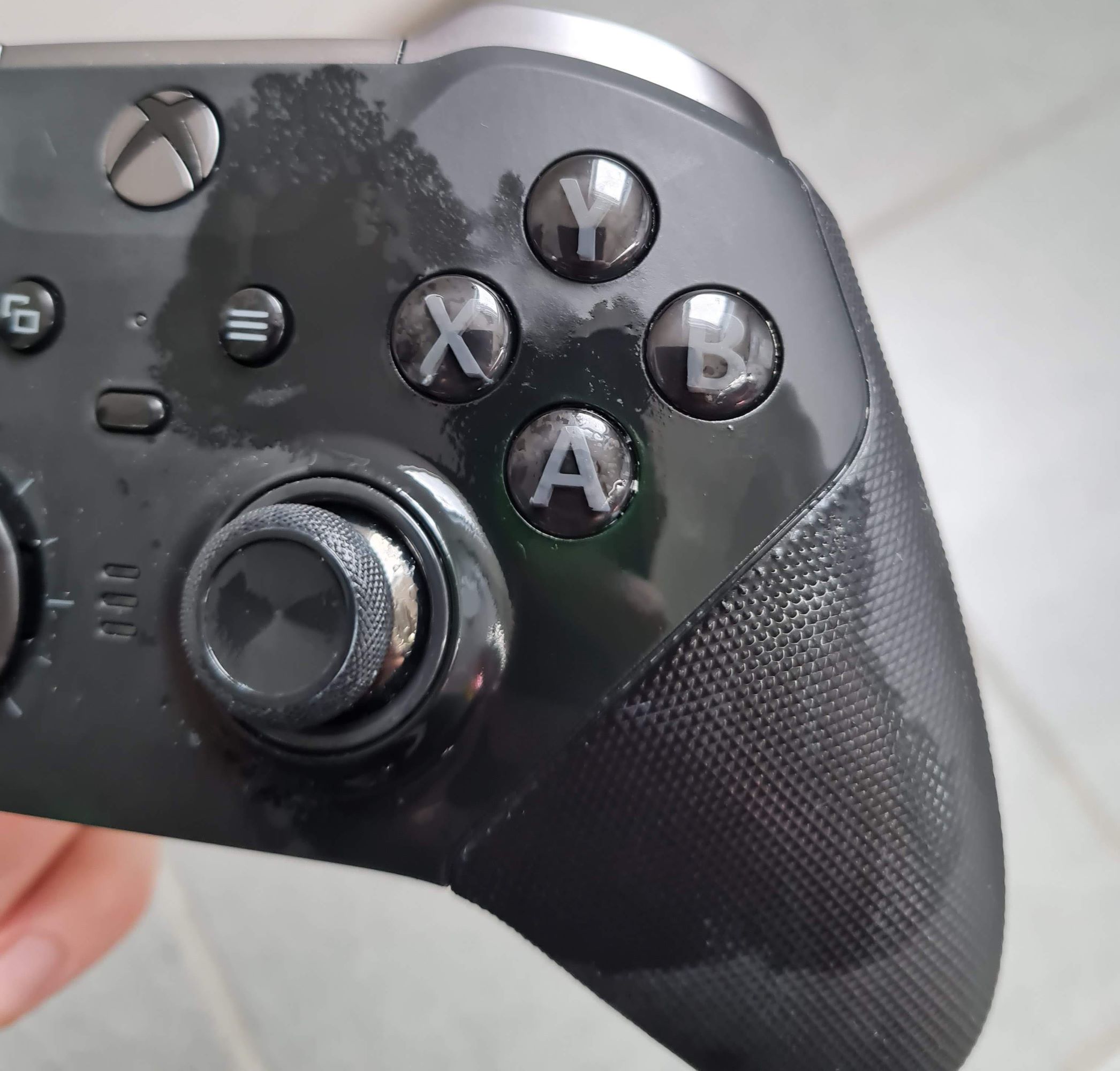
Once your game is running at a lower-latency frame rate, the next step is to put your most frequent actions on the most accessible buttons. To do this, open the main menu, go to Options, and then select the “Controls” tab. Here, you can remap boost, air roll, and other actions to optimal buttons for faster execution, for example, moving boost from the face button (like Circle) to a bumper or trigger so you can jump and boost simultaneously without sliding your thumb. This is why you’d want to remap your controller buttons in Rocket League: it allows you to keep your fingers on the triggers and bumpers, drastically reducing reaction time for aerial challenges and fast recoveries.
Adjusting deadzone and sensitivity for precise car control
After remapping, you’ll want to fine-tune how your analog sticks translate to in-game movement. The deadzone is the amount of stick travel that registers no input; a higher deadzone eliminates stick drift (where the car turns on its own) but makes small corrections feel mushy, while a lower deadzone gives you more finesse but can cause drift on worn controllers. Next, calibrate steering and aerial sensitivity, these control how fast your car turns or rolls when you fully push the stick.
Connecting your controller and updating drivers
Before you can use any of these settings, you need to make sure your controller is properly connected and recognized by your system. For the most reliable, low-latency connection, plug in your controller via USB cable directly to your PC or console, this avoids wireless interference and ensures a stable connection. If you prefer wireless, pair it via Bluetooth (on PC) or the console’s native wireless protocol, but be aware that wireless can add a few milliseconds of delay. This is a basic setup step, but it’s why you’d want to connect your controller and update drivers: outdated or missing drivers can cause random disconnects, unregistered inputs, or even prevent the game from recognizing your controller at all. Once your controller shows up in Rocket League’s “Controls” menu, you’re ready to apply the settings above and start practicing your new, faster setup.
\nRelated reading: How To Use A Game Controller On SSF2, How To Use A Game Controller On Roblox, and How To Use Both Keyboard And Game Controller In GTA V.