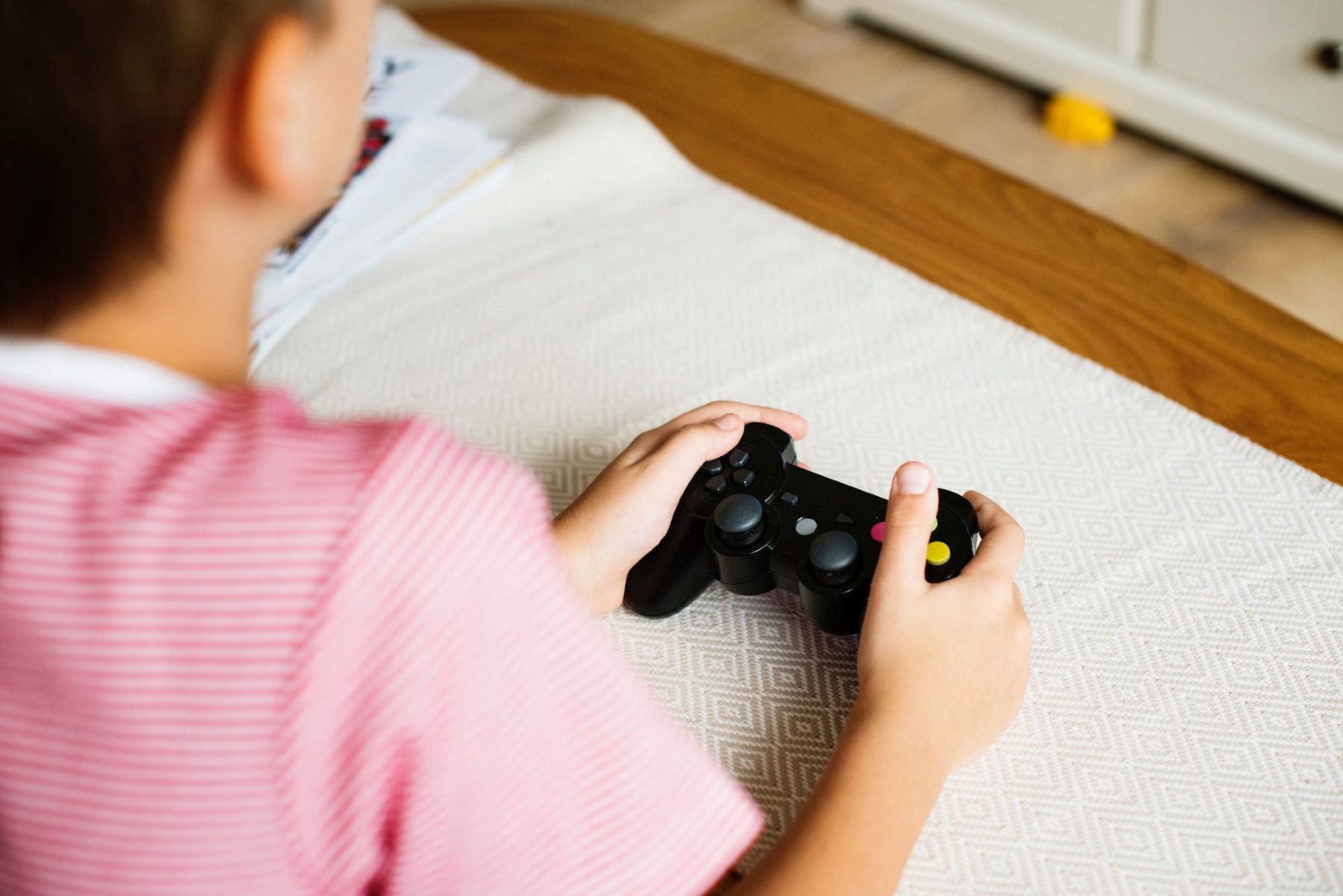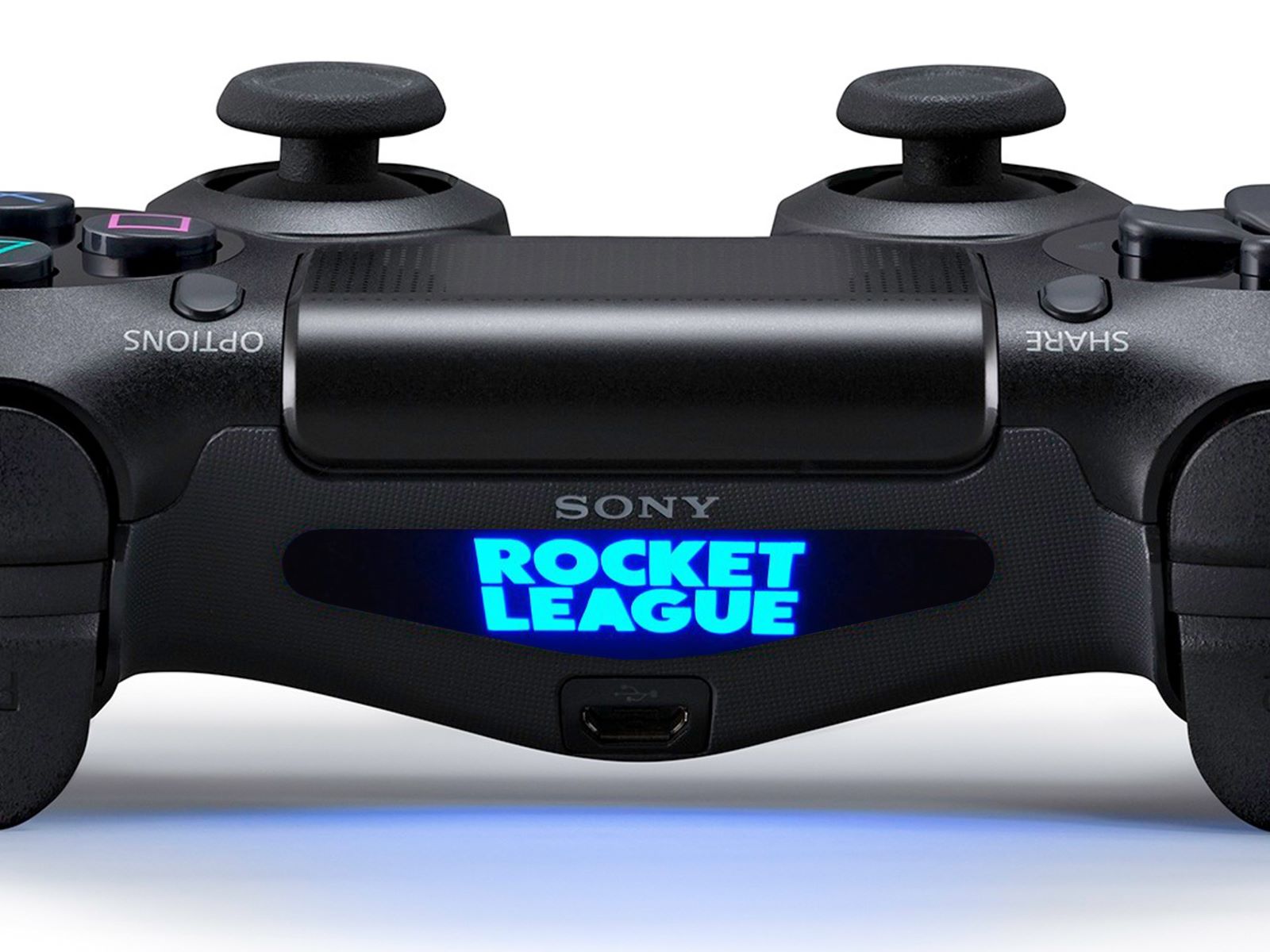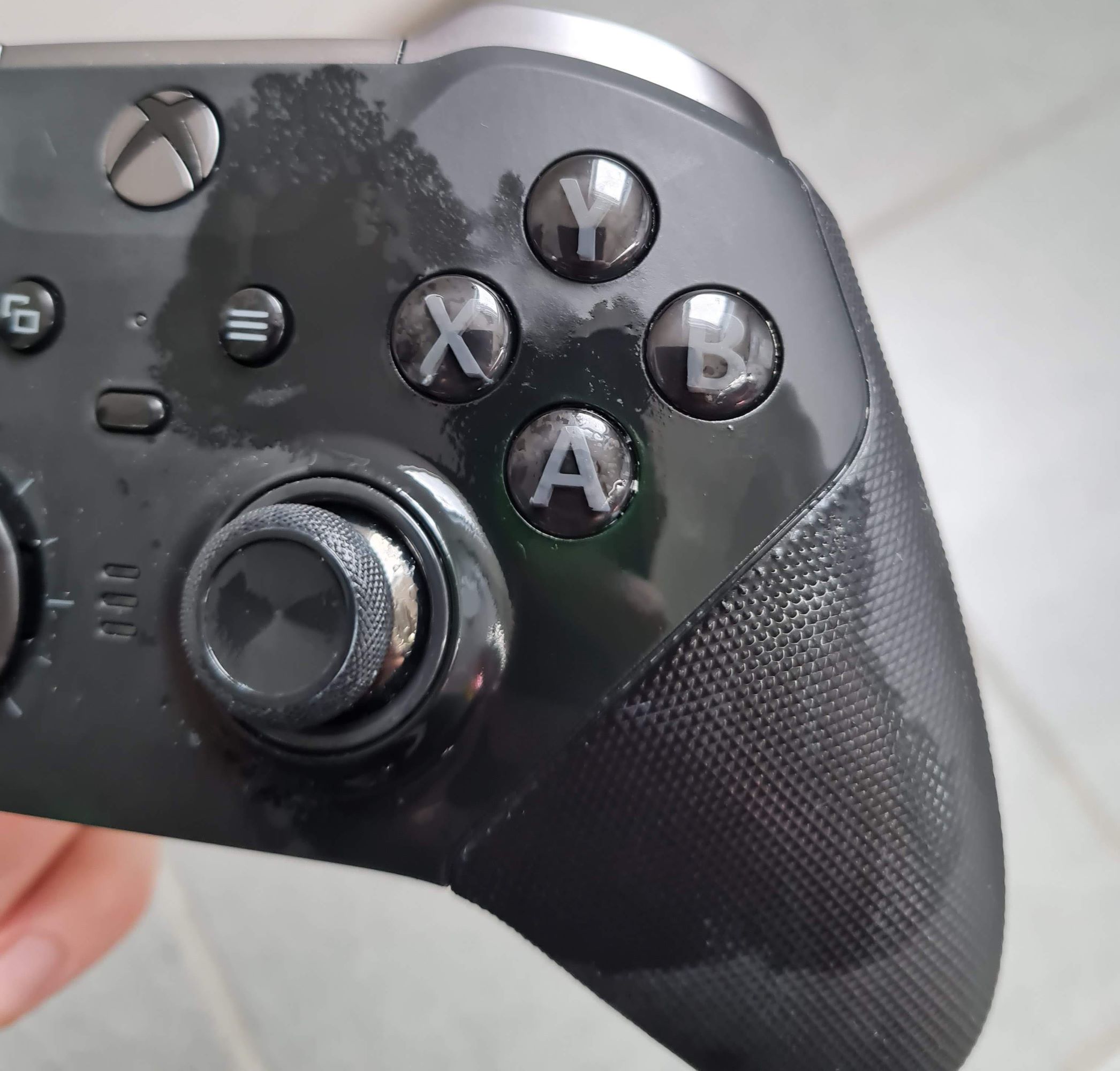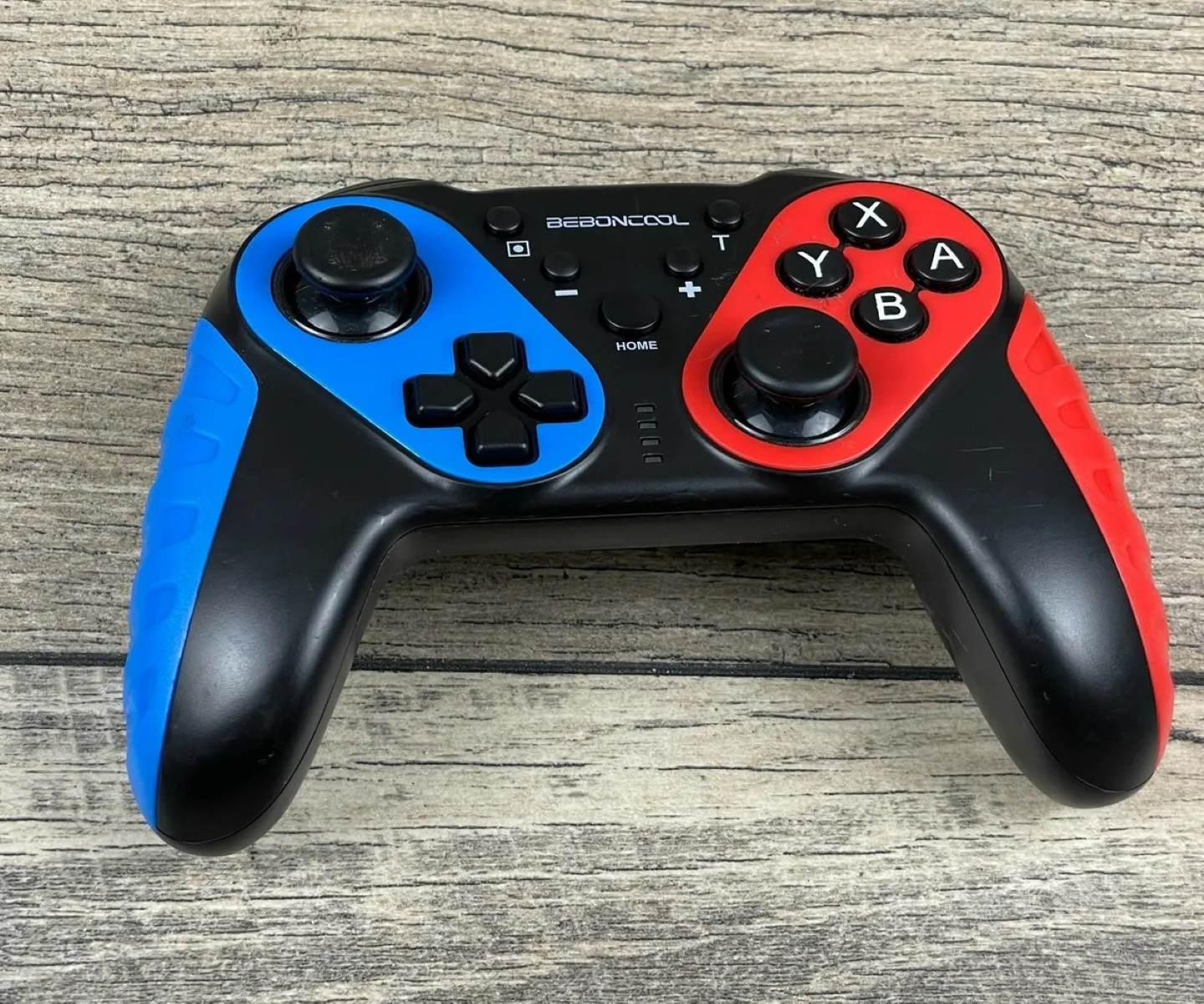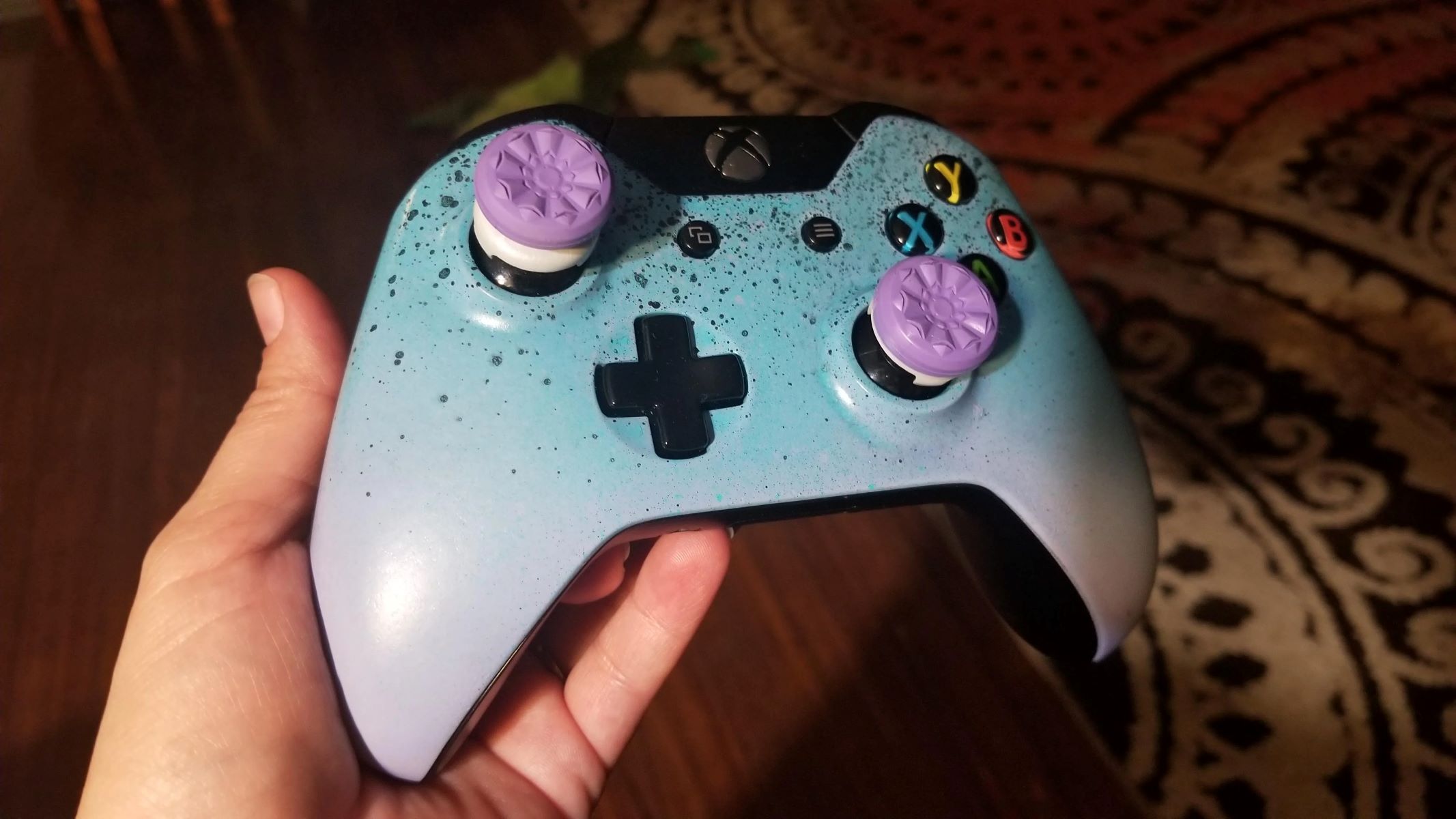
To professionally paint a game controller, you need to master surface preparation, layered painting, and a durable clear coat, all while accepting that your DIY work will almost certainly void the manufacturer's warranty. The payoff is a custom controller that looks factory-made, feels smooth under your thumbs, and survives years of intense gaming sessions without chipping or peeling.
Before you professionally paint a game controller: know the warranty risks
Opening your controller and applying paint will void the original manufacturer's warranty in nearly every case. Sony’s warranty for PlayStation 5 consoles allows panel removal and repainting only if the serial number and seal stay intact, but that exception does not extend to controllers. Microsoft takes a slightly different stance: Xbox has stated that opening a controller for repair will not void the warranty if no damage is done during the process, but painting still falls outside that allowance. If you want a custom-painted controller without losing your coverage, consider a third-party service that sells pre-painted controllers with its own warranty, such as AimControllers, ColorWare, SCUF Gaming, or Void Gaming. These companies back their paint jobs, AimControllers even offers a lifetime warranty on paint against peeling, fading, or discoloration from manufacturing defects, so you get the custom look without the risk of a voided warranty.
Choosing the right supplies for a durable finish
Gathering the correct supplies before you start separates a professional result from a peeling, blotchy mess. You will need a controller to customize, fine-grit sandpaper, a plastic primer made for gaming controllers, acrylic or enamel paint in your chosen colors, a set of fine paintbrushes, high-quality painter's tape, a 2K automotive-grade clear coat, protective gloves, and a well-ventilated workspace. Skimping on either one means you will either repaint within months or breathe in harmful fumes.
Preparing the controller for paint
Preparation determines whether your paint job lasts or fails, so take your time with every step. Begin by disassembling the controller completely, remove the shell, triggers, bumpers, joysticks, and any internal boards you can safely detach. Wash all plastic parts with mild detergent and warm water to remove skin oils and residue, then dry them thoroughly. Next, wet-sand every surface you plan to paint with fine-grit sandpaper, using light pressure to create a uniform matte texture; this gives the primer something to grip. Rinse the parts again and wipe them down with rubbing alcohol on a lint-free cloth to eliminate sanding dust. Mask off any areas that must stay unpainted, such as the sync button, headphone jack, or LED windows, using high-quality painter's tape pressed firmly along the edges. Finally, apply a thin, even layer of plastic adhesion promoter across all sanded surfaces, let it flash off per the manufacturer's instructions, and follow with your plastic primer. This two-step bonding process is the difference between paint that stays put for years and paint that lifts off in sheets.
Applying the base coat like a pro
With the primed surface ready, you can start laying down color. Hold the spray can or airbrush about six to eight inches from the controller and apply the base coat in multiple light, even passes, sweeping across the surface rather than holding still. The goal is thin, translucent layers that build up gradually, never a single thick coat, which will drip, sag, or leave visible brush strokes. Let each coat dry completely before adding the next, following the paint manufacturer's recommended drying times; rushing this stage is the most common cause of a ruined finish. After three to four coats, inspect the controller under bright light for any thin spots or uneven coverage, and touch up those areas with another light pass. A perfectly even base coat gives your custom design a clean canvas and prevents the primer from showing through later.
Adding custom designs and details
Once the base coat is fully cured, you can bring your design to life. Sketch your layout on paper first so you know exactly where each element will sit on the controller's curves and contours. For freehand details, use fine brushes with a steady hand, building up color in thin layers to avoid blobs. For sharp lines and geometric patterns, cut stencils from painter's tape or use the tape itself to mask off sections, pressing the edges down firmly to prevent paint bleed. When layering multiple colors, always let each one dry completely before applying the next, and use the tape to protect already-painted areas from overspray. Patience and precision matter more than speed here, a small mistake is easy to fix with a fine brush and some matching paint, but rushing will force you to strip and restart the whole project.
Sealing your work with a clear coat
The clear coat is what transforms a decent paint job into a professional one, protecting your design from hand oils, sweat, and the constant friction of your fingers against the grips. Use a 2K automotive-grade clear coat, which contains a hardener that creates a tougher, more scratch-resistant finish than standard spray clear coats. Apply it in multiple light coats just like the base paint, waiting for each layer to become tacky before adding the next. Two to three thin coats are usually enough, but if you want extra protection on high-wear areas like the thumbsticks and triggers, you can add a fourth. After the final coat, place the controller in a clean, dust-free area and let it dry completely; do not touch it until the clear coat has hardened to the touch, and keep it away from humidity and temperature swings during this phase.
Reassembly and final curing
Do not rush to put your controller back together as soon as the clear coat feels dry to the touch, that surface dryness hides a soft layer underneath. When the clear coat has fully hardened, carefully remove all painter's tape and stencils, then reinstall every component in the reverse order of disassembly. Make sure each screw is snug but not overtightened, and that all clips and connectors seat properly. After reassembly, test every button, trigger, joystick, and the D-pad to confirm full functionality; if anything sticks or feels off, reopen the controller and adjust the fit. Once everything works smoothly, your custom-painted controller is ready for action, a one-of-a-kind piece that reflects your style and holds up to the demands of competitive play.
\nRelated reading: What Do Letters On A Game Controller Mean, How To Set Up A Game Controller For PC For Fallout 4, and How To Use A Game Controller On SSF2.