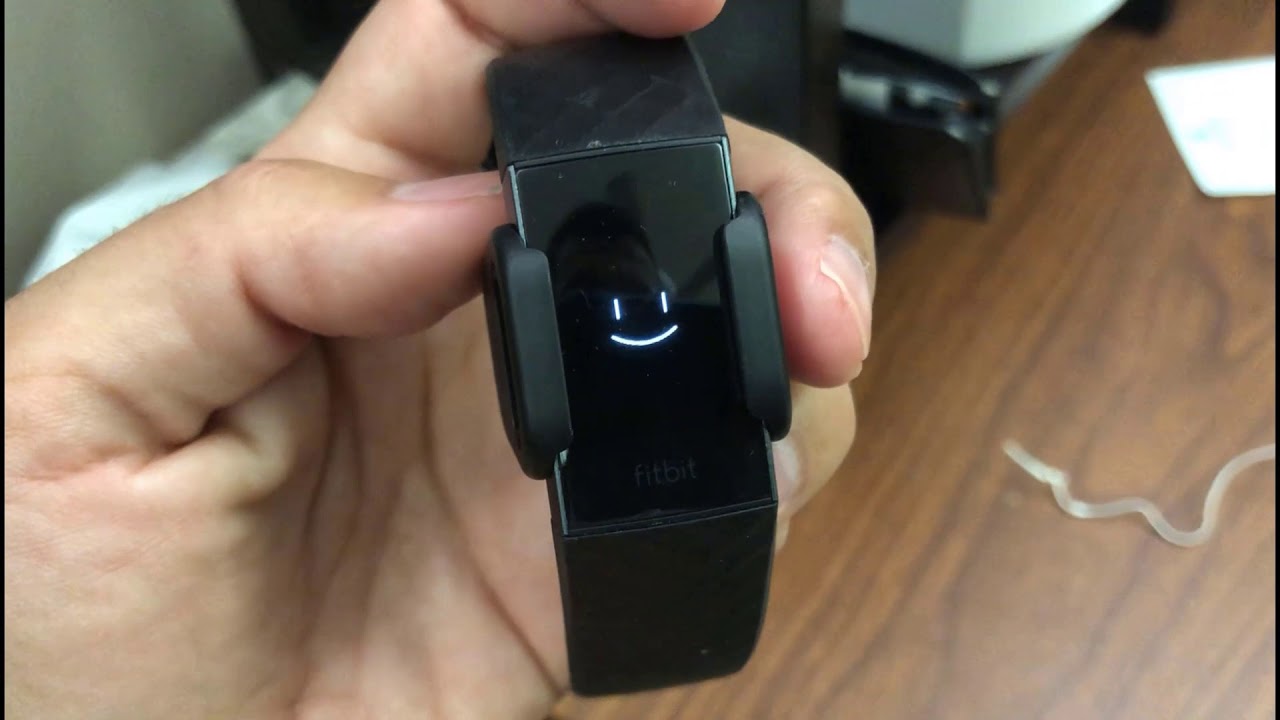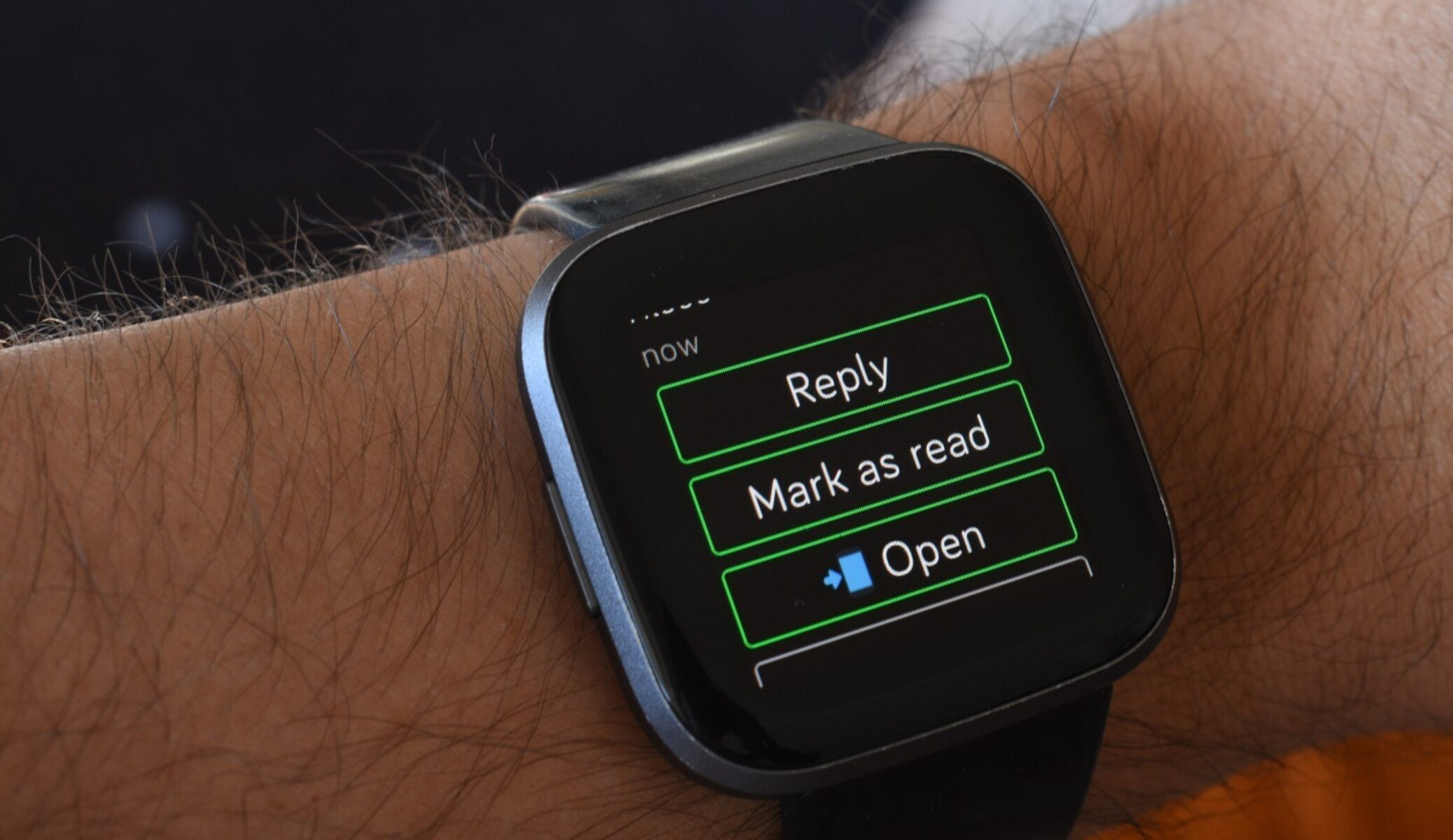
If your Fitbit is not vibrating for messages, the most common culprits are accidentally enabled Do Not Disturb or Sleep Mode, misconfigured notification settings, or an unstable Bluetooth connection. This guide walks you through each fix, from quick settings toggles to deeper troubleshooting, so you can get your wrist buzzing again.
Turn off do not disturb and sleep mode
The quickest fix is often the most overlooked. Swipe down from your Fitbit's clock face to open the quick settings panel. Look for two icons: a moon (Sleep Mode) and a circle with a minus sign (Do Not Disturb). If either is highlighted or active, tap it to turn it off. On some models, you may need to press and hold the side button to access these settings. Disabling these modes immediately restores vibration for incoming messages, as they are designed to silence all alerts.
Check your Fitbit app notification settings
Your Fitbit's vibration for messages depends on the settings in the companion app. Open the Fitbit app on your phone, tap your profile picture or account icon, then select your device. Tap "Notifications" and confirm that "Calls," "Text Messages," and "App Notifications" are all toggled on. A key detail: only one messaging app can be selected to send text notifications to your Fitbit at a time. If you have multiple messaging apps installed, ensure the correct one is chosen under "Text Messages." This prevents conflicts and ensures your preferred app triggers the vibration.
Test the vibration motor and adjust intensity
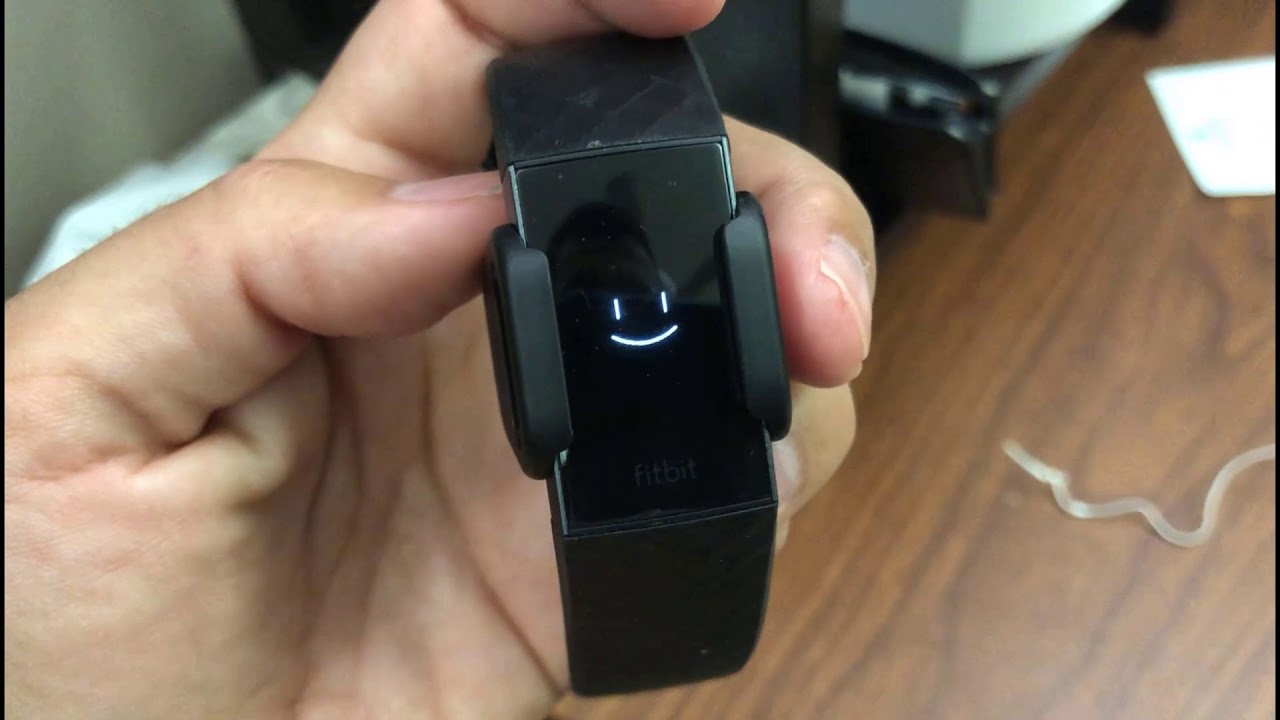
Before diving into software, confirm the hardware works. Set an alarm in the Fitbit app or use the stopwatch or timer function directly on your device. If the alarm vibrates, the motor is functional. Plugging the device into its charger should also cause a vibration on many models. If the motor works but the buzz feels weak, some Fitbit models (like the Sense 2, Inspire 3, Charge 5, Charge 6, and Google Fitbit Air) allow you to adjust vibration intensity. Go to your device's settings, look for "Vibration & Audio" or "Vibrations," and select a stronger option like "Strong" or "High." If your device doesn't vibrate at all during these tests, start by troubleshooting why your Fitbit no longer vibrates. Once the motor is confirmed working, you can focus on making your Fitbit vibrate specifically for notifications. This ensures you don't miss a notification.
Verify Bluetooth and restart your device
A stable Bluetooth connection is essential for notifications. Ensure Bluetooth is enabled on your phone and that your Fitbit is within 20-30 feet of it. If the connection seems weak, toggle Bluetooth off and on again on your phone. Next, restart your Fitbit to clear temporary software glitches. To restart, navigate to your device's settings, find the "Restart" or "Reboot" option, and confirm. This refreshes the system and often resolves the issue without needing further steps.
Update software and check the battery
Outdated software can cause notification failures. Open the Fitbit app, go to your device settings, and check for app updates. If a firmware update is available for your device, install it. These updates often include fixes for vibration and notification bugs. Also, ensure your Fitbit has sufficient battery charge. A critically low battery can cause the device to conserve power by disabling vibrations. If the battery is low, charge it fully and test the notifications again. This ties into broader Fitbit setup and syncing best practices, as keeping both the app and device updated prevents many common issues.