This smartwatch troubleshooting guide provides model-specific, step-by-step instructions to fix the most common malfunctions, including battery drain, connectivity issues, and frozen screens. Start with your device below to resolve the problem quickly.
Smartwatch troubleshooting guide: start here
Every smartwatch model handles restarts, resets, and repairs differently. This guide organizes fixes by device so you can jump directly to the solution for your Apple Watch, Samsung Galaxy Watch, Google Pixel Watch, or Fitbit. If your watch won't pair with your phone, revisiting your smartwatch setup can often resolve a corrupted initial connection. Whether your screen is frozen, your battery is draining fast, or your watch won't pair with your phone, the answer is here.
Quick restart and force restart by model
A standard restart clears minor software glitches and slow apps without losing your data. A force restart is for when the screen is frozen or unresponsive. Use the method for your specific model.
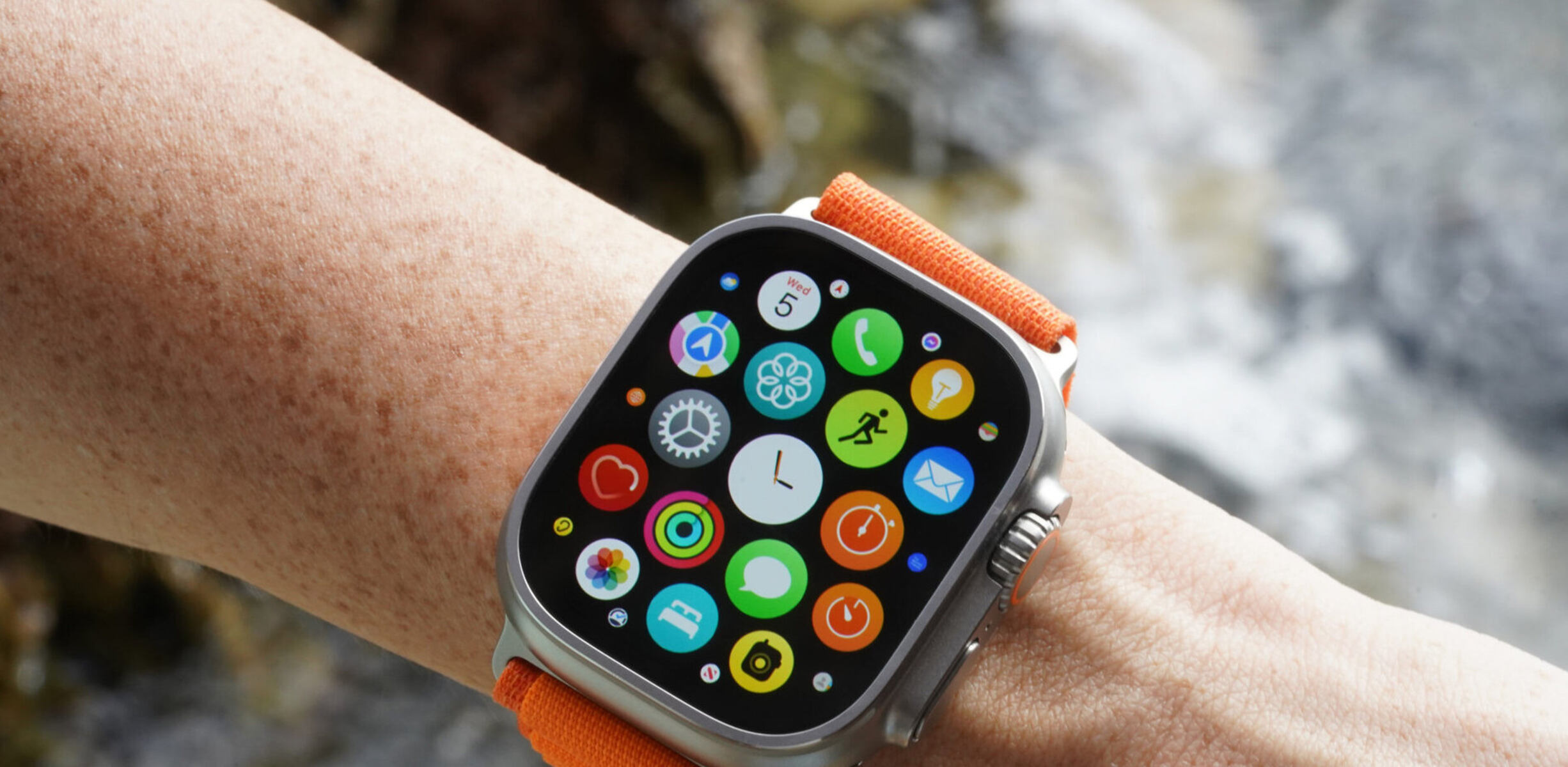
Apple Watch
- Press and hold the side button until the "Power Off" slider appears.
- Drag the slider to turn the watch off.
- Press and hold the side button again until the Apple logo appears to turn it back on.
For a force restart on an unresponsive or frozen Apple Watch, simultaneously press and hold both the side button and the Digital Crown for at least 10 seconds until the Apple logo appears.
Samsung Galaxy Watch
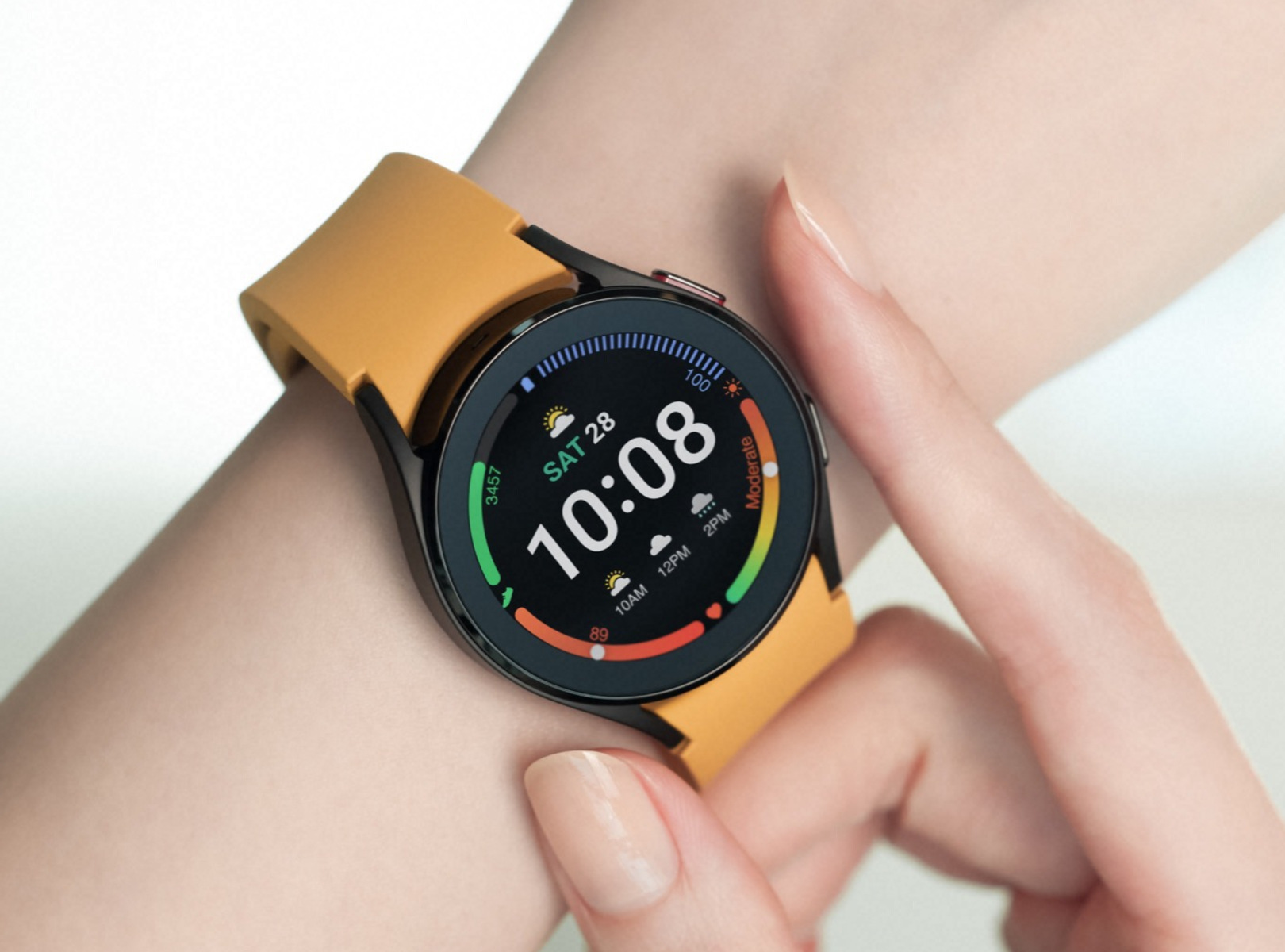
If the watch is frozen and unresponsive, press and hold the Home key (Power key) and Back key simultaneously for more than 7 seconds to force restart it.
Google Pixel Watch
To restart a Google Pixel Watch if it freezes, press and hold the crown for 3 seconds, then tap "Restart" on the screen.
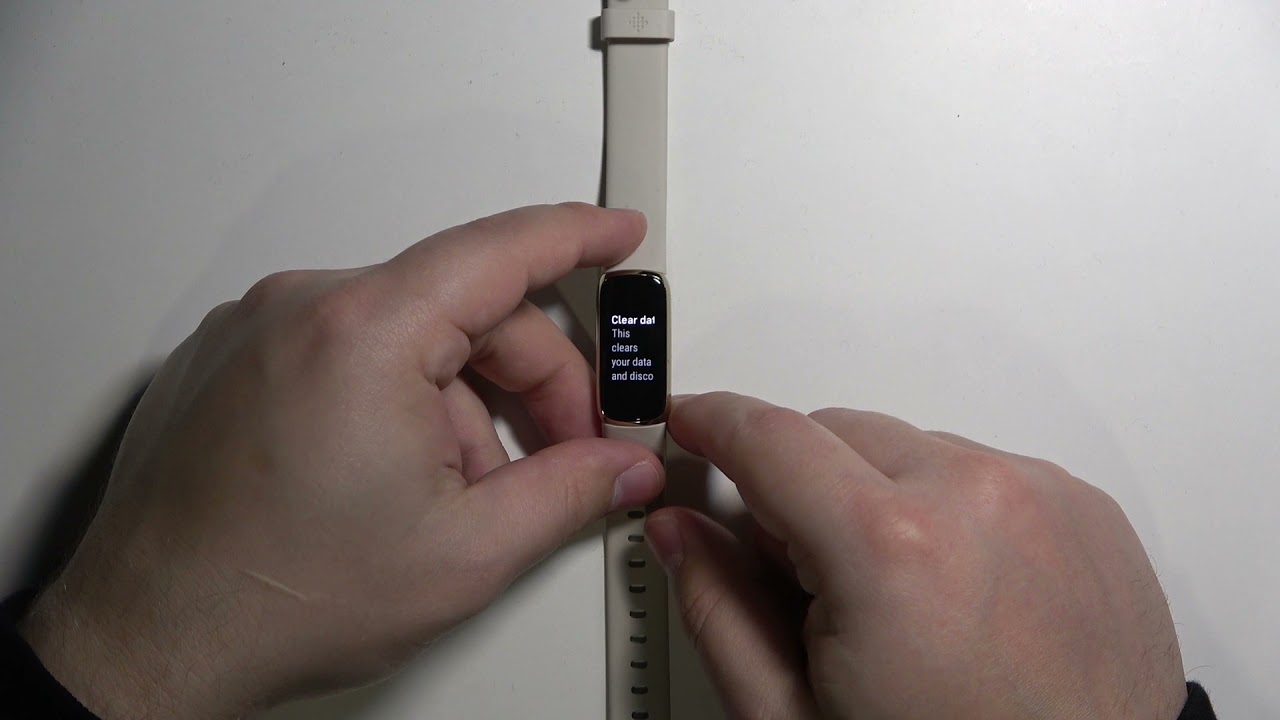
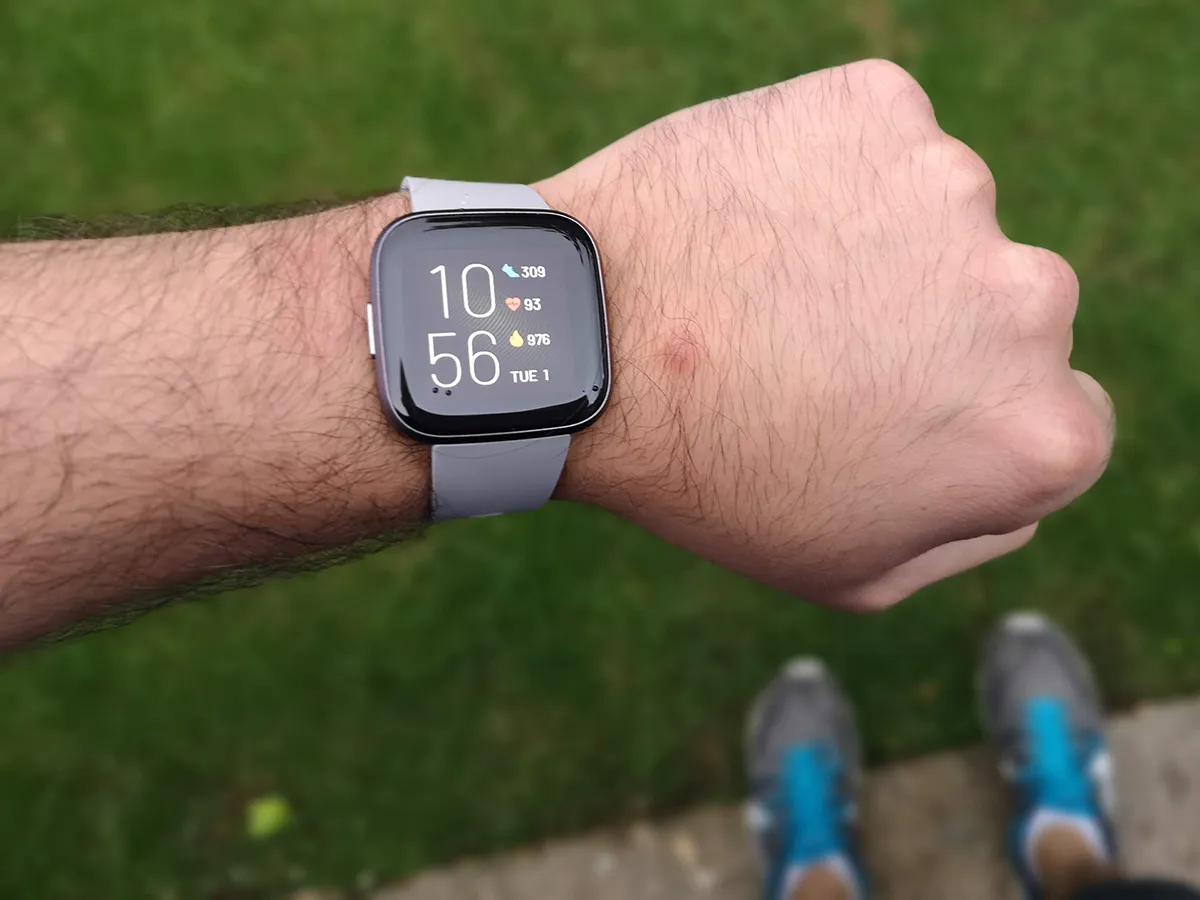
Fitbit
If a Fitbit device is unresponsive, connect it to its charging cable and press the button on the flat end of the charger three times with one-second pauses, then wait 10 seconds for the Fitbit logo to appear.
Battery drain and charging problems
Rapid battery drain often comes from power-hungry apps, high screen brightness, or background activity. Start by reviewing your watch's settings and enabling power-saving modes. Adjust screen brightness, disable unused features, and minimize notifications to conserve battery life.
If your watch charges slowly or shows inconsistent battery percentages, inspect the charging cable, connectors, and charging port for debris, damage, or loose connections. Only use manufacturer-approved chargers, batteries, and cables specifically designed for your smartwatch model, as unapproved accessories can cause damage or improper charging.
Software updates from manufacturers often include battery optimization and power management improvements. Ensure your smartwatch's firmware is up to date to leverage these enhancements.
Connectivity and pairing fixes
Connectivity issues can prevent your watch from receiving notifications or syncing data. For Bluetooth and Wi-Fi problems, first ensure that both settings are enabled and properly configured. Minimize signal interference from other electronic devices and keep your watch within optimal range of your phone or network.
For Google Pixel Watch pairing issues, ensure the watch battery is fully charged, both devices are updated, Bluetooth is on, and the phone is within 0.5 meters (1.6 ft) of the watch for Fast Pair. If a Samsung Galaxy Watch will not connect or randomly disconnects, restart both the watch and the smartphone, and ensure the Galaxy Wearable app is up to date. If the watch fails to maintain a stable connection, try unpairing and re-pairing the devices. This process is also essential during initial smartwatch setup and pairing to establish a clean connection.
Software glitches and frozen screens
Software glitches cause freezing, unresponsiveness, app crashes, or erratic behavior. Start by reviewing installed apps and uninstalling or disabling any that cause conflicts or excessive resource consumption. Clearing the cache of individual apps or the entire system can eliminate corrupted temporary data.
Ensure your smartwatch's software is up to date, as manufacturers release updates to address known issues and improve stability. If glitches persist, a factory reset may be necessary, but back up important data first. To factory reset a Samsung Galaxy Watch via the watch, open Settings → General → Reset, and then tap Reset again to confirm. To factory reset a Google Pixel Watch via the watch, swipe down from the top of the screen, tap the Settings app, scroll to System, then tap Disconnect & reset, and confirm.
Factory reset: last resort steps
A factory reset will erase all data and settings from your smartwatch, returning it to its original state, and should be considered a last resort for persistent issues. Before proceeding, understand that this action cannot be undone.
If your Apple Watch is stuck on the Apple logo after a force restart, try unpairing and then re-pairing your devices using the Apple Watch app on your iPhone.
When to contact support
Some problems require professional evaluation rather than DIY troubleshooting. Contact support for hardware problems such as display damage (dead pixels, flickering, cracks), button failure (sticking or unresponsiveness), sensor calibration issues (inaccurate heart rate or GPS), and water resistance concerns (seals or ports compromised). These issues involve physical components that cannot be fixed through software steps or resets. A manufacturer's support team or authorized repair center can assess the damage and provide appropriate solutions.
\nRelated reading: Troubleshooting: Fixing Smartwatch Charging Issues.