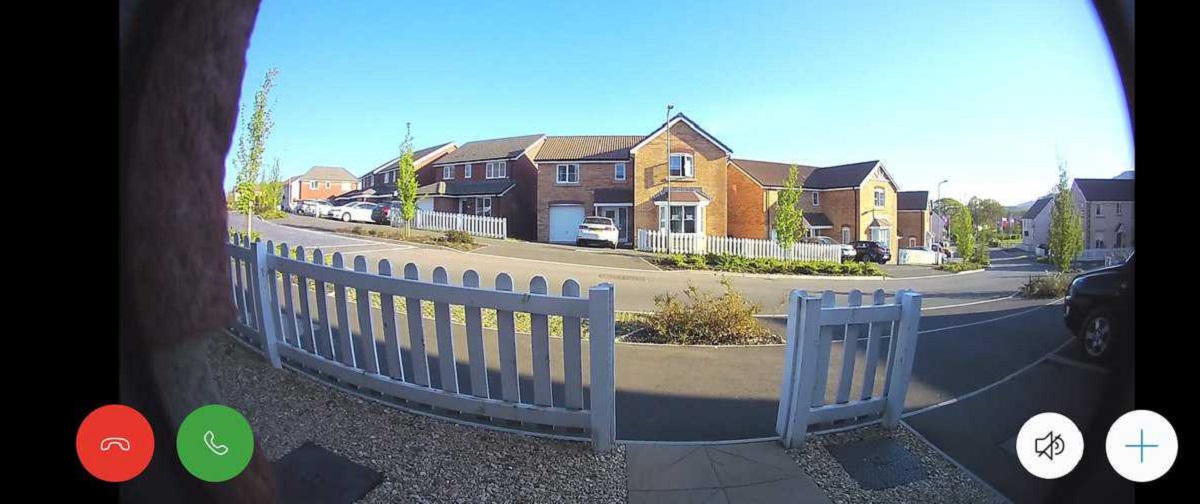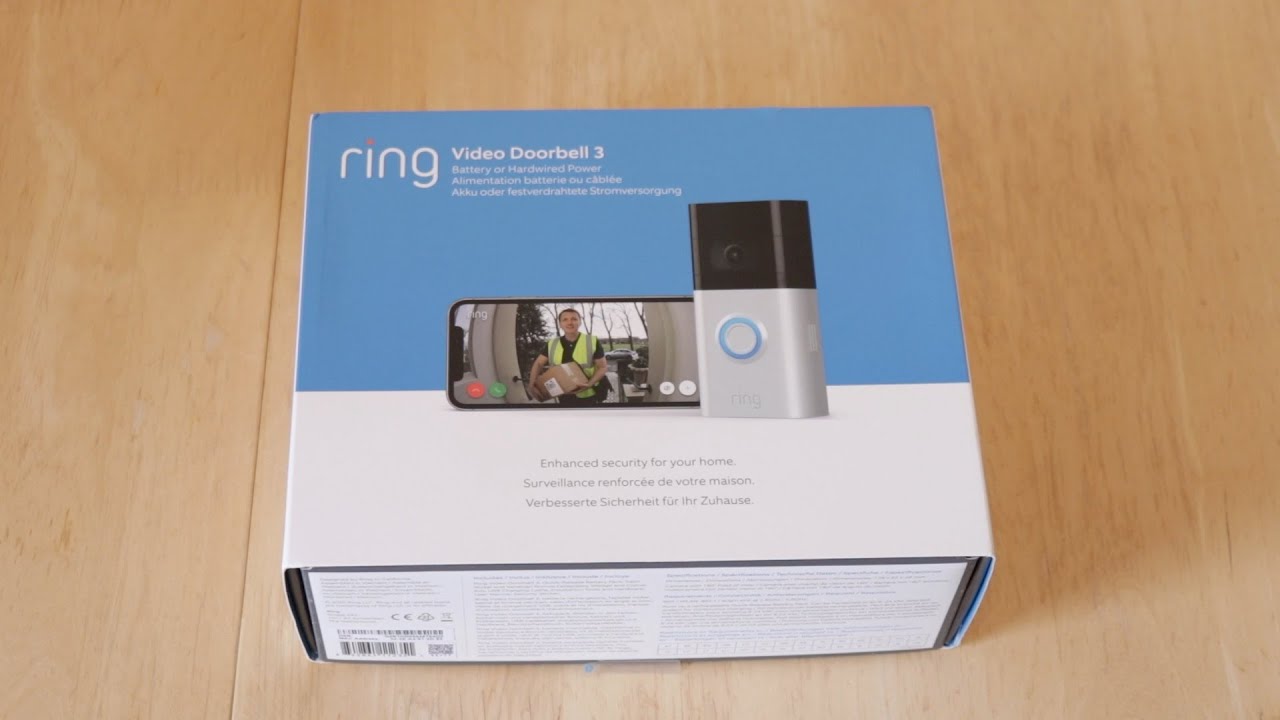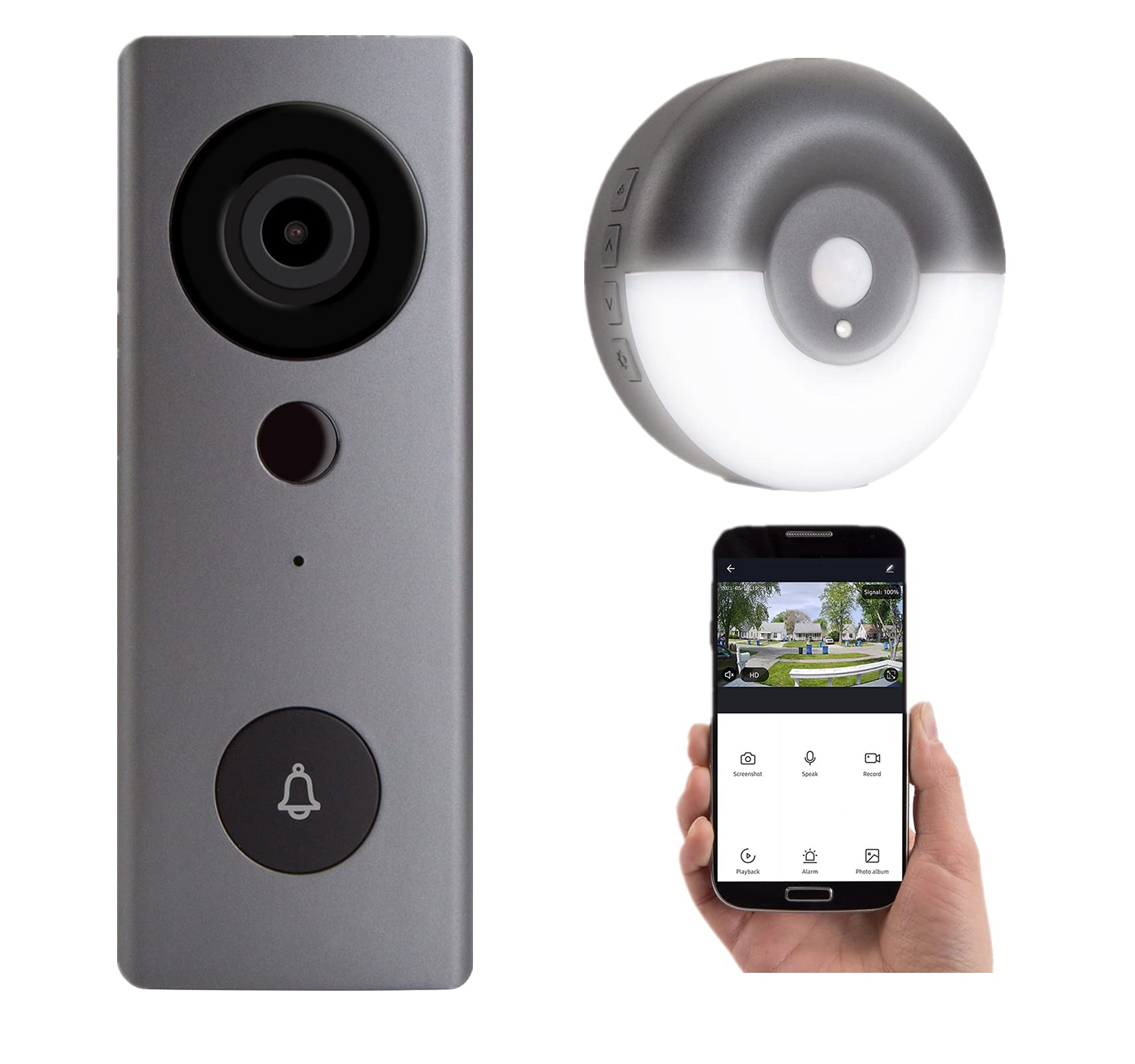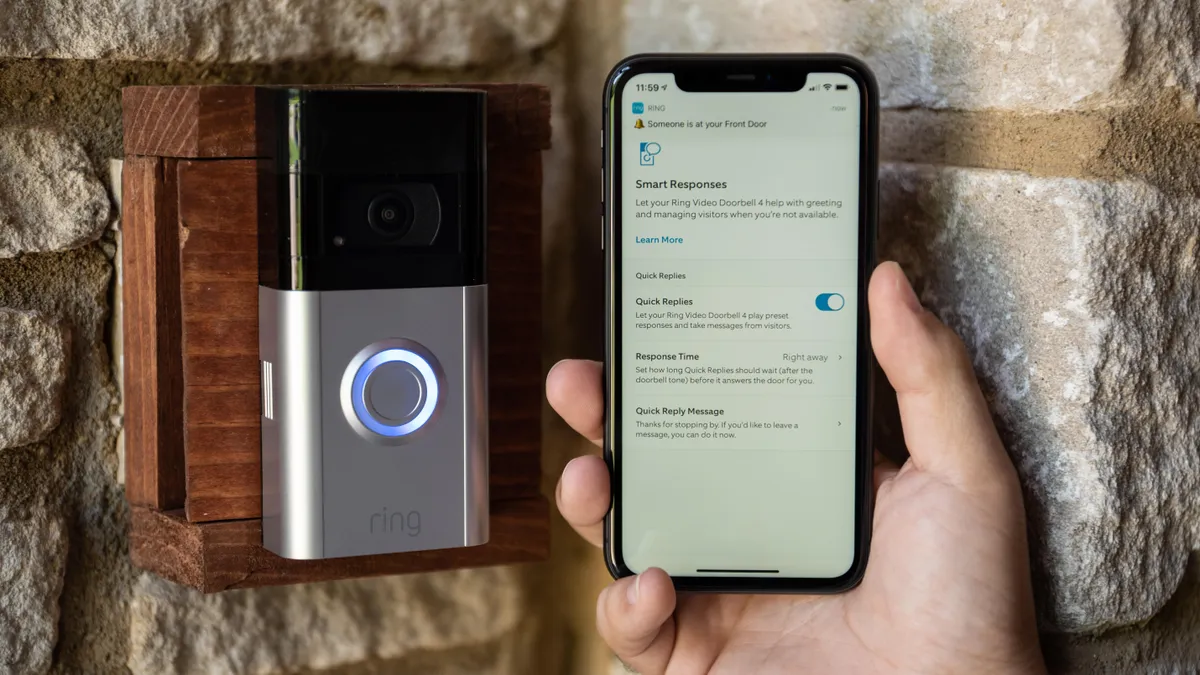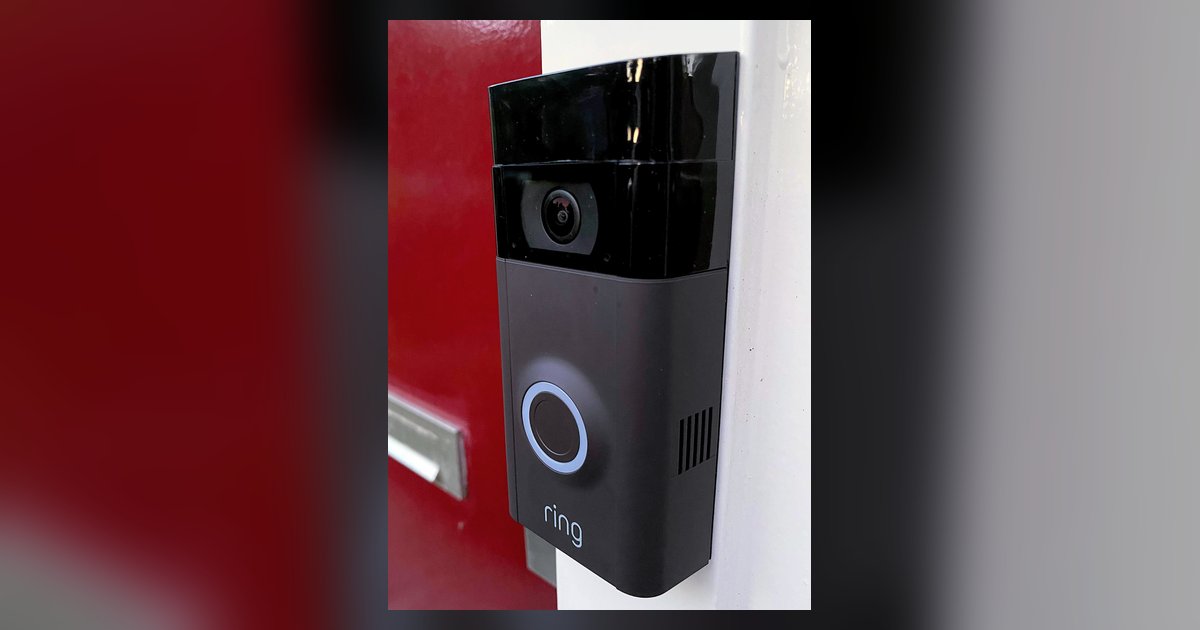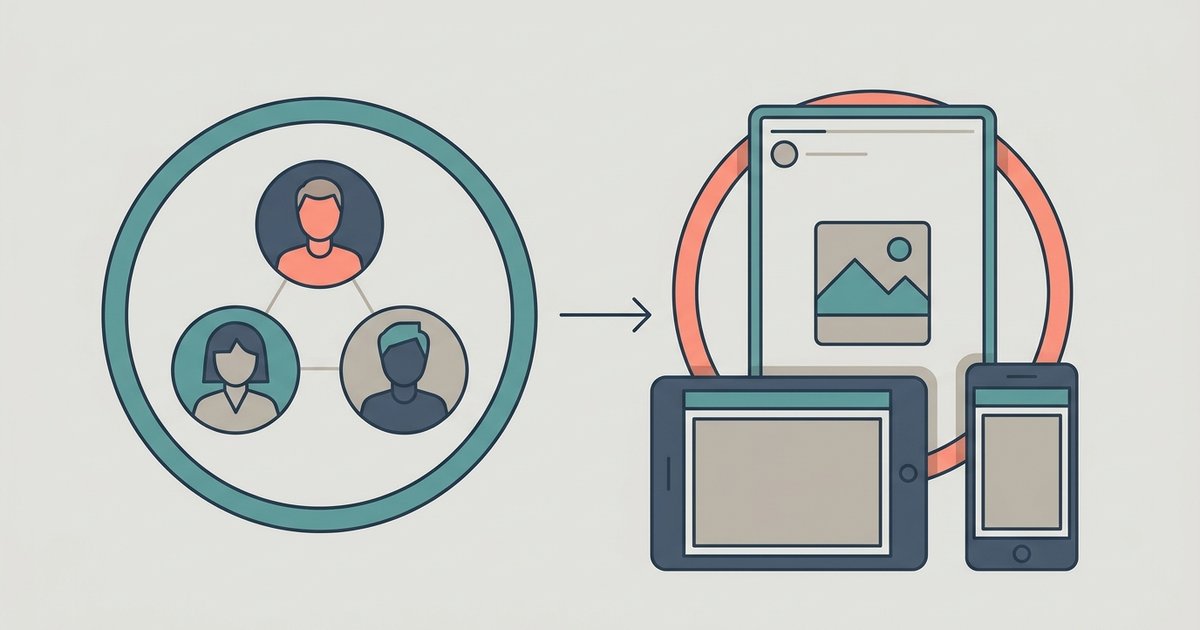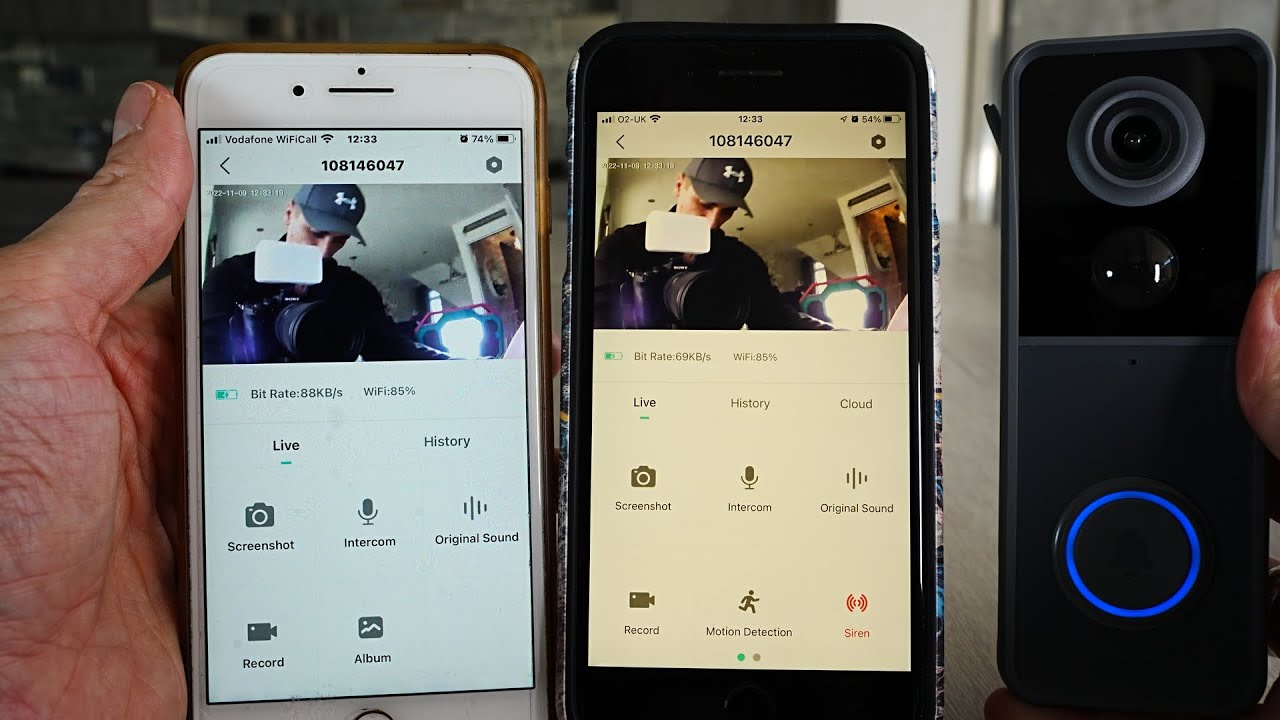
To connect a Ring Video Doorbell to multiple phones, you add each person to your Ring account as a Shared User through the Ring app. This gives them their own access to the doorbell’s live view, alerts, and two-way talk without sharing your main login.
What you need before you connect the ring video doorbell to multiple phones
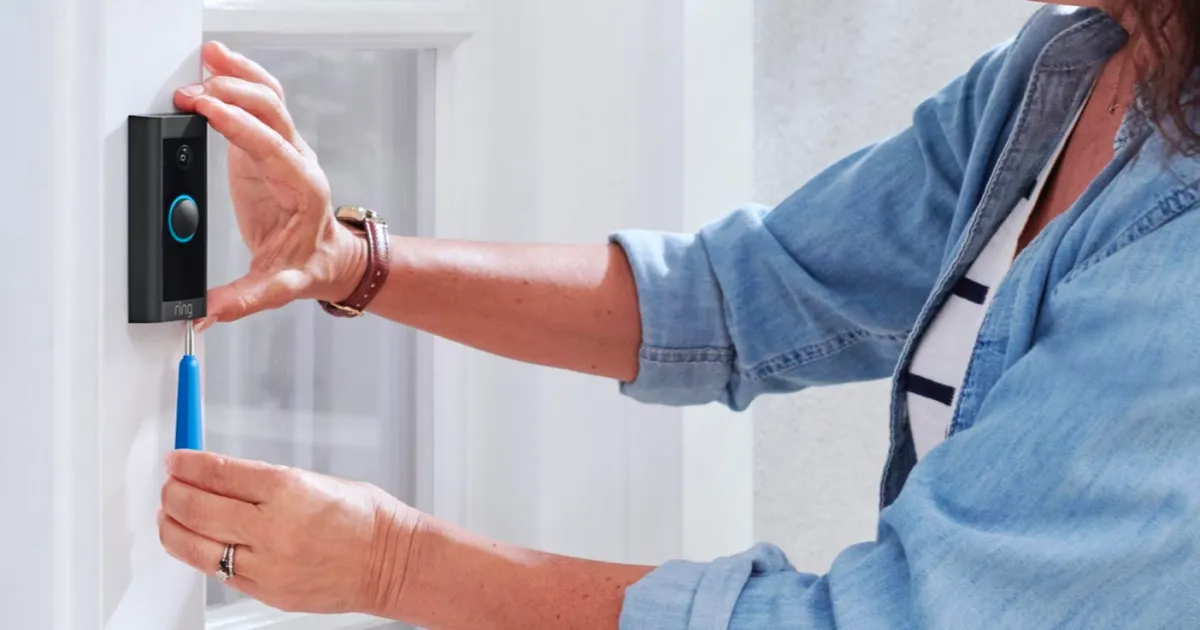
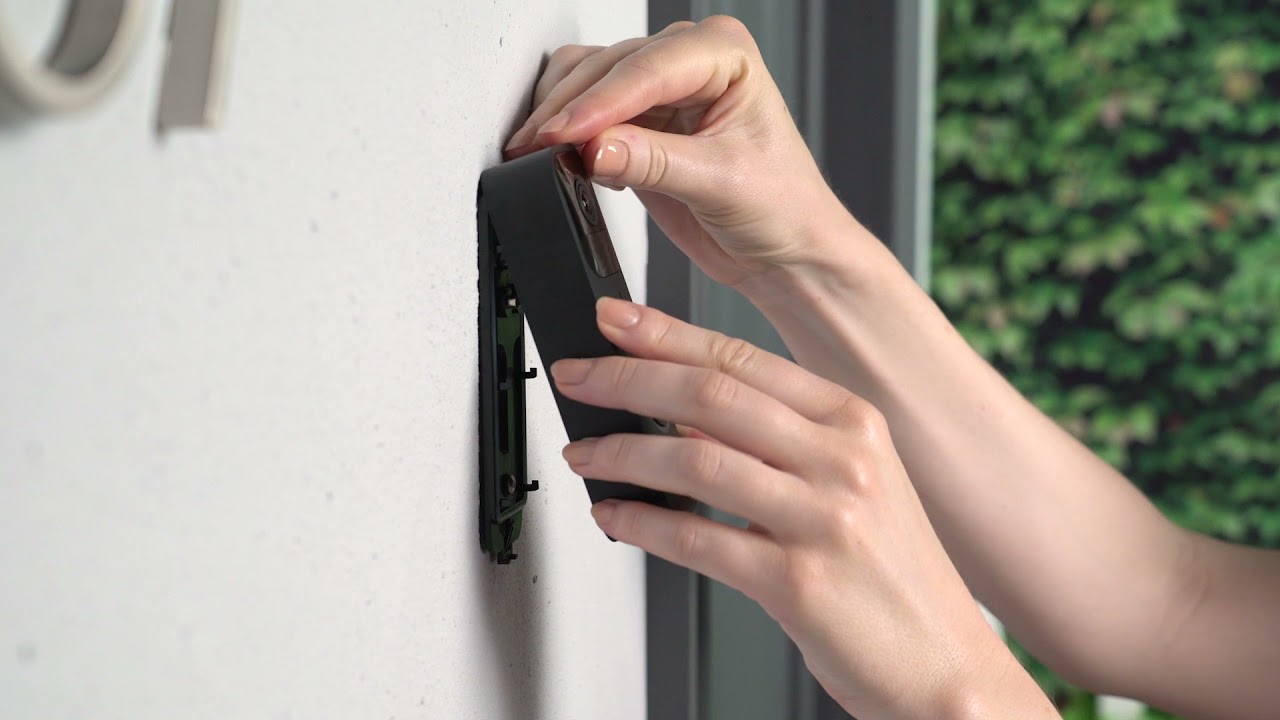
Before inviting anyone, the doorbell must already be installed and set up on the owner’s phone. If you haven't yet mounted the device, you may need to replace your existing wired doorbell with ring video doorbell first. Every person you want to add needs the Ring app installed on their smartphone or tablet, plus their own Ring account with a unique email address. Your home Wi-Fi network must be active (2.4GHz or 5GHz), Ring devices do not work with a mobile phone hotspot. You’ll also need the owner’s phone to manage the invitations and permissions.
Why you should never share your Ring account password
Sharing your Ring account password gives the other person unrestricted control over every device and setting in your account, they could delete devices, change security modes, or lock you out entirely. That’s why Ring provides the Shared User feature as the safe alternative: it lets you grant specific access to others while keeping full ownership and control in your hands.
How to invite another person as a shared user
As the account owner, open the Ring app on your phone and follow these steps:
- Go to Settings or User Permissions.
- Tap Invite User (or Add User / Add a user or pet).
- Select Shared User as the access type.
- Enter the person’s name and email address.
- Choose which Ring devices and locations they can access.
- Pick a permission level: Limited, Standard, or Advanced.
- Tap Send Invite.
The invitee will receive an email with a link to accept. Once they accept, they’ll be able to see the shared doorbell in their own Ring app.
What the invited person needs to do on their phone
After accepting the email invitation, the invited person must log into their own Ring account on their phone, not the owner’s account. They should download the Ring app if they haven’t already, then sign in with their unique email and password. Once logged in, the shared doorbell will appear in their device list. They can then test Live View, check event history, and ensure they receive motion and doorbell alerts on their device.
Understanding shared user permission levels
Ring offers three permission tiers for Shared Users, so you can tailor exactly what each person can do:
- Limited Access, Allows basic monitoring: Live View, event history, and the device dashboard.
- Standard Access, Adds control over device features and security modes. Existing Shared Users are defaulted to this level.
- Advanced Access, Grants complete system control, including managing devices, user access, and all security settings.
Regardless of the permission level, Shared Users can never delete videos, add other Shared Users, delete devices, change motion settings, or rename the doorbell. This ensures the owner retains final control over the system.
How shared users customize their own alerts
Each Shared User can independently adjust their own notification and alert settings on their smartphone, tablet, or PC, without affecting the owner’s settings. For example, one person can turn off motion alerts while another keeps them on, or set different notification sounds. This means everyone gets the alerts that matter to them, while the owner’s preferences remain untouched.
If you’re wondering how a Ring Video Doorbell is powered, the answer depends on your model, some use a built-in rechargeable battery, while others are wired to your existing doorbell transformer. For battery models, you might also ask tell when a Ring doorbell is fully charged, the Ring app shows the battery level on the device dashboard, and you’ll get a low-battery notification when it’s time to recharge. These details matter when setting up shared access, because every user needs to know the doorbell’s power state to rely on it.
Once your Shared Users are active, test the system together: have each person open the app, trigger a motion event, and answer a simulated doorbell press. This confirms that alerts, Live View, and two-way talk work correctly on every phone. With the right permissions and independent alert settings, your whole household can monitor and respond to the front door, securely and collaboratively.