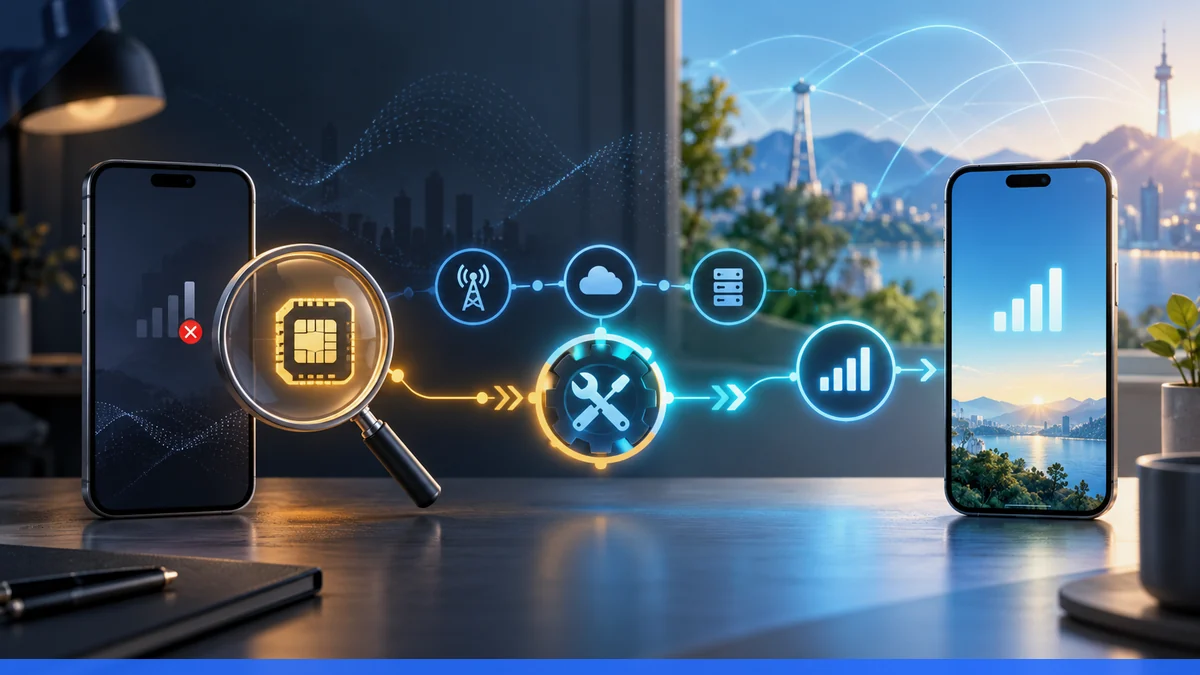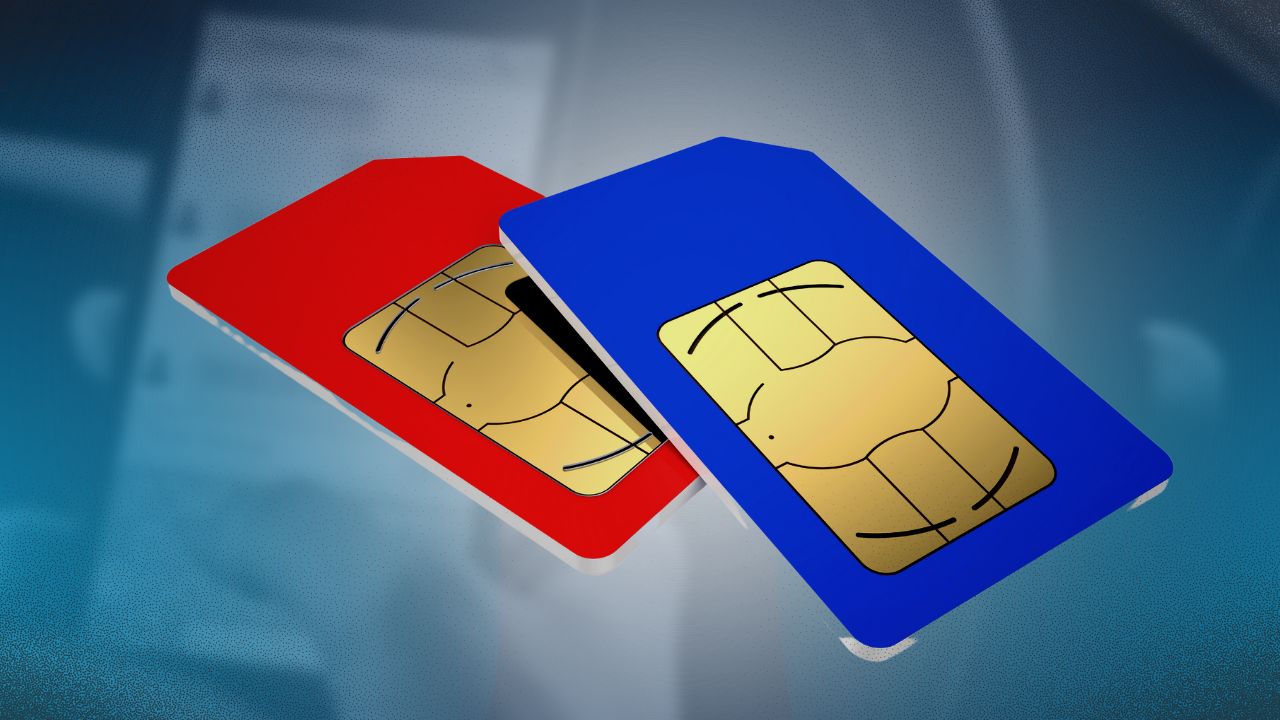
Burner SIM cards are prepaid, disposable SIM cards that provide a temporary phone number for anonymous communication, offering a practical middle ground for privacy in everyday scenarios like online selling or dating without the commitment of a long-term plan. Unlike burner apps that provide virtual numbers through software, a physical burner SIM card operates on actual mobile networks, giving you a real phone number for calls, texts, and data until you choose to discard it.
What are burner SIM cards
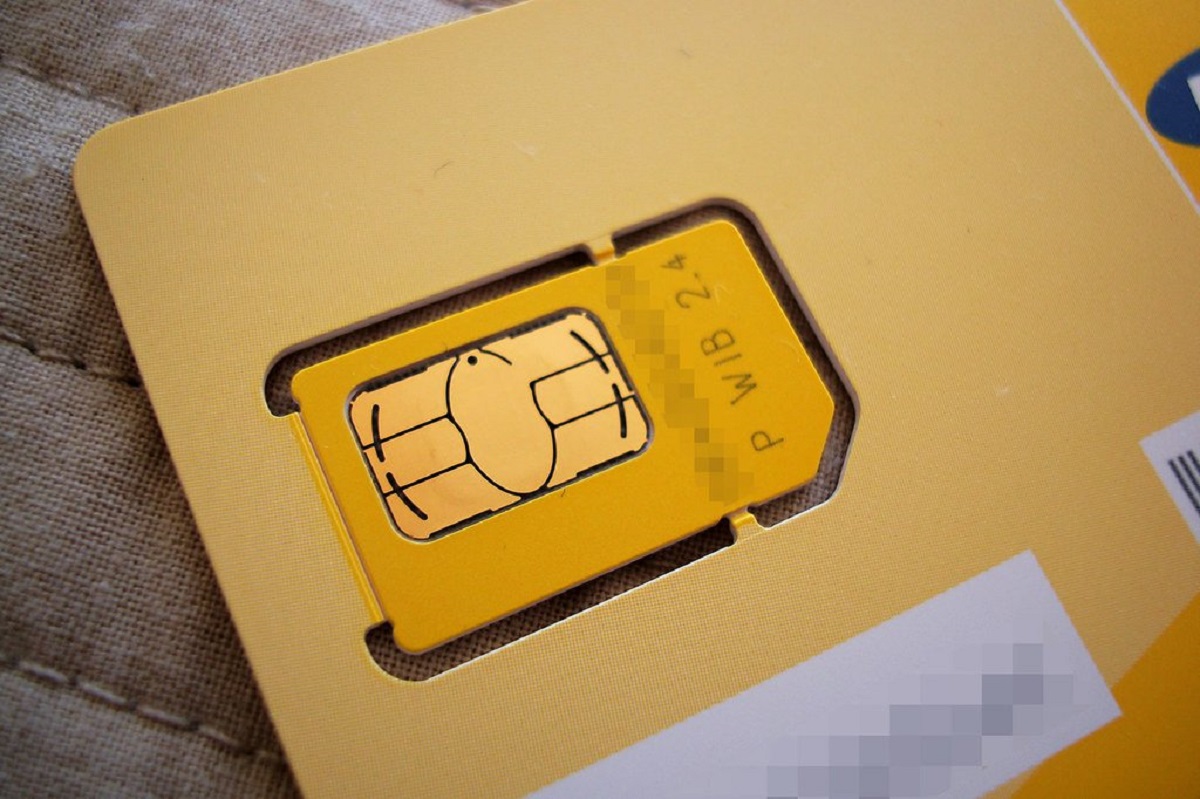
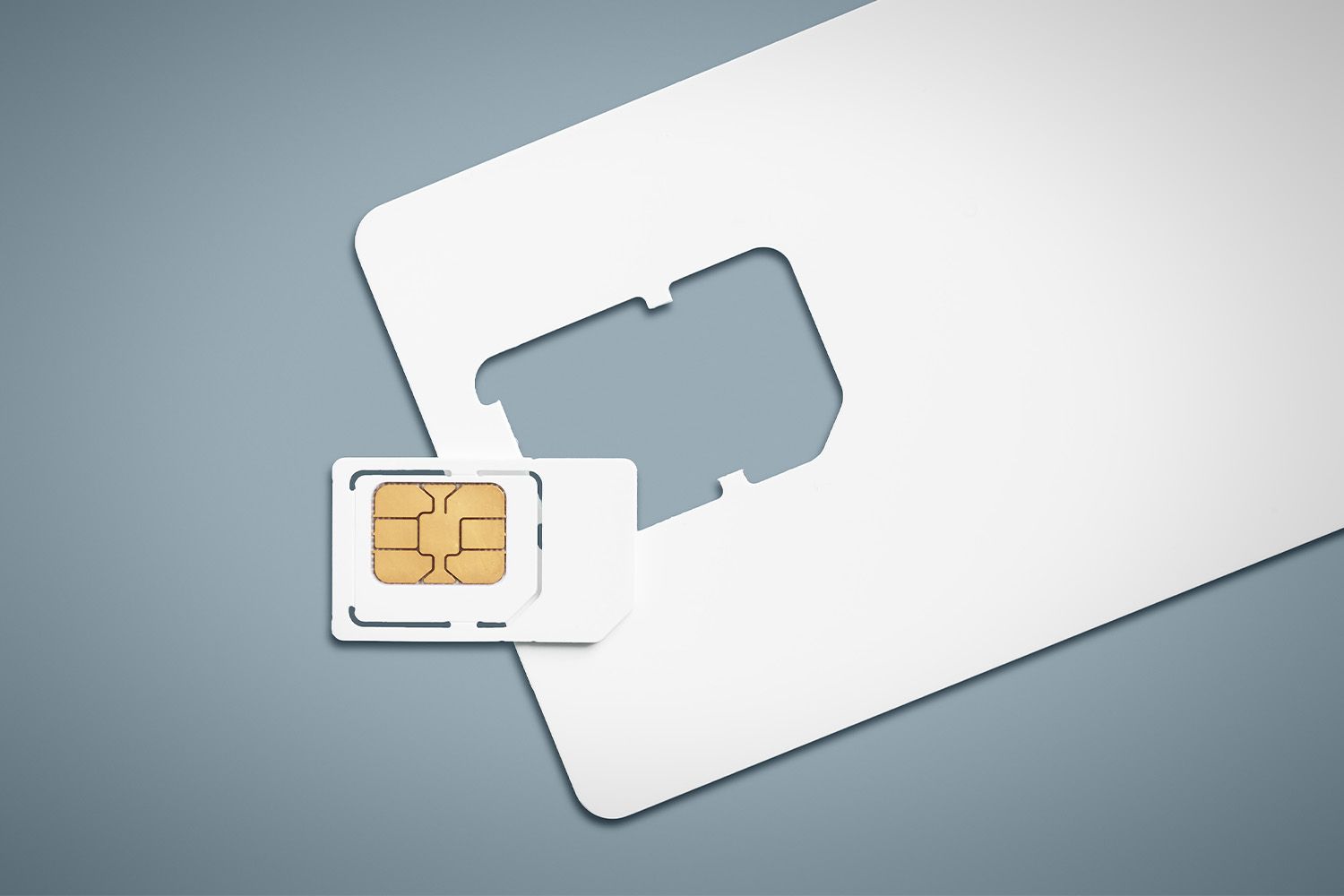
Burner SIM cards, often called disposable SIM cards, are prepaid mobile SIMs designed for short-term, anonymous use. You buy them with cash, activate them without linking to your identity, and toss them when you're done. This is different from burner apps, which generate temporary virtual numbers on your existing smartphone, a digital alternative that doesn't require inserting a SIM card into a second device. The physical SIM gives you a genuine cellular connection, not just an internet-based line, making it more reliable for calls and texts in areas with weak data coverage.
How burner SIM cards work
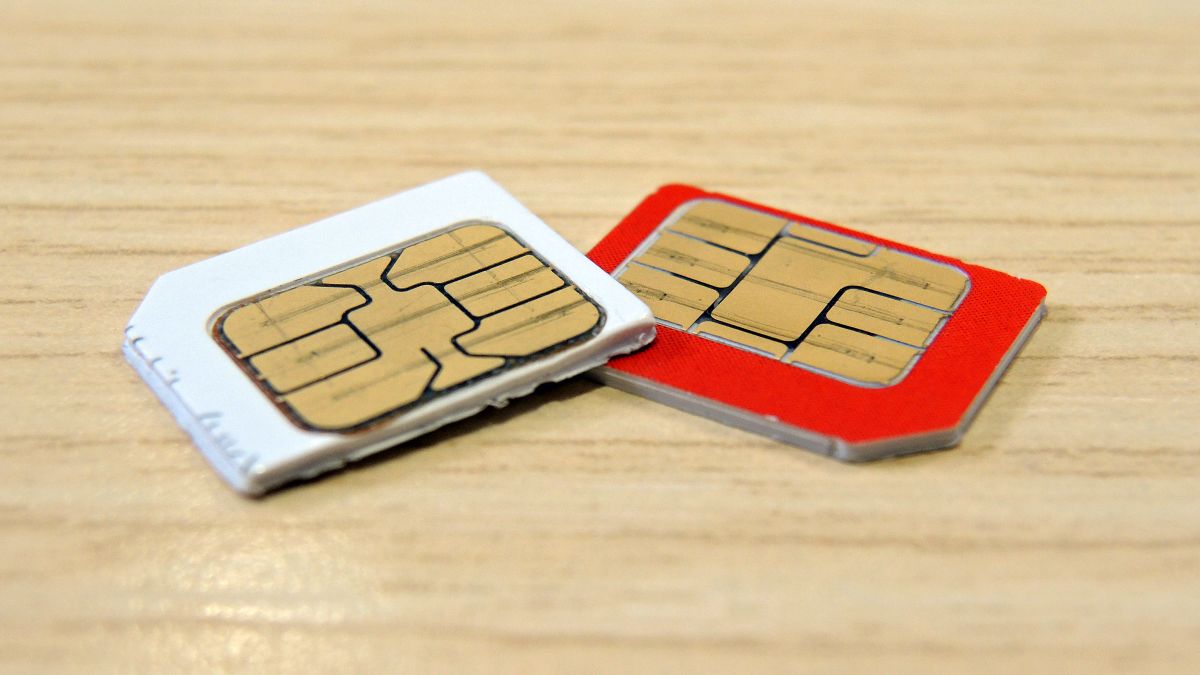
Activating a burner SIM card is straightforward. For example, with a Verizon Prepaid physical SIM, a new customer simply turns on the phone, selects "New customer" on the setup screen, and follows the on-screen prompts to start service. Once activated, the SIM connects to the mobile network, allowing you to make calls, send texts, and use data just like a regular plan. The key difference is that you use it for a limited period, maybe a week or a month, then discard or deactivate it, severing the link to your temporary number. If you ever need to move that number to another device, you might find yourself using an old SIM card in a new phone, though the temporary nature of a burner makes this less common.
Benefits of a temporary number
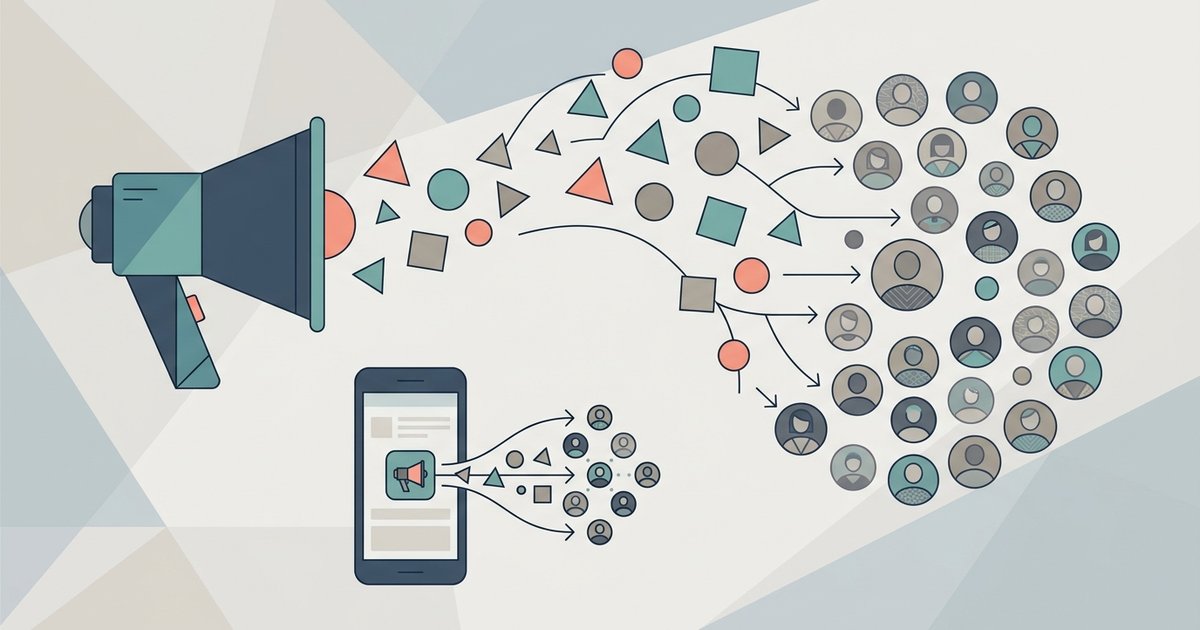
A temporary number from a burner SIM card offers several practical advantages for everyday privacy. When selling items online or using dating apps, you can keep your main number private, avoiding spam and unwanted follow-ups. Travelers also benefit: instead of paying roaming fees, you pick up a local prepaid SIM for cheap calls and data during your trip. The cost-effectiveness is clear, you pay only for what you need, with no long-term contract. Plus, if you're worried about your personal number being harvested by marketers, a burner SIM acts as a buffer, absorbing the spam so your primary line stays clean.
Drawbacks to consider
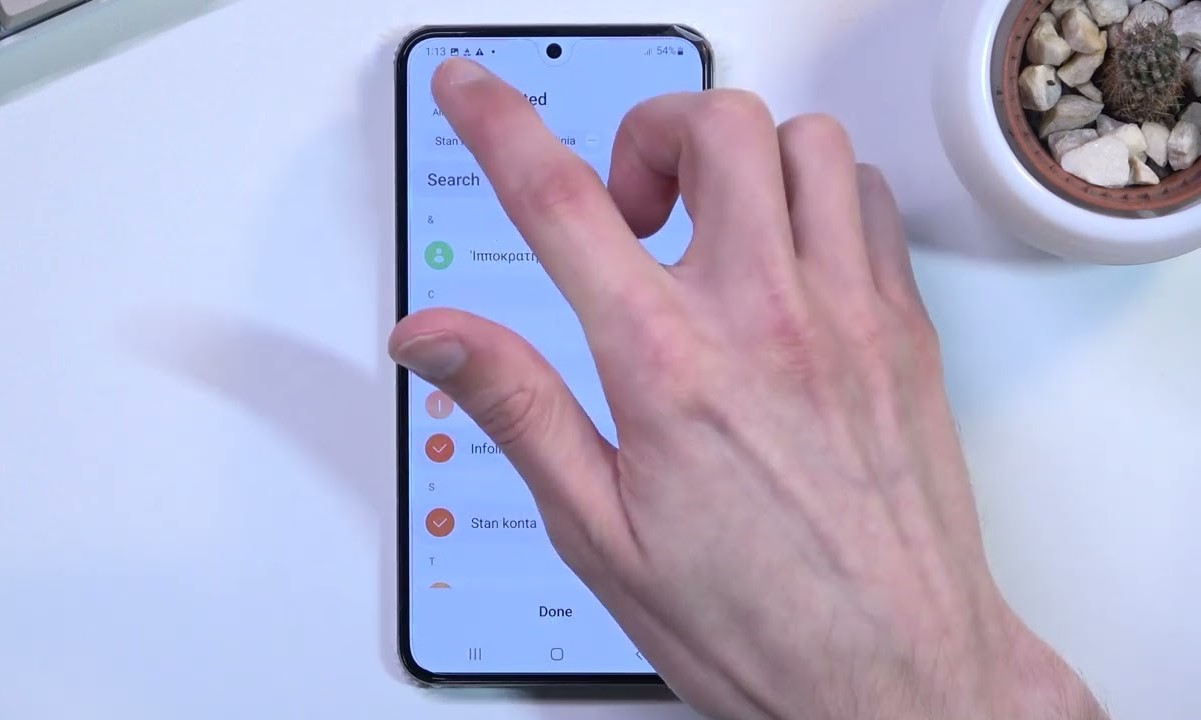
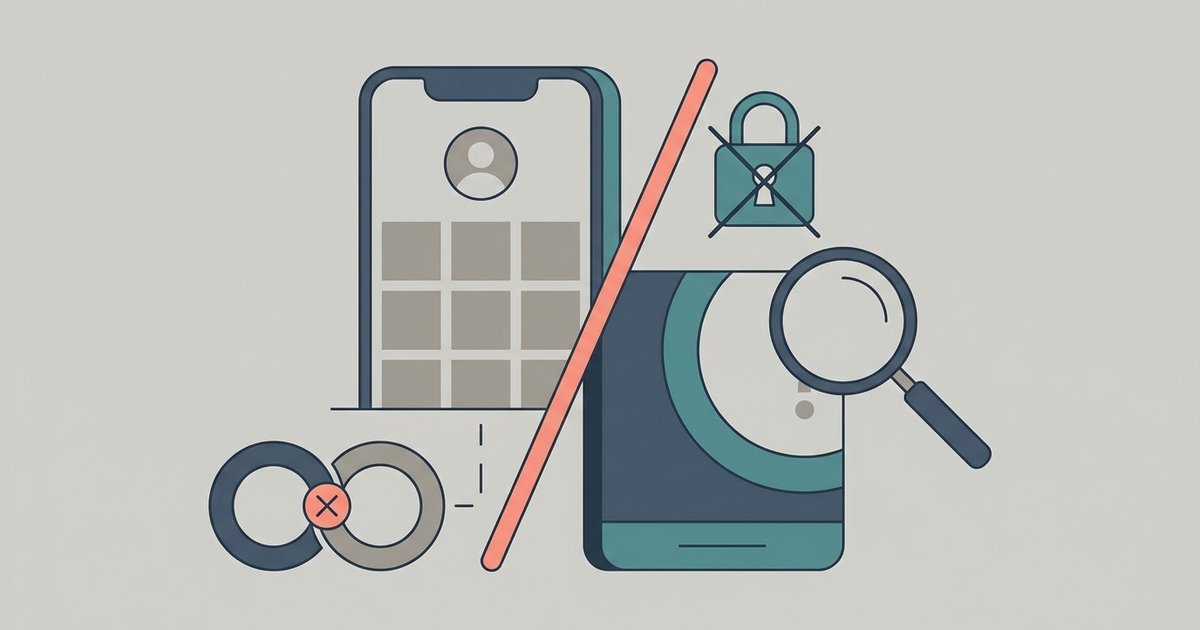
Despite their benefits, burner SIM cards come with notable limitations. The biggest hassle is changing your number on a SIM card frequently, which means updating contacts and services each time you swap, a chore that can lead to missed calls or confusion. They lack long-term utility: if you need a stable number for bank verifications or two-factor authentication, a burner's short lifespan can lock you out of accounts. Additionally, transferring contacts to a SIM card is possible, but the limited storage on a SIM means you might lose data when you discard it. For those relying on consistent communication, the fragmentation of multiple temporary numbers can outweigh the privacy gains.
Staying on the right side of the law
Using burner SIM cards responsibly means understanding local regulations, as some countries require registration or limit anonymous SIM purchases. Before buying, check if your jurisdiction allows prepaid SIMs without ID, otherwise, you risk violating telecom laws. The anonymity that makes burners attractive can also raise red flags if used for illicit activities, so stick to legitimate uses like privacy protection or travel. If you're ever troubleshooting, checking if your SIM card is working is simple: just make a test call.