To disable a vehicle GPS tracker, you must either physically remove an aftermarket device or cancel the subscription service for a built-in telematics system. These are the only legal and reliable ways to stop your vehicle from transmitting its location.
How to Legally Disable a Vehicle GPS Tracker
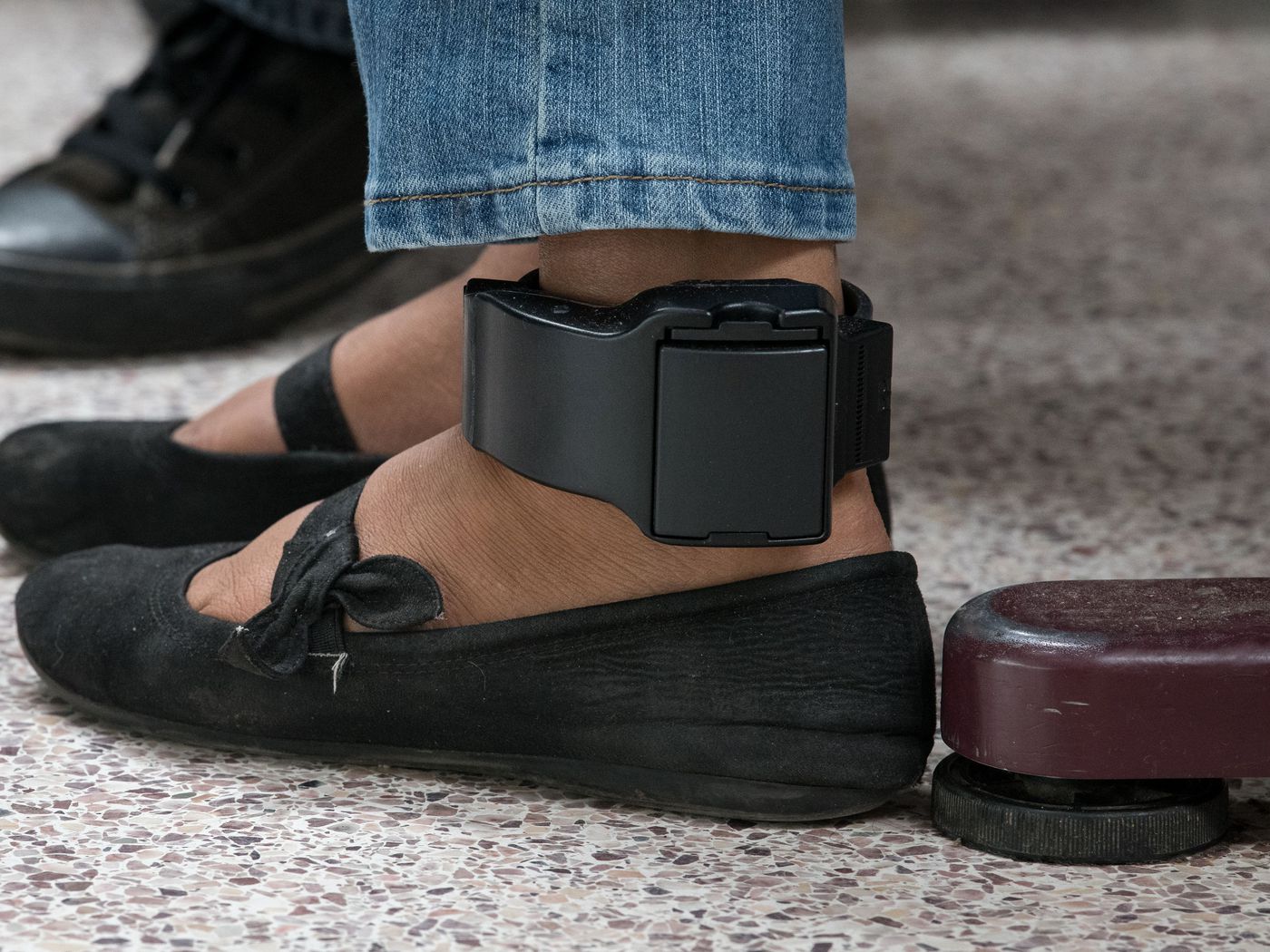
The legal method for disabling a tracker depends entirely on its type. For an aftermarket tracker, a small box plugged into the OBD-II port or hardwired into the vehicle, physical removal is the solution. For a factory-installed telematics system like Uconnect, you must cancel the entire service account, as location data collection is essential for these services. Both approaches are lawful when applied to a vehicle you own outright.
First, Find the Tracker: Common Hiding Spots
Before you can disable anything, you need to locate the device. Start with a thorough visual inspection of your vehicle. The most common hiding spots include:
- OBD-II port: This diagnostic port is typically located under the dashboard, near the driver’s left knee. Many aftermarket trackers plug directly into this port.
- Under the dashboard: Look for small, black plastic boxes taped or zip-tied to wiring harnesses on the driver or passenger side.
- Glove box: Check behind or underneath the glove box compartment.
- Exterior frame: Inspect underneath the vehicle, near the wheel wells, or inside the bumper area for magnetic devices.
Locating the tracker gives you the option to physically remove or disconnect it, which is the most straightforward path to ending unwanted tracking.
How to Disable an Aftermarket GPS Tracker
Once you have found the tracker, the method for disabling it depends on how it is installed.
- Plug-and-play (OBD-II): Simply unplug the device from the port. No tools are required. This instantly stops the tracker from receiving power and transmitting data.
- Hardwired tracker: These are connected directly to the vehicle’s power source, usually with a fuse tap or by splicing into a constant 12-volt wire. Disconnect the tracker’s power wire or remove its inline fuse. If you are unsure which wire powers the device, consult a mechanic for complex installations to avoid damaging your vehicle’s electrical system.
A mechanic is needed for complex installations because incorrectly cutting or disconnecting wires can disable essential vehicle functions or create a short circuit.
How to Deactivate Built-in Telematics (Like Uconnect)
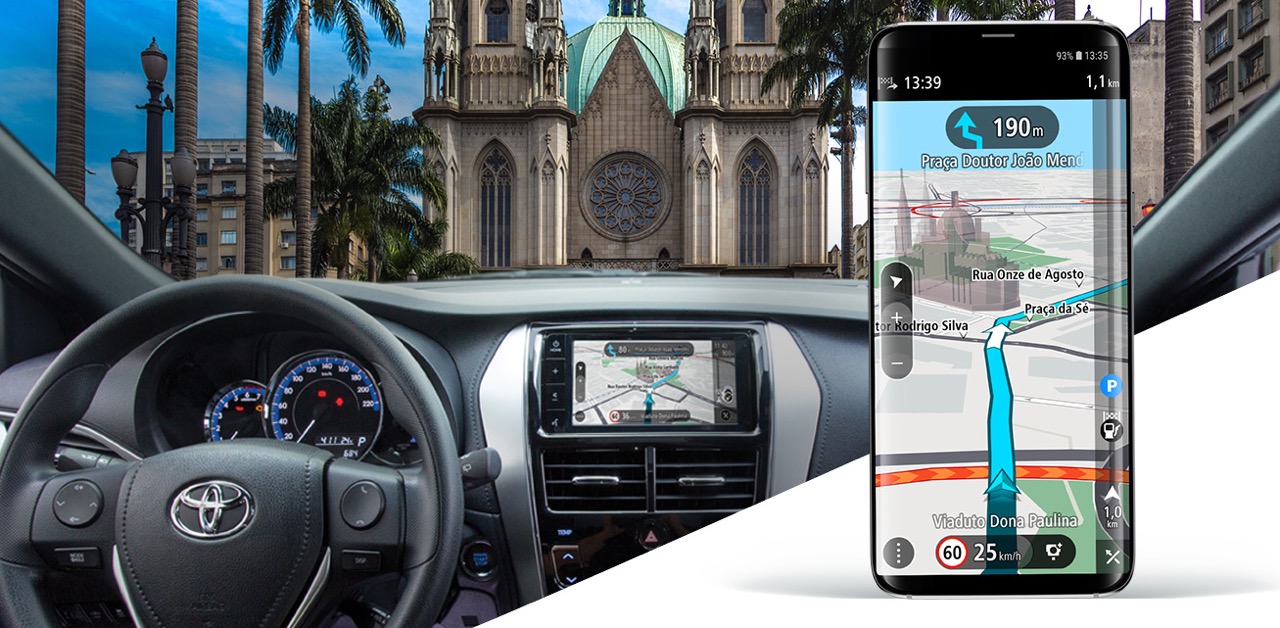
Factory-installed systems, such as Uconnect in Ram trucks, cannot be disabled by simply pulling a fuse or unplugging a module. The tracking function is integrated into the vehicle’s core systems. To deactivate Uconnect location tracking, you must cancel Uconnect services entirely by contacting customer care. This is the only way to stop location data from being collected, as the system is designed to transmit location as part of its core functionality.
Canceling the entire service is necessary because location data collection is essential for these services, meaning you cannot keep the convenience features while disabling the tracking.
Methods to Avoid: Jammers and Signal Blockers
Using a GPS jammer or signal blocker might seem like an easy fix, but it is a dangerous and illegal choice. These devices emit radio frequencies that interfere with GPS signals, but they also disrupt other essential communications, including emergency services and cellular networks. In many jurisdictions, the possession or use of GPS jamming or signal-blocking devices is illegal and carries severe penalties, including fines and imprisonment. If you need to manage a legitimate tracker you own, you can simply follow the gf-07 GPS tracker setup to disable it through its settings. Avoid these devices entirely and stick to the legal methods described above.
Steering clear of jammers is crucial because they are illegal in many jurisdictions and carry severe penalties, potentially turning a privacy concern into a criminal offense.
Check Your Legal Ground Before You Start
Before you remove or deactivate any tracker, confirm that you have the legal right to do so. If you lease or finance your vehicle, review your agreement carefully. Tampering with a tracking device that belongs to the lender can violate your contract. Furthermore, it is illegal to tamper with a vehicle you don’t own, such as a company fleet vehicle or a rental car. Finally, be aware of data privacy laws in your jurisdiction; while you have the right to control tracking on your own property, respecting data privacy laws means you cannot disable a tracker that is lawfully installed by a third party with a legal interest in the vehicle.
Checking your lease or finance agreement is essential because tampering with a vehicle you don’t own can result in breach of contract, repossession, or legal action against you.