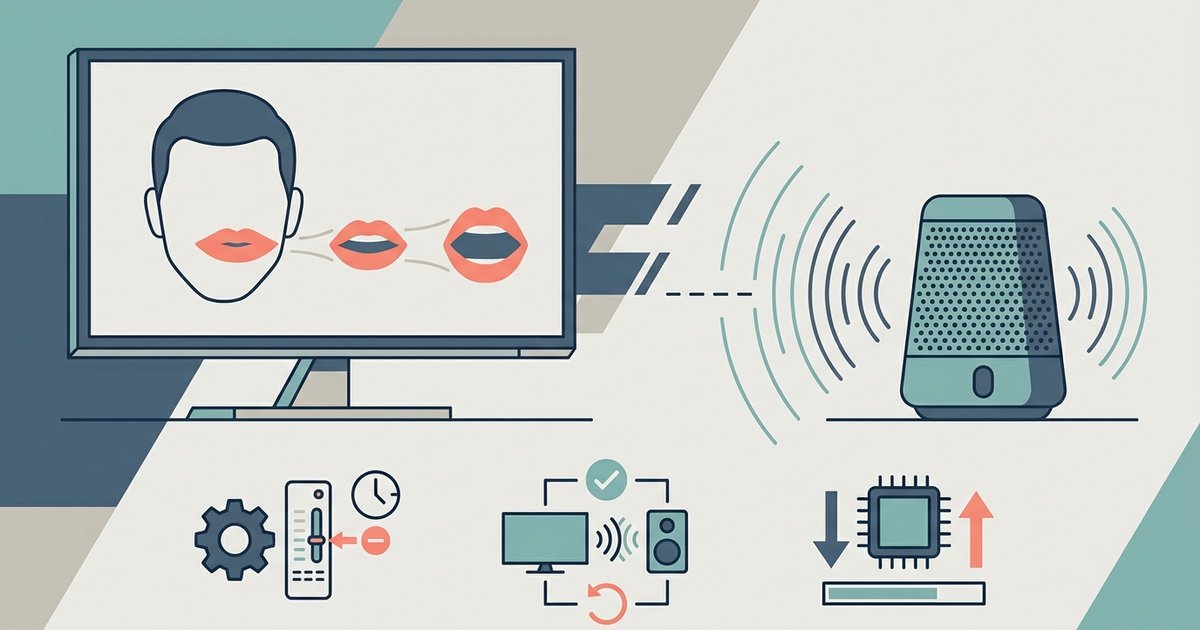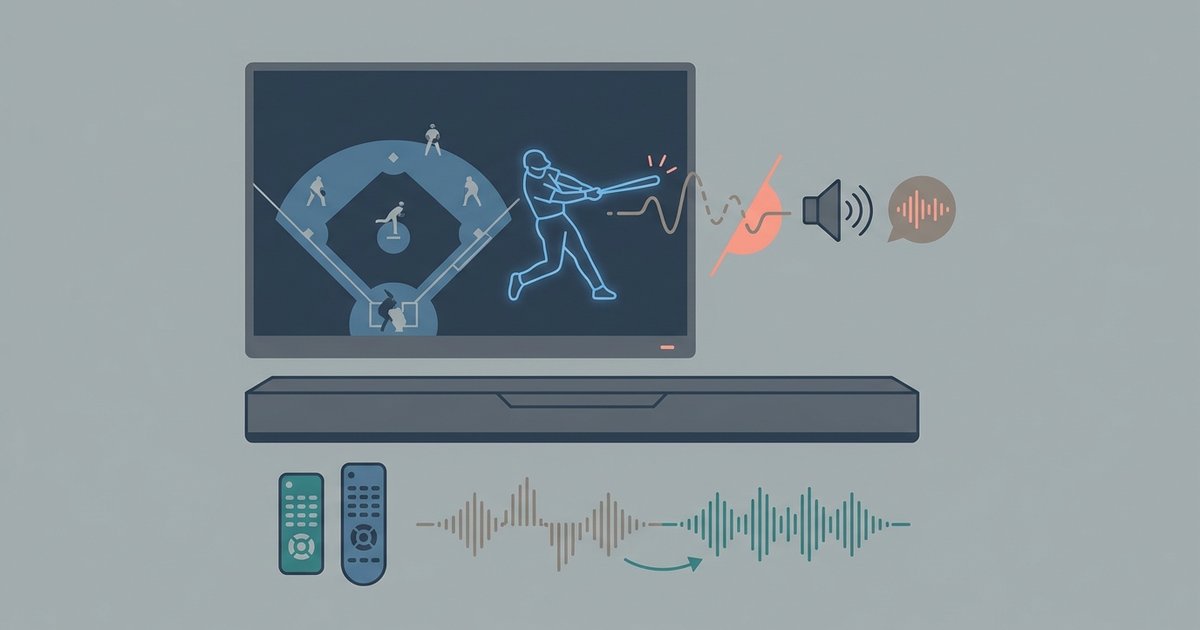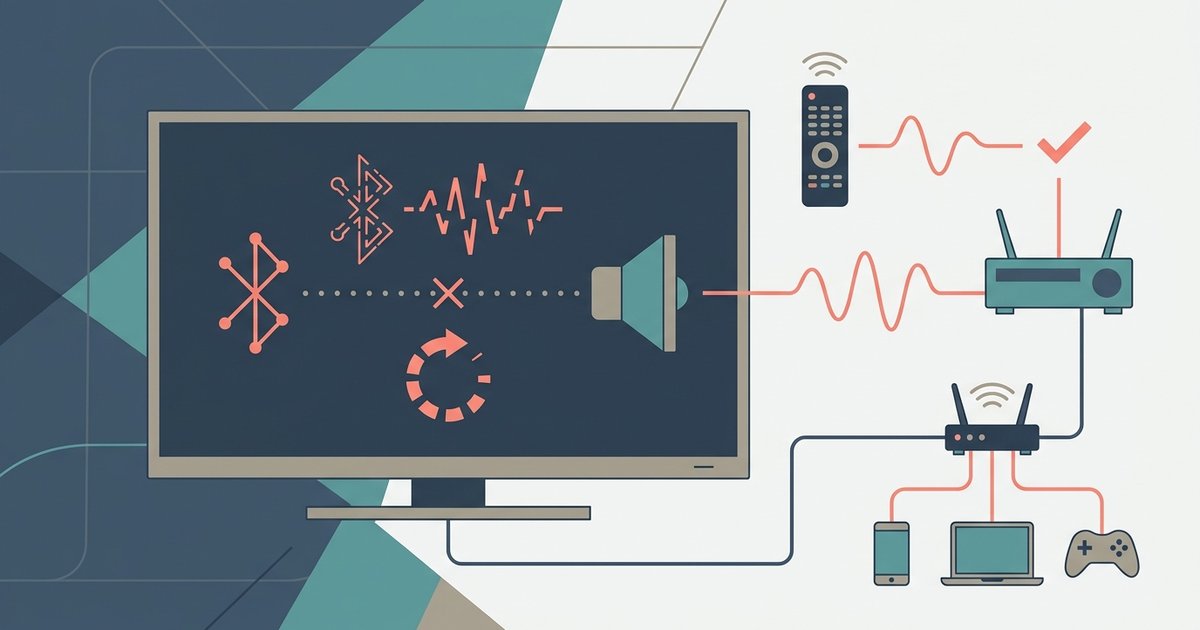
To fix wireless earbuds delay, you need to address the Bluetooth latency that causes the audio to lag behind the video. Standard Bluetooth using the SBC codec introduces a noticeable delay of 200-350 milliseconds, but you can reduce or eliminate this lag with a few targeted steps.
Why your wireless earbuds have a delay
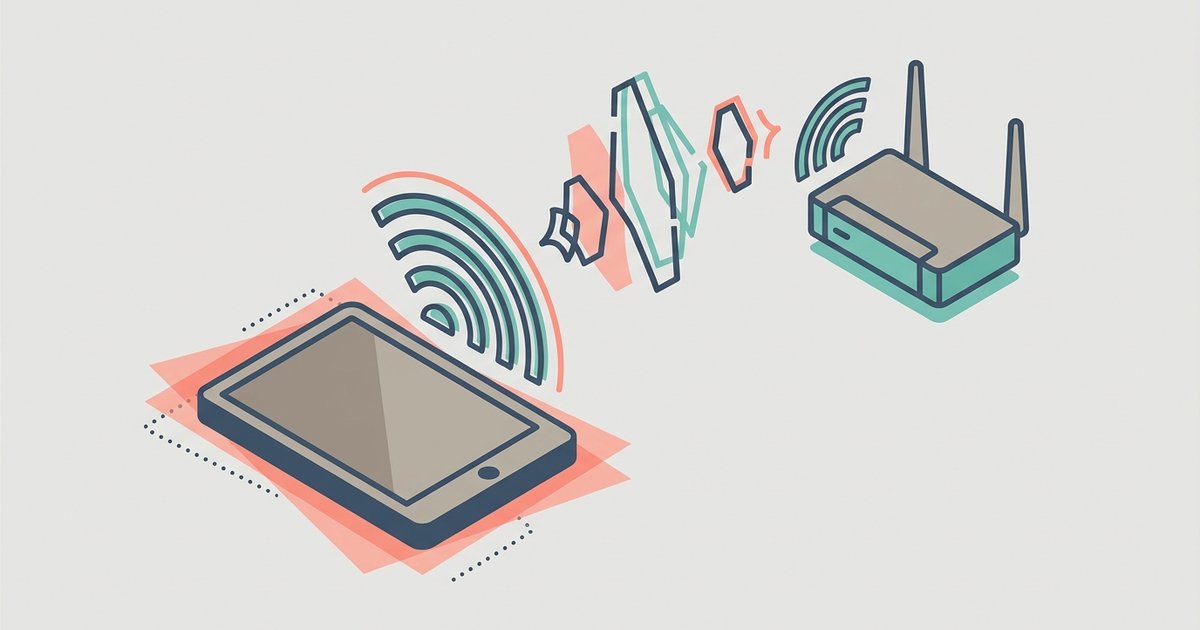
The primary cause of audio delay in wireless earbuds is Bluetooth latency, which is the time it takes for the audio signal to travel from your device to your ears. The standard SBC codec typically introduces a delay of 200-350 milliseconds, which is enough to make dialogue appear out of sync with on-screen action. Other factors that contribute to this lag include the audio codec being used, wireless interference from other devices, and even low battery levels that force your earbuds into power-saving modes, increasing latency. An improper initial connection can also cause sync issues, so you may need to pair jlab wireless earbuds again to reset the transmission timing.
Quick fixes for wireless earbuds delay
Before diving into more complex solutions, try these immediate steps that can often resolve the issue in seconds.
- Enable Gaming Mode or Low Latency Mode on your earbuds through their companion app, as this setting is specifically designed to reduce delay.
- Charge your earbuds fully, as low battery levels can cause them to enter power-saving modes that increase audio latency.
- Move closer to your connected device, removing any physical barriers between them to strengthen the Bluetooth signal.
Update your earbuds and device firmware
Outdated firmware on either your earbuds or your connected device can introduce or worsen audio delay. To reduce delay, ensure both your wireless earbuds and the connected device (phone, PC) are running their latest firmware and software versions. Check the manufacturer's app for your earbuds for any available updates, and also verify that your phone or computer has the latest system updates installed. Manufacturers often release updates that specifically address latency bugs and improve audio synchronization.
Reset and re-pair your Bluetooth connection
Resetting Bluetooth connections by unpairing and re-pairing your earbuds can resolve temporary glitches causing lag. Start by unpairing your earbuds from your device's Bluetooth settings, then perform a factory reset on the earbuds themselves (usually done by holding specific buttons as outlined in your manual). Finally, re-pair them with your device. If the delay persists after this process, test your earbuds with a different device to determine whether the issue lies with the earbuds or your original audio source.
Adjust audio and video settings
Your device and apps may have settings that can force a lower-latency connection. Check your device's Bluetooth settings to see if you can manually select a different audio codec, such as AAC or aptX, which typically offer lower latency than the standard SBC codec. Additionally, many video player apps have an audio sync or audio delay setting that lets you manually align the sound with the picture. Adjusting this setting can compensate for any remaining lag.
Minimize wireless interference
Wireless interference from other devices can disrupt your Bluetooth connection and increase latency. Minimize signal interference by moving closer to your connected device, removing physical barriers, and turning off other nearby wireless devices (like Wi-Fi on 2.4 GHz, microwaves). If you use JBL wireless earbuds, understanding how to use JBL wireless earbuds in an environment with less interference will improve your experience, and a proper initial setup helps maintain a stable connection, so pair JBL wireless earbuds correctly to avoid reconnection drops. Also, remember that the connection will always use the lowest Bluetooth version of the two paired devices, so if your phone is Bluetooth 5.4 but your earbuds are Bluetooth 5.0, the connection will operate at the 5.0 standard. Newer versions like Bluetooth 5.2 with LE Audio can offer improved time-synchronized audio streaming, but only if both devices support it.