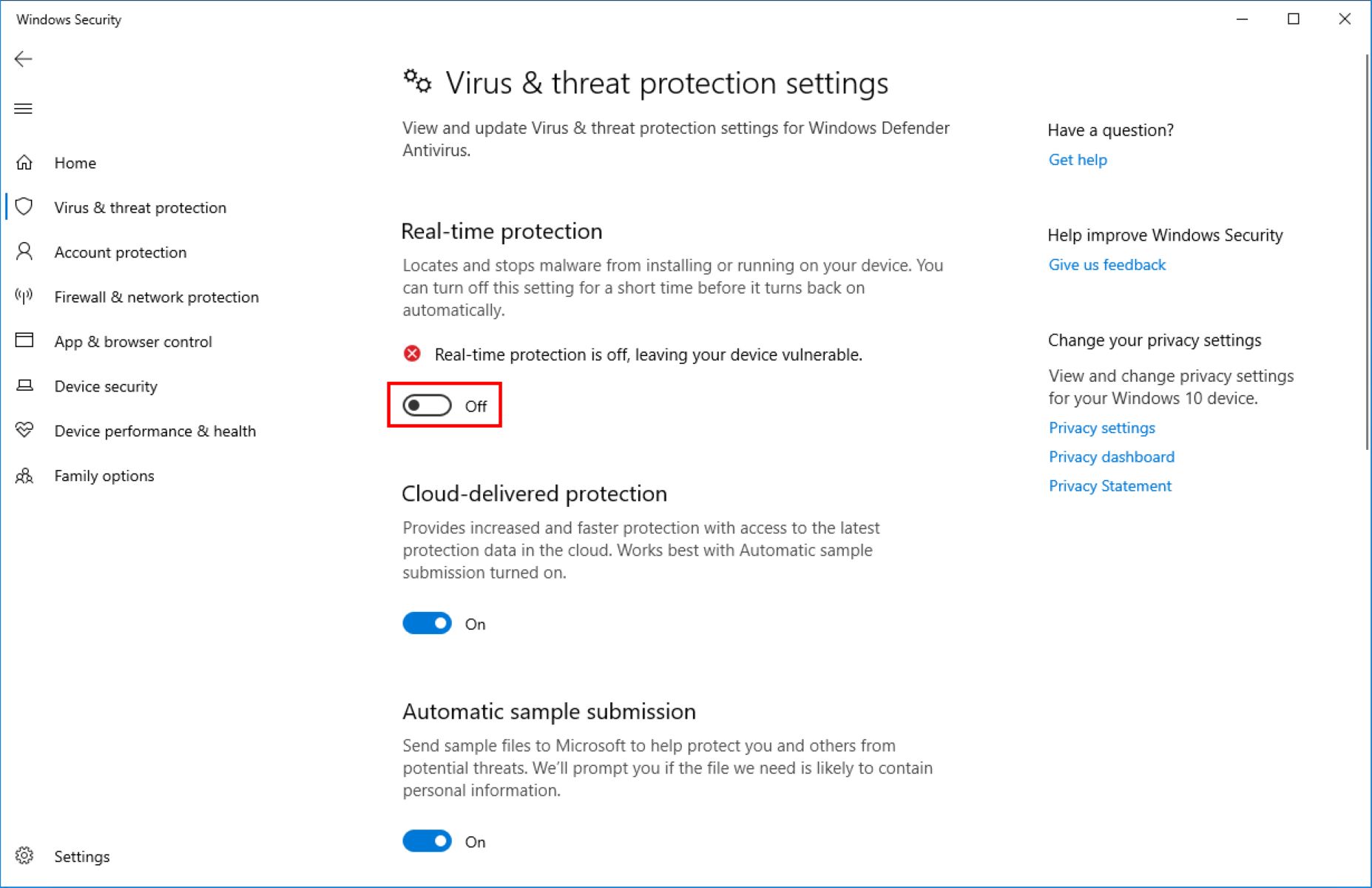
To turn off Windows Defender, open Windows Security, go to Virus & threat protection, and turn off Real-time protection. This temporary method is the safest way to disable Microsoft Defender Antivirus when you need to troubleshoot a software conflict or install an application that the real-time scanner is blocking.
Before you turn off Windows Defender: Critical safety warning
Disabling Microsoft Defender Antivirus can significantly lower your device's protection level and make it vulnerable to threats. Only proceed if you have a specific, short-term need such as resolving a compatibility issue or installing trusted software. If you install a third-party antivirus product, Microsoft Defender Antivirus automatically disables itself or goes into passive mode to avoid conflicts, so you generally do not need to manually turn it off. Running more than one real-time antivirus product simultaneously is not recommended due to potential performance issues and conflicts, so consider a dedicated replacement like Kaspersky antivirus for robust, conflict-free security. For permanent disabling methods, you must first turn off Tamper Protection in Windows Security; otherwise, your changes via Group Policy or Registry may not take effect.
How to temporarily turn off Windows Defender through Windows Security
This is the recommended method for most users because protection restores automatically. You can temporarily turn off Microsoft Defender Antivirus through Windows Security settings when you need a brief window to install software or diagnose a problem.
- Open Windows Security from the Start menu.
- Select Virus & threat protection.
- Under Virus & threat protection settings, click Manage settings.
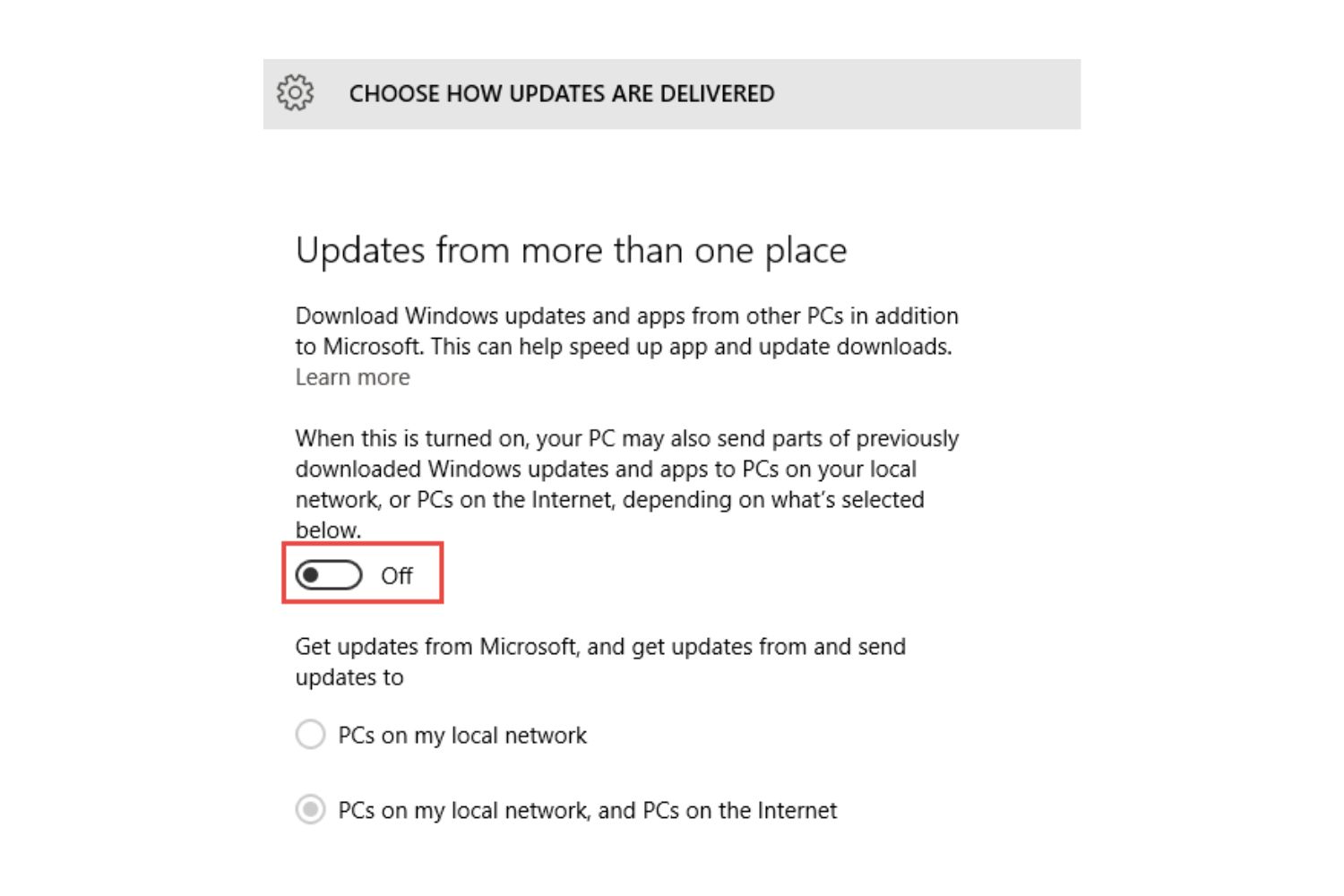
- Toggle the Real-time protection switch to Off.
Real-time protection will automatically turn back on after a short while to continue protecting your device. This method works identically on both Windows 10 and Windows 11.
How to permanently turn off Windows Defender using Group Policy Editor
Use this method if you need to permanently turn off Windows Defender Antivirus on a Windows 10/11 Pro, Enterprise, or Education edition and you have a specialized use case that requires the antivirus to stay off. To ensure permanent disabling methods take effect, you may need to first turn off Tamper Protection in Windows Security.
- Go to Windows Security > Virus & threat protection > Virus & threat protection settings > Manage settings, and toggle Tamper Protection to Off.
- Press Windows key + R, type
gpedit.msc, and press Enter to open the Local Group Policy Editor. - Navigate to Computer Configuration > Administrative Templates > Windows Components > Microsoft Defender Antivirus.
- Double-click the policy setting named Turn off Microsoft Defender Antivirus.
- Select Enabled, then click Apply and OK.
To re-enable protection, return to the same policy setting and select Not Configured or Disabled.
How to permanently turn off Windows Defender using Registry Editor
This method works for all Windows editions, including Home, and is the correct approach when Group Policy is unavailable.
- Press Windows key + R, type
regedit, and press Enter to open Registry Editor. Back up your registry before making changes. - Navigate to
HKEY_LOCAL_MACHINE\SOFTWARE\Policies\Microsoft\Windows Defender. If the Windows Defender key does not exist, right-click the Microsoft key, select New > Key, and name it Windows Defender. - With the Windows Defender key selected, right-click in the right pane, select New > DWORD (32-bit) Value, and name it
DisableAntiSpyware. - Double-click DisableAntiSpyware and set its value data to 1. Click OK.
To re-enable protection, change the DisableAntiSpyware value data back to 0 or delete the DWORD.
How to re-enable Windows Defender
If you used the temporary method through Windows Security, Real-time protection will turn back on automatically after a short while. To restore protection immediately, return to Virus & threat protection settings and toggle Real-time protection back to On. If you used Group Policy, open the same policy setting and select Not Configured or Disabled. If you used the Registry, set DisableAntiSpyware value data to 0 or delete the DWORD. After reversing any permanent method, verify that Real-time protection is active in Windows Security and that Tamper Protection is turned back on to prevent malicious apps from changing your antivirus settings.